2026-06-15
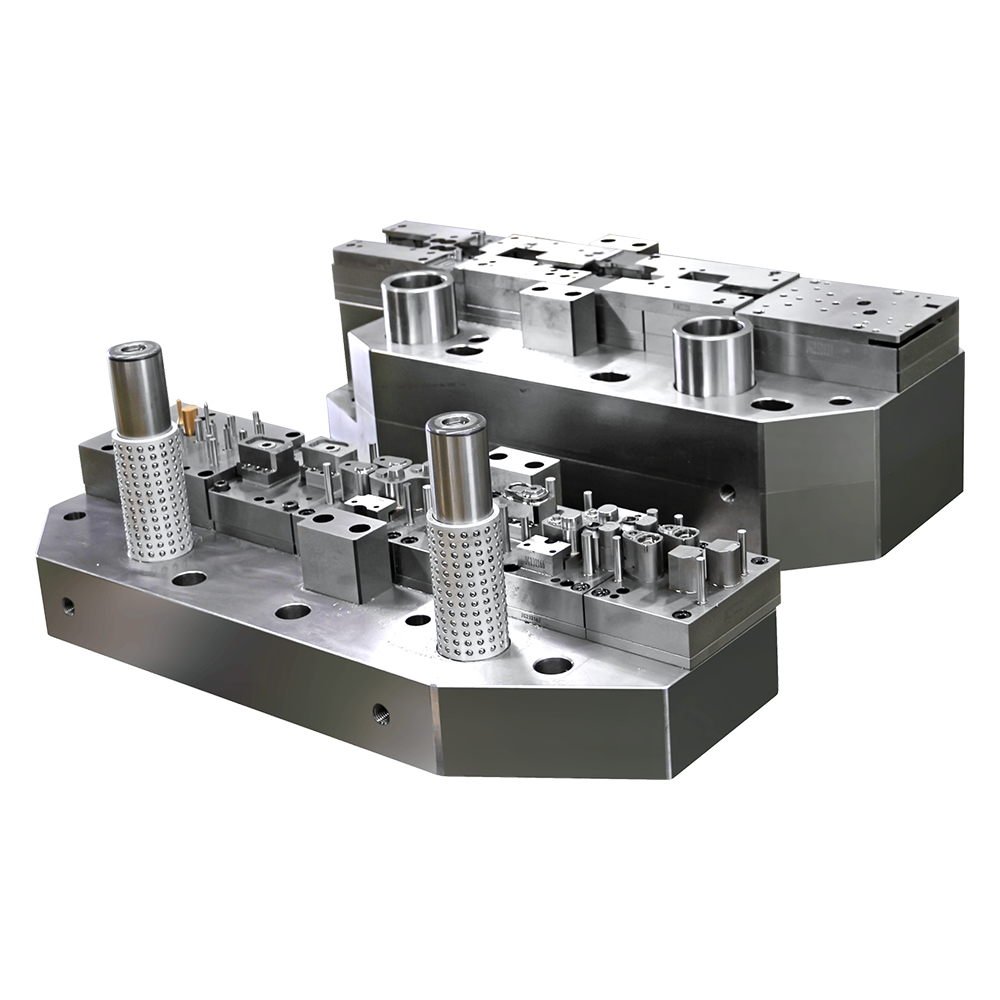
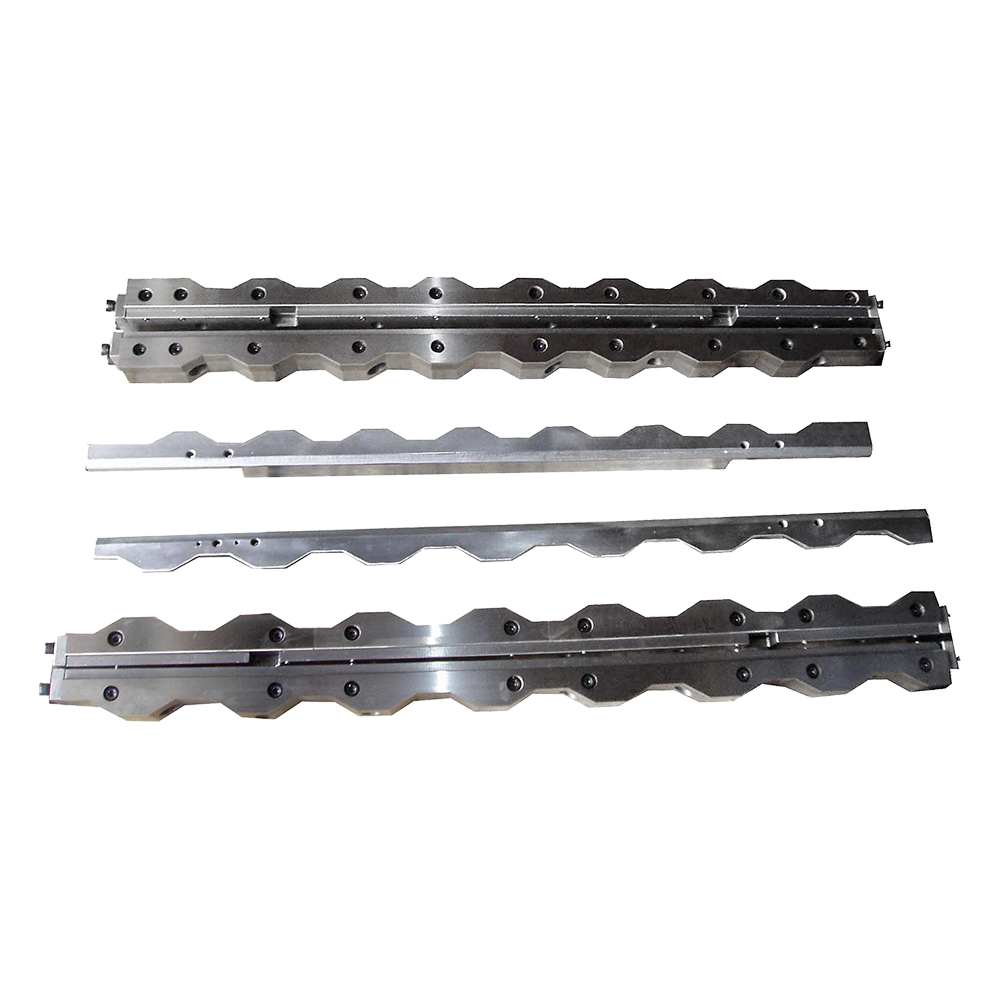
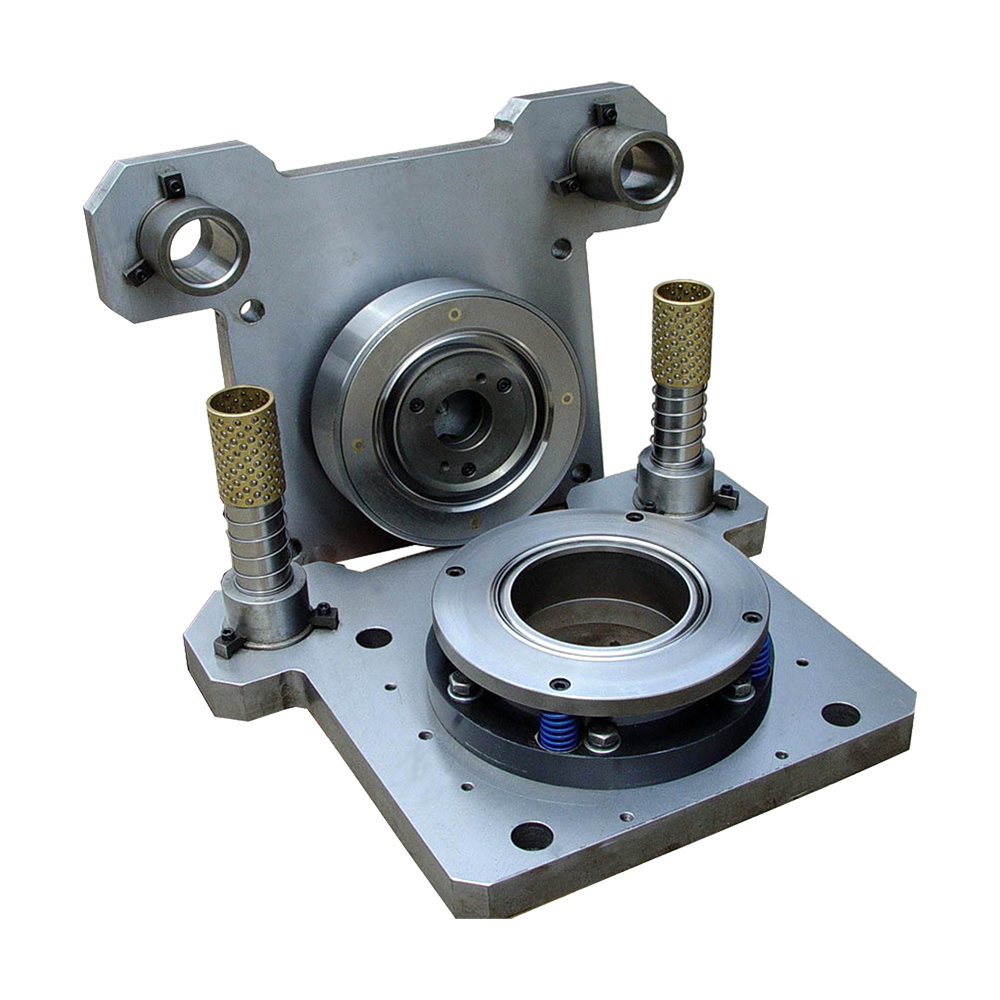
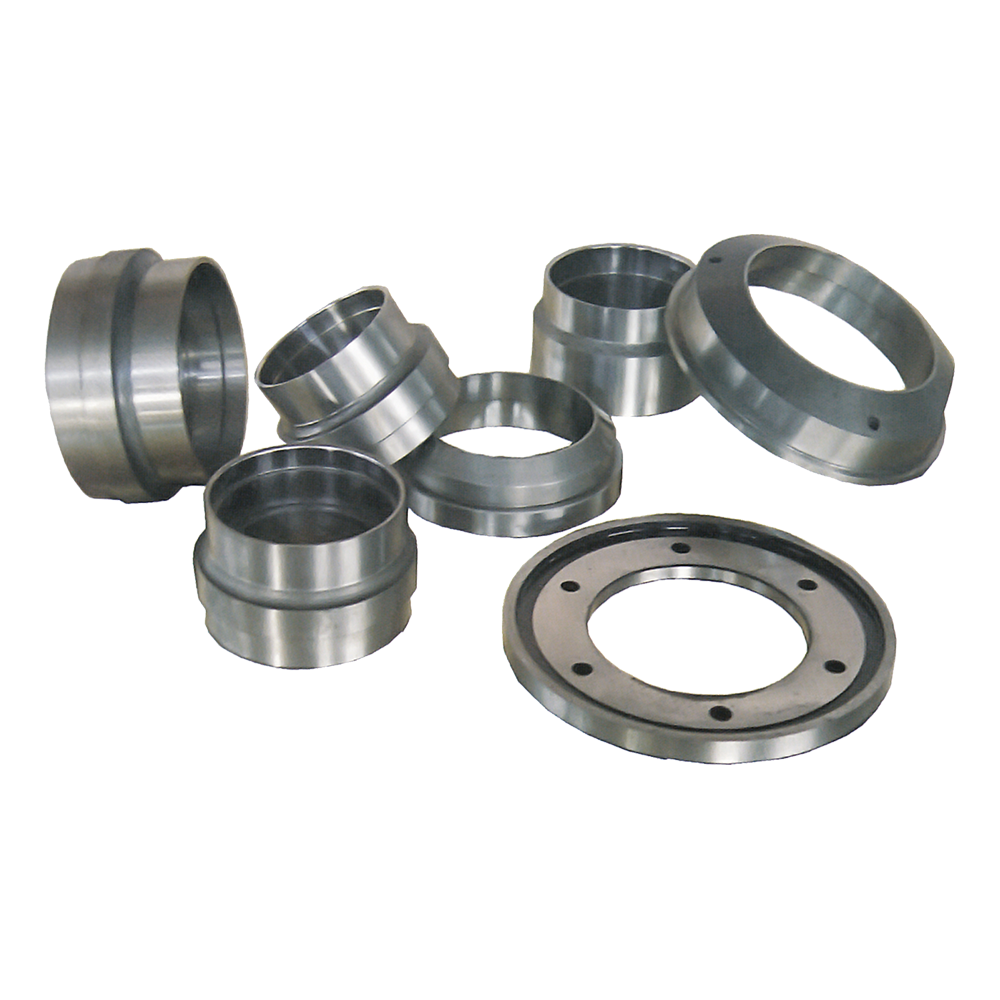
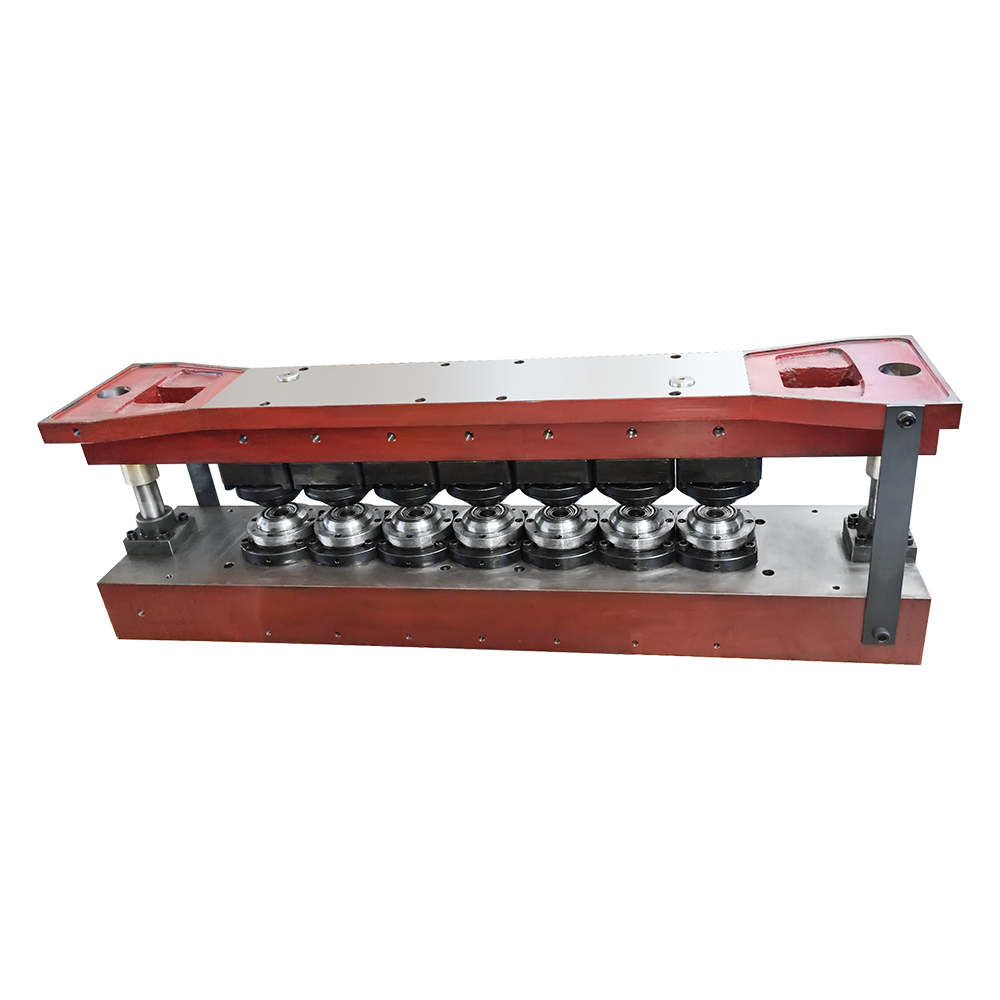
In modern metal packaging production, the accuracy of every formed edge, curl, groove, and seam determines whether a can end will perform reliably during filling, sealing, transportation, storage, and consumer use. The Conversion Press Seaming Roller Die is a specialized mold component designed for can-end manufacturing processes where stable forming geometry, repeatable output, and long service life are essential. It serves the demanding needs of tinplate and tin can production lines, particularly in applications related to food cans, beverage cans, milk powder cans, aerosol containers, chemical tanks, and easy-open end production.
As a mold product, the Conversion Press Seaming Roller Die may look compact compared with a complete can-making machine, but its influence on production quality is considerable. A well-made roller die contributes to smooth material flow, accurate seaming profiles, reduced scrap, consistent end dimensions, and dependable compatibility with high-speed conversion presses. In a production environment where thousands or even millions of can ends must be produced with uniform quality, the precision of the seaming roller die becomes a central factor in productivity and cost control.
Zhejiang Golden Eagle Food Machinery Co., Ltd. has long focused on the manufacturing of can-making machinery and can-making molds. Established in 1978 and formerly known as Zhejiang Food Machinery Factory and Zhoushan Mold Factory, the company has developed extensive experience in the can-making industry. With advanced CNC high-precision machining equipment, complete mechanical processing capabilities, a professional engineering team, and quality management systems including ISO9001 and ISO14001, the company is positioned to supply mold components such as conversion press seaming roller dies for customers who require stable performance and reliable technical support.
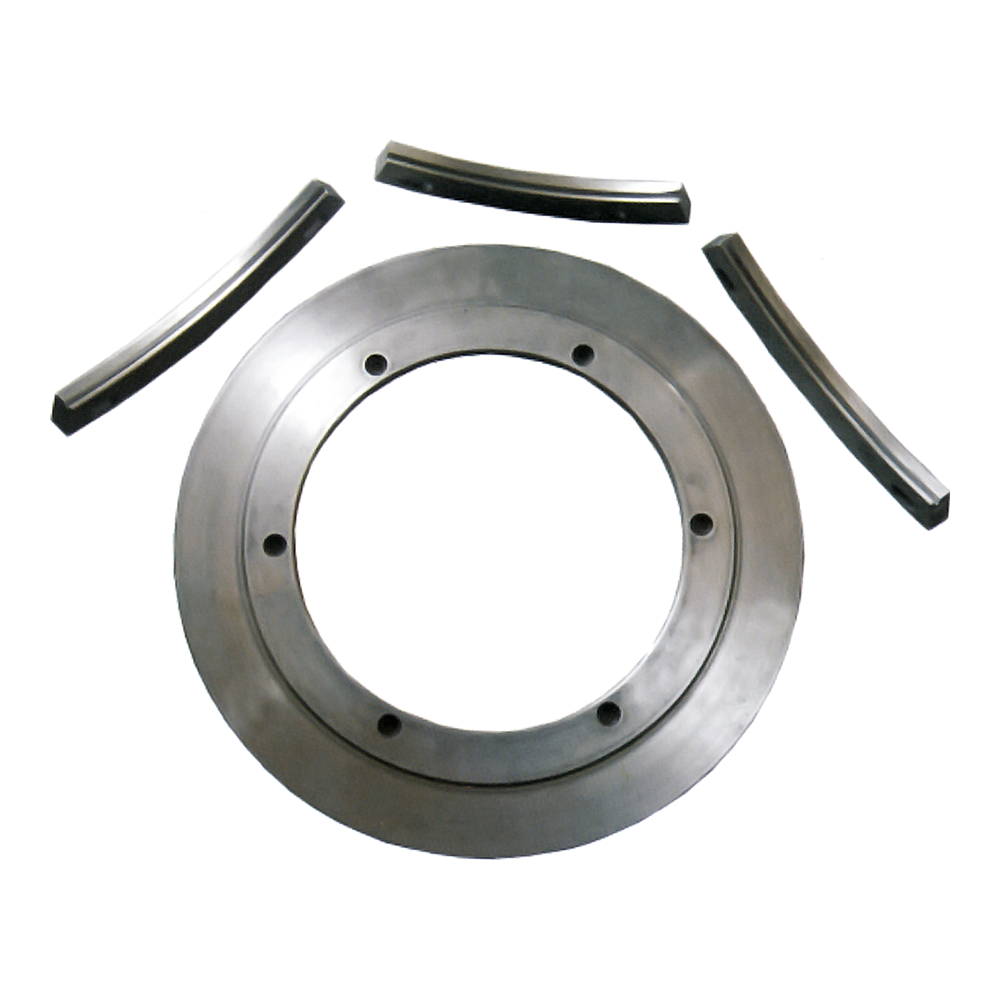
Conversion Press Seaming Roller Die
A conversion press is used in can-end manufacturing to transform pre-cut or pre-formed metal blanks into functional can ends. Depending on the production line, it may perform operations such as forming, curling, scoring, riveting, panel shaping, or preparing the end for later attachment. Within this system, a seaming roller die helps define the specific profile that will interact with the can body during seaming or that will contribute to the final geometry of the end.
The seaming process must create a joint that is tight, durable, and capable of resisting leakage, internal pressure, handling stress, and thermal processing conditions. In food and beverage packaging, improper seam geometry can lead to product spoilage, contamination risk, or reduced shelf life. In aerosol and chemical packaging, improper end formation may create safety hazards because containers can be exposed to pressure, chemical interaction, and impact during logistics.
The Conversion Press Seaming Roller Die supports accurate metal forming by guiding the tinplate or other metal material into a controlled shape. It must withstand repeated contact, friction, pressure, and dynamic movement during production. Therefore, its material selection, heat treatment, machining precision, surface finish, dimensional control, and profile consistency must all be carefully managed.
Unlike general mechanical parts, a can-making die must be designed with a deep understanding of both machinery and packaging behavior. The roller die does not merely rotate or press; it participates in a system where material thickness, temper, coating, lubrication, press speed, tooling alignment, and downstream seaming conditions all interact. For this reason, mold suppliers with practical experience in full can-making production lines offer a significant advantage.
Can-end production requires extremely consistent geometry. Even slight deviations in the seaming area can produce measurable differences in the final double seam. If the end curl is too tight, too loose, uneven, rough, or poorly formed, the seamer may not create the correct overlap between the can body flange and the end curl. This can result in leakage, wrinkling, cut-through, false seams, or reduced seam strength.
The Conversion Press Seaming Roller Die contributes directly to the repeatability of these critical dimensions. A precise roller die helps ensure that each end is formed to the intended profile. This reduces variation from batch to batch and supports the stable performance of automatic can-making and filling operations. For manufacturers operating high-speed lines, such repeatability is not optional; it is required for maintaining output targets and meeting quality standards.
Precision also matters because modern can manufacturers often work with thinner materials to reduce costs and improve sustainability. Thinner tinplate requires more accurate forming control because it has less tolerance for excessive stress, poor radius design, or inconsistent pressure distribution. A high-quality roller die can help reduce cracking, coating damage, and deformation, allowing manufacturers to pursue material savings without compromising package reliability.
In addition, precision tooling reduces adjustment time. When a roller die is manufactured with stable dimensions and accurate surface geometry, installation and setup become more predictable. Operators can reach production conditions faster, reduce trial runs, and minimize downtime. Over the life of the tooling, these advantages can represent major cost savings.
The main advantages of the Conversion Press Seaming Roller Die can be understood in terms of accuracy, durability, production stability, compatibility, and total operating value. These advantages are especially important for can manufacturers that operate food can lines, beverage can lines, easy-open end lines, aerosol can lines, chemical tank lines, and two-piece can production systems.
The die is designed for precise forming of the seaming-related profile. High dimensional accuracy helps ensure that every formed end maintains the intended shape. This is important for reliable sealing performance and compatibility with downstream can-making equipment. Accurate machining also supports consistent operation across long production runs, reducing the need for frequent adjustment.
Stable forming performance means that the die can repeatedly create the same profile under production conditions. This helps reduce defects such as uneven curls, distorted edges, scratches, excessive thinning, and nonconforming end dimensions. In a competitive market, where manufacturers must control both quality and cost, stable forming performance is one of the most valuable characteristics of a tooling component.
A seaming roller die is exposed to continuous mechanical stress. Its durability depends on suitable material selection, controlled heat treatment, accurate machining, and proper surface finishing. A durable roller die can reduce replacement frequency and lower production interruption. For customers running multiple shifts or high-volume production, long tooling life is a key competitive advantage.
The surface of the roller die influences contact with the tinplate. A smoother and more controlled surface helps reduce material scratching, coating damage, friction, and heat generation. This is particularly important when manufacturing food and beverage cans, where coating integrity may affect corrosion resistance and product safety. A high-quality surface finish also supports smooth metal flow during forming.
The product is suitable for use in can-end production environments where conversion presses and related machines are used. Because the manufacturing company has broad experience in can production lines, including tin can making machines, can lid production lines, food can production lines, beverage can production lines, aerosol canister lines, chemical tank lines, and two-piece can lines, the tooling can be supplied with practical attention to production compatibility.
Although the final seam is created by seaming machinery, the quality of the end profile affects the final double seam. A properly made roller die helps form the end in a way that supports correct body hook and cover hook engagement during seaming. This contributes to better leak resistance, stronger package integrity, and fewer rejected containers.
Many roller dies may appear similar in basic appearance, but their performance can differ substantially in real production. The Conversion Press Seaming Roller Die offered by an experienced can-making machinery and mold manufacturer has advantages that separate it from ordinary or low-precision tooling.
First, it is manufactured with knowledge of complete can-making systems. A supplier that only produces isolated metal parts may not fully understand how a seaming roller die affects downstream operations. By contrast, a manufacturer with decades of experience in can-making machines, can lid equipment, welding machines, slitters, feeding systems, and full production lines can design and process the die with real production requirements in mind.
Second, the product benefits from advanced machining capability. CNC high-precision machining equipment allows tighter control of geometry and repeatability than conventional manual processing alone. For tooling components used in high-speed can production, this level of control can reduce error accumulation and improve interchangeability.
Third, the company’s experience with more than 10,000 pieces of can and can-lid equipment provides a strong base of application knowledge. This long production history supports improved design decisions, better understanding of wear patterns, and practical refinement of mold structures. When tooling is improved through years of field experience, customers receive not just a part but a solution shaped by industrial feedback.
Fourth, the product can be supported by after-sales services such as installation guidance, commissioning assistance, technical consultation, operation training, and timely supply of parts. Tooling customers often require more than delivery; they may need help achieving correct setup and stable operation. A supplier with service capability can reduce the customer’s technical burden.
Finally, the company has international market experience. Its products have been exported to many countries across Europe, Asia, Africa, North America, South America, and Oceania. This indicates adaptability to different production environments, customer standards, and market requirements. For manufacturers that serve domestic and export packaging markets, a globally experienced supplier can provide valuable confidence.
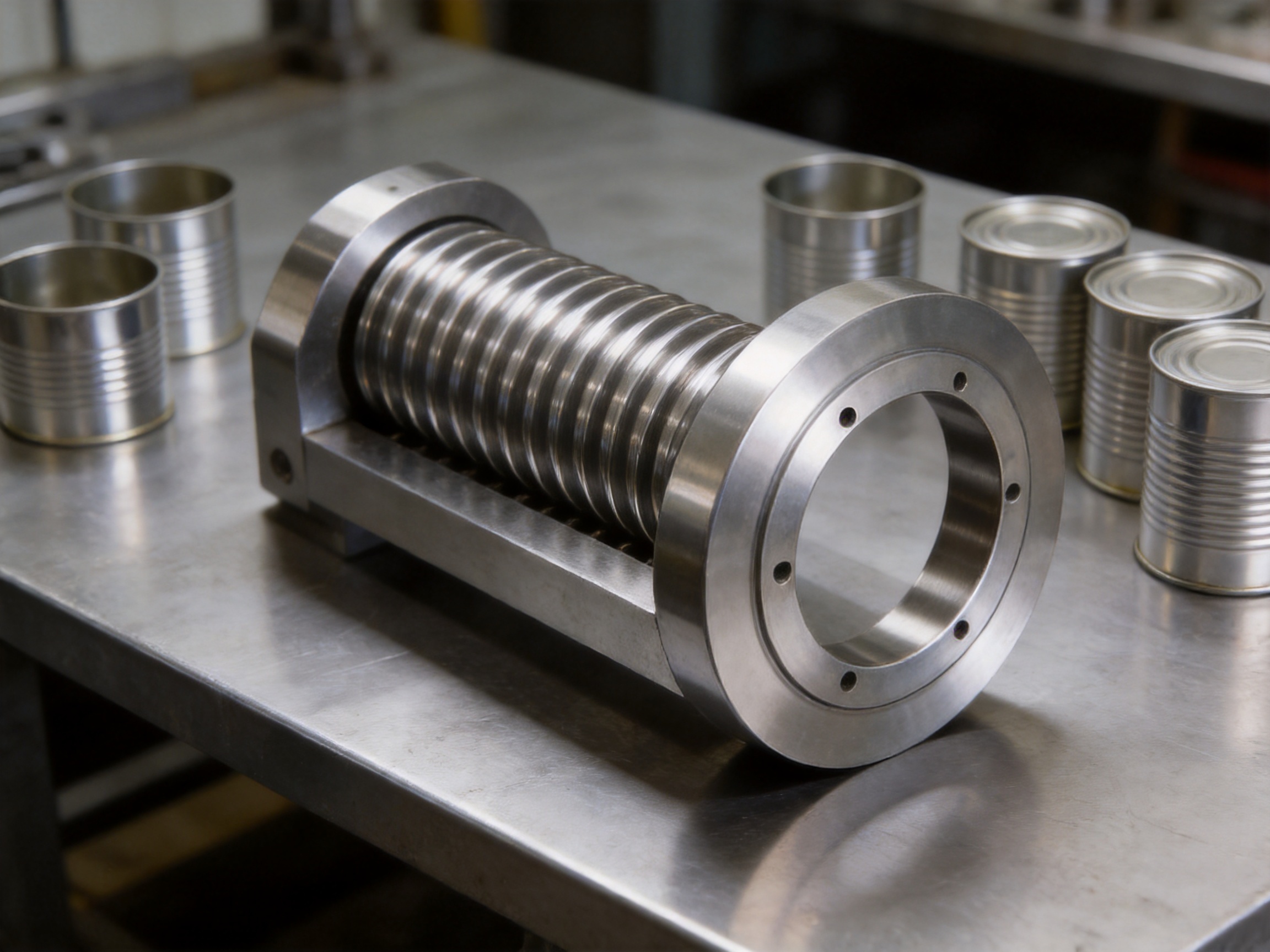
The quality of a Conversion Press Seaming Roller Die depends heavily on the manufacturing system behind it. Zhejiang Golden Eagle Food Machinery Co., Ltd. is located in Zhoushan City, Zhejiang Province, China, and has been engaged in can-making machinery and mold manufacturing for more than four decades. This background gives the company a strong technical foundation for producing precision tooling.
The company has more than 350 well-trained personnel, including experienced design and development professionals and engineers. Such human resources are important because mold manufacturing requires a combination of theoretical design, practical machining knowledge, production experience, and quality awareness. A roller die must be designed and produced by people who understand not only dimensions but also the behavior of materials under pressure and the requirements of continuous industrial operation.
Advanced CNC high-precision machining equipment is used to achieve stable geometry and accurate dimensions. CNC machining is particularly valuable for forming components because profile consistency is critical. A small deviation in radius, angle, concentricity, or surface contour may produce visible changes in the formed end. By using precision machining, the company can maintain better repeatability and reduce variability between tooling sets.
The company also maintains complete mechanical machining equipment, allowing it to handle multiple processing stages internally. This supports better control over scheduling, quality, and technical coordination. When design, machining, inspection, and assembly knowledge are integrated within the same manufacturing organization, communication is smoother and quality issues can be addressed more efficiently.
The product design principles are influenced by well-known international machinery concepts associated with KRUPP, SOUDRONIC, and ALFONS-HAAR. More importantly, these principles have been combined with the company’s own practical production experience. Over years of manufacturing and field application, the company has continued to improve its products by bringing forth new solutions based on proven designs and customer feedback.
Quality management is essential in mold production. A roller die that fails prematurely or produces inconsistent forming results can disrupt an entire production line. The company has been certified to ISO9001 quality management system standards, supporting systematic control of production procedures, documentation, inspection, and continuous improvement.
ISO9001 certification is not only a certificate on paper; it reflects the importance of process discipline. In tooling manufacturing, process control may include raw material verification, machining control, heat-treatment management, dimensional inspection, surface quality assessment, final checking, and packaging protection. Each step contributes to the final reliability of the product.
The company has also been certified to ISO14001 environmental management system standards. Environmental responsibility is increasingly important for packaging manufacturers and their suppliers. Metal packaging is often valued for recyclability, but the equipment and tooling used to manufacture it should also be produced within a responsible management framework. ISO14001 supports more disciplined environmental practices in manufacturing operations.
For customers, quality and environmental certifications provide reassurance that the supplier has structured management systems. This is particularly valuable for international buyers who must evaluate suppliers across distance and may not be able to inspect every production detail before purchase.
The Conversion Press Seaming Roller Die can be relevant to a wide range of can-end and can-making applications. The company supplies complete series products for food can production lines, beverage can production lines, can lid production lines, chemical tank production lines, aerosol canister production lines, two-piece can production lines, and pop can production lines. A precision roller die is a natural part of this broader industrial system.
In food can manufacturing, can ends must support hermetic sealing and withstand sterilization or pasteurization processes. The end profile must be stable so that the filled container can protect food quality over time. Inconsistent seaming geometry may lead to leakage, reduced vacuum retention, or compromised shelf life.
In beverage can manufacturing, high-speed production and pressure resistance are especially important. Beverage packaging must be able to handle carbonation pressure, transportation vibration, and consumer handling. Accurate end forming supports reliable sealing and reduces defect risk during filling and distribution.
In milk powder can manufacturing, package integrity and appearance both matter. Milk powder cans often require clean edges, attractive shape, and reliable closure performance. A precision die helps maintain consistent end quality and supports the premium appearance expected in the market.
In aerosol can manufacturing, end and dome components must withstand internal pressure. The seaming or forming quality directly affects safety and reliability. A high-quality roller die supports controlled geometry, reducing the likelihood of stress concentration or sealing weakness.
In chemical tank and container manufacturing, compatibility with different coatings and material specifications may be required. Chemical packaging may face corrosion risk or handling stress, so correct forming and sealing are necessary for safe storage and transport.
In easy-open end production, tooling accuracy is particularly important because the end includes additional functional features such as score lines, rivets, and pull tabs. Although the seaming roller die focuses on the seaming-related area, its consistency must integrate with the overall easy-open end geometry.
Several technical factors determine whether a seaming roller die performs well in production. These include material quality, hardness, toughness, wear resistance, concentricity, profile accuracy, surface roughness, alignment, and compatibility with the press structure. Each factor must be controlled to achieve stable results.
Material quality affects the die’s ability to resist wear and deformation. A roller die must maintain its shape over many cycles. If the material is too soft, the profile may wear quickly. If it is too brittle, it may crack under repeated stress. Therefore, proper material selection and heat treatment are vital.
Hardness must be balanced with toughness. A high-hardness surface can resist wear, but insufficient toughness may cause chipping. A professional manufacturer considers the actual working conditions of the die, including pressure, speed, contact geometry, and lubrication, before determining suitable processing methods.
Concentricity and roundness influence smooth rotation and uniform pressure distribution. Poor concentricity may create vibration, uneven forming, accelerated wear, and noise. A precision-machined roller die supports smoother operation and helps protect other components in the conversion press.
Profile accuracy is the core performance factor. The designed contour must be reproduced consistently. Even if the material and hardness are excellent, an inaccurate profile will not produce the correct end geometry. CNC machining and precision inspection help maintain the required profile.
Surface roughness affects friction and material contact quality. A surface that is too rough may scratch tinplate or damage coatings. A surface that is properly finished can support smoother forming and reduce the chance of defects. This is especially important when producing visible consumer packaging.
Alignment during installation also matters. Even a high-quality die must be installed correctly. The availability of technical guidance, commissioning support, and operational training can help customers make full use of the die’s capabilities.
| Evaluation Item | High-Precision Conversion Press Seaming Roller Die | Ordinary Low-Precision Roller Die |
|---|---|---|
| Dimensional consistency | Designed for repeatable forming profiles and stable can-end geometry | May show larger variation between batches or after extended use |
| Machining method | Produced with CNC high-precision machining and complete mechanical processing support | May rely on less controlled processing methods |
| Surface quality | Controlled finish helps reduce scratches, friction, and coating damage | Rougher or inconsistent finish may increase defect risk |
| Production stability | Supports long runs with reduced adjustment frequency | May require more frequent correction and inspection |
| Tooling life | Designed for durability through suitable material and processing control | May wear faster under high-speed production |
| System understanding | Backed by experience in complete can-making machinery and production lines | Often supplied as a standalone mechanical part with limited process support |
| After-sales value | Technical guide, installation, commissioning, training, and parts support available | Support may be limited after delivery |
Production efficiency in can-end manufacturing is not only about press speed. It also depends on how long the line can run without interruption, how many products pass inspection, how quickly setup can be completed, and how often tooling must be replaced. The Conversion Press Seaming Roller Die contributes to efficiency in all these areas.
First, accurate forming reduces scrap. Defective can ends consume material, energy, labor, and machine time. When the die forms the end consistently, fewer pieces are rejected due to dimensional error, surface defects, or improper curl formation. Lower scrap rates directly improve profitability.
Second, stable tooling reduces downtime. If a die wears quickly or produces unstable results, operators must stop the line for inspection, adjustment, polishing, or replacement. A durable, precision-made roller die can extend production intervals and support smoother scheduling.
Third, reliable geometry reduces downstream problems. Poorly formed ends may not show all defects immediately at the conversion press. Some problems may appear later during seaming, filling, pressure testing, or customer use. By improving end formation at the tooling stage, manufacturers can prevent costly downstream failures.
Fourth, better tooling supports higher operator confidence. When operators know that tooling is consistent, they can focus on process optimization rather than constant correction. This improves workflow and helps production teams maintain stable output.
Fifth, precision tooling helps manufacturers adapt to modern lightweight materials. As the industry seeks thinner tinplate and improved material efficiency, accurate forming becomes even more important. A well-designed roller die helps manage material flow carefully, supporting cost reduction while maintaining package performance.
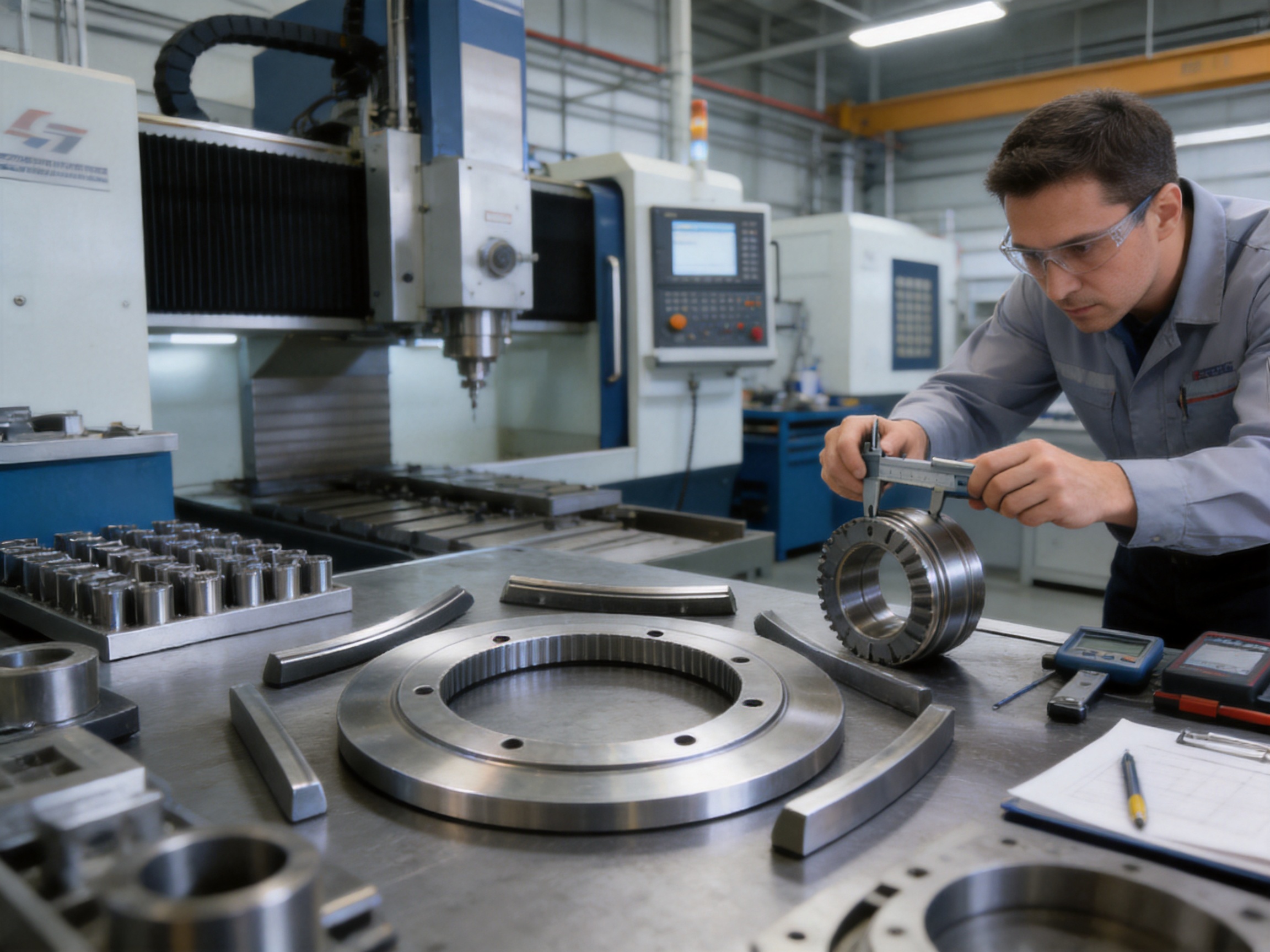
Zhejiang Golden Eagle Food Machinery Co., Ltd. has a history dating back to 1978. Over more than 46 years of development and continuous innovation, it has built a product range covering can-making machinery and can-making molds with complete varieties and classic quality. This background is important because a conversion press seaming roller die benefits from knowledge accumulated across many related machines and processes.
The company’s product categories include food and beverage can making machines, tin can lid end making machines, duplex slitter cutting machines, milk powder can making machines, easy-open end lids making machines, tin can auto-welding machines, aerosol cone and dome making systems, chemical tank making machines, automatic feeding machines, aerosol can making machines, two-piece can making machines, and molds. Such a wide product scope indicates a broad understanding of metal packaging production from raw material preparation to final forming.
The company has produced more than 10,000 pieces of can and can-lid equipment. This production record supports deep familiarity with industrial requirements. Each machine or mold produced contributes to manufacturing knowledge, quality improvement, and understanding of customer needs.
The company’s equipment has been used in many can manufacturers and canning factories. Recognition from users is important because can-making equipment must prove itself in practical operation. A machine or mold that performs well only in theory is not enough; it must deliver stable results under factory conditions, shift after shift.
International exports further demonstrate practical adaptability. Products have reached markets including Germany, Italy, the United Kingdom, Spain, Hungary, Russia, Australia, Jordan, Malaysia, the Philippines, Pakistan, Egypt, Algeria, Turkey, Mexico, Nigeria, Iran, and other countries. Serving such diverse markets requires attention to different standards, materials, production habits, and customer expectations.
The company’s design philosophy combines advanced international machinery concepts with long-term practical experience. Reference to principles similar to those of well-known industry names such as KRUPP, SOUDRONIC, and ALFONS-HAAR suggests attention to proven engineering methods. At the same time, the company emphasizes continuous innovation through actual production practice.
In mold products such as the Conversion Press Seaming Roller Die, continuous improvement may involve refining profile design, improving surface treatment, optimizing heat-treatment processes, enhancing inspection methods, and improving compatibility with customer equipment. Even small improvements can create meaningful benefits in high-volume production.
For example, a slight improvement in profile accuracy may reduce the rate of end defects. A better surface finish may reduce coating damage. Improved hardness control may extend die life. Better installation guidance may reduce setup time. Each improvement adds value for the customer.
Continuous improvement also means responding to market changes. Can manufacturers face pressure to improve productivity, reduce material usage, meet safety standards, and support sustainable packaging. Tooling suppliers must keep pace by delivering components that help customers achieve these goals.
In a complete can production line, large machines often receive the most attention. However, molds and tooling determine many of the final product’s critical dimensions. A machine provides motion and force, but the die defines the shape. Therefore, mold quality is inseparable from line quality.
A high-speed production line equipped with poor tooling will not produce stable results. Conversely, a well-designed mold can help an existing machine perform better. The Conversion Press Seaming Roller Die is one of those components that can significantly influence the reliability of the final package.
Mold quality affects four major areas: product quality, machine efficiency, maintenance cost, and customer confidence. Product quality improves when the die creates accurate and repeatable shapes. Machine efficiency improves when tooling runs smoothly and needs fewer adjustments. Maintenance cost decreases when tooling lasts longer and protects related components. Customer confidence grows when production results are stable and predictable.
For can manufacturers, mold selection should not be based only on initial purchase price. A lower-cost die may become expensive if it causes high scrap, frequent downtime, poor seam quality, or customer complaints. A precision die with stronger manufacturing support can deliver better total value over its service life.
Different customers may value the Conversion Press Seaming Roller Die for different reasons. A large food can factory may prioritize stable high-volume output and reduced leakage risk. A beverage can producer may focus on high-speed compatibility and pressure-resistant package quality. An aerosol can manufacturer may emphasize safety and precise end geometry. A smaller can maker may need dependable tooling and technical support to improve production consistency.
For OEM and ODM production line buyers, the die can be part of a broader equipment solution. The company offers tin and tinplate can production lines and related machinery, so customers can coordinate tooling with machine design. This can simplify procurement and reduce compatibility concerns.
For factories replacing worn tooling, the product offers a path to restore original forming performance or improve upon previous tooling quality. Replacement tooling must be accurate, durable, and compatible with the existing press. A supplier with machining experience and process knowledge can help customers identify the proper specifications.
For manufacturers expanding into new product sizes or can types, precision mold components are necessary for development. The roller die can be designed or supplied according to production requirements, supporting adaptation to specific can-end dimensions and profiles.
Even the best tooling requires correct installation and commissioning. The company provides after-sales service including installation, commissioning, technical guidance, operation training, and fast supply of parts. These services are valuable because they help customers achieve stable production more quickly.
During installation, alignment and correct positioning are essential. The roller die must interact properly with other tooling elements and machine structures. Incorrect installation can cause uneven forming, excessive wear, vibration, or dimensional instability. Technical guidance helps reduce these risks.
Commissioning allows the production team to test the die under controlled conditions and adjust parameters such as pressure, speed, lubrication, and feed accuracy. Proper commissioning helps ensure that the die reaches its intended performance level before full production begins.
Operation training is also important. Operators who understand tooling care, inspection points, lubrication practices, and signs of wear can maintain better production conditions. This reduces accidental damage and supports longer die life.
Parts supply is another important service. In continuous production, delays in replacement parts can be costly. A supplier that responds quickly helps customers maintain production schedules and reduce inventory pressure.
To obtain the best performance from a Conversion Press Seaming Roller Die, customers should follow disciplined maintenance practices. Proper maintenance helps preserve dimensional accuracy, surface finish, and rotation stability.
Regular inspection should be performed to check for wear, scratches, chipping, deformation, or abnormal surface marks. Early detection of wear allows corrective action before defects increase. Inspection frequency should be based on production volume, material type, press speed, and quality requirements.
Lubrication should be controlled according to machine and tooling requirements. Proper lubrication reduces friction, heat, and wear. Insufficient lubrication may cause scoring or accelerated surface damage, while excessive or unsuitable lubrication may affect product cleanliness or process stability.
Cleaning is also important. Metal particles, coating residue, dust, and lubricant buildup can interfere with smooth forming. The die should be kept clean using appropriate methods that do not damage the surface.
Operators should avoid unnecessary impact during handling and installation. Precision tooling can be damaged by dropping, knocking, or improper storage. Protective packaging and careful handling help maintain accuracy before and after installation.
When the die reaches the end of its service life, timely replacement is recommended. Using severely worn tooling can create hidden production problems and may damage other machine parts. A planned replacement schedule is often more economical than emergency replacement after failure.
Packaging safety is a central concern in food, beverage, aerosol, and chemical container production. A can end must remain securely attached to the can body and maintain its sealing function throughout the product life cycle. The Conversion Press Seaming Roller Die contributes to safety by supporting accurate end geometry before final seaming.
In food cans, a poor seam may allow microorganisms to enter, creating spoilage or food safety risks. In beverage cans, seam failure may cause leakage, pressure loss, or package deformation. In aerosol cans, weak end formation can be dangerous because internal pressure may be significant. In chemical containers, leakage can lead to environmental and handling hazards.
By helping produce consistent end profiles, the die supports reliable double-seam formation and improved container integrity. It is one part of a larger quality system, but it is a critical part. Reliable tooling helps manufacturers meet safety expectations and protect their reputation.
Cost control and sustainability are closely connected in modern manufacturing. Reducing scrap saves material, energy, labor, and waste disposal cost. Extending tooling life reduces the need for frequent replacement and lowers resource consumption. Improving forming accuracy supports the use of optimized material thickness, which can reduce metal consumption across large production volumes.
The Conversion Press Seaming Roller Die contributes to these goals through stable performance and durable construction. When fewer ends are rejected, less tinplate is wasted. When tooling lasts longer, fewer replacement parts are produced and shipped. When production lines run smoothly, energy and labor are used more efficiently.
Metal packaging already has an advantage because steel and aluminum are recyclable materials. However, sustainability also depends on efficient production. Precision tooling helps manufacturers make better use of raw materials and reduce avoidable waste.
The company’s ISO14001 environmental management certification further supports responsible manufacturing practices. For customers with sustainability goals, choosing suppliers with environmental management systems can be part of a broader responsible sourcing strategy.
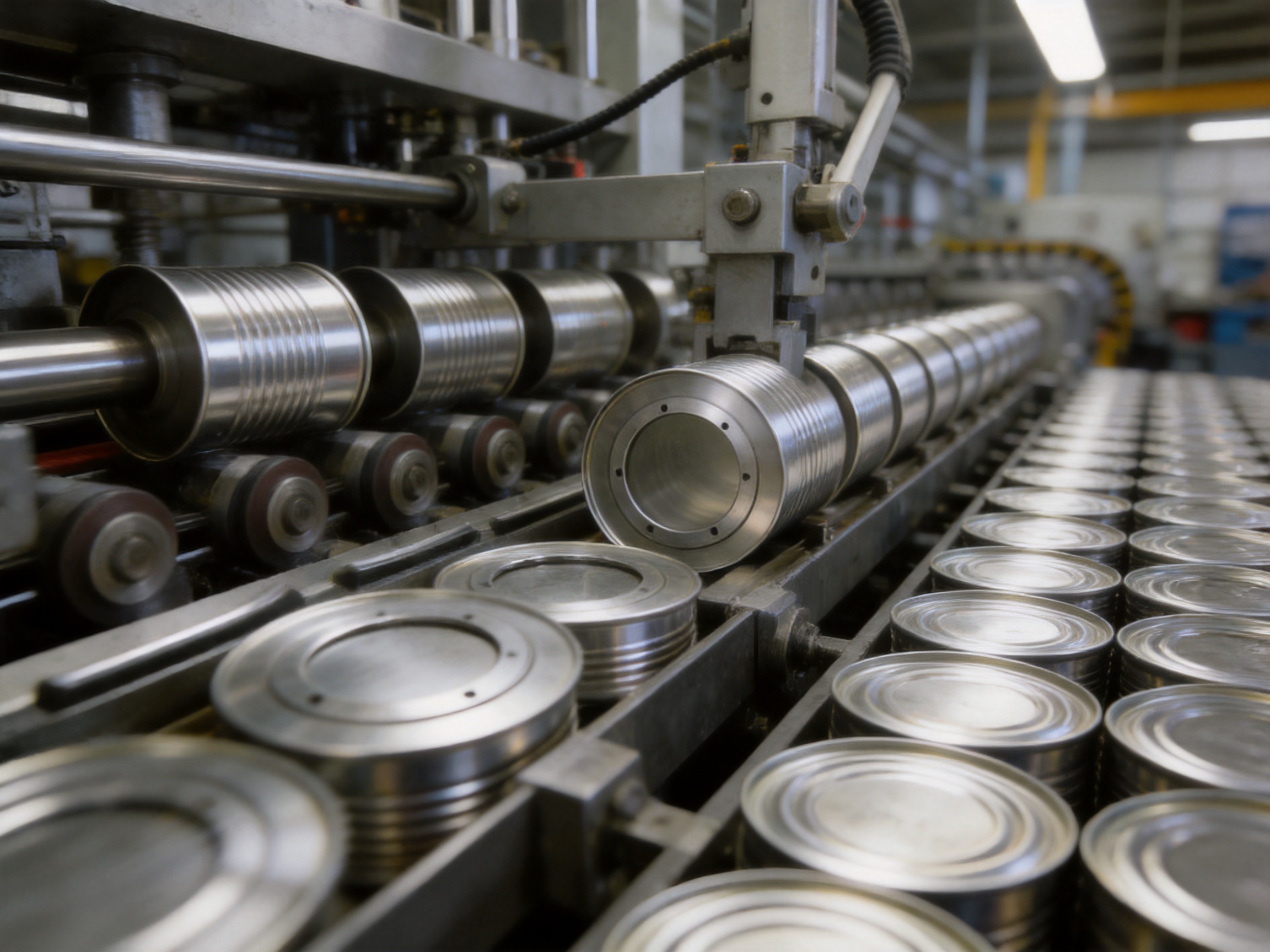
It is a precision mold component used in can-end manufacturing to help form the seaming-related profile of a can end. It supports accurate geometry, stable production, and reliable downstream seaming performance.
The die influences the shape and consistency of the can end. If the end profile is inaccurate, the final double seam may be weak, uneven, or prone to leakage. A high-quality roller die helps improve package integrity and production stability.
It can be relevant to food can, beverage can, milk powder can, aerosol can, chemical container, easy-open end, and other tinplate can-end production applications, depending on the press and tooling requirements.
It is supported by advanced CNC machining, extensive can-making machinery experience, controlled quality management, and practical knowledge of full production lines. These advantages help improve dimensional accuracy, surface quality, durability, and service support.
Yes. By forming can ends more consistently, it can reduce defects related to improper profile, uneven edges, scratches, and dimensional instability. Lower scrap improves material efficiency and production cost control.
Yes. The company provides after-sales services including installation, commissioning, technical guidance, operation training, and parts supply. This support helps customers achieve better production performance.
Service life depends on material quality, heat treatment, machining precision, surface finish, lubrication, press alignment, production speed, material type, and maintenance practices. Proper installation and regular inspection can significantly extend service life.
A precision-manufactured die is designed to support stable forming in industrial production environments. Actual speed compatibility depends on the conversion press, material specification, tooling setup, and production conditions.
A supplier experienced in complete can-making systems understands how tooling interacts with machinery, materials, and downstream processes. This knowledge helps produce dies that are more practical, compatible, and reliable in real production.
The Conversion Press Seaming Roller Die is a critical mold component for can-end manufacturing. Its value lies in its ability to support precise forming, consistent end geometry, stable production, reduced scrap, and dependable sealing performance. In metal packaging, where small dimensional differences can create major quality consequences, the importance of precision tooling cannot be overstated.
Compared with ordinary roller dies, a high-quality conversion press seaming roller die offers stronger dimensional consistency, better surface finish, longer service life, improved compatibility with production lines, and greater total operating value. It helps manufacturers reduce downtime, improve product quality, support packaging safety, and control production costs.
The product is backed by the manufacturing strength of Zhejiang Golden Eagle Food Machinery Co., Ltd., a company established in 1978 with long experience in can-making machinery and molds. With more than 350 well-trained personnel, advanced CNC high-precision machining equipment, complete mechanical processing capability, ISO9001 and ISO14001 certifications, and extensive international market experience, the company provides not only tooling but also technical confidence.
For can manufacturers seeking reliable mold components for food cans, beverage cans, milk powder cans, aerosol cans, chemical tanks, easy-open ends, and other metal packaging applications, the Conversion Press Seaming Roller Die represents a practical investment in precision, productivity, and long-term quality.
1. Soroka, W. Fundamentals of Packaging Technology. Institute of Packaging Professionals.
2. Yam, K. L. The Wiley Encyclopedia of Packaging Technology. John Wiley & Sons.
3. Page, B., Edwards, M., and May, N. Metal Packaging: An Introduction. Woodhead Publishing.
4. Robertson, G. L. Food Packaging: Principles and Practice. CRC Press.
5. ISO 9001 Quality Management Systems: Requirements. International Organization for Standardization.
6. ISO 14001 Environmental Management Systems: Requirements with Guidance for Use. International Organization for Standardization.
7. The Canmaker Magazine. Technical Articles on Can-End Manufacturing and Metal Packaging Production.
Related Products

Founded in 1978, the company is one of the largest can-making machinery well-known companies at home and abroad.
Product Categories
Contact Information
Zhongshatou Shenjiamen Zhoushan Zhejiang China
+86-580-3056646

 English
 中文简体
中文简体
 русский
 عربى
عربى
 Español