2026-06-27
In modern three-piece can manufacturing, the can body welder is one of the most decisive machines in the entire production line. It determines the stability of the side seam, the consistency of the can body, the downstream forming quality, and the final reliability of the package. The 500 cpm GT10C-500 Automatic Can Body Welder is designed for high-speed tinplate can production where output, precision, and repeatable welding quality are essential. With a rated capacity of 500 cans per minute and a welding speed range of 25 to 70 meters per minute, this machine is positioned for manufacturers that need to increase capacity while maintaining strong control over seam quality.
The machine is intended for automatic seam welding of tin can bodies. It supports can diameters from Φ52 mm to Φ180 mm, can heights from H70 mm to H320 mm, and sheet thicknesses from 0.16 mm to 0.30 mm. This operating window makes it suitable for a wide range of food cans, milk powder cans, chemical cans, and other cylindrical tinplate containers within the supported dimensions. Its 0.3 mm to 0.4 mm lap range and Φ1.38 mm to Φ1.5 mm copper wire diameter compatibility reflect a configuration developed for stable, repeatable resistance seam welding in continuous industrial operation.
Behind the machine is a manufacturer with long experience in can-making machinery and can-making molds. Established in 1978, Zhejiang Golden Eagle Food Machinery Co., Ltd. has built its capability through decades of specialization in complete can production lines, lid lines, chemical tank lines, aerosol canister lines, two-piece can lines, and related molds. The company integrates experienced engineering design, CNC high-precision machining, mechanical processing, quality management, environmental management, installation support, commissioning, training, and spare parts service. These strengths are important because a can body welder is not simply a single machine; it is a precision production asset that must be engineered, manufactured, installed, and supported as part of a complete manufacturing system.
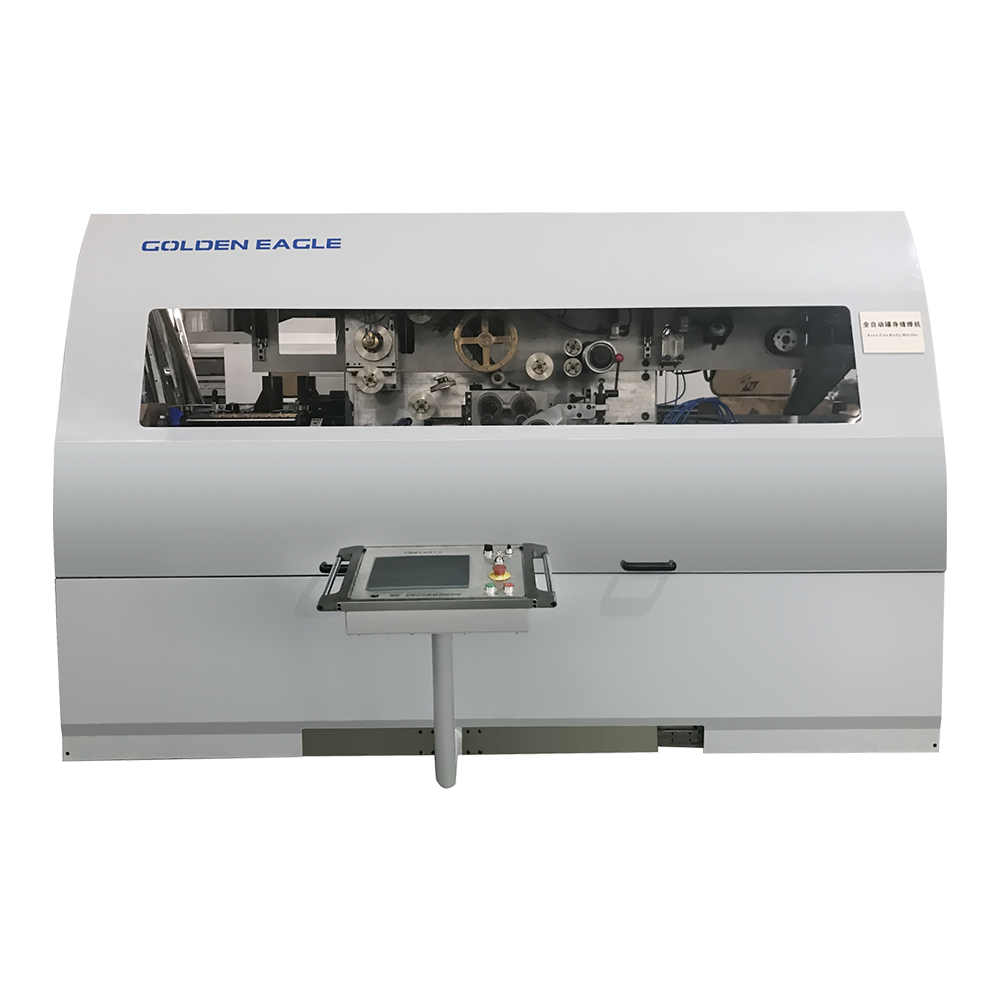
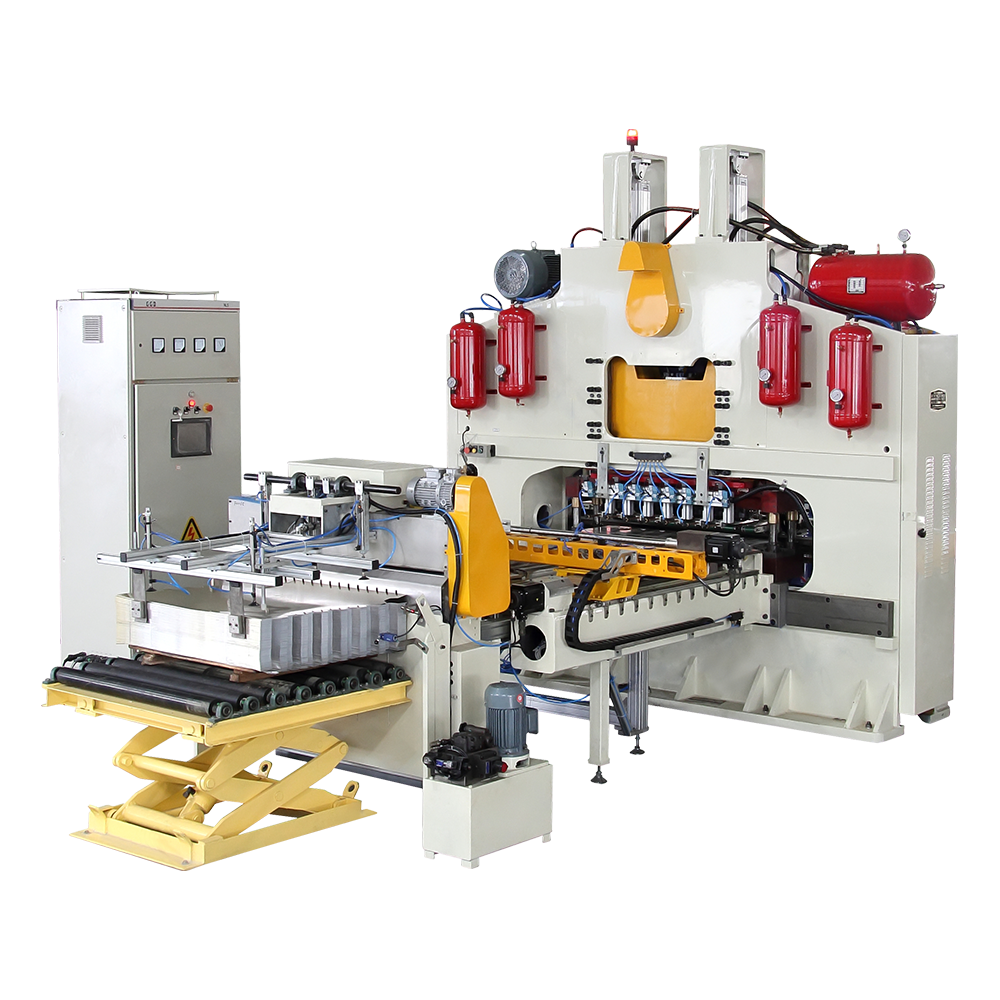
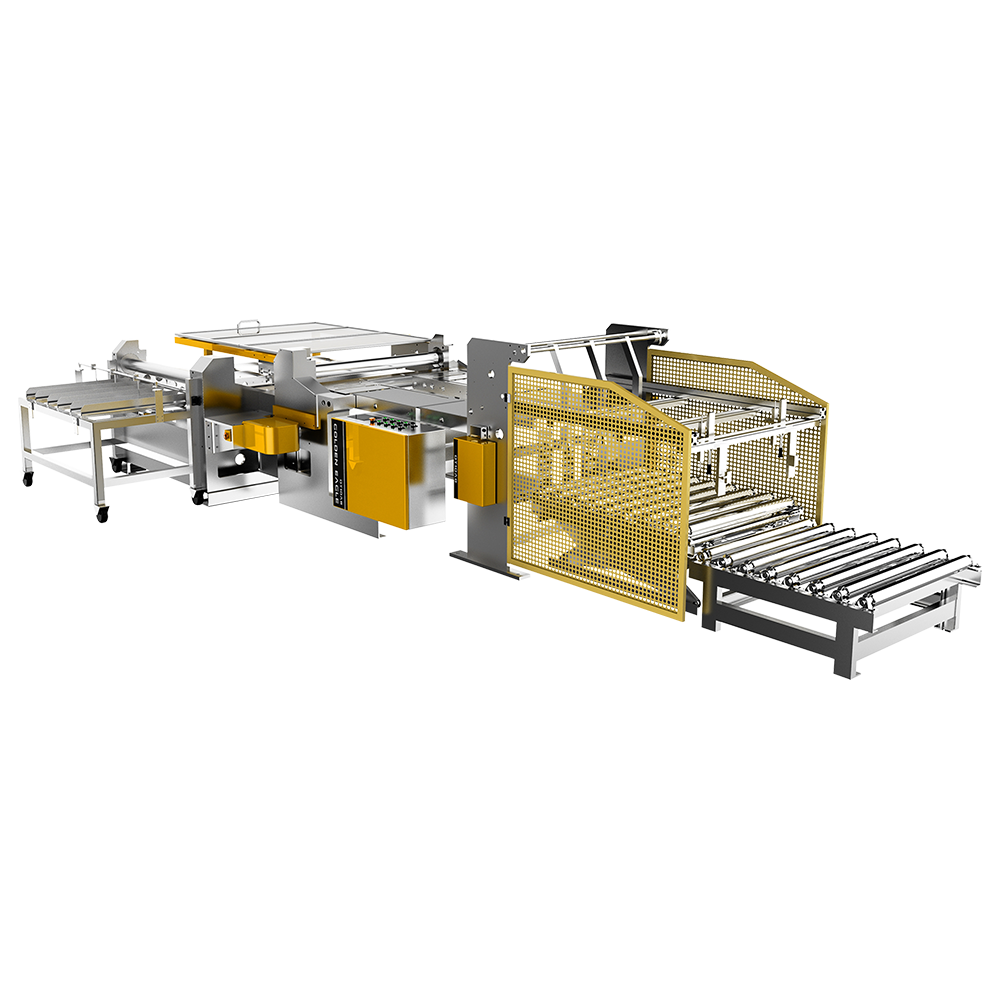
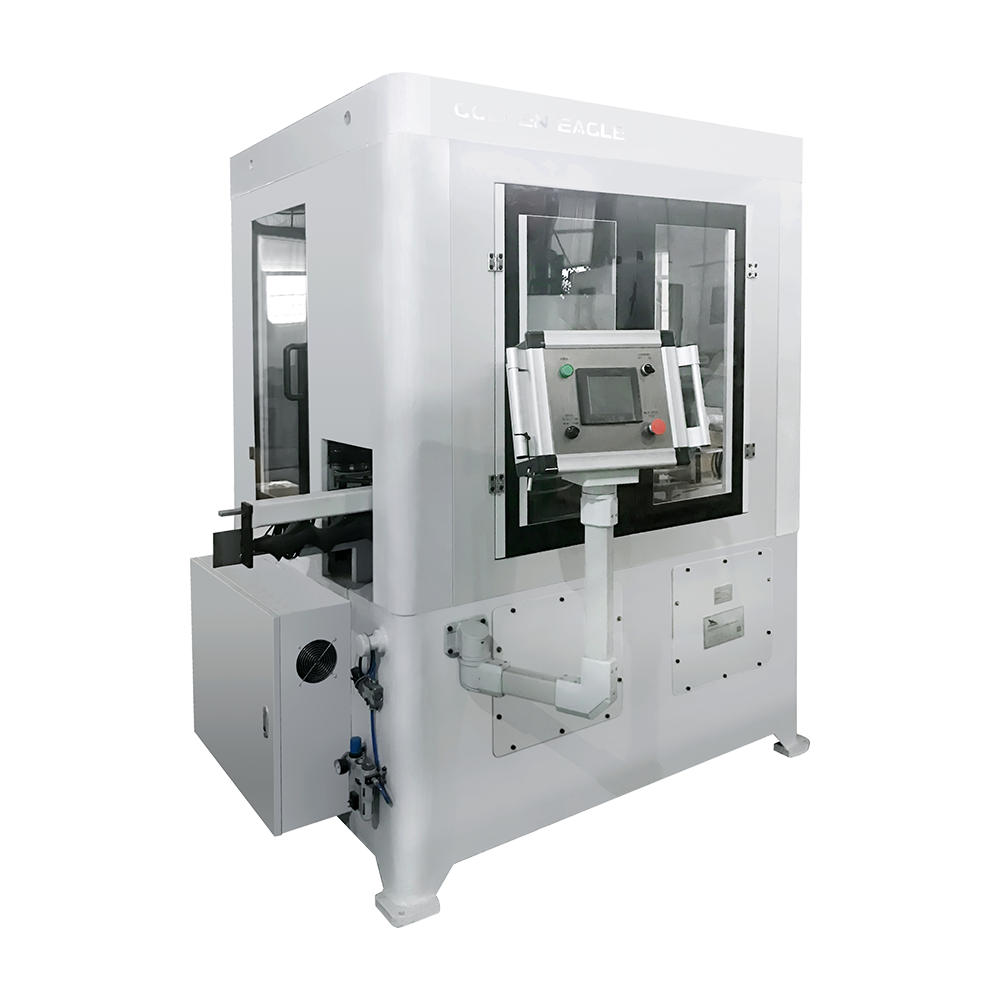
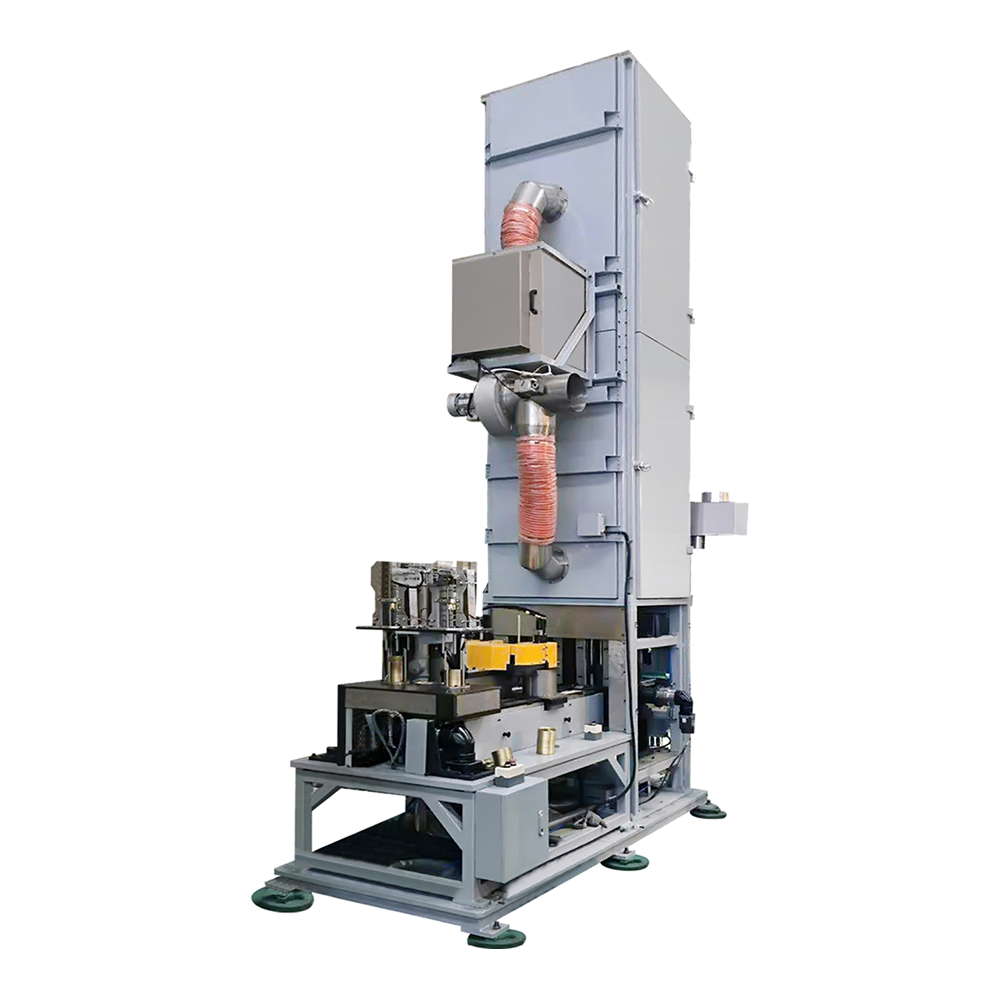
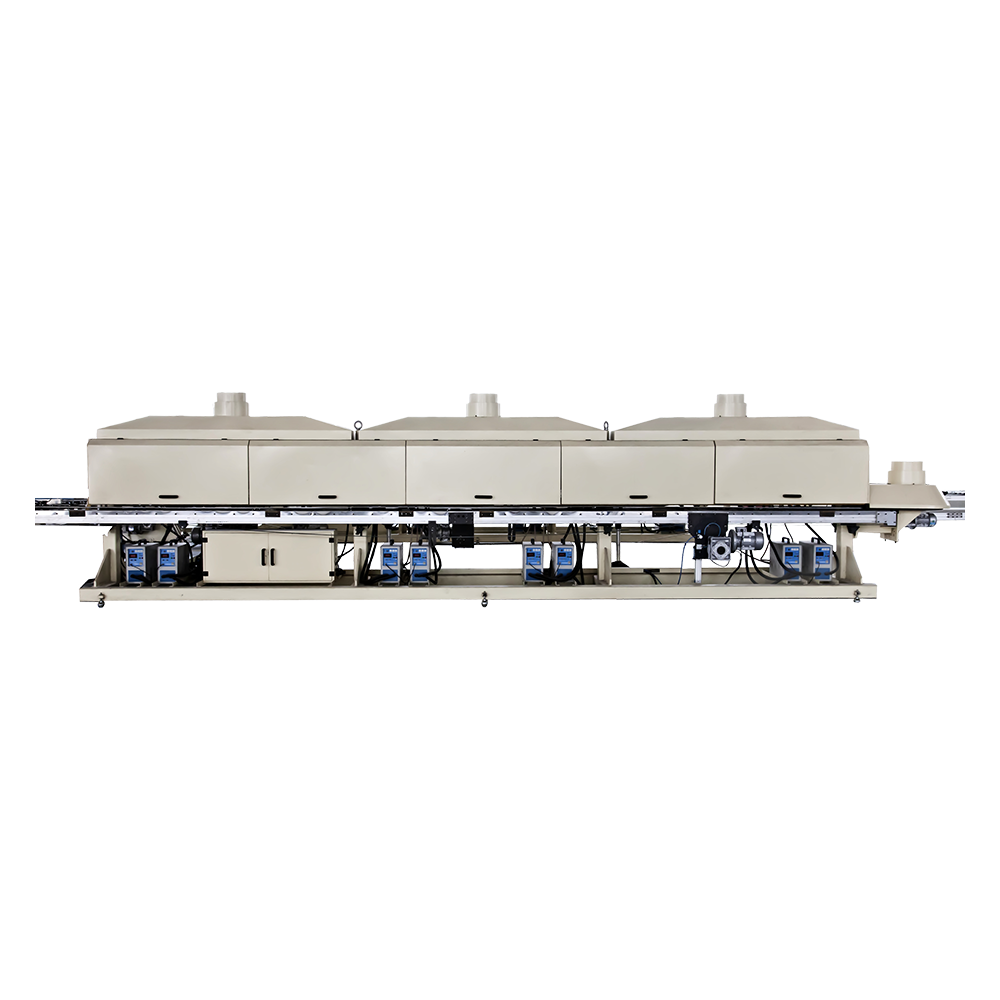
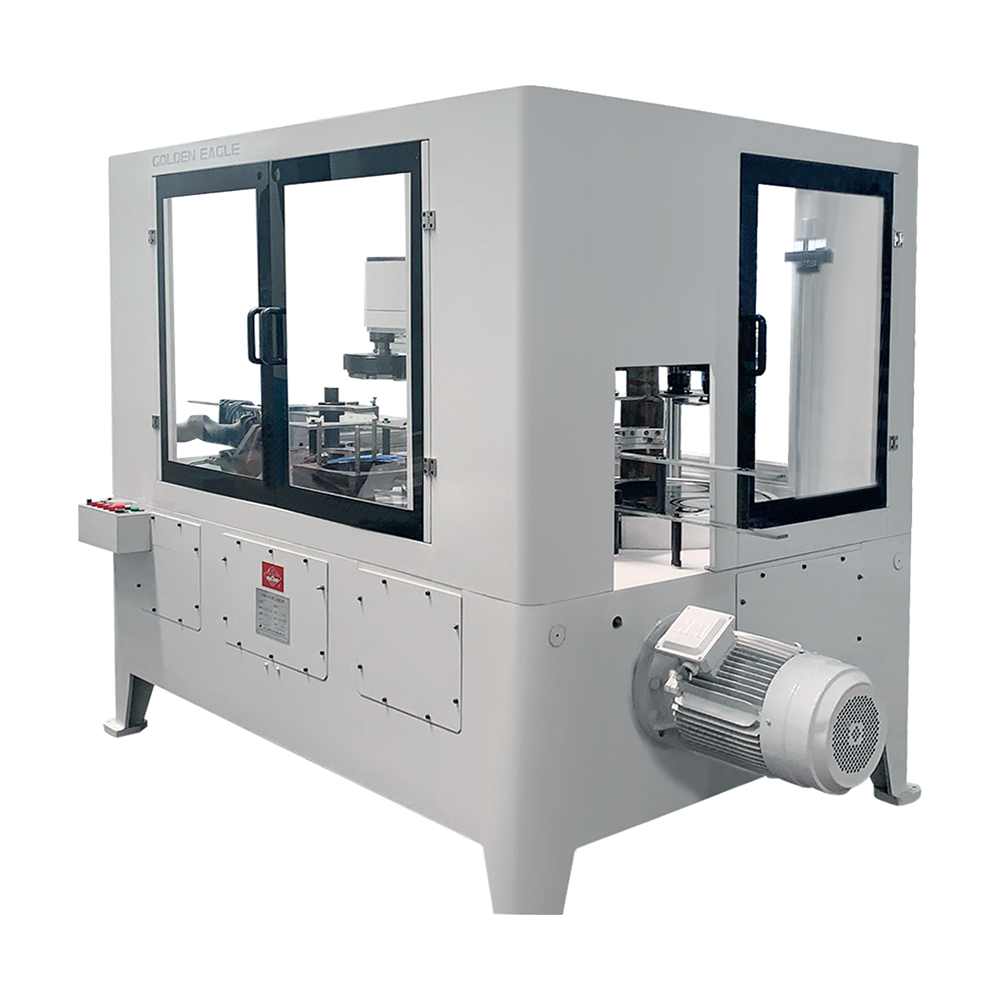
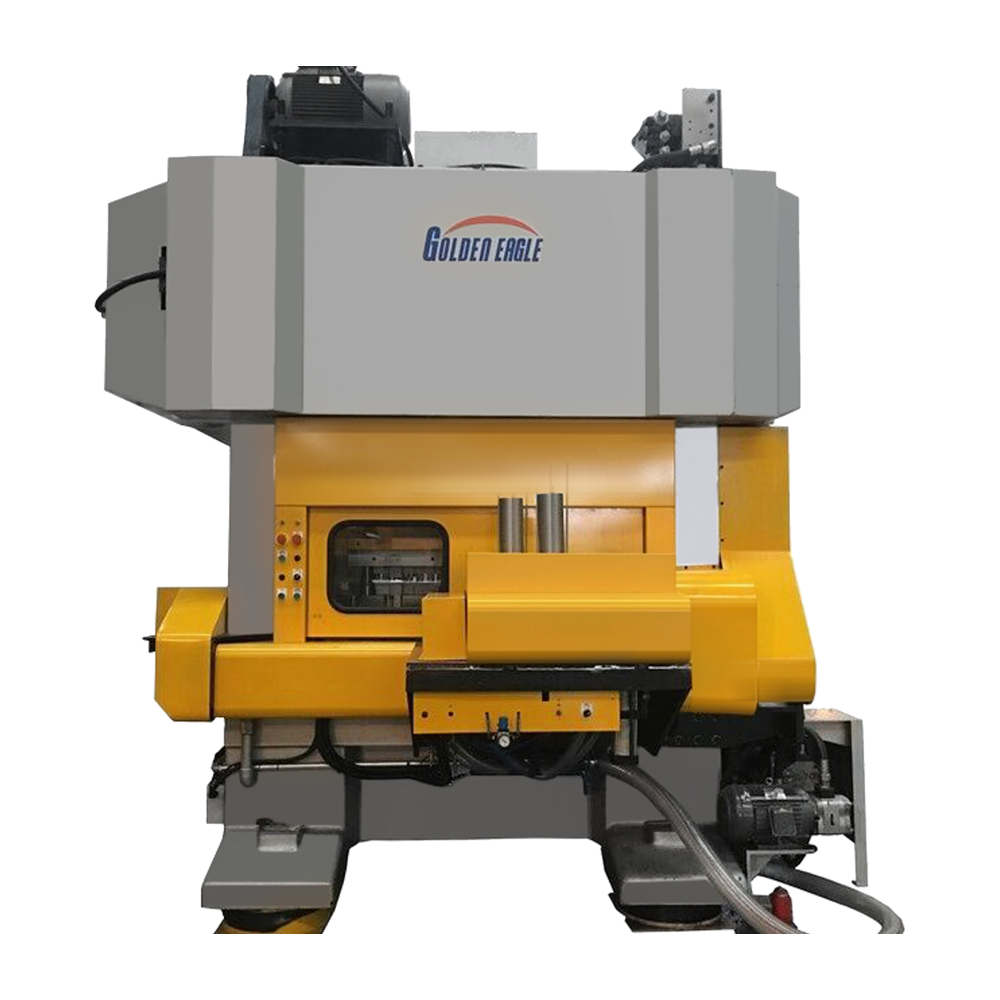
500cpm GT10C-500 Automatic can body welder Machine
A three-piece can is typically formed from a tinplate sheet that is cut, rounded, welded into a cylinder, flanged, beaded if required, and seamed with ends. Among these steps, side seam welding has a special role. If the weld seam is unstable, too wide, too weak, overheated, underheated, misaligned, or inconsistent, later processes may suffer. Flanging may crack the seam area, powder coating or side stripe protection may not adhere properly, cans may leak under pressure or sterilization, and production losses may increase.
For high-volume can makers, the welder must do more than make a seam. It must maintain a consistent lap, guide the body blank accurately, control welding current and pressure, manage copper wire consumption, sustain high speed, and synchronize with upstream and downstream handling equipment. The GT10C-500 is designed for automatic operation, which reduces dependency on manual handling and helps build a more stable production rhythm. In a line where every interruption can affect thousands of cans per hour, automation is a major advantage.
The specified output capacity of 500 cans per minute is especially meaningful for manufacturers that operate large-scale food or general can production. At this capacity, the welder can support demanding production schedules and help reduce unit production cost by spreading labor, energy, and fixed machine investment over a greater number of finished cans. The 70 meters per minute maximum welding speed also places the machine in a high-speed category suitable for plants that need continuous industrial productivity.
Compared with lower-capacity machines, a 500 cpm welder gives can manufacturers greater flexibility in production planning. A factory can meet peak seasonal demand, support multiple customer orders, or run longer batches with fewer production hours. This can be particularly valuable for food packaging manufacturers serving brands that require reliable delivery windows, consistent quality, and traceable production control.
The 500 cpm GT10C-500 Automatic Can Body Welder is part of a series that includes models with different capacities, such as 150 cpm, 300 cpm, 500 cpm, and 650 cpm configurations. The 500 cpm model occupies a balanced position between broad can-size versatility and high throughput. It offers a wider diameter range than the narrow high-speed small-can configuration while still delivering substantial speed. For many can makers, this balance is more useful than maximum speed alone because production often requires different can formats.
The machine is specified for automatic seam welding. Its typical applications include tin can body production where cylindrical bodies must be welded from tinplate sheets. The can size range is practical for a wide spectrum of common industrial packages. The ability to process can heights up to 320 mm makes it relevant for taller containers, while the minimum diameter of Φ52 mm allows small can production within the supported range.
Its total power is listed as 50 kW, with a machine weight of 5000 kg and an approximate dimension of 4650 mm × 2300 mm × 2500 mm. These values reflect a robust industrial machine rather than a light-duty unit. In high-speed seam welding, machine mass, rigidity, and mechanical stability are important because they help reduce vibration, maintain alignment, and support smooth running at high production rates.
| Item | Specification |
| Model | GT10C-500 |
| Operation | Automatic |
| Application | Seam welding for tin can bodies |
| Output capacity | 500 cans per minute |
| Welding speed | 25 to 70 meters per minute |
| Can diameter range | Φ52 mm to Φ180 mm |
| Can height range | H70 mm to H320 mm |
| Sheet thickness | 0.16 mm to 0.30 mm |
| Lap range | 0.3 mm to 0.4 mm |
| Copper wire diameter | Φ1.38 mm to Φ1.5 mm |
| Total power | 50 kW |
| Machine weight | 5000 kg |
| Machine dimensions | 4650 mm × 2300 mm × 2500 mm |
The most visible advantage of this welder is its rated output capacity of 500 cans per minute. Many factories still rely on lower-speed welding systems that limit the throughput of the whole line. When the welder becomes the bottleneck, other machines may be forced to operate below their potential. A 500 cpm automatic welder helps align the welding stage with modern high-capacity rounding, flanging, seaming, and transfer systems.
Another competitive advantage is the combination of speed and can-size versatility. Some high-speed welders are optimized for a narrow product range, while some versatile machines operate at lower speeds. The GT10C-500 covers diameters from Φ52 mm to Φ180 mm and heights from H70 mm to H320 mm, giving manufacturers the ability to handle different can formats without investing in separate specialized welders for each size category. This is valuable for contract can makers and packaging plants that serve several markets.
The 0.3 mm to 0.4 mm lap range supports economical material usage and controlled seam formation. A stable, narrow lap helps reduce excess overlap while maintaining adequate welding contact. In can production, small material savings can become significant across millions of cans. At the same time, controlled lap consistency helps improve seam appearance, dimensional accuracy, and downstream process stability.
The machine’s compatibility with Φ1.38 mm to Φ1.5 mm copper wire supports common industrial welding practice for resistance seam welding. Copper wire is a key consumable in this process because it transfers current and protects the welding wheel surface. A stable copper wire system contributes to consistent current flow, reliable heat generation, and lower risk of seam defects.
Automatic operation is another important benefit. Manual or semi-automatic operations can introduce variation due to operator fatigue, inconsistent feeding, or unstable handling. Automatic welding reduces these risks and allows operators to focus more on monitoring, adjustment, inspection, and production management. In high-speed packaging production, this shift from manual handling to controlled automation is essential for repeatable quality.
Machine structure also matters. A 5000 kg industrial body provides a stable foundation for high-speed operation. At 500 cpm, even small mechanical vibrations can create alignment errors or seam instability. A rigid machine frame and precision-built mechanical components are necessary to keep the welding path consistent. Compared with lighter equipment, a robust structure can provide better long-term running stability and durability.
The broader advantage is the manufacturer’s ability to supply not only one machine but whole-set can-making solutions. This matters because a welder must work with cutting, rounding, conveying, flanging, beading, seaming, coating, curing, testing, and feeding equipment. A supplier that understands complete production lines can better match machine speed, layout, tooling, and control logic. This reduces the risk that the welder performs well independently but fails to integrate smoothly into the full plant process.
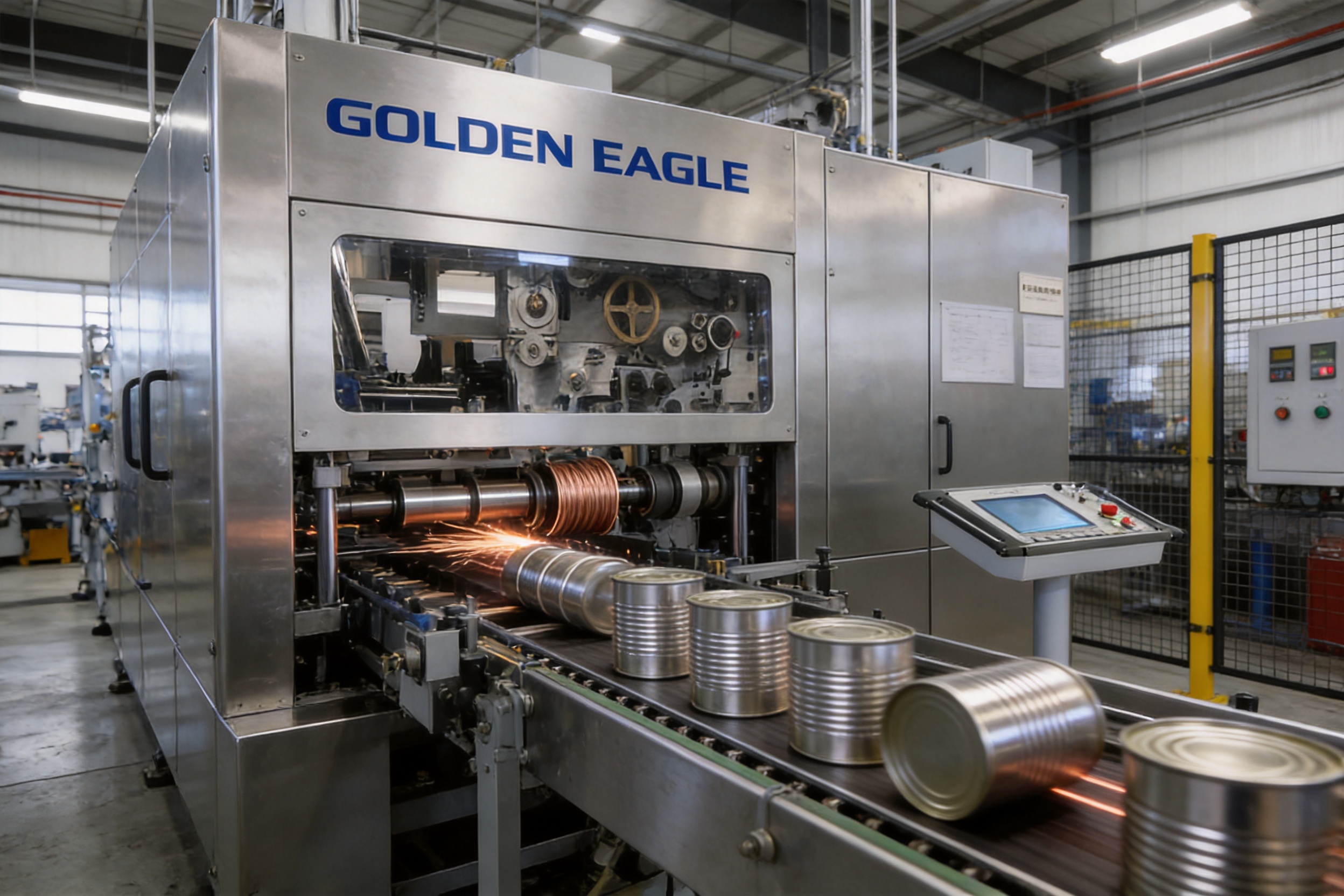
The GT10C series includes several output levels, allowing manufacturers to choose according to capacity requirements, can dimensions, sheet thickness, and production strategy. The 500 cpm model is particularly suitable for plants that require high productivity but still need a relatively broad can diameter and height range.
| Model | GT10C-150 | GT10C-300 | GT10C-500 | GT10C-650 |
| Output capacity | 150 cpm | 300 cpm | 500 cpm | 650 cpm |
| Welding speed | 6 to 18 m/min | 15 to 40 m/min | 25 to 70 m/min | 85 m/min |
| Lap | 0.4 mm | 0.3 to 0.4 mm | 0.3 to 0.4 mm | 0.3 to 0.4 mm |
| Copper wire diameter | Φ1.38 to Φ1.5 mm | Φ1.38 to Φ1.5 mm | Φ1.38 to Φ1.5 mm | Φ1.38 mm |
| Can diameter | Φ52 to Φ180 mm | Φ52 to Φ153 mm | Φ52 to Φ180 mm | Φ52 to Φ73 mm |
| Can height | H70 to H240 mm | H70 to H320 mm | H70 to H320 mm | H70 to H150 mm |
| Sheet thickness | 0.16 to 0.30 mm | 0.16 to 0.30 mm | 0.16 to 0.30 mm | 0.16 to 0.22 mm |
| Total power | 30 kW | 35 kW | 50 kW | 50 kW |
| Machine weight | 1800 kg | 5000 kg | 5000 kg | 5000 kg |
| Dimension | 2000 × 1900 × 1400 mm | 4650 × 2300 × 2500 mm | 4650 × 2300 × 2500 mm | 4650 × 2300 × 2500 mm |
The 150 cpm model can be attractive for smaller factories or lower-volume production. The 300 cpm model offers a mid-level speed and tall-can capability. The 650 cpm model targets very high-speed production for a narrower diameter range, especially smaller cans. The 500 cpm model stands out because it offers both high output and a wide diameter range up to Φ180 mm. This makes it a strong choice for manufacturers that do not want to sacrifice flexibility for speed.
In purchasing decisions, the best machine is not always the fastest. The best machine is the one that matches the factory’s can portfolio, market demand, future expansion plans, and available upstream and downstream equipment. For a plant producing multiple can sizes, the 500 cpm model can provide a more adaptable investment. It can serve higher-volume orders while allowing the factory to respond to changes in product mix.
Seam quality is the central performance requirement for any can body welder. A good seam must be mechanically strong, dimensionally consistent, and compatible with internal and external coating or protection processes. For food cans, the seam must also support product safety through sterilization, storage, transport, and consumer handling. For chemical cans, the seam must withstand the demands of filling, sealing, and distribution while maintaining container integrity.
The GT10C-500 uses resistance seam welding principles, where heat is generated through electrical resistance at the overlapping tinplate surfaces. The copper wire functions as an intermediate conductive medium. Proper welding requires the correct relationship among current, pressure, speed, overlap, material thickness, and surface condition. If these factors are controlled well, the seam becomes continuous and reliable.
High-speed welding places special demands on process stability. At 500 cans per minute, there is little tolerance for intermittent feeding or inconsistent blank positioning. The lap must remain stable from the beginning of the body to the end, and the welding current must match the speed and sheet thickness. The specified lap range of 0.3 mm to 0.4 mm supports controlled seam geometry, while the sheet thickness range of 0.16 mm to 0.30 mm covers common tinplate gauges used in many can applications.
Compared with less advanced systems, the advantage of a well-engineered automatic welder is not only that it can reach high speed, but that it can repeat the same seam conditions over long production runs. This consistency reduces scrap, lowers rework, improves downstream forming, and contributes to more predictable quality control results. For plants operating under customer audits or internal quality systems, repeatability is often as important as nominal speed.
A high-speed can body welder requires precision manufacturing. The frame, welding arms, transfer mechanisms, guides, rollers, tooling interfaces, copper wire path, and adjustment points must be produced accurately. Zhejiang Golden Eagle Food Machinery Co., Ltd. has developed manufacturing strength through more than four decades of specialization in can-making equipment and molds. This long history is relevant because can-making technology depends heavily on accumulated practical experience.
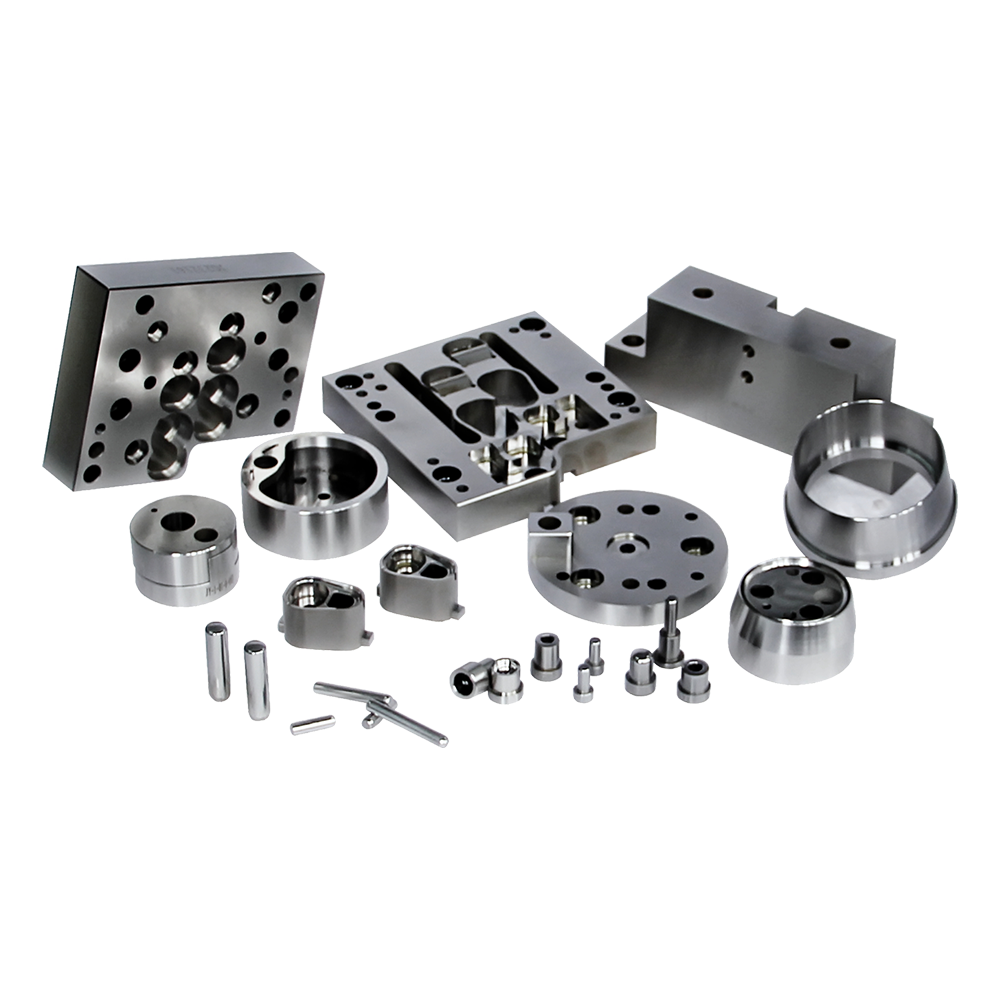
The company uses CNC high-precision machining equipment and complete mechanical machining equipment. CNC machining supports accurate dimensions, repeatability, surface quality, and component interchangeability. In a welder, precision-machined parts help maintain alignment between blank edges, welding wheels, copper wire, and can body movement. Accurate machining also improves assembly quality and can reduce the need for excessive adjustment during installation.
The manufacturer’s design principles are influenced by established international can-making machinery concepts while being improved through practical production experience. This combination matters. Imported design concepts can provide a strong technical reference, but real-world improvement requires feedback from factories, maintenance teams, operators, and engineers. Through many years of production practice, the company has continuously upgraded machinery to better meet industrial conditions.
The manufacturer has produced more than 10,000 pieces of can and can lid equipment. This production volume indicates broad field experience across different users, can sizes, and market requirements. Every delivered machine provides feedback about durability, maintainability, changeover, spare parts, and production stability. Such experience strengthens future machine design and helps avoid common weaknesses seen in less mature equipment.
The company has been certified to ISO9001 quality management and ISO14001 environmental management systems. ISO9001 supports structured quality control in design, purchasing, manufacturing, assembly, inspection, and service. ISO14001 reflects attention to environmental management in manufacturing activities. For buyers, these certifications help demonstrate that the supplier operates under organized management systems rather than relying only on informal workshop practice.
The company’s engineering team includes experienced design and development personnel, including professional engineers. This is essential for a machine such as the GT10C-500 because a high-speed welder combines mechanical engineering, electrical control, welding technology, production ergonomics, and line integration. The best results come when these disciplines are considered together rather than separately.
For example, the mechanical design must provide rigidity and accurate motion. The electrical system must support stable welding energy and responsive control. The feeding and guiding systems must protect can body geometry at high speed. Adjustment mechanisms must allow practical setup for different can sizes. Maintenance access must be considered so that operators can clean, inspect, and replace wear parts efficiently.
Long-term product development also helps a manufacturer understand what customers value in daily operation. Buyers often compare machines by speed and price, but operators evaluate machines by ease of setup, stability after adjustment, downtime frequency, spare parts availability, and the ability to keep producing during demanding shifts. A manufacturer with decades of field experience is better positioned to design equipment that performs well beyond the sales specification sheet.
The GT10C-500 is not an isolated production device. It is typically integrated into a complete can body line. Upstream processes may include sheet cutting, slitting, blank feeding, and body forming. Downstream processes may include side seam protection, curing, flanging, necking, beading, seaming, testing, packing, or connection to filling operations depending on the application.
The manufacturer supplies whole-set series products including food can production lines, beverage can production lines, can lid production lines, chemical tank production lines, aerosol canister production lines, two-piece can production lines, and pop can production lines. This broad product scope is advantageous because line-level performance depends on the compatibility of machines. When the supplier understands multiple stages, it can better recommend speed matching, machine layout, transfer height, feeding mode, and tooling strategy.
For a buyer planning a new factory, complete-line capability reduces coordination complexity. Instead of sourcing every machine from unrelated suppliers, a manufacturer can work with a supplier that understands the overall production sequence. For a buyer upgrading an existing line, the supplier’s broad experience can help identify whether the welder, feeding system, cutter, or downstream equipment will become the next bottleneck after installation.
In high-speed production, line balance is crucial. If the welder can produce 500 cans per minute but the downstream flanger can only handle a lower rate, the factory will not realize the full advantage. Similarly, if upstream cutting or feeding cannot supply blanks consistently, welding speed will not translate into finished output. The value of the GT10C-500 is therefore strongest when it is matched with appropriate line planning and reliable supporting equipment.
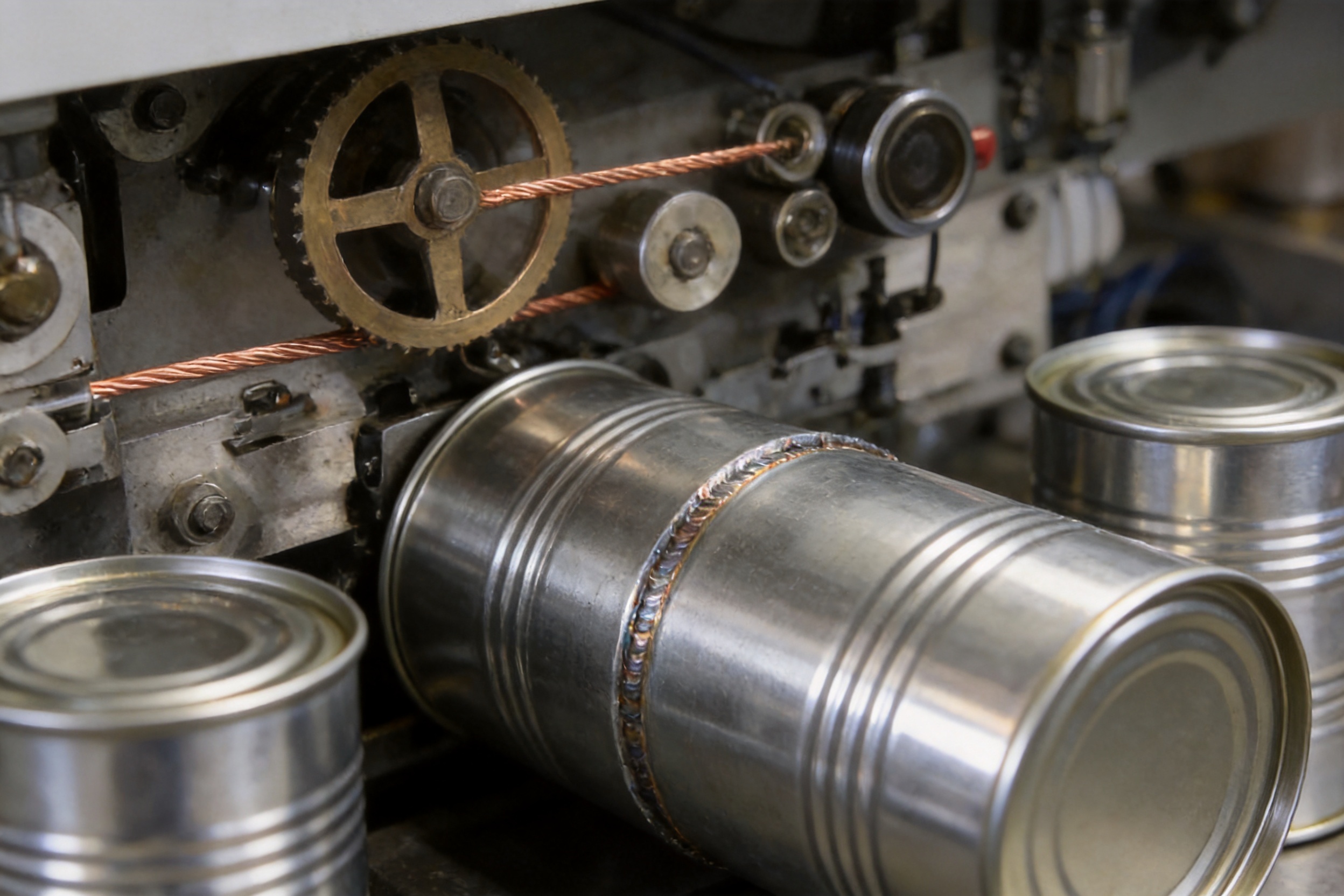
The machine’s supported size range makes it relevant for many three-piece tinplate can categories. Food cans are a major application because they require reliable seams for sterilization, storage, and distribution. Milk powder cans may require tall, clean, visually consistent bodies and strong seam control. Chemical cans require dependable body integrity and compatibility with coatings or internal protection. General tin containers also benefit from stable high-speed welding and precise body dimensions.
For food packaging, seam reliability affects safety and shelf life. A stable welded side seam supports proper flange formation and double seaming, which are critical to hermetic package performance. For milk powder containers, appearance and dimensional consistency are important because the package often serves both functional and branding purposes. For chemical packaging, the welded seam must contribute to resistance against handling stress and product containment requirements.
The ability to process sheet thickness from 0.16 mm to 0.30 mm allows the machine to accommodate common material choices used for different can designs. Lighter gauges may be selected for cost efficiency, while heavier gauges may be needed for structural strength or larger containers. The welder’s operating range helps manufacturers respond to varied product specifications.
Because the company also supplies equipment for food beverage can making, tin can lid and end making, duplex slitting, milk powder can making, easy-open-end lids, aerosol cone and dome making, chemical tank making, automatic feeding, aerosol can making, two-piece can making, and molds, it can support customers across diverse production needs. This product ecosystem strengthens the value of the welder because many packaging manufacturers require more than one machine category.
Production economics in can manufacturing are influenced by output rate, yield, labor efficiency, material usage, energy consumption, maintenance cost, changeover time, and machine availability. A high-speed automatic welder contributes to several of these areas. By producing up to 500 cans per minute, it helps reduce the time needed to complete large orders. By maintaining controlled lap and welding conditions, it supports material efficiency and lower scrap. By automating the process, it reduces direct manual handling.
The machine’s 50 kW total power should be evaluated in relation to its high output. Energy use is only meaningful when compared with production volume and quality yield. A lower-power machine that produces fewer cans or more scrap may not be more economical in real cost per finished can. For industrial buyers, the relevant measure is not simply machine power but the cost of producing acceptable cans at required speed.
Scrap reduction can be a major hidden saving. Weld defects can cause rejected bodies, line stoppages, coating problems, leakage failures, or customer complaints. In high-volume production, even a small defect percentage can represent substantial financial loss. A stable automatic welder helps reduce variation and supports quality control routines, which can improve overall equipment effectiveness.
Labor efficiency is also important. Automatic operation allows one operator or a small team to supervise more production capacity. Operators can focus on monitoring parameters, checking seam samples, preparing materials, and coordinating changeovers rather than manually feeding or correcting every can body. This helps factories manage labor cost while improving process discipline.
Although the welder is designed for automatic production, good manufacturing practice still requires regular inspection. Seam quality should be monitored through visual checks, dimensional checks, peel tests, tear-down tests, or other plant-specific quality control methods. Welding parameters should be recorded and controlled according to material thickness, tin coating, body size, and production speed.
Operators should verify that the lap is within the specified range, copper wire condition is suitable, the blank edges are clean, and the body guide system is aligned. Poor blank quality or incorrect upstream cutting can affect welding even when the welder itself is capable. Therefore, total line quality depends on both the machine and the discipline of process control.
The manufacturer’s ISO9001-certified quality management system supports consistent manufacturing of the equipment itself. For the user, this should be complemented by an internal quality system that defines incoming material inspection, machine setup approval, weld seam inspection frequency, maintenance intervals, and corrective action procedures. When supplier quality and user process control work together, the result is more reliable can production.
High-speed can-making machinery requires proper installation and commissioning. The machine must be positioned accurately, connected to utilities, aligned with related equipment, adjusted for target can sizes, and tested under production conditions. Zhejiang Golden Eagle Food Machinery Co., Ltd. provides after-sales service including installation, commissioning, technical guidance, operation training, and spare parts supply. This support is important because the best machine performance depends on correct setup and trained personnel.
During commissioning, engineers can help optimize welding speed, lap setting, guide alignment, copper wire path, and transfer synchronization. They can also help train operators to recognize common issues such as unstable seam appearance, feeding inconsistency, copper wire wear, blank misalignment, or abnormal noise. Training reduces the learning curve and helps the factory reach stable production faster.
Spare parts support is also essential. Any high-speed production line includes wear parts and consumables. Fast availability of parts helps reduce downtime and protects production schedules. For can manufacturers serving food or industrial customers, delivery reliability is often as important as production capacity. A supplier that can provide timely parts and technical support contributes directly to the customer’s business continuity.
When evaluating a can body welder, buyers should consider long-term value rather than only purchase price. A lower-cost machine may appear attractive at first, but if it produces more scrap, requires frequent adjustment, has weak support, or cannot maintain stable output, the total cost of ownership can become higher. The GT10C-500 is positioned as a robust industrial welder with high-speed capacity, broad can-size range, and support from an experienced manufacturer.
Durability begins with design and manufacturing. Precision-machined components, rigid structure, and accurate assembly help maintain performance over time. Maintainability depends on practical access to key areas, reasonable adjustment systems, clear operator procedures, and available spare parts. Long-term value also depends on whether the machine can adapt to the buyer’s changing production needs. The wide can diameter and height ranges of the 500 cpm model support this adaptability.
For factories planning expansion, a 500 cpm welder can serve as a central production asset. It can support current demand while offering room for growth. If installed with compatible upstream and downstream equipment, it can increase plant capacity and improve scheduling flexibility. For manufacturers competing in price-sensitive packaging markets, higher productivity and stable yield can become decisive advantages.
The manufacturer’s products have been exported to many countries across Europe, Asia, Africa, North America, South America, and Oceania, including markets such as Germany, Italy, the United Kingdom, Spain, Hungary, Russia, Australia, Jordan, Malaysia, the Philippines, Pakistan, Egypt, Algeria, Turkey, Mexico, Nigeria, and Iran. This international experience indicates that the company has served customers with different production conditions, standards, languages, and market requirements.
Global experience benefits new buyers because it expands the manufacturer’s understanding of practical challenges. Different regions may use different tinplate sources, can formats, labor practices, maintenance habits, electrical standards, and factory layouts. A supplier with broad export experience is more likely to anticipate these differences and provide workable recommendations.
International reputation is not built on one machine alone. It is built through repeated delivery, installation, commissioning, user feedback, and after-sales support. The company’s long operating history and large installed base strengthen confidence that it can support industrial customers over the life of the equipment.
Can manufacturers face pressure from rising material costs, labor cost changes, stricter quality requirements, and shorter delivery cycles. A high-speed automatic welder helps address these pressures by improving productivity and process control. The GT10C-500 supports competitive manufacturing in several practical ways.
First, it increases line capacity. A 500 cpm output allows a factory to produce more cans in less time, which can reduce overtime, improve equipment utilization, and enable faster order fulfillment. Second, it improves consistency through automatic operation and controlled seam welding. Consistency reduces quality risk and supports downstream forming. Third, it provides format flexibility, helping manufacturers serve multiple markets with one machine. Fourth, it is backed by a supplier with complete-line knowledge, which improves integration and future expansion possibilities.
Compared with competitors that focus only on single-machine sales, a supplier with can-making molds and full production line capability can provide more comprehensive technical support. Mold knowledge is important because can dimensions, forming behavior, and tooling accuracy all influence welding and downstream processing. Complete-line capability helps ensure that the welder is not treated as a separate island but as part of a coordinated manufacturing process.
Before purchasing a high-speed can body welder, buyers should define their can diameter range, height range, sheet thickness range, target output, material specifications, required seam quality standards, available factory space, utility conditions, and integration requirements. The GT10C-500 should be evaluated against these requirements to confirm proper fit.
Buyers should also consider future product plans. If the factory may produce larger diameters or taller cans, the Φ52 mm to Φ180 mm diameter range and H70 mm to H320 mm height range may provide valuable flexibility. If the factory will focus only on very small cans at maximum speed, a different high-speed narrow-range model may be considered. If the factory is in a growth stage, the 500 cpm model may offer a practical balance of speed and versatility.
It is also useful to evaluate supplier service. Installation, commissioning, training, spare parts, and technical communication are essential for high-speed equipment. Buyers should select a partner that can support the machine after delivery, not only ship it. The company’s long history, export experience, ISO certifications, and complete product portfolio are strong indicators of supplier capability.
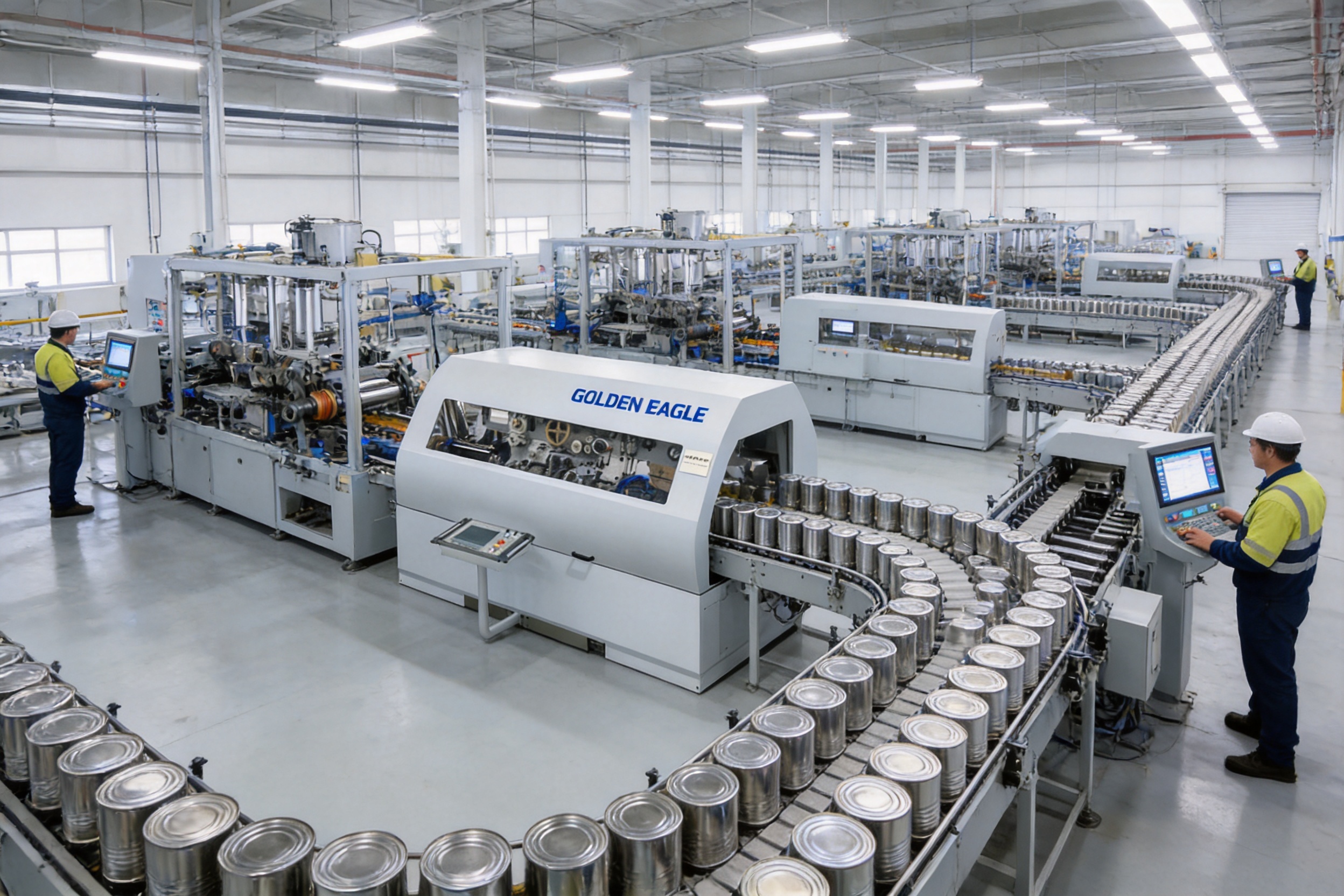
Its main function is automatic resistance seam welding of tinplate can bodies. It welds the overlapped side seam of formed can bodies to create a strong cylindrical body for later can-making processes.
The GT10C-500 model is rated at 500 cans per minute, making it suitable for high-speed industrial tin can production lines.
The machine supports can diameters from Φ52 mm to Φ180 mm and can heights from H70 mm to H320 mm, giving it strong flexibility for different can formats.
It is designed for tinplate sheets from 0.16 mm to 0.30 mm thick, which covers common gauges used in many three-piece can applications.
The lap range of 0.3 mm to 0.4 mm helps control seam geometry, material usage, and welding consistency. A stable lap contributes to reliable welding and better downstream forming.
Compared with lower-speed welders, it offers much higher output, a welding speed of 25 to 70 meters per minute, automatic operation, and a broad can-size range. These advantages help improve productivity and reduce bottlenecks in high-volume production.
Yes. It is suitable for tinplate can body welding in food can production when the can dimensions and material thickness fall within the machine’s supported range. Proper quality control and downstream seaming are also necessary for final package integrity.
Yes. The machine’s height range, diameter range, and welding capability make it applicable to many milk powder can and chemical can body formats, depending on the exact product specifications.
The total power is 50 kW. The machine weighs approximately 5000 kg and measures about 4650 mm × 2300 mm × 2500 mm.
A high-speed welder requires precision design, accurate machining, stable assembly, and reliable service. A manufacturer with CNC high-precision machining, experienced engineers, ISO management systems, and decades of can-making machinery experience can better support long-term performance.
The manufacturer provides installation, commissioning, technical guidance, operation training, and spare parts supply, helping customers start production and maintain stable operation.
It is well suited for can manufacturers that need high-speed production, broad can-size flexibility, stable seam welding, and integration into a complete can-making line.
The 500 cpm GT10C-500 Automatic Can Body Welder is a high-speed industrial solution for tinplate can manufacturers that require productivity, seam consistency, and production flexibility. Its 500 cans per minute output, 25 to 70 meters per minute welding speed, Φ52 mm to Φ180 mm diameter range, H70 mm to H320 mm height range, and 0.16 mm to 0.30 mm sheet thickness compatibility make it a strong choice for many three-piece can applications.
Its advantages over conventional or lower-speed competitors include higher throughput, automatic operation, controlled lap welding, broad format capability, robust machine construction, and compatibility with complete can-making line planning. These advantages can help manufacturers reduce bottlenecks, improve yield, serve multiple product categories, and strengthen delivery reliability.
The machine’s value is further supported by the capabilities of Zhejiang Golden Eagle Food Machinery Co., Ltd., a specialized can-making machinery manufacturer established in 1978. With experienced engineers, CNC high-precision machining, complete mechanical processing equipment, ISO9001 and ISO14001 certifications, international export experience, and a wide product portfolio, the company offers more than a machine: it offers manufacturing knowledge, line integration capability, and practical after-sales support.
For factories seeking to upgrade their tinplate can production capacity, improve seam reliability, and build a more competitive production line, the GT10C-500 represents a balanced combination of speed, flexibility, engineering experience, and long-term industrial value.
1. Technical specification materials for GT10C automatic can body welder series.
2. General principles of resistance seam welding for three-piece tinplate can manufacturing.
3. ISO9001 quality management system guidelines for industrial machinery manufacturing.
4. ISO14001 environmental management system guidelines for manufacturing enterprises.
5. Practical production knowledge from three-piece can body forming, welding, flanging, and seaming operations.
Related Products

Founded in 1978, the company is one of the largest can-making machinery well-known companies at home and abroad.
Product Categories
Contact Information
Zhongshatou Shenjiamen Zhoushan Zhejiang China
+86-580-3056646

 English
 中文简体
中文简体
 русский
 عربى
عربى
 Español