2026-06-09
In modern tinplate and metal packaging production, the quality of a can end is inseparable from the precision of the die that forms it. A conversion press CNC pressing die is not merely a replaceable tooling component; it is a core manufacturing asset that determines dimensional accuracy, production stability, material efficiency, and the long-term profitability of a can-making line. For manufacturers producing tin can lids, easy-open ends, food can ends, beverage can components, aerosol cone and dome parts, and other metal packaging elements, the die must perform under high-speed, high-load, and high-repeatability conditions while maintaining tight tolerances across millions of cycles.
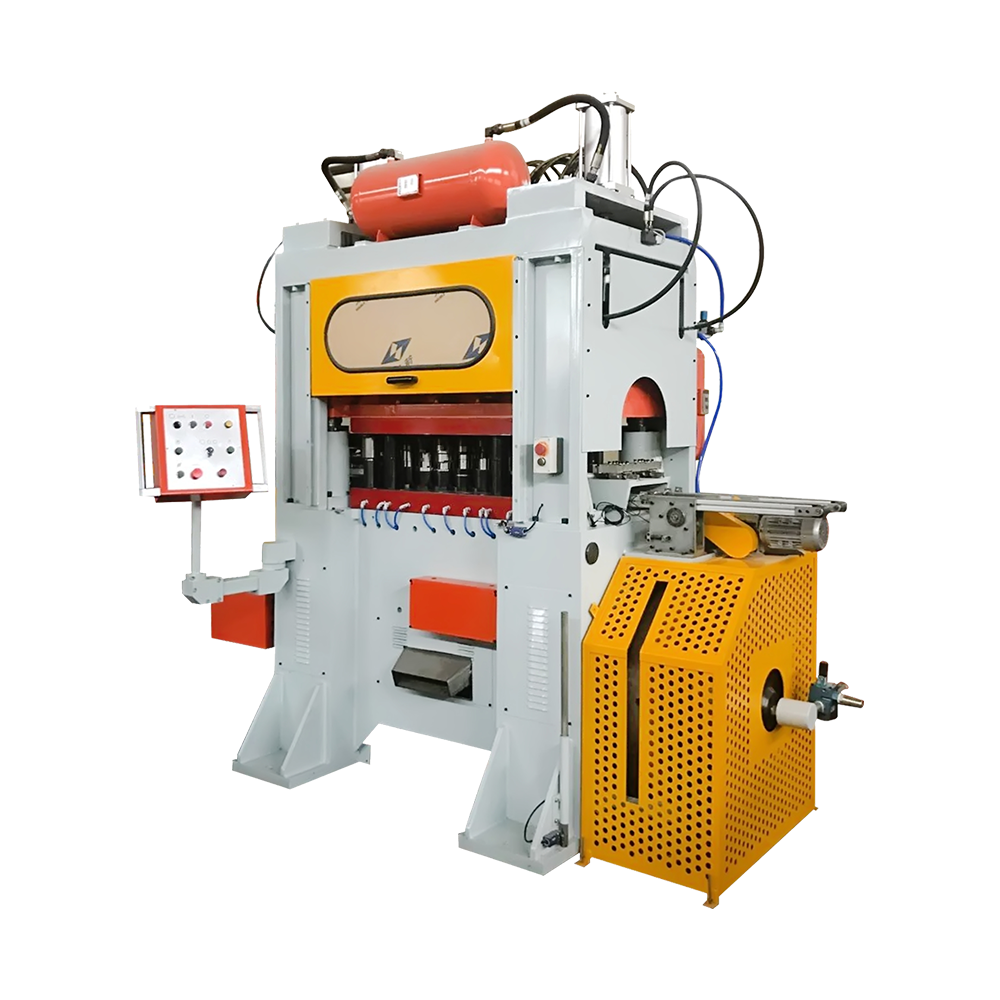
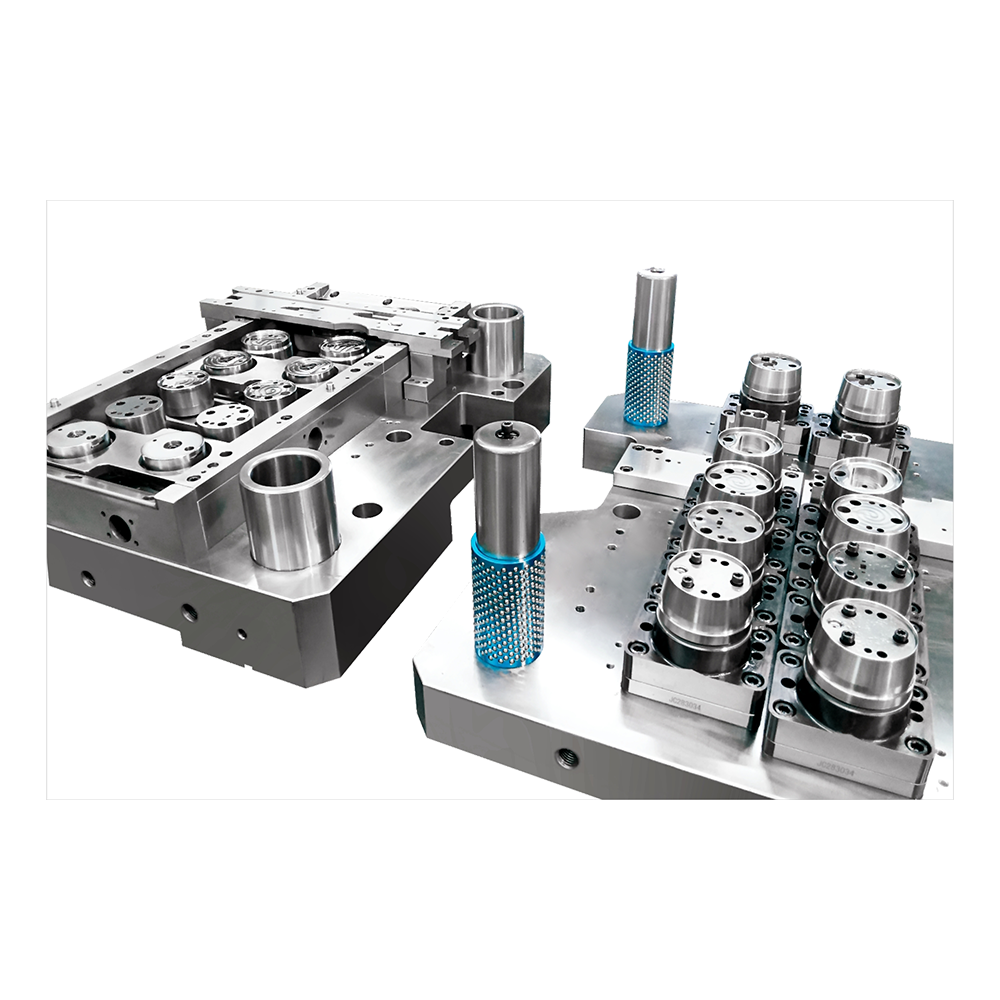
The Conversion Press CNC Pressing Die belongs to the mold category and is designed for can end forming and related conversion press applications. It is suitable for manufacturers that require consistent forming performance, accurate profile control, reliable press compatibility, and durable operation in demanding industrial environments. When properly engineered and manufactured, this type of die helps reduce scrap, improve product consistency, stabilize downstream seaming or assembly processes, and support a more efficient can-making production line.
Zhejiang Golden Eagle Food Machinery Co., Ltd. has built its reputation around can-making machinery and can-making molds since 1978. With decades of accumulated technical experience, CNC precision manufacturing capability, and a broad product range covering food can lines, beverage can lines, can lid lines, aerosol can lines, two-piece can lines, chemical tank lines, automatic feeding systems, welding equipment, cutting machines, and molds, the company is positioned to provide not only a die but also an integrated understanding of how that die works within a full production ecosystem.
Conversion Press CNC Pressing Die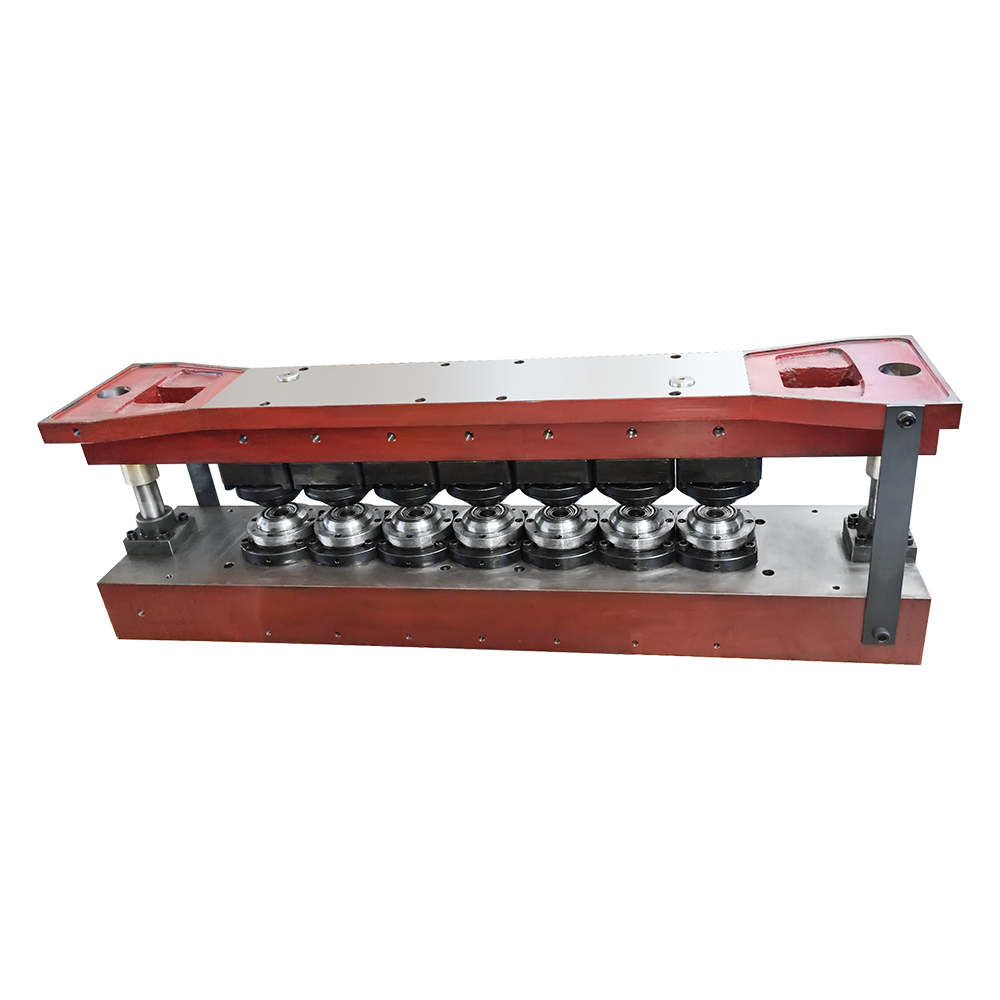
A conversion press is generally used to transform a pre-cut or partially formed metal blank into a finished or semi-finished component through pressing, forming, curling, scoring, embossing, paneling, or related operations. In the can-making industry, such operations must be controlled with exceptional accuracy because even minor dimensional deviations can affect stacking, sealing, tab attachment, easy-opening performance, vacuum resistance, pressure resistance, or customer appearance standards.
The CNC pressing die is the engineered interface between the press and the metal material. It defines the shape of the final component and controls how the tinplate, aluminum, or other metal substrate flows during deformation. A high-quality die must combine hardness and toughness, geometric precision and surface smoothness, rigidity and serviceability. If one of these factors is weak, the die may produce unstable parts, cause excessive material thinning, generate burrs, increase press vibration, or require frequent adjustment.
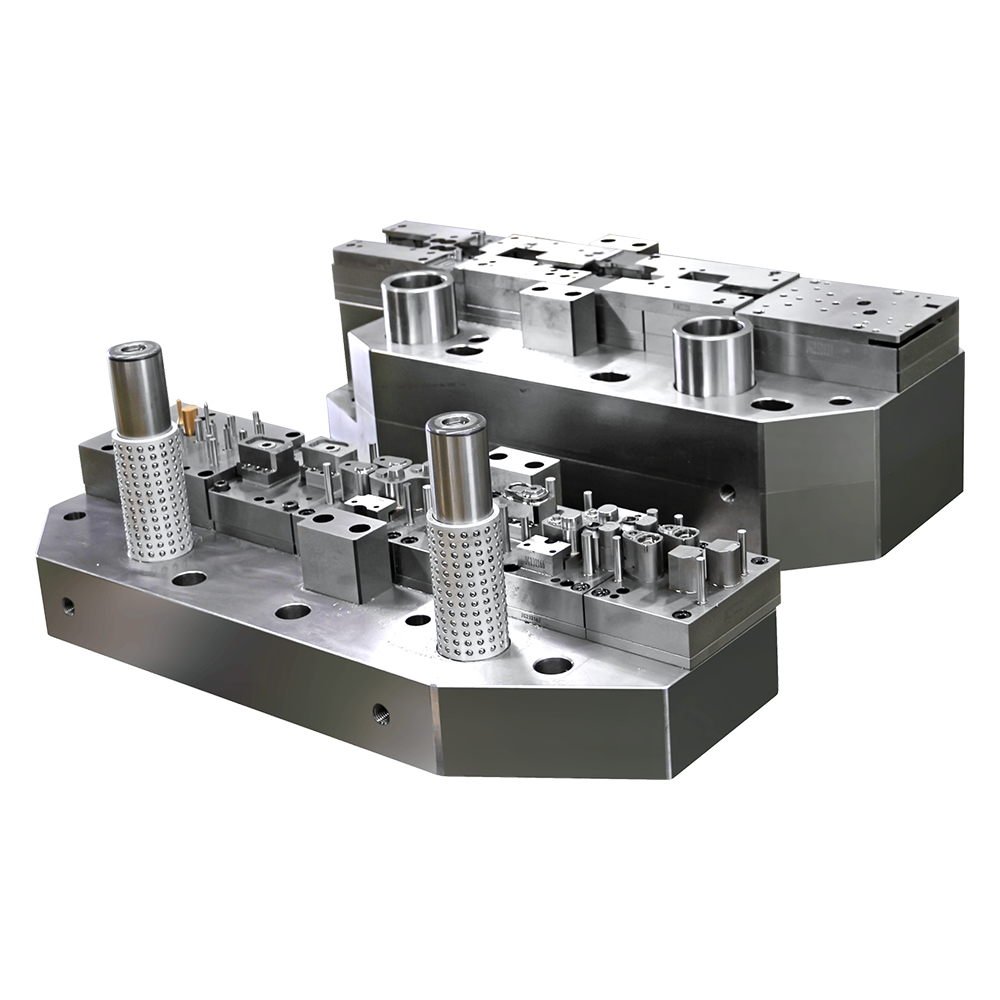
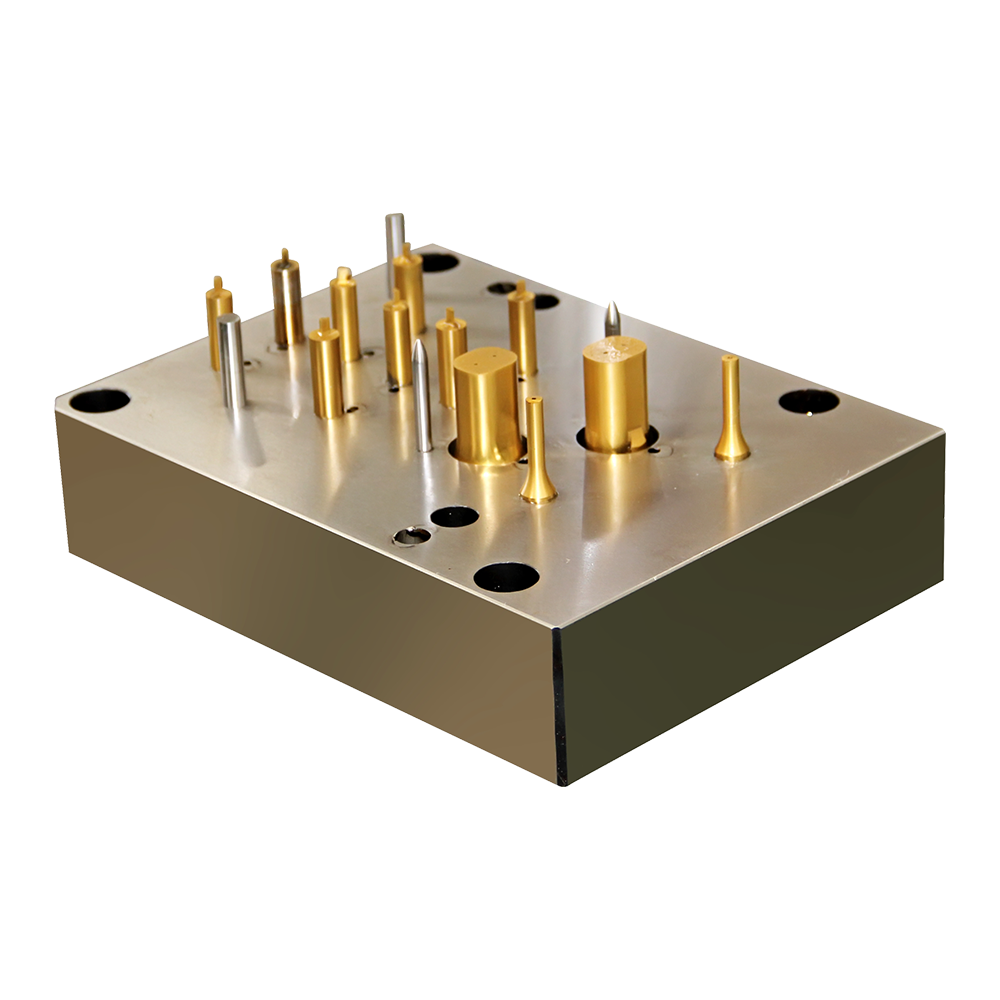
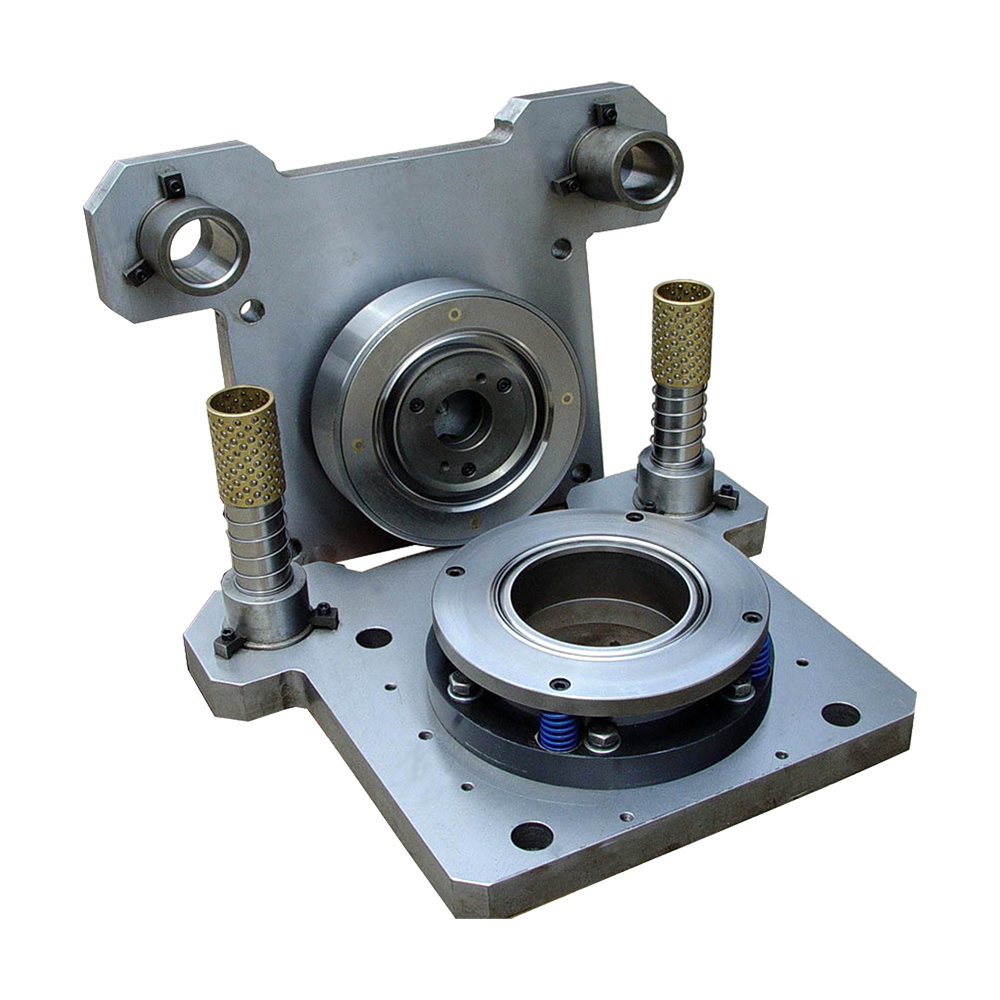
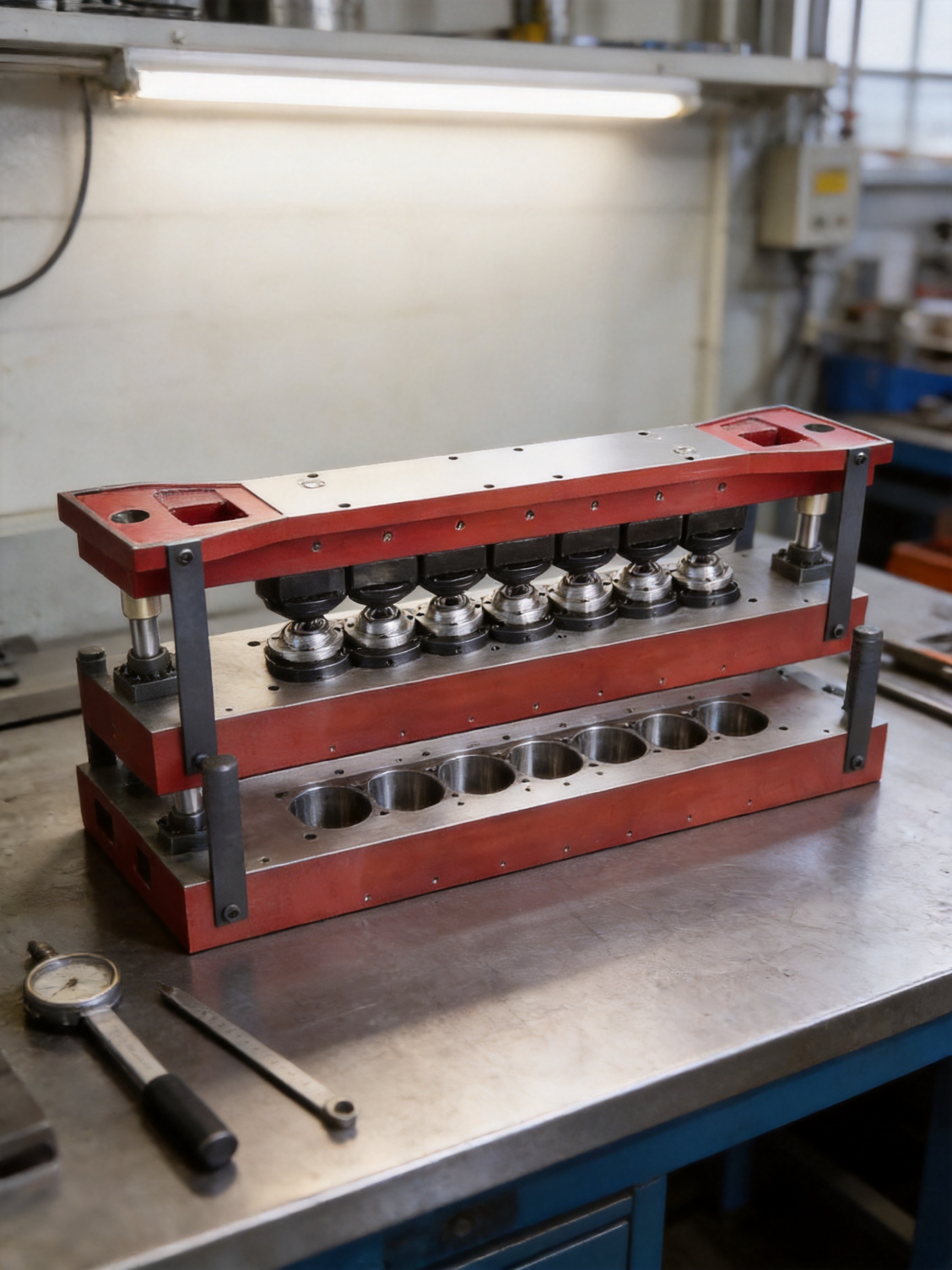
The Conversion Press CNC Pressing Die is therefore best understood as a precision mold system. It may include upper and lower die components, punches, die cavities, guide posts, guide bushings, forming rings, pressure pads, stripping elements, and custom inserts depending on the required end profile and production process. CNC machining allows these components to be produced with excellent repeatability and high surface accuracy, while specialized heat treatment and finishing processes enhance wear resistance and service life.
Compared with conventional or manually finished tooling, a CNC-manufactured conversion press die can deliver more predictable results from batch to batch. This is important for can manufacturers that operate multiple production lines, supply international customers, or produce a wide range of can sizes and lid formats. Consistency in tooling helps reduce the learning curve for operators and maintenance teams, while also making production planning more reliable.
Can lid and can end production requires a combination of speed, stability, and accuracy. A lid must fit the can body correctly, withstand transport and storage conditions, and meet hygiene and safety requirements for food, beverage, chemical, or aerosol applications. The die has a direct influence on all these performance factors.
In food can production, the end profile must support reliable double seaming. If the curl geometry or panel depth is inconsistent, the final package may experience sealing issues or reduced resistance to internal and external pressure. In beverage and easy-open end production, the die must support more complex forming requirements, including accurate paneling, score area preparation, rivet formation, and tab-related geometry. In aerosol cone and dome production, the formed shape must be strong, symmetrical, and compatible with pressure-resistant container design. In chemical tank and specialty container applications, the die may need to support thicker materials or more robust geometries.
The Conversion Press CNC Pressing Die provides value by controlling these forming details with precision. Its accurate machining and carefully designed forming surfaces help ensure that each stroke of the press produces a component that meets dimensional expectations. This consistency reduces the need for repeated line adjustment and helps downstream machinery operate more smoothly.
For can manufacturers, improved die performance often translates into measurable business benefits. Reduced scrap means lower material waste, which is especially important when metal prices fluctuate. Better dimensional control means fewer customer complaints and fewer rejected batches. Longer die life means lower tooling replacement cost and less downtime. More stable production means higher output and better delivery reliability. These advantages are particularly important for manufacturers competing in high-volume markets where margins depend on efficiency and quality control.
The competitive strength of a conversion press die is determined not only by its initial appearance but by how it performs after weeks, months, and years of production. Ordinary dies may look similar when new, but differences in material selection, CNC machining accuracy, heat treatment, surface finishing, assembly precision, and design knowledge become clear during high-speed operation.
One major advantage of the Conversion Press CNC Pressing Die is the application of high-precision CNC machining. CNC processing improves geometric repeatability and allows complex forming profiles to be manufactured more accurately than traditional manual methods. This reduces the risk of uneven material flow, off-center forming, or unstable edge conditions. For customers producing can ends in large quantities, this accuracy is essential.
Another advantage is the benefit of industry-specific design experience. Zhejiang Golden Eagle Food Machinery Co., Ltd. has long experience in can-making equipment and molds, rather than general-purpose tooling alone. This matters because can end production has unique requirements. A die for metal packaging must be designed with knowledge of tinplate behavior, lubrication, press speed, blank feeding, forming sequence, stripping force, and downstream compatibility. A supplier that understands the full production line can design a die that is more practical and production-oriented.
The product also benefits from integrated manufacturing capability. A company that produces can-making machinery, lid-making equipment, welding machines, cutting machines, automatic feeding systems, and molds can evaluate tooling from the perspective of the entire process. This reduces the possibility of a die being technically accurate in isolation but inefficient in actual line operation. It also supports better communication when customers need OEM or ODM production line solutions.
Durability is another important advantage. A well-made pressing die must resist wear, fatigue, chipping, and deformation. Through appropriate material selection, heat treatment, precision grinding, and finishing, the die can maintain working accuracy over long production runs. Competitors that rely on lower-grade steel, inadequate heat treatment, or rough surface finishing may offer lower initial prices, but users may face more frequent maintenance, unstable production, and higher long-term cost.
Serviceability also differentiates the product. In a production environment, no tooling can be considered successful if it is difficult to inspect, adjust, or maintain. The Conversion Press CNC Pressing Die can be designed with practical maintenance in mind, including replaceable wear parts, accurate locating structures, and stable guiding systems. These features reduce maintenance time and help operators restore production quickly after scheduled inspection or part replacement.
| Evaluation Area | Conversion Press CNC Pressing Die | Common Low-Precision Die | Customer Benefit |
|---|---|---|---|
| Machining Method | CNC high-precision machining and controlled finishing | Conventional machining with heavier manual correction | Better dimensional repeatability and fewer production deviations |
| Forming Accuracy | Designed for stable can end geometry and controlled metal flow | Greater risk of uneven forming or profile inconsistency | Improved lid quality and better downstream compatibility |
| Durability | Material, heat treatment, and surface finishing selected for wear resistance | Shorter service life if materials or treatment are insufficient | Lower long-term tooling cost and reduced downtime |
| Line Integration | Developed by a manufacturer experienced in full can-making machinery systems | Often produced without complete production-line perspective | Smoother installation, adjustment, and operation |
| Customization | Can support different lid sizes, metal specifications, and customer production needs | Limited adaptability or slower modification response | Better fit for OEM and ODM production requirements |
| Maintenance | Can be engineered for inspection, replacement, and practical upkeep | May require frequent adjustment or difficult repair | Higher equipment availability and easier production management |
The quality of a pressing die begins long before the first production stroke. It starts with engineering analysis, material selection, machining planning, heat treatment control, surface finishing, and final inspection. Zhejiang Golden Eagle Food Machinery Co., Ltd. applies decades of manufacturing experience and advanced equipment to deliver molds that match the requirements of modern can-making production.
The company uses CNC high-precision machining equipment and complete mechanical machining systems. CNC processing is particularly important for pressing die components because the forming surfaces must be accurate, smooth, and repeatable. For can end forming, a small deviation in a punch radius, cavity dimension, or locating surface can influence the entire part profile. CNC machining allows the manufacturer to control these details more reliably than purely manual processes.
Before machining, the design stage defines the functional geometry of the die. Engineers consider the can end shape, metal thickness, material grade, forming sequence, press capacity, production speed, blank feeding method, and maintenance requirements. This engineering step is essential because a pressing die must balance forming force, material flow, and component strength. If the die profile is too aggressive, the material may thin, crack, or wrinkle. If it is too conservative, the final component may lack the required stiffness or shape definition.
After design confirmation, raw materials are selected according to the expected working load and wear environment. High-quality tool steels or suitable alloy materials may be used for critical components. These materials must have the strength to withstand repeated impact and the wear resistance to maintain surface geometry. Heat treatment is then applied to improve hardness, toughness, and dimensional stability. Proper heat treatment is one of the most important differences between reliable tooling and short-lived tooling.
Precision grinding and surface finishing further enhance the die. A smooth working surface reduces friction between the die and the metal sheet, improving material flow and reducing the possibility of scratching or galling. Accurate grinding also ensures that mating surfaces align correctly. This is important for maintaining consistent pressure distribution during each press stroke.
Final inspection confirms whether the die meets technical requirements before delivery. Inspection may include dimensional measurement, fit checking, surface quality verification, hardness testing, and trial evaluation depending on the die type and customer requirements. Quality control is supported by the company’s ISO9001 quality management system certification, while ISO14001 environmental management system certification reflects attention to responsible manufacturing practices.
Experience matters in can-making machinery because production challenges are rarely theoretical. A die may appear correct in a drawing but behave differently during continuous high-speed operation. Material batches may vary, press conditions may change, lubrication may fluctuate, and operators may require practical adjustment solutions. A manufacturer with long-term industry experience can anticipate many of these realities.
Zhejiang Golden Eagle Food Machinery Co., Ltd., formerly known as Zhejiang Food Machinery Factory and Zhoushan Mold Factory, was established in 1978. Over more than 46 years of development, the company has focused on can-making machinery and can-making molds. This long specialization has created a knowledge base that combines mechanical design, mold manufacturing, production-line integration, and field service experience.
The company has produced more than 10,000 pieces of can and can lid equipment. Its products are used by can manufacturers and canning factories in many markets. Export experience across Europe, Asia, Africa, North America, South America, and Oceania also provides valuable insight into different production standards, customer habits, material sources, and maintenance expectations. This international operating background helps the company design products that are practical for diverse industrial environments.
The design principles of the company’s products are stated to be similar to those of well-known international can-making equipment traditions such as KRUPP, SOUDRONIC, and ALFONS-HAAR. At the same time, the company has combined its own production practice and innovation to improve product suitability. This balance of learning from established engineering concepts and adapting them through practical manufacturing experience is valuable for die development.
The company’s workforce of more than 350 trained personnel, including experienced design and development engineers, supports comprehensive production capability. For customers, this means that a conversion press CNC pressing die can be backed by engineering discussion, production planning, machining capability, inspection, and after-sales service. Rather than being a simple one-time tooling transaction, the product can be part of a broader technical cooperation.
The forming profile is the heart of a pressing die. It determines how the metal blank bends, stretches, and settles into its final shape. In can end production, profile accuracy affects not only appearance but also mechanical behavior. Panel depth, reinforcing beads, curl geometry, countersink dimensions, and edge quality all depend on precise tooling geometry.
CNC machining enables these profiles to be produced with high repeatability. This is especially important when customers require multiple sets of dies for different lines or replacement tooling at a later date. If each die set matches the approved design, production stability is easier to maintain across time and across factories.
A pressing die must maintain alignment between upper and lower components throughout operation. Poor alignment can cause uneven wear, burr formation, impact marks, unstable forming, and premature tooling failure. Guide posts, guide bushings, locating surfaces, and press mounting interfaces must therefore be manufactured and assembled with care.
Stable guiding becomes more important as production speed increases. At high speed, even a small looseness or misalignment may produce repeated impact and vibration. A well-designed conversion press CNC pressing die helps minimize these risks by using accurate machining and robust alignment structures.
Clearance between punch and die components is a critical factor in cutting and forming operations. Too much clearance may create excessive burrs or poor edge definition. Too little clearance may increase wear, raise forming force, or cause galling. The correct clearance depends on material thickness, material hardness, forming purpose, and production speed.
The product’s CNC-based manufacturing approach helps maintain controlled clearances. This directly supports cleaner forming, improved part quality, and longer die service life. For can manufacturers, stable clearance also reduces the frequency of troubleshooting during production.
Every production stroke creates contact between the metal sheet and die surfaces. Over time, friction can wear down the working geometry, especially in high-pressure areas. Wear can gradually change the formed part dimensions and may lead to scratches, material pickup, or inconsistent product quality.
To resist wear, the die must combine suitable material, heat treatment, surface finishing, and lubrication compatibility. Properly polished and finished working surfaces reduce friction and support stable metal flow. For demanding applications, special surface treatments or coatings may also be considered according to customer requirements and production conditions.
In industrial production, practical maintenance is as important as initial precision. Components exposed to the highest wear may be designed for replacement so that the entire die set does not need to be discarded. This lowers lifetime cost and shortens maintenance downtime.
A customer-oriented die design can include features that support disassembly, inspection, adjustment, and reassembly. Clear locating structures, standardized fasteners where appropriate, and accurate reference surfaces help maintenance teams work efficiently. These details may not be visible in promotional images, but they strongly influence production reliability.
The Conversion Press CNC Pressing Die can serve multiple metal packaging segments depending on its specific design. In food can end production, it supports the manufacturing of ends for canned vegetables, fruit, meat, seafood, sauces, and other preserved foods. These applications require hygienic packaging, reliable sealing, and stable end strength.
In beverage can and beverage end production, tooling precision is critical because production volumes are high and quality requirements are strict. Beverage packaging often involves thin-gauge materials and high-speed forming, which require excellent die accuracy and surface finish. A stable die contributes to consistent shell formation and downstream conversion processes.
In easy-open end production, die accuracy is even more demanding. Easy-open lids require special features such as rivet geometry, score control, tab area preparation, and controlled opening performance. While the conversion press CNC pressing die may be one part of a larger easy-open end tooling system, its precision contributes to the final user experience and safety of the package.
In aerosol cone and dome manufacturing, formed components must meet shape and pressure-related requirements. Tooling must support smooth deformation and symmetrical profiles. A die with poor alignment or rough forming surfaces can create weak areas or unacceptable appearance defects. A precision CNC pressing die helps improve both performance and aesthetics.
In chemical tank and specialty container production, materials may be thicker or more demanding. The die must be robust enough to handle higher forming forces while maintaining dimensional stability. The company’s broader experience with chemical tank making machines and can-making production lines allows it to understand these heavier-duty applications.
Efficiency in can-making is not only about machine speed. It is also about how consistently a line can run without unplanned stops, how quickly operators can adjust the process, how much material is wasted, and how predictable the final quality is. A high-quality pressing die contributes to all these areas.
First, the die improves efficiency by reducing scrap. When forming dimensions are stable and edge quality is controlled, fewer parts are rejected. This saves metal material, coating material, labor, and inspection effort. In large-scale can end production, even a small reduction in scrap percentage can create significant annual savings.
Second, the die supports higher machine availability. Durable components and stable alignment reduce the frequency of emergency maintenance. When maintenance is required, practical die design can reduce the time needed for inspection and replacement. This means more productive hours and better delivery performance.
Third, the die improves process stability. Operators spend less time correcting recurring problems such as burrs, wrinkles, scratches, poor forming depth, or unstable part release. Stable tooling allows the production team to focus on output and quality assurance rather than constant troubleshooting.
Fourth, the die improves downstream performance. A can end that is formed accurately will feed, stack, seam, or convert more reliably in later processes. Poorly formed ends may jam in feeding systems, cause seaming defects, or create assembly problems. By improving the quality of the formed part at the die stage, the entire production line becomes more efficient.
A key strength of Zhejiang Golden Eagle Food Machinery Co., Ltd. is its broad product coverage within the can-making industry. The company supplies whole-set series products including food can production lines, beverage can production lines, can lid production lines, chemical tank production lines, aerosol canister production lines, two-piece can production lines, and pop can production lines. It also offers equipment such as tin can auto-welding machines, cutting machines, duplex slitters, automatic feeding machines, aerosol cone and dome making equipment, end making machines, and molds.
This range matters because tooling performance depends on production-line context. A die must match the press, feeding system, material preparation method, output requirement, and downstream process. If the die supplier understands only the mold but not the full line, integration problems may occur. If the supplier understands the full line, the die can be designed and adjusted with practical compatibility in mind.
For example, the blank quality produced by a cutting machine or slitter can influence die performance. If blanks are inconsistent, the die may experience uneven loading. Likewise, automatic feeding accuracy affects how the blank enters the die. Pressing die design must therefore consider feeding tolerance and positioning stability. Downstream lid-making or end-conversion equipment also depends on the formed part geometry. An integrated manufacturer can evaluate all these relationships more effectively.
For customers seeking OEM or ODM tinplate can production line solutions, this integrated capability is especially valuable. The customer can discuss product size, material, production capacity, factory layout, operator skill level, and maintenance strategy with a supplier that understands the whole process. The result is a more coherent production solution rather than a collection of unrelated machines and tools.
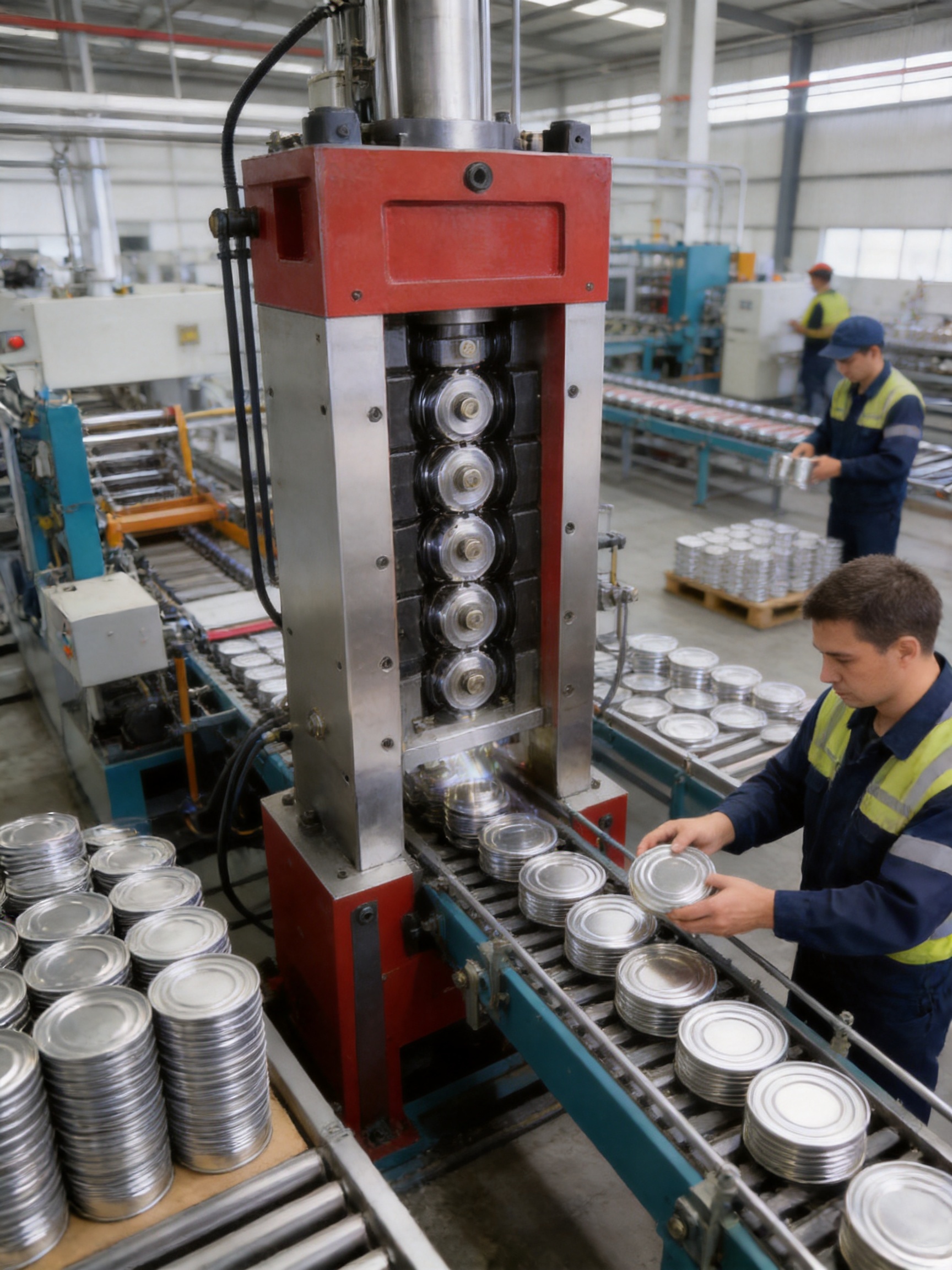
Quality in mold manufacturing must be systematic. It cannot depend only on the skill of a single technician or the final inspection step. A reliable manufacturer builds quality into design, procurement, machining, heat treatment, assembly, testing, packaging, and after-sales support.
The company’s ISO9001 quality management system certification indicates that it follows structured quality practices. In die production, this may include process documentation, inspection procedures, material control, measurement standards, and corrective improvement. Such systems help reduce variation and improve customer confidence.
ISO14001 environmental management system certification also reflects attention to environmental responsibility. Manufacturing processes such as machining, heat treatment, grinding, and cleaning can involve energy use, lubricants, metal chips, and waste management. A responsible manufacturer seeks to manage these processes properly while maintaining production quality.
Reliability is also supported by accumulated production data and customer feedback. After producing thousands of machines and molds, the company can draw from real-world experience when improving designs. Field experience reveals which components wear fastest, which adjustments are most useful, which materials perform better under different conditions, and which design details reduce operator difficulty. This kind of knowledge cannot be gained from drawings alone.
Can-making customers often have different requirements. Some produce small food cans, while others produce large containers. Some use tinplate, while others may use aluminum or coated steel. Some require standard ends, while others need special profiles, embossed designs, reinforced panels, or compatibility with easy-open systems. A conversion press CNC pressing die must therefore be customizable.
Customization begins with technical communication. The customer may provide drawings, samples, material specifications, production capacity requirements, press parameters, and quality standards. Engineers then evaluate whether the requested geometry is compatible with the material and forming process. If necessary, they may recommend modifications to improve manufacturability, tool life, or product performance.
The die can then be designed according to the required end diameter, panel profile, curl geometry, material thickness, forming force, and press interface. CNC machining allows customized shapes to be produced accurately, while repeatable manufacturing methods support future replacement or additional die sets.
Customization is also useful for customers upgrading older production lines. A factory may already have a press and feeding system but need improved tooling to increase output or reduce scrap. In such cases, the die must match existing machine dimensions and operating conditions. A supplier with both machinery and mold knowledge is better able to support this type of retrofit project.
Even the best die requires proper installation and adjustment. Incorrect mounting, poor alignment, unsuitable press settings, or inadequate lubrication can reduce performance and shorten service life. For this reason, after-sales support is an important part of the product value.
Zhejiang Golden Eagle Food Machinery Co., Ltd. provides after-sales service including installation, commissioning, technical guidance, operation training, and fast parts supply. These services help customers bring the die into production more smoothly. During commissioning, technicians may check press alignment, feeding accuracy, die clearance, stroke settings, part release, and final product dimensions.
Operator training is also valuable. Operators need to understand correct startup procedures, lubrication requirements, inspection points, abnormal sound recognition, scrap monitoring, and safe maintenance practices. Proper training helps prevent avoidable damage and improves daily production stability.
Technical guidance can continue after installation. If the customer changes material suppliers, adjusts production speed, or introduces a new product size, support may be needed to maintain die performance. A supplier with long-term service commitment can help customers solve these practical challenges.
A precision pressing die may cost more than a basic low-precision alternative, but its economic value should be evaluated over the full production life. The most important cost factors include scrap rate, downtime, maintenance labor, replacement parts, product rejection, customer complaints, and lost production capacity. A lower-priced die that creates frequent problems may be more expensive in the long run.
Material savings are often the most immediate benefit. Metal packaging production consumes large volumes of tinplate or aluminum. If a better die reduces scrap, the savings accumulate quickly. Consistent forming also helps avoid hidden waste, such as parts that pass initial inspection but fail in downstream seaming, stacking, or pressure tests.
Downtime reduction is another major economic factor. When a press stops unexpectedly, the cost includes lost output, labor inefficiency, delayed orders, and possible disruption to downstream processes. A durable and stable die reduces the likelihood of unplanned stops and supports better production scheduling.
Longer die life improves capital efficiency. If critical components maintain accuracy for more cycles, customers spend less on replacement tooling and emergency repairs. Replaceable wear components can further reduce cost by allowing targeted maintenance rather than full die replacement.
Quality improvement also has commercial value. Customers in food, beverage, aerosol, and chemical packaging markets expect reliable containers. A defective lid can affect brand reputation, product safety, and customer trust. By supporting stable end quality, the die helps manufacturers protect their market position.
Choosing a pressing die supplier is not only a purchasing decision; it is a production-risk decision. The supplier’s engineering ability, manufacturing equipment, industry experience, quality control, and service capacity all influence the customer’s long-term results.
A strong supplier can provide technical consultation before manufacturing begins. This helps avoid design mistakes and ensures that the die is suitable for the customer’s actual production environment. A weak supplier may simply copy a drawing without understanding forming behavior, leading to poor performance.
A strong supplier has precision machining capability. Without accurate CNC equipment and skilled operators, even a good design cannot become a high-quality product. Precision machining is especially important for can end dies because small errors may cause visible or functional defects.
A strong supplier understands can-making production lines. This allows the die to be designed for real operating conditions, not just theoretical geometry. Zhejiang Golden Eagle Food Machinery Co., Ltd. has this advantage because its product range covers many machines and systems used throughout can production.
A strong supplier provides after-sales support. Tooling sometimes needs adjustment after installation, especially when customer materials or machines vary. A supplier that offers commissioning, training, and parts support can reduce customer risk and build long-term cooperation.
To maximize die life, customers should establish a regular maintenance plan. The die should be cleaned after production runs to remove metal particles, coating residue, and lubricant buildup. Dirty tooling can cause scratches, inaccurate seating, and accelerated wear.
Lubrication should be controlled according to production requirements. Insufficient lubrication increases friction and heat, while excessive or unsuitable lubrication may cause feeding problems or contamination concerns. Operators should follow recommended lubrication practices and monitor part appearance for signs of friction or galling.
Routine inspection should include checking working surfaces, guide components, fasteners, springs, stripping elements, and locating surfaces. Early detection of wear or looseness can prevent serious damage. If a small component is replaced in time, the entire die may be protected from larger failure.
Operators should also monitor product dimensions and edge quality during production. Changes in curl shape, panel depth, burr level, or surface marks may indicate tooling wear or alignment issues. Keeping production records helps identify trends and schedule maintenance before defects become severe.
When the die is not in use, it should be stored properly in a clean and dry environment. Anti-rust protection is important, especially for precision surfaces. Careless storage can damage the die even when it is not operating.
Its main purpose is to form, shape, or process metal blanks into accurate can ends or related metal packaging components. It controls the geometry of the part during press operation and helps ensure consistent product quality.
CNC machining improves dimensional accuracy, repeatability, and surface consistency. For can end production, these factors are essential because small tooling deviations can lead to poor forming, burrs, scratches, or downstream assembly problems.
It can reduce cost by lowering scrap, improving machine uptime, extending tooling life, reducing maintenance frequency, and improving the consistency of finished components. These savings can outweigh the initial tooling investment.
Yes. The die can be designed according to customer requirements such as end diameter, material thickness, profile shape, press specifications, and production capacity. Customization is especially important for OEM and ODM production line projects.
It is suitable for metal packaging industries including food cans, beverage cans, easy-open ends, aerosol cans, chemical containers, and other tinplate or metal can applications.
Its advantages include precision CNC manufacturing, can-making industry design experience, durable material and treatment options, production-line integration knowledge, practical maintenance design, and after-sales support from an experienced machinery and mold manufacturer.
Yes. The geometry of the can end influences downstream seaming and sealing. If the end profile is inaccurate or inconsistent, the final package may have sealing defects or reduced performance.
Customers should clean the die regularly, use proper lubrication, inspect wear components, monitor product dimensions, tighten fasteners when necessary, and store the die in a clean and rust-protected environment.
Yes. The company provides installation, commissioning, technical guidance, operation training, and parts supply to support customer production.
A supplier with full-line machinery experience understands how the die interacts with presses, feeding systems, cutting machines, welding machines, lid-making machines, and downstream equipment. This helps improve integration and reduce production risks.
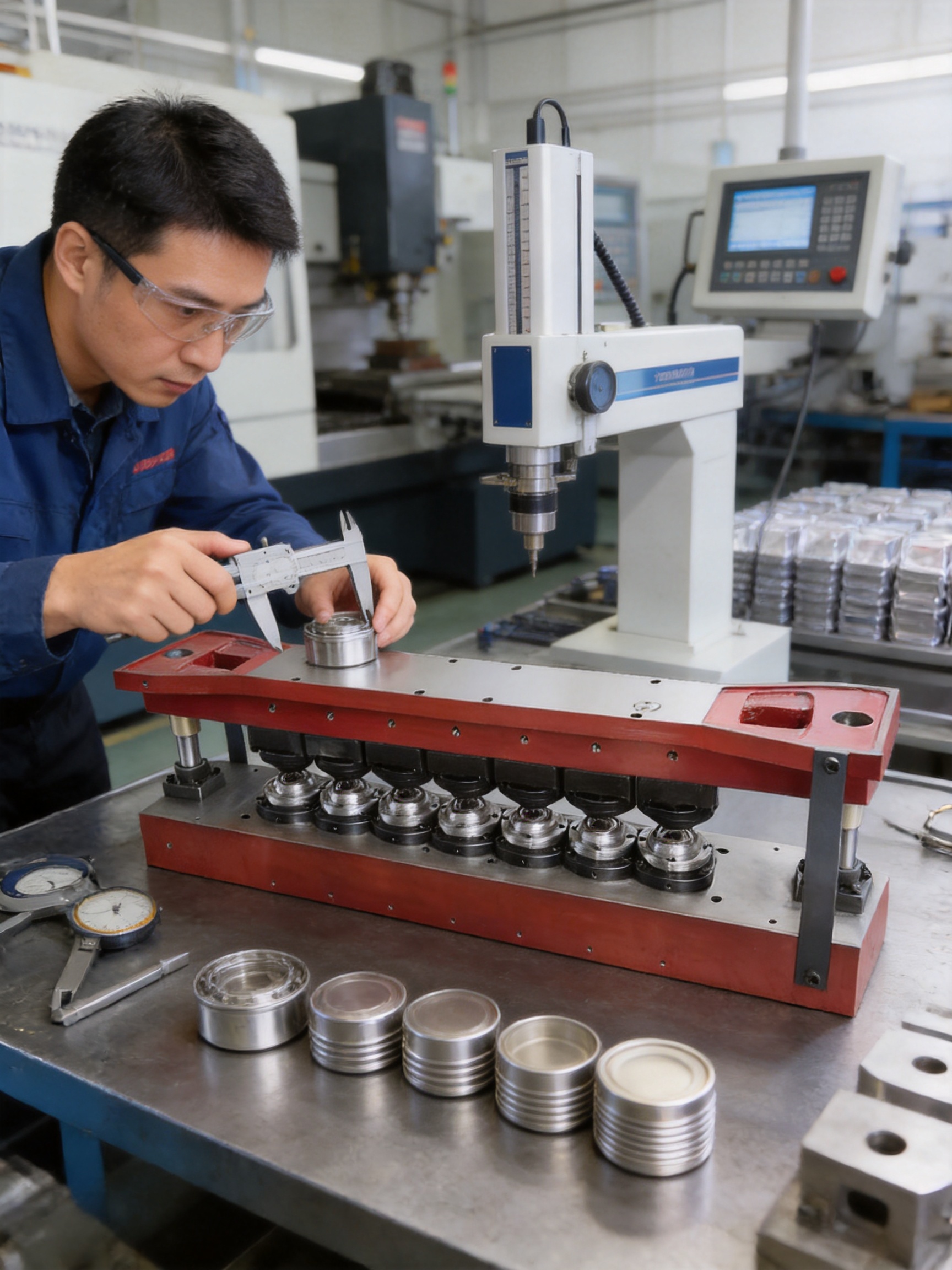
The Conversion Press CNC Pressing Die is a critical tool for manufacturers that require accurate, stable, and efficient can end production. Its value lies in more than its physical structure. It represents the connection between precision engineering, advanced CNC manufacturing, practical can-making experience, and long-term production reliability.
For customers in food, beverage, aerosol, chemical, and general tinplate packaging markets, a high-quality pressing die can improve product consistency, reduce scrap, lower downtime, and support stronger competitiveness. Compared with ordinary dies, a CNC-manufactured and industry-optimized die provides better dimensional control, longer service potential, smoother line integration, and more dependable performance.
Zhejiang Golden Eagle Food Machinery Co., Ltd. brings more than 46 years of specialization in can-making machinery and molds, supported by trained personnel, experienced engineers, CNC precision machining equipment, quality management certification, and international market experience. Its ability to supply both individual molds and complete can-making production line solutions gives customers a practical advantage when seeking reliable tooling and technical support.
In a market where packaging quality, production efficiency, and cost control are increasingly important, investing in a precision conversion press CNC pressing die is a strategic decision. It helps manufacturers build a more stable production foundation, protect product quality, and achieve better long-term returns from their can-making equipment.
1. Kalpakjian, S., and Schmid, S. R. Manufacturing Engineering and Technology. Pearson Education.
2. Lange, K. Handbook of Metal Forming. Society of Manufacturing Engineers.
3. ASM International. ASM Handbook: Forming and Forging. ASM International.
4. Hosford, W. F., and Caddell, R. M. Metal Forming: Mechanics and Metallurgy. Cambridge University Press.
5. Paquin, J. R., and Crowley, R. E. Die Design Fundamentals. Industrial Press.
6. ISO 9001 Quality Management Systems: Requirements. International Organization for Standardization.
7. ISO 14001 Environmental Management Systems: Requirements with Guidance for Use. International Organization for Standardization.
8. Twede, D., and Selke, S. Cartons, Crates and Corrugated Board: Handbook of Paper and Wood Packaging Technology, including principles relevant to packaging production quality control. DEStech Publications.
Related Products

Founded in 1978, the company is one of the largest can-making machinery well-known companies at home and abroad.
Product Categories
Contact Information
Zhongshatou Shenjiamen Zhoushan Zhejiang China
+86-580-3056646

 English
 中文简体
中文简体
 русский
 عربى
عربى
 Español