2026-10-17
In modern metal packaging production, the conversion press die is one of the most important tools in the complete manufacturing system. It determines how accurately a flat metal blank is transformed into a finished can end, lid, or related component. A well-designed die improves dimensional consistency, supports stable high-speed production, reduces material waste, and helps manufacturers maintain reliable quality over long operating cycles. For this reason, selecting the right conversion press double row die is a strategic decision rather than a simple tooling purchase.
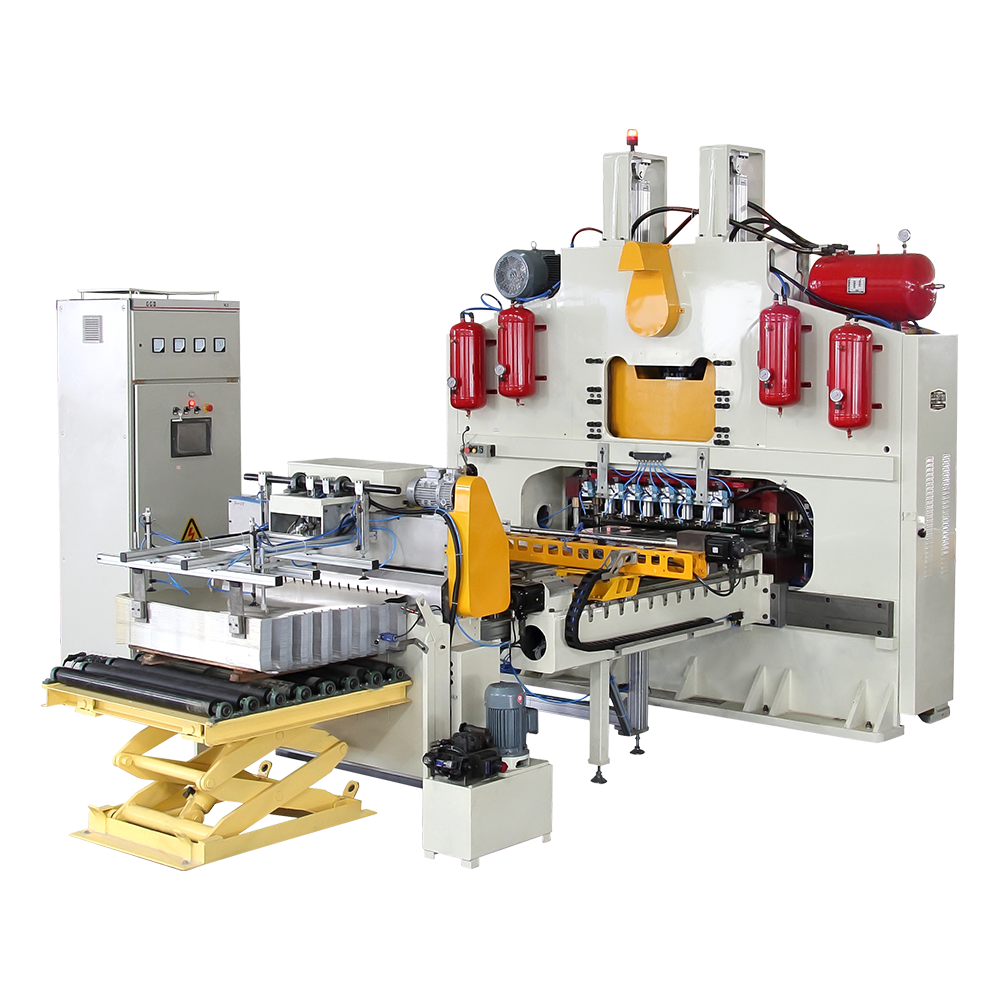
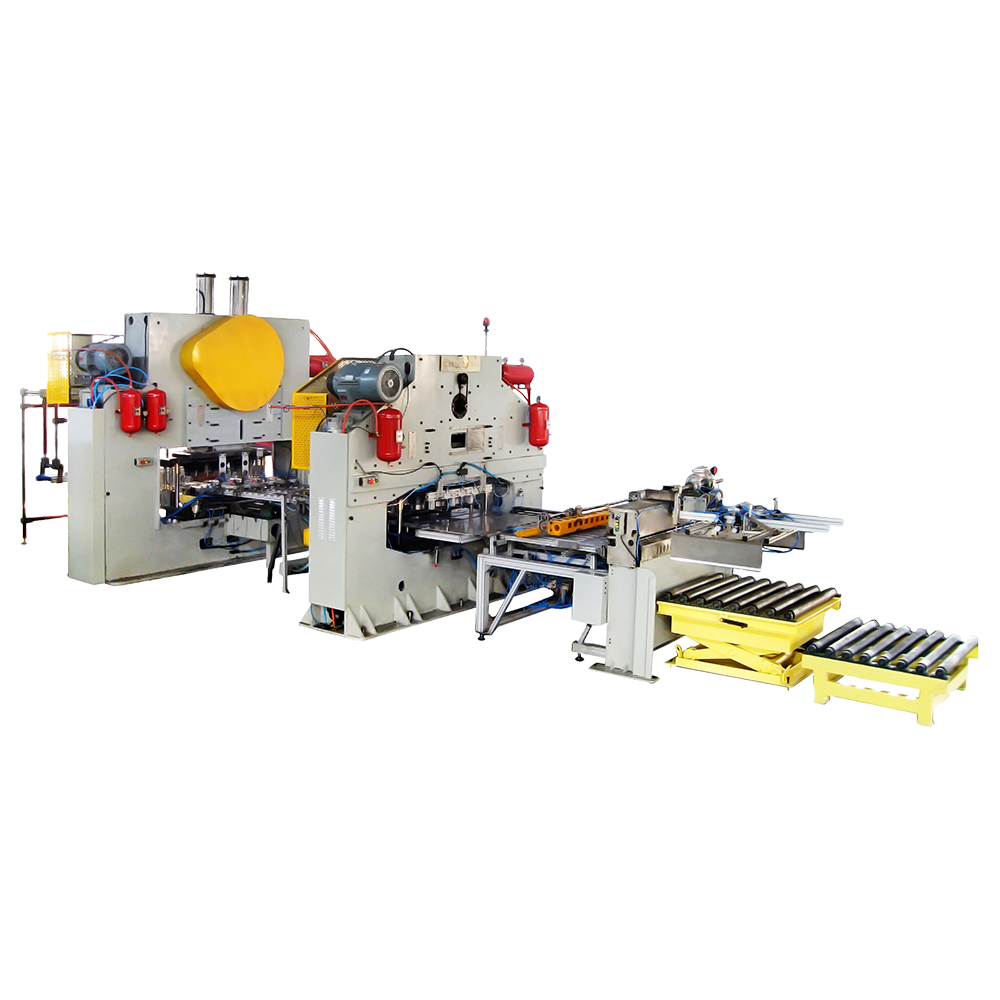
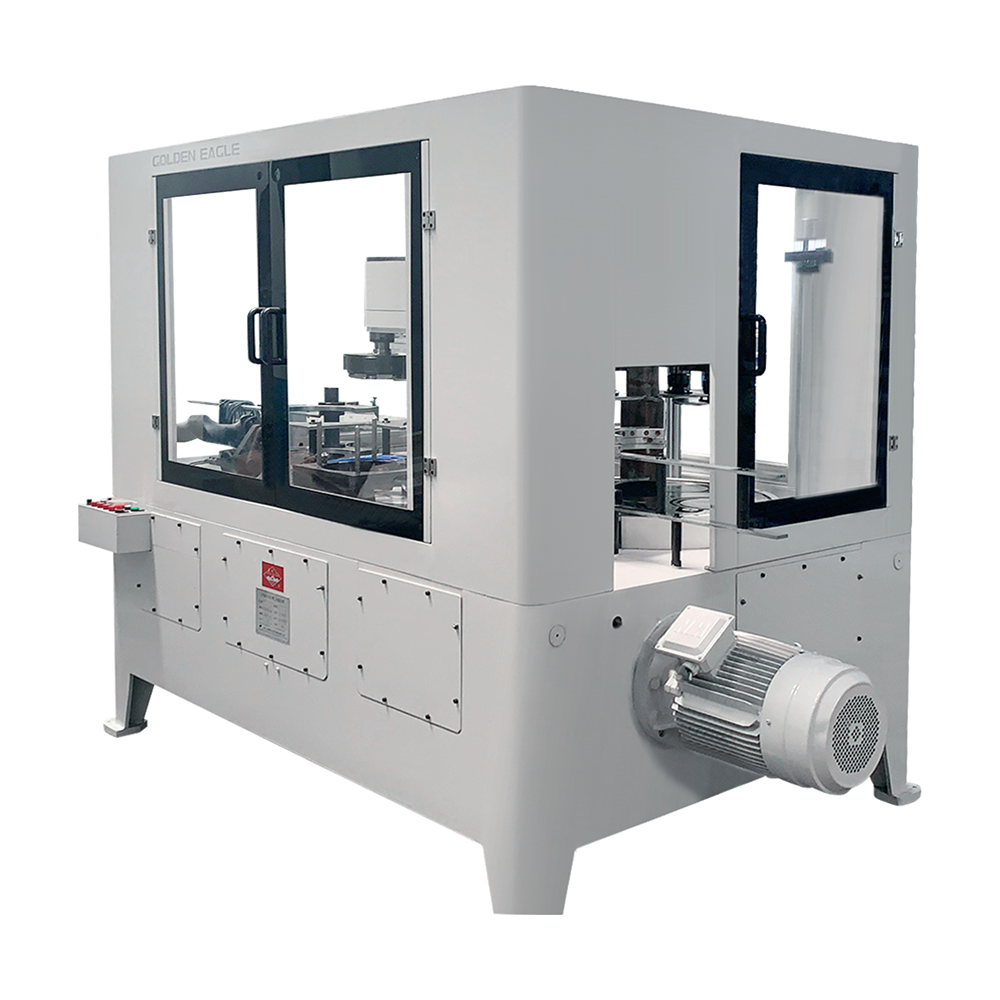
The Conversion Press Double Row Die supplied by Zhejiang Golden Eagle Food Machinery Co., Ltd. is developed for manufacturers that require efficient, repeatable, and durable forming performance. The double-row configuration allows two rows of components to be processed during each operating cycle, helping make better use of press capacity and improving output efficiency. When combined with suitable conversion press equipment, feeding systems, inspection procedures, and maintenance practices, the die can become a core element of a modern can-making production line.
This article explains the working purpose, structure, manufacturing process, performance advantages, application value, installation considerations, and maintenance requirements of a conversion press double row die. It also examines how the production experience, machining capabilities, engineering resources, and quality systems of the manufacturer support the reliability of the finished tooling.
A conversion press is used to transform metal components from one form into another through a controlled sequence of operations. Depending on the production application, the process may include drawing, forming, curling, beading, embossing, punching, scoring, shell conversion, or other shaping operations. The die assembly contains the working surfaces and guidance features that control the material during these operations.
In a conventional single-row arrangement, one line of components is processed across the active tooling layout. A double-row die provides two parallel processing paths within the same general press cycle. This configuration can increase the number of components produced per stroke while maintaining an organized and balanced tooling arrangement. It is particularly useful for manufacturers seeking higher capacity without proportionally increasing the number of presses, operators, or production areas.
The value of a double-row die does not come only from producing more pieces. Its real value depends on how well the two rows are synchronized, supported, guided, and balanced. If the tooling is not accurately manufactured or aligned, higher nominal output can be offset by defects, short tool life, excessive adjustment, and unplanned downtime. A professional double-row die must therefore combine productivity with precision, rigidity, controlled material flow, and convenient maintenance.
For can-making applications, the tooling must work consistently with the selected metal material, thickness, coating, lubricant, press speed, blank dimensions, and downstream forming requirements. The die is consequently designed as part of a production system rather than as an isolated component. Correct coordination between the die and the press is essential for stable performance.
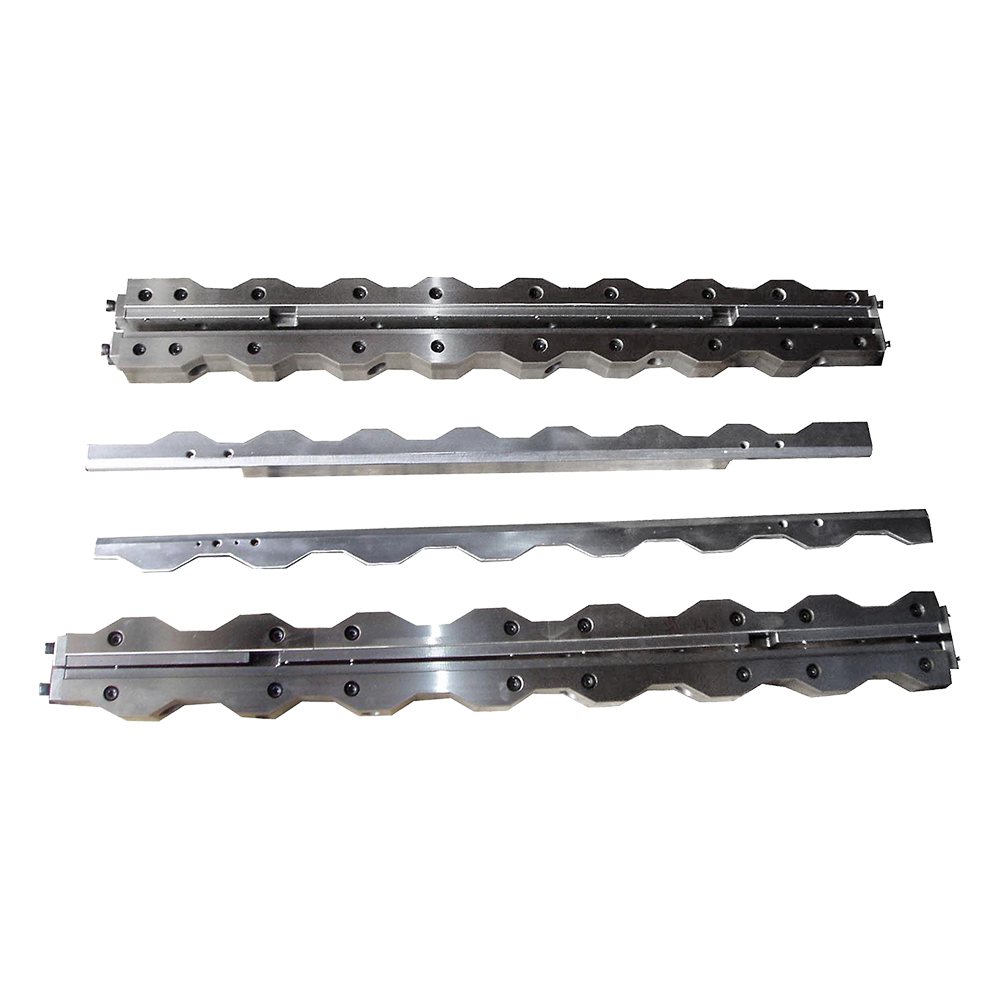
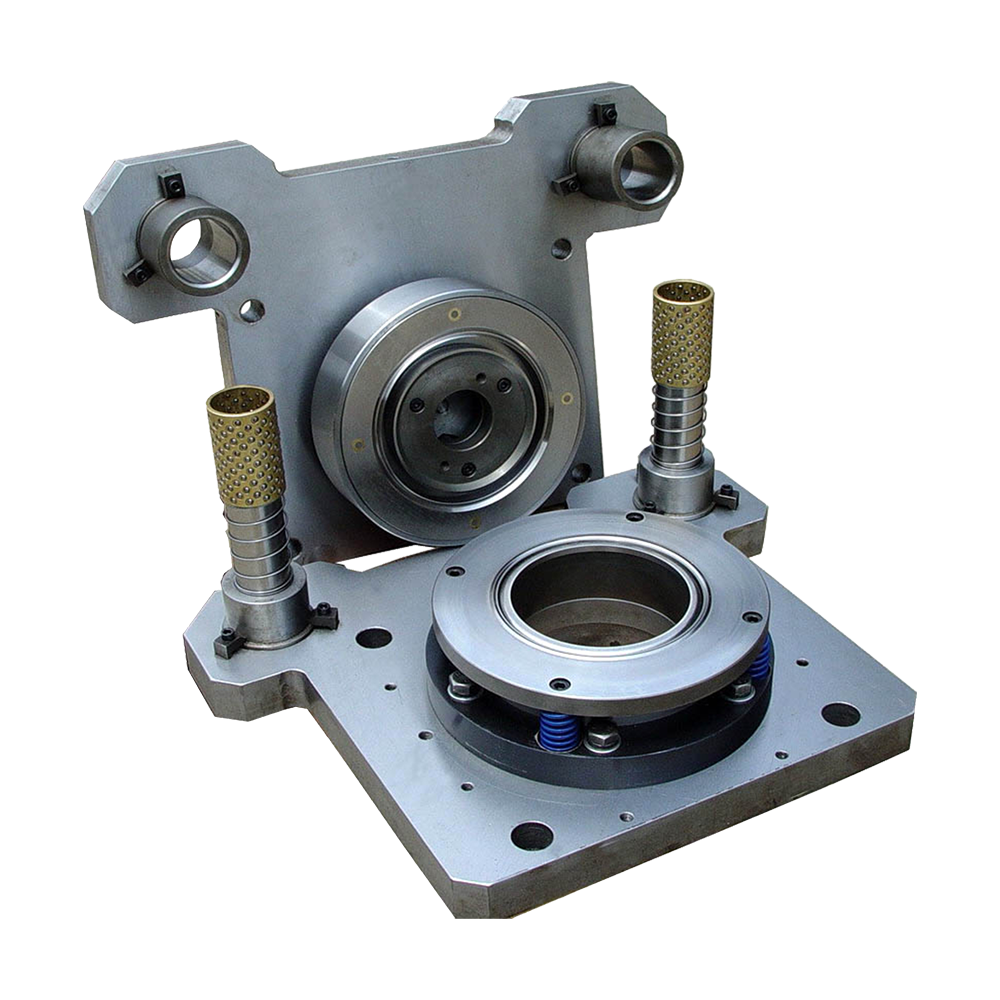
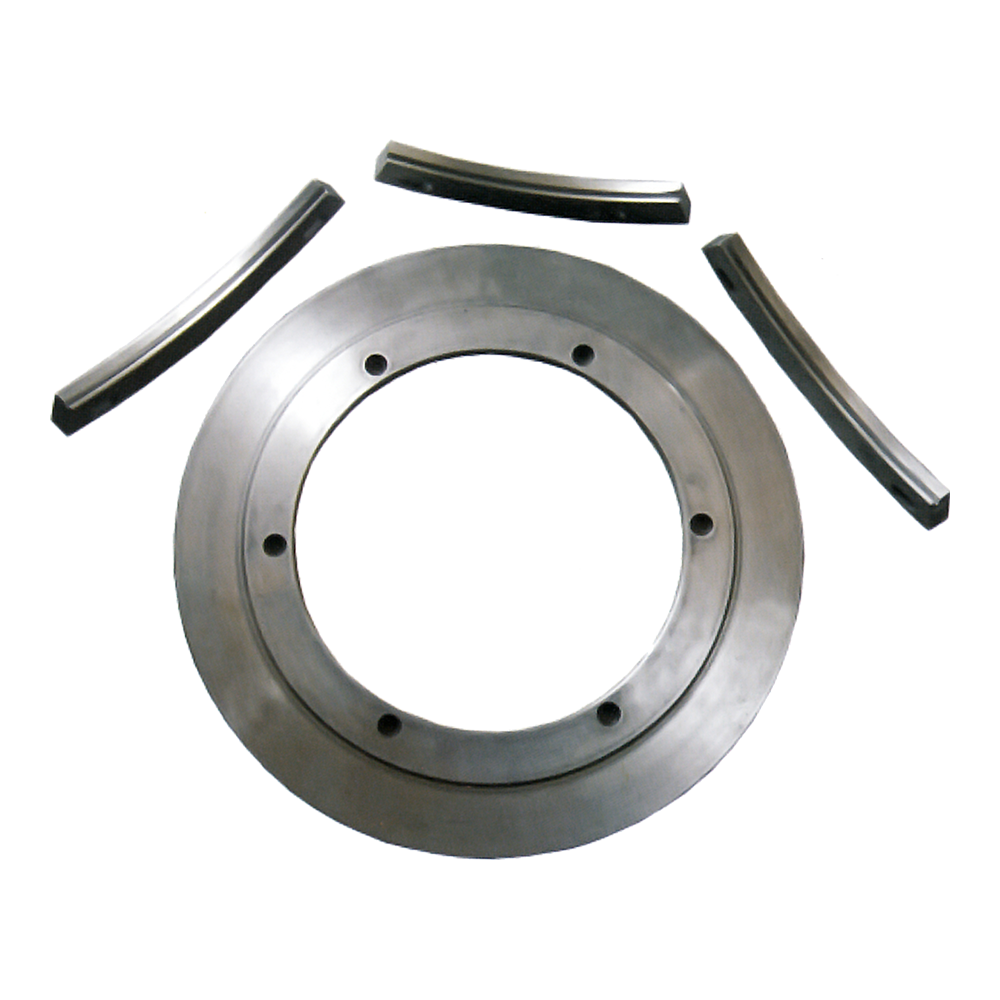
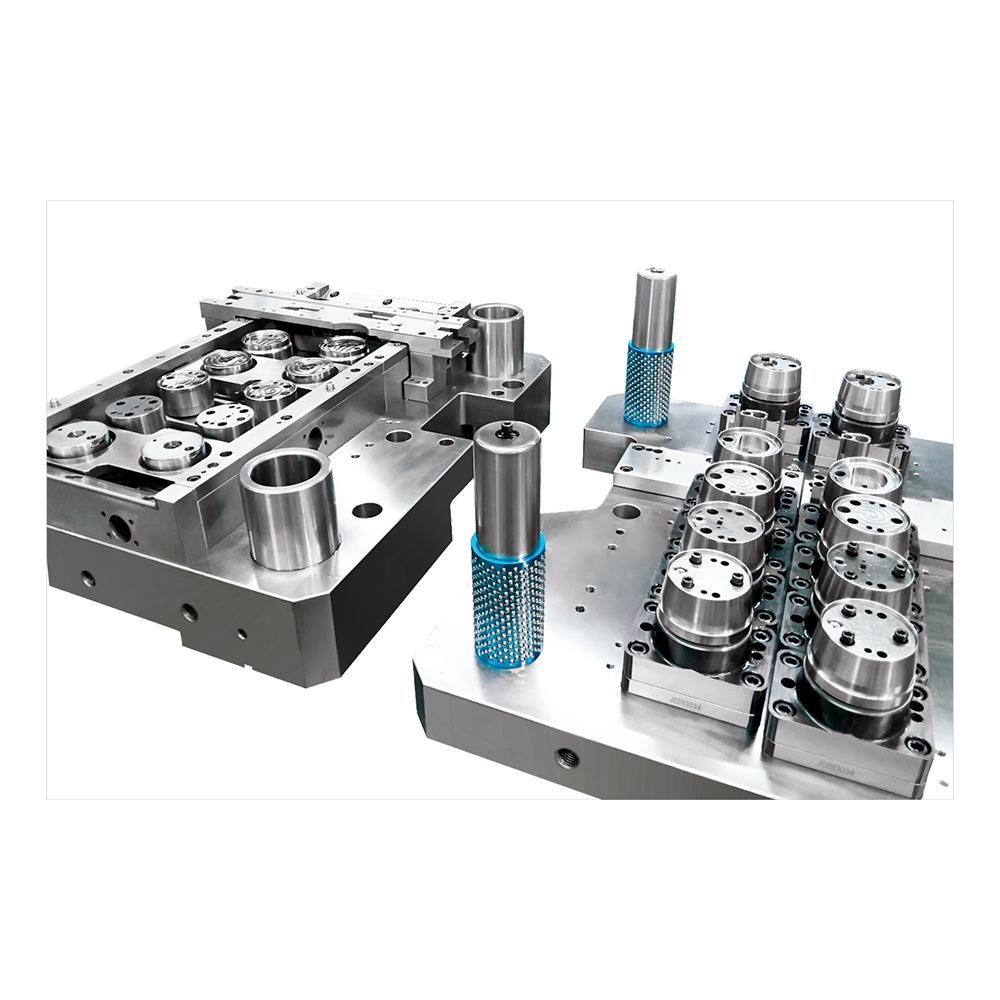
The precise configuration of a conversion press double row die depends on the target component and the customer’s production requirements. In general, the assembly includes upper and lower tooling sections, guide elements, working inserts, forming stations, cutting or conversion sections, support plates, fasteners, and adjustment features. Each part must maintain its intended position under repeated mechanical loading.
During operation, metal blanks or partially formed shells are delivered to the tooling area by a feeding mechanism. The press then moves the upper tooling toward the lower tooling. The working surfaces guide and reshape the material according to the required profile. At the end of the stroke, the formed components are separated, transferred, or released for the next stage. The cycle is repeated continuously under controlled press timing.
In a double-row configuration, the two component paths must remain accurately synchronized. The spacing between the rows, the position of each station, and the relationship between the upper and lower working parts all influence the finished result. Proper synchronization helps reduce variation between the first and second row and supports balanced loading across the press.
The design must also accommodate the movement of scrap, lubricant, and finished parts. If waste material is not discharged efficiently, it may interfere with feeding or create a safety and quality risk. If formed components are not released smoothly, they may become scratched, deformed, or incorrectly positioned. Effective tooling design therefore considers the complete material path from entry to exit.
The most visible advantage of a double-row die is its productivity potential. By processing two parallel rows, the die can increase the number of components produced in each press cycle compared with a comparable single-row configuration. This can help manufacturers achieve higher output within the same factory footprint.
Higher output may reduce the cost per component by distributing press operation, energy consumption, labor, and supporting equipment across a larger production volume. It may also help a plant respond more effectively to seasonal demand or large customer orders. However, productivity should always be evaluated together with actual press speed, feeding reliability, component size, material characteristics, and acceptable quality levels.
A properly engineered double-row tool can provide efficient capacity without requiring an unnecessarily large increase in equipment investment. It may allow a manufacturer to expand production while retaining existing plant organization and auxiliary systems. The result is a more efficient use of capital and floor space.
Can ends and other metal packaging components often require accurate profiles, consistent edges, reliable sealing areas, and stable dimensions. Small variations can influence later operations such as seaming, sealing, stacking, filling, or pressure resistance. The conversion die must therefore maintain repeatable tool geometry throughout its operating life.
Precision begins with the engineering drawings and continues through material preparation, machining, heat treatment, grinding, assembly, and inspection. Accurate guide systems help maintain alignment between the upper and lower sections. Carefully finished working surfaces reduce unnecessary friction and help the material flow in a controlled manner. Consistent station geometry improves similarity between the two rows.
Repeatability also depends on the stability of the press, the quality of the blanks, the feeding system, and the operator’s setup procedures. A high-quality die cannot compensate for every issue elsewhere in the line, but it can provide a reliable foundation for controlling the overall process.
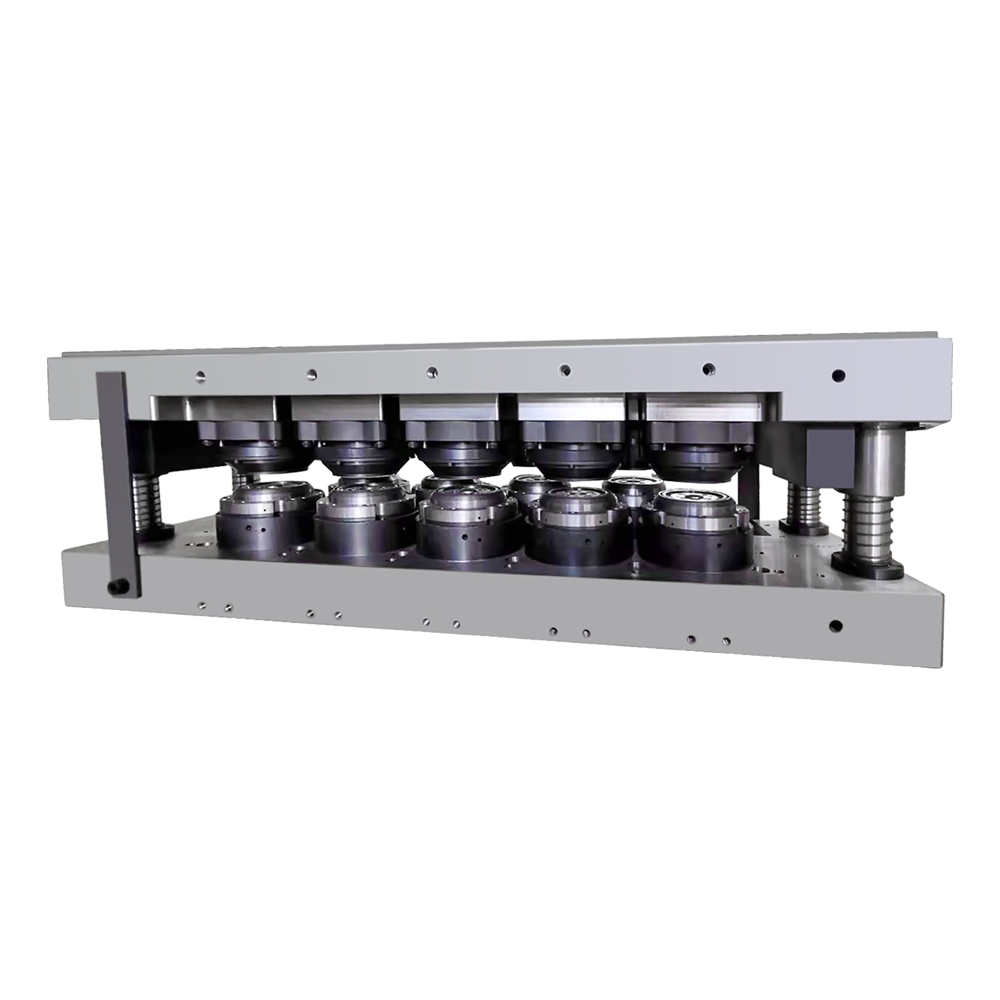
Conversion Press Double Row Die
The double-row arrangement is designed to increase production efficiency by making more effective use of each press stroke. Manufacturers can potentially produce more finished components without doubling the number of conversion presses. This is especially valuable where factory space, labor availability, or capital investment is limited.
Improved press utilization may also support better production scheduling. When output per cycle increases, manufacturers can complete planned orders in less operating time or use the available time for additional production. The exact benefit depends on the component design and operating conditions, but the double-row concept offers a clear path toward greater capacity.
A double-row die must be designed to distribute forming forces in a stable and controlled manner. A balanced layout can help reduce uneven loading, vibration, and premature wear. Stable force distribution also supports better alignment and protects the press from unnecessary mechanical stress.
Balanced tooling is important when the press operates at high speed. Any repeated imbalance may become more noticeable as speed increases. By controlling the relative position and geometry of the two rows, the die can support smoother operation and more consistent production results.
Consistent forming is essential for metal packaging components. The die must help maintain the required shape, height, edge profile, and functional surfaces. A double-row die designed with accurate machining and suitable working materials can help reduce row-to-row differences and minimize variation during extended production runs.
Consistency also simplifies downstream inspection. When the tooling produces stable components, quality personnel can establish meaningful control limits and identify abnormal conditions earlier. Stable production reduces the need for frequent manual sorting and supports a more predictable manufacturing process.
Material represents a significant part of the cost of metal packaging production. The arrangement of blanks, cutting areas, and forming stations influences how efficiently the sheet or coil material is used. A well-designed conversion tool can support an efficient layout and reduce unnecessary scrap caused by inaccurate cutting, deformation, or repeated setup adjustments.
Material savings are particularly important when using tinplate or other coated steel products with relatively high raw material value. Lower scrap levels can improve production economics while also supporting more responsible resource use. To realize this benefit, the die must be matched correctly with the blanking design and feeding method.
Conversion tooling operates under repeated impact, compression, friction, and thermal variation. Durable construction is therefore essential. The body, inserts, guides, and wear surfaces must be selected and manufactured for the specific loading conditions of the application.
Durability does not mean that a die requires no maintenance. Instead, it means the tool is designed to withstand its intended operating environment while allowing normal wear parts to be inspected, adjusted, or replaced. A durable die preserves dimensional accuracy for longer and reduces the frequency of major repairs.
Production tooling should be practical for daily use. Maintenance personnel need to access critical areas, inspect working surfaces, clean residue, check fasteners, and replace wear components without unnecessary disassembly. A service-friendly design can shorten planned maintenance periods and reduce the risk of improper reassembly.
Convenient maintenance also helps operators respond to early signs of trouble. If inspection is difficult, minor wear may remain unnoticed until it causes defects or downtime. Clear access and logical component organization encourage preventive maintenance and contribute to longer service life.
Can manufacturers produce a wide range of products, including food cans, beverage cans, aerosol containers, chemical containers, and other metal packaging formats. Each application may require a different component profile, material specification, or forming sequence. A conversion press double row die can be engineered according to the required product dimensions and process conditions.
Customization may involve working geometry, row spacing, guide configuration, material selection, surface treatment, feeding arrangement, and connection details. Careful communication between the customer and the tooling manufacturer is necessary to ensure that the final design fits the press and production line.
The performance of a conversion die depends heavily on the capabilities of the manufacturer behind it. Zhejiang Golden Eagle Food Machinery Co., Ltd. has specialized in can-making machinery and can-making molds since 1978. The company was formerly known as Zhejiang Food Machinery Factory and Zhoushan Mold Factory, reflecting its long involvement in food machinery, mold production, and metal packaging equipment.
Over more than four decades, the company has accumulated practical experience in can-making systems, can ends, molds, feeding equipment, and related production lines. This experience is valuable because tooling performance is influenced by the full production process. A manufacturer that understands press operation, feeding, material handling, and downstream production can approach die development with a more complete perspective.
The company has a team of more than 350 trained employees, including experienced design and development personnel and professional engineers. Such a team provides resources for product design, process planning, machining, assembly, testing, technical support, and customer communication. Engineering experience is particularly important for double-row tooling because the design must coordinate multiple working paths within a single press arrangement.
Modern conversion dies require accurate machining of complex surfaces, close-fitting components, guide locations, and repeatable working stations. The company uses CNC high-precision machining equipment together with complete mechanical machining equipment. CNC production supports controlled machining programs, repeatable positioning, and consistent manufacturing of multiple related components.
High-precision machining is supported by suitable process planning. Before cutting begins, engineers must determine the machining sequence, datum references, clamping method, tool selection, and inspection points. A logical sequence helps protect critical surfaces and maintain the relationship between different parts of the die.
Complete mechanical machining capability is also important. Not every component requires the same machine or process. Milling, turning, drilling, grinding, finishing, and other operations may be used according to the geometry and function of each part. The ability to manage these operations within an integrated manufacturing system can improve coordination and reduce dependency on inconsistent external processing.
The company states that its product design principles are similar to those associated with well-known European can-making machinery manufacturers, including KRUPP, SOUDRONIC, and ALFONS-HAAR. This does not mean that every product is identical to another manufacturer’s design. Rather, it indicates an engineering approach influenced by established industrial practices in can-making machinery.
Internationally informed design principles may include attention to precision, stability, maintainability, mechanical synchronization, and long-term operating performance. These principles are combined with the company’s own experience gained through production practice, customer applications, and continuous product improvement.
Engineering theory is important, but production experience reveals issues that may not be visible on a drawing. Tool wear patterns, material behavior, operator adjustment habits, maintenance access, scrap discharge, and speed-related vibration can all influence the practical performance of a die.
The company has developed and improved its products through long-term manufacturing practice. By combining design knowledge with feedback from actual production environments, it can refine tooling structures and manufacturing procedures. This practical approach helps create products that are not only technically functional but also suitable for routine factory use.
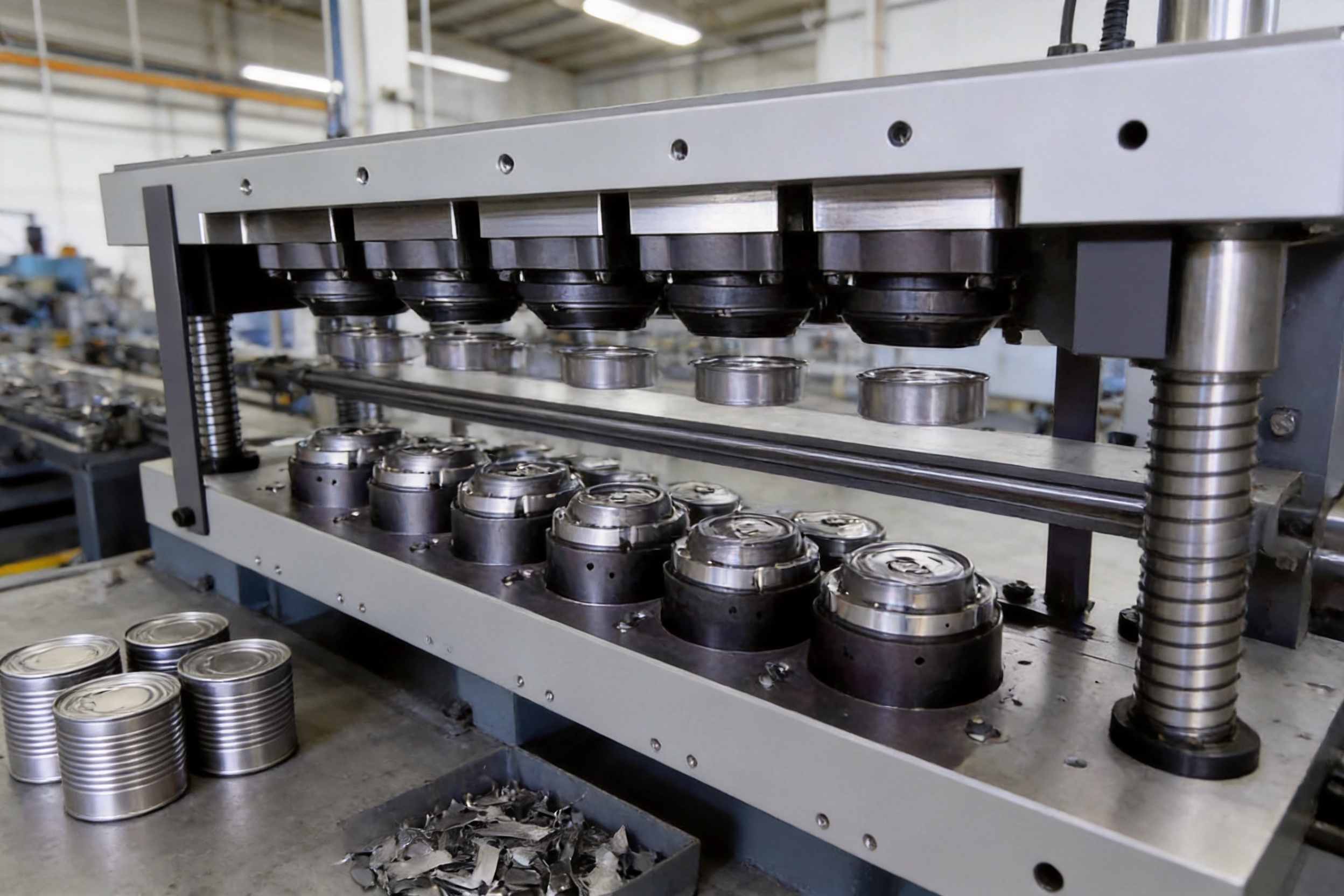
A high-quality conversion press double row die is the result of a controlled sequence of engineering and manufacturing operations. Although the exact procedure varies according to the customer’s design, the general process includes requirement analysis, technical design, material selection, machining, finishing, assembly, inspection, trial verification, and delivery preparation.
The process begins with a clear understanding of the intended product and production conditions. Engineers review the component drawing, material type, thickness, blank dimensions, target output, press model, feeding method, and downstream requirements. They also consider whether the die will be used for a new line, a replacement project, or an upgrade to existing equipment.
Accurate information at this stage helps prevent problems during installation. Important interface data may include press shut height, working stroke, available mounting area, tooling centerline, feeding direction, discharge arrangement, and connection details. The customer should also identify quality requirements such as edge condition, dimensional tolerances, surface appearance, and acceptable scrap levels.
After requirements are confirmed, engineers develop the tooling design. The design defines the forming sequence, station arrangement, row spacing, guide structure, support elements, wear components, and maintenance access. Computer-aided design tools help engineers examine component relationships and identify potential interference before manufacturing begins.
Where appropriate, engineering analysis may be used to evaluate force distribution, material movement, clearance, and structural stability. A double-row die requires particular attention to symmetry and synchronization. The two rows should produce equivalent results under the same operating conditions, while the tooling must still permit practical adjustment and inspection.
The material used for each die component is selected according to its function. Structural parts require strength and stability. Working inserts may require resistance to wear, impact, and repeated contact with coated metal. Guide elements require suitable hardness, surface finish, and dimensional stability.
Material preparation may include cutting, preliminary machining, identification, and inspection. Traceability at this stage supports quality control throughout later operations. Correct material selection contributes to service life, but it must be combined with appropriate heat treatment, surface finishing, lubrication, and operating conditions.
CNC machining is used to create accurate profiles, mounting surfaces, holes, pockets, and working geometries. Controlled machining programs help maintain repeatability between components and support the accurate relationship between the two rows. Critical dimensions are produced according to engineering drawings and process inspection requirements.
Machining quality depends on equipment condition, cutting tool selection, workholding, programming, operator skill, and environmental stability. High-precision equipment provides an important foundation, but disciplined production management is equally necessary. Workpieces must be securely located, reference points must be protected, and critical surfaces must be inspected at the correct stages.
Grinding and finishing operations are used where closer dimensional control or improved surface quality is required. The working surfaces of the die must be sufficiently smooth to support controlled material movement and reduce unnecessary friction. Sharp edges, rough areas, or inconsistent finishes can lead to scratches, deformation, or accelerated wear.
Finishing requirements vary according to the role of each component. Some areas require precise contact, while others require controlled clearance. Engineers and technicians must avoid removing too much material during finishing because excessive clearance can be as harmful as insufficient clearance.
After individual parts are machined and inspected, the die is assembled. Technicians verify the fit of plates, inserts, guides, fasteners, and adjustment elements. The assembly process must preserve the intended position of each working station and ensure that moving parts operate smoothly.
Double-row tooling requires careful comparison between the two parallel paths. Technicians check the relationship between corresponding stations, confirm row alignment, and inspect the movement of the upper and lower assemblies. Adjustment procedures may be used to achieve the required clearances and operating relationships.
Inspection may include dimensional measurement, visual examination, surface checks, movement verification, and functional trial procedures. Where production conditions allow, the tooling may be tested with representative material or installed on a compatible press for performance confirmation.
Trial verification can reveal issues related to feeding, release, material flow, row consistency, or adjustment access. Identifying these issues before shipment helps reduce installation delays at the customer’s factory. Final documentation may include drawings, operating recommendations, inspection records, and maintenance guidance according to the project requirements.
Zhejiang Golden Eagle Food Machinery Co., Ltd. has been certified to the ISO9001 quality management system and ISO14001 environmental management system. These certifications indicate that the company operates formal management systems for quality-related activities and environmental responsibilities. Certification alone does not determine the performance of a particular die, but it provides an organized framework for documentation, process control, corrective action, and continual improvement.
Quality management should cover the entire product life cycle. It begins with customer requirements and continues through design review, purchasing, machining, inspection, assembly, testing, packaging, installation, and after-sales support. A reliable manufacturer maintains attention to quality at each stage rather than relying only on final inspection.
For conversion tooling, process control is especially important because many defects originate before final assembly. Incorrect material, inaccurate machining, improper heat treatment, inadequate surface finishing, or contamination during assembly may reduce service life. A systematic quality process helps identify these risks earlier.
The company reports that it has produced more than 10,000 pieces of can and can-lid equipment. This production history indicates substantial experience with machinery and tooling used in metal packaging applications. It also provides a broad base of practical knowledge concerning different product formats, production environments, and customer requirements.
| Evaluation Area | Importance in Double-Row Die Performance | Expected Manufacturing Focus |
|---|---|---|
| Dimensional accuracy | Controls component shape, alignment, and compatibility with downstream operations | CNC machining, grinding, coordinate inspection, and controlled assembly |
| Row synchronization | Helps the two parallel paths produce consistent components | Accurate layout, guide control, station comparison, and trial verification |
| Material selection | Influences wear resistance, strength, and working life | Application-specific material choice, traceability, and appropriate treatment |
| Surface finish | Supports smooth material movement and reduces friction-related defects | Precision finishing, edge control, cleaning, and inspection |
| Maintenance access | Reduces service time and helps detect wear at an early stage | Practical layout, replaceable wear parts, and maintenance documentation |
| Press compatibility | Ensures safe installation and reliable operation | Interface review, dimensional confirmation, and customer-specific engineering |
The conversion press double row die can support a range of metal packaging applications when designed for the correct component and press system. The manufacturer supplies equipment and molds for food can production lines, beverage can production lines, can lid production lines, chemical tank production lines, aerosol canister production lines, two-piece can production lines, and pop can production lines.
In food packaging, reliable can ends and lids are essential for sealing, filling, storage, transportation, and consumer safety. The die must help produce components with stable dimensions and suitable edge profiles for later seaming or closing operations.
In beverage packaging, production speed and consistency are especially important because beverage lines often operate at high volume. A double-row configuration may help manufacturers improve output while maintaining controlled component quality. The tooling must be matched to the required material, press speed, coating, and end design.
Aerosol and chemical containers may have specialized requirements related to strength, sealing, pressure resistance, and material thickness. In these applications, die design must follow the product drawing and applicable manufacturing standards. The tool should be developed with attention to material flow and the functional requirements of the final container.
Two-piece can production and other specialized formats may involve different forming sequences from conventional three-piece can components. The conversion die must be selected and engineered according to the exact process. This is why technical consultation before ordering is important.
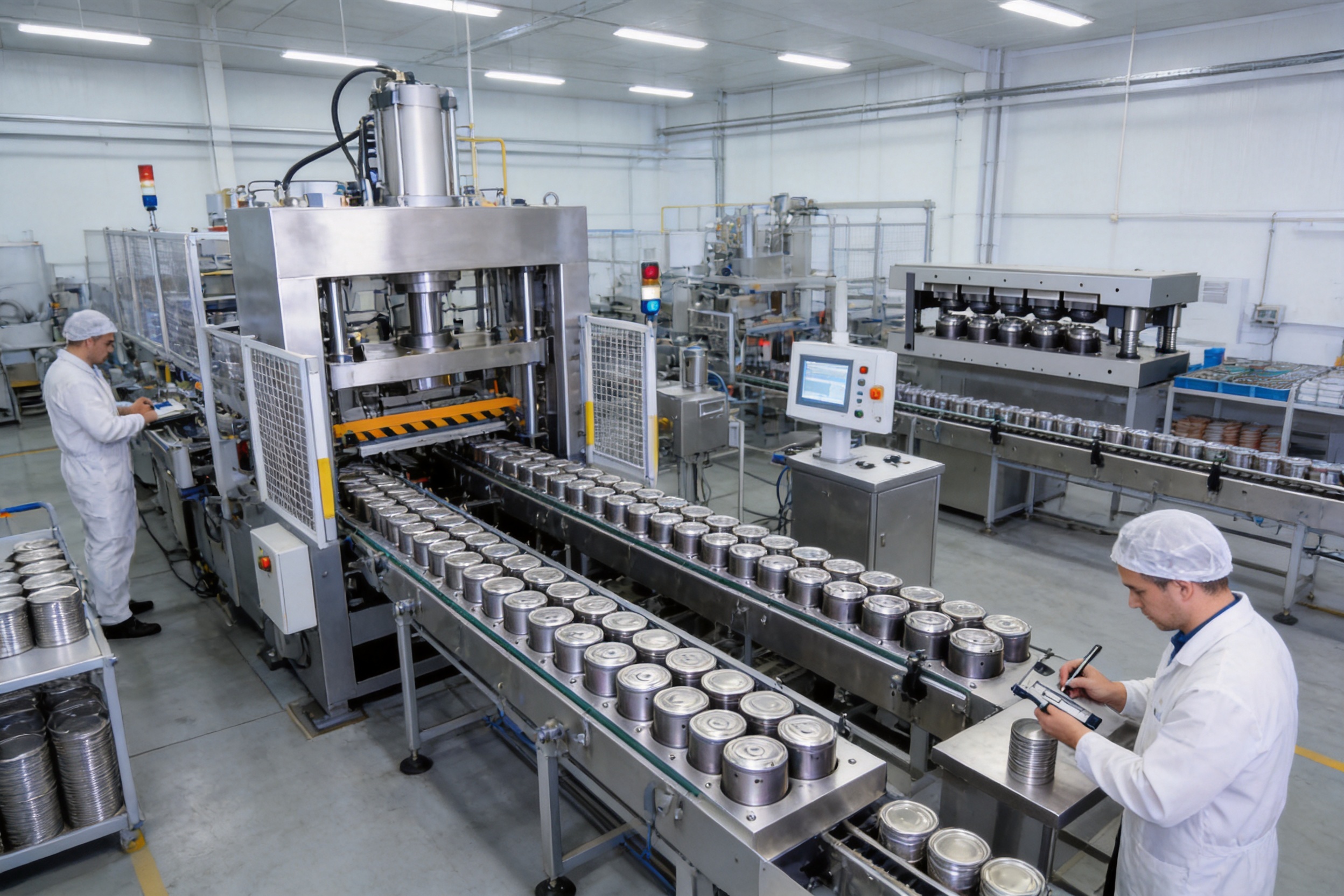
Successful installation begins with confirming that the die matches the press and supporting equipment. Before delivery, the customer should verify the press model, working stroke, mounting arrangement, feeding direction, available space, and required auxiliary connections. Any difference between the actual press and the information used for design should be communicated before production is completed.
During installation, the tooling should be cleaned, inspected, and positioned according to the supplied documentation. Mounting surfaces must be free from burrs, dirt, oil deposits, and foreign particles that could affect alignment. Fasteners should be tightened using appropriate procedures, and moving sections should be checked for smooth travel before material is introduced.
Initial commissioning should normally begin at a controlled speed. Operators can observe feeding, alignment, forming, discharge, scrap removal, lubrication, and component quality. The press speed may then be increased gradually after the system demonstrates stable operation.
Both rows should be inspected separately and compared with each other. Important checks may include component dimensions, edge condition, surface appearance, forming depth, row position, and release behavior. If one row produces different results from the other, the cause may involve alignment, feeding, material variation, clearance, lubrication, or press condition.
The manufacturer provides after-sales services including installation, commissioning, technical guidance, operation training, and parts supply. These services can be valuable when a customer is installing a new production line or introducing a new tooling configuration. Proper training helps operators understand adjustment procedures, safe operation, inspection routines, and maintenance responsibilities.
Regular maintenance is essential for preserving the accuracy and productivity of any conversion press die. The maintenance schedule should be based on operating hours, production volume, material characteristics, press speed, and the recommendations supplied with the tooling.
Metal particles, lubricant residue, coating fragments, and dust should be removed from the die at appropriate intervals. Accumulated debris can interfere with movement, affect clearances, damage finished components, or conceal early signs of wear. Cleaning should be performed using methods that do not scratch precision surfaces or leave harmful residue.
Operators and maintenance personnel should inspect guides, working surfaces, inserts, fasteners, springs, discharge areas, and adjustment features. Signs of concern may include unusual noise, vibration, metal marking, burr formation, dimensional change, inconsistent row output, or difficulty during material release.
Inspection results should be recorded where possible. Production records can help identify gradual changes and establish suitable replacement intervals. A small variation noticed early is usually easier and less expensive to correct than a major failure after extended operation.
Correct lubrication reduces friction and helps protect moving or contacting surfaces. The lubricant must be compatible with the material, tooling, press, product application, and downstream cleaning requirements. Excessive lubricant may create contamination or affect later operations, while insufficient lubrication can accelerate wear and increase forming resistance.
Wear components should be replaced before their condition affects product quality or damages other tooling surfaces. Replacement parts should meet the specified dimensions and material requirements. Using unsuitable substitutes may change clearances, alignment, or working performance.
Adjustments should be made by trained personnel using the correct sequence. Random changes to multiple settings can make troubleshooting difficult and may create new problems. When a defect appears, operators should first determine whether it is caused by the die, press, feeding system, material, lubrication, or downstream equipment.
Compared with a basic single-row or poorly integrated tooling arrangement, a professionally engineered double-row die can offer several operational advantages. The first is capacity. Two-row processing provides a path toward higher output without a proportional increase in press quantity.
The second advantage is engineering integration. A properly designed die considers the complete relationship between the component, press, feeder, material path, and discharge system. Less advanced tooling may focus only on the forming shape and leave practical issues to be resolved during installation. Integrated engineering helps reduce this risk.
The third advantage is manufacturing consistency. High-precision CNC machining, controlled finishing, careful assembly, and inspection help maintain the relationships between critical components. This is particularly important in a double-row tool, where differences between rows may become visible in production.
The fourth advantage is lifecycle value. A die that is durable, maintainable, and supported by replacement parts can provide greater value than a lower-cost tool that requires frequent adjustment or early replacement. The correct comparison should include output, scrap, downtime, maintenance, service life, and technical support rather than purchase price alone.
The fifth advantage is supplier capability. A manufacturer with experience in complete can-making machinery can often provide more informed support than a supplier focused only on isolated tooling. Knowledge of production lines, feeding systems, can ends, and related machinery helps improve communication during design and commissioning.
Customers should provide complete technical information before requesting a quotation or final design. The information should include the product drawing, material specification, blank dimensions, target production rate, press details, preferred feeding arrangement, and any existing tooling interface.
The intended product application should also be identified. A die for a food can lid may have different requirements from a die for a beverage end, aerosol component, chemical container, or two-piece can. The final container function influences the required shape, strength, sealing area, and forming sequence.
Production objectives should be clearly stated. Some customers prioritize maximum output, while others prioritize flexibility, fast changeover, minimum scrap, long service life, or compatibility with existing equipment. Understanding these priorities allows the design to be optimized for the actual factory situation.
Customers should also consider future development. If several related component sizes may be produced in the future, the tooling and press arrangement may need to accommodate planned changes. Early discussion can help avoid unnecessary limitations and support a more efficient long-term investment.
Zhejiang Golden Eagle Food Machinery Co., Ltd. is located in Zhoushan City, Zhejiang Province, China. The company has developed from a long-established food machinery and mold manufacturing background into a supplier of complete can-making equipment and related production systems.
Its product range includes food and beverage can-making machinery, can lid and end-making machinery, cutting machines and duplex slitters, milk powder can-making machinery, easy-open end lid-making machinery, automatic tin can welding machines, aerosol cone and dome-making equipment, chemical tank-making machinery, automatic feeding machines, aerosol can-making machinery, two-piece can-making machinery, and molds.
This broad product range provides a useful technical context for the conversion press double row die. Tooling is often influenced by neighboring processes, including cutting, feeding, welding, forming, sealing, and inspection. A supplier that understands these processes can better support complete production planning.
The company reports that its products have been exported to Europe, Asia, Africa, North America, South America, and Oceania. Its international customer experience includes markets such as Germany, Italy, the United Kingdom, Spain, Hungary, Russia, Australia, Jordan, Malaysia, the Philippines, Pakistan, Egypt, Algeria, Turkey, Mexico, Nigeria, and Iran. Export experience requires attention to technical communication, documentation, installation, service, and different operating environments.
International production support also encourages manufacturers to maintain consistent quality procedures. Customers may have different specifications, production standards, and expectations, but the tooling must still be manufactured with clear documentation and reliable technical communication.
A conversion press double row die is a tooling assembly designed to process two parallel rows of metal components during a press operation. It can be used for forming, converting, cutting, or shaping can ends, lids, shells, or other metal packaging parts, depending on the specified design.
The main benefit is improved production capacity. Two rows can be processed during a press cycle, which may increase output and improve the use of existing press equipment. Actual output depends on the component, press speed, material, feeder, and operating conditions.
Yes. The configuration should be developed according to the customer’s product drawing, material, press model, feeding arrangement, production target, and interface requirements. Customization may involve the working geometry, row spacing, guide structure, materials, and connection details.
The suitable material depends on the product and die design. Tinplate and other metal packaging materials may be used when their thickness, coating, hardness, and forming characteristics are compatible with the tooling. The customer should provide complete material information during the design stage.
Quality is supported through engineering review, CNC high-precision machining, mechanical processing, finishing, assembly, inspection, and trial verification. The company also operates ISO9001 quality management and ISO14001 environmental management systems.
Press compatibility is essential. The die must match the press stroke, mounting arrangement, working height, centerline, feeding direction, available space, and operating conditions. Incorrect interface information can cause installation problems or prevent proper operation.
Operators should check mounting security, alignment, feeding, material movement, forming quality, row-to-row consistency, scrap discharge, lubrication, noise, vibration, and finished component dimensions. Initial operation should begin at a controlled speed and increase gradually after stable performance is confirmed.
Service life can be extended through regular cleaning, suitable lubrication, correct press adjustment, timely inspection, controlled operating conditions, replacement of worn parts, and proper alignment. Operators should address abnormal noise, vibration, burrs, scratches, or dimensional changes promptly.
The company provides after-sales services including installation, commissioning, technical guidance, operation training, and parts supply. The exact scope of support should be confirmed according to the project and customer requirements.
A specialist understands how the die interacts with presses, feeders, blanks, forming operations, discharge systems, and downstream can production equipment. This broader knowledge can improve design communication, commissioning, troubleshooting, and long-term production support.
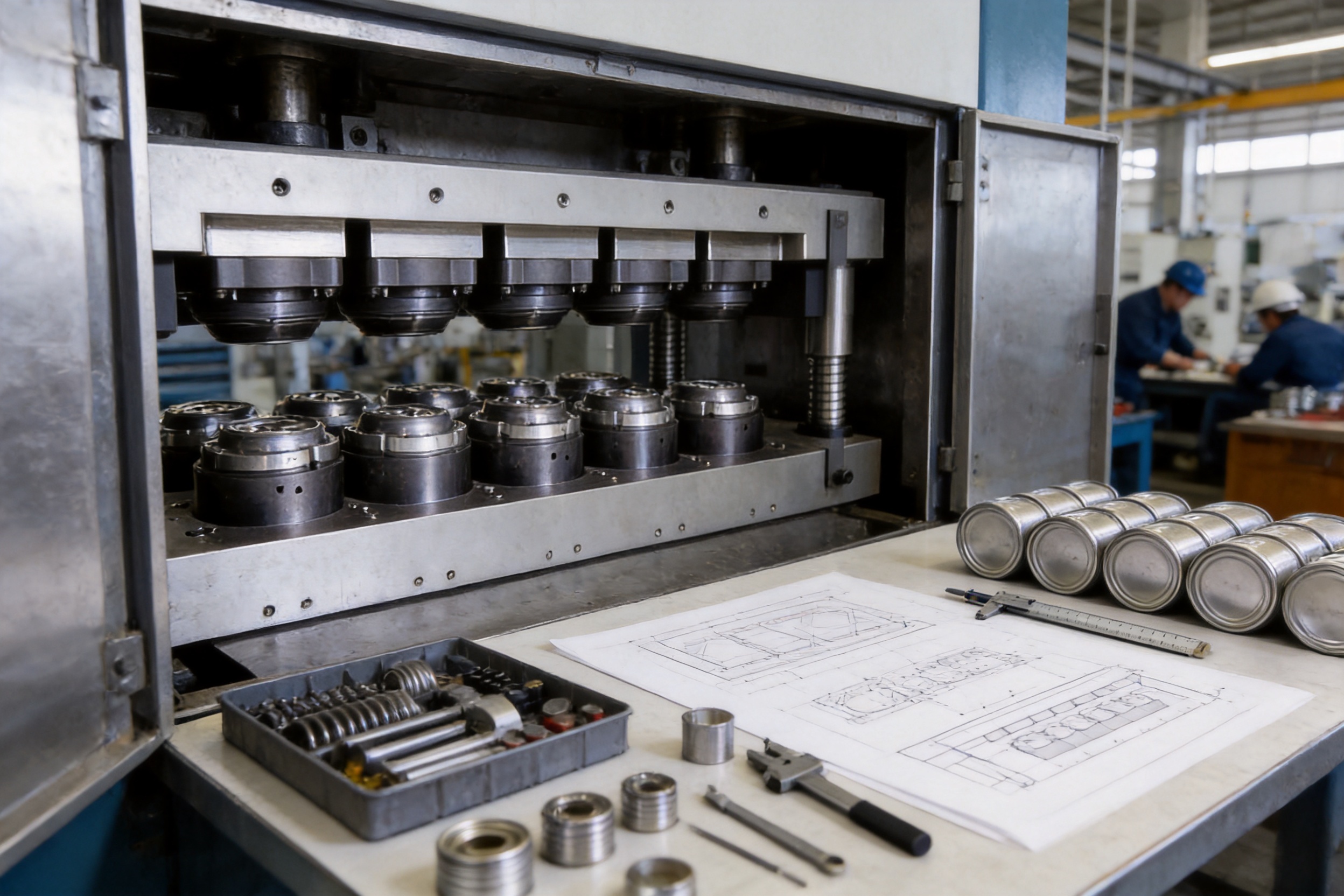
The conversion press double row die is an important productivity and quality tool for modern metal packaging production. Its double-row structure can increase output per press cycle, improve the use of factory space, and support more efficient production planning. Its value is greatest when the tooling is precisely manufactured, properly aligned, compatible with the press, and supported by effective maintenance and technical service.
The Conversion Press Double Row Die from Zhejiang Golden Eagle Food Machinery Co., Ltd. benefits from the company’s long history in can-making machinery and mold manufacturing. Since 1978, the company has developed practical experience in can production equipment, can lids, feeding systems, molds, and complete production lines. Its more than 350 employees, professional engineering resources, CNC high-precision machining equipment, complete mechanical processing capabilities, and formal quality and environmental management systems provide a strong foundation for manufacturing reliable tooling.
For customers comparing different suppliers, the most important evaluation should include more than the initial price. Output potential, dimensional consistency, material efficiency, durability, maintenance access, press compatibility, commissioning support, replacement parts, and supplier experience all influence the total value of the die. A well-engineered double-row solution can help manufacturers achieve dependable production while preparing their factories for future capacity and product requirements.
1. Company product information for Conversion Press Double Row Die.
2. Company information and manufacturing history supplied by Zhejiang Golden Eagle Food Machinery Co., Ltd.
3. General principles of metal forming, press tooling design, and die maintenance.
4. ISO 9001 quality management system principles.
5. ISO 14001 environmental management system principles.
6. General practices for can-making machinery production lines, metal packaging forming, tooling inspection, and preventive maintenance.
Related Products

Founded in 1978, the company is one of the largest can-making machinery well-known companies at home and abroad.
Product Categories
Contact Information
Zhongshatou Shenjiamen Zhoushan Zhejiang China
+86-580-3056646

 English
 中文简体
 русский
 عربى
 Español