2026-05-04
The global can packaging market is undergoing a transformative phase, driven by rising demand for convenient, shelf-stable food and beverage products, increasing focus on sustainability (cans are 100% recyclable), and the expansion of e-commerce for packaged goods. According to Grand View Research, the market is projected to reach $45.2 billion by 2030, growing at a compound annual growth rate (CAGR) of 5.8% from 2024 to 2030. At the heart of this growth lies the evolution of can making technology—from manual, labor-intensive processes to automated, high-precision machines that deliver speed, accuracy, and cost-effectiveness. Among these innovations, the Flanging Seaming High Performance Can Making Machine stands out as a game-changer, redefining industry standards for efficiency and reliability.
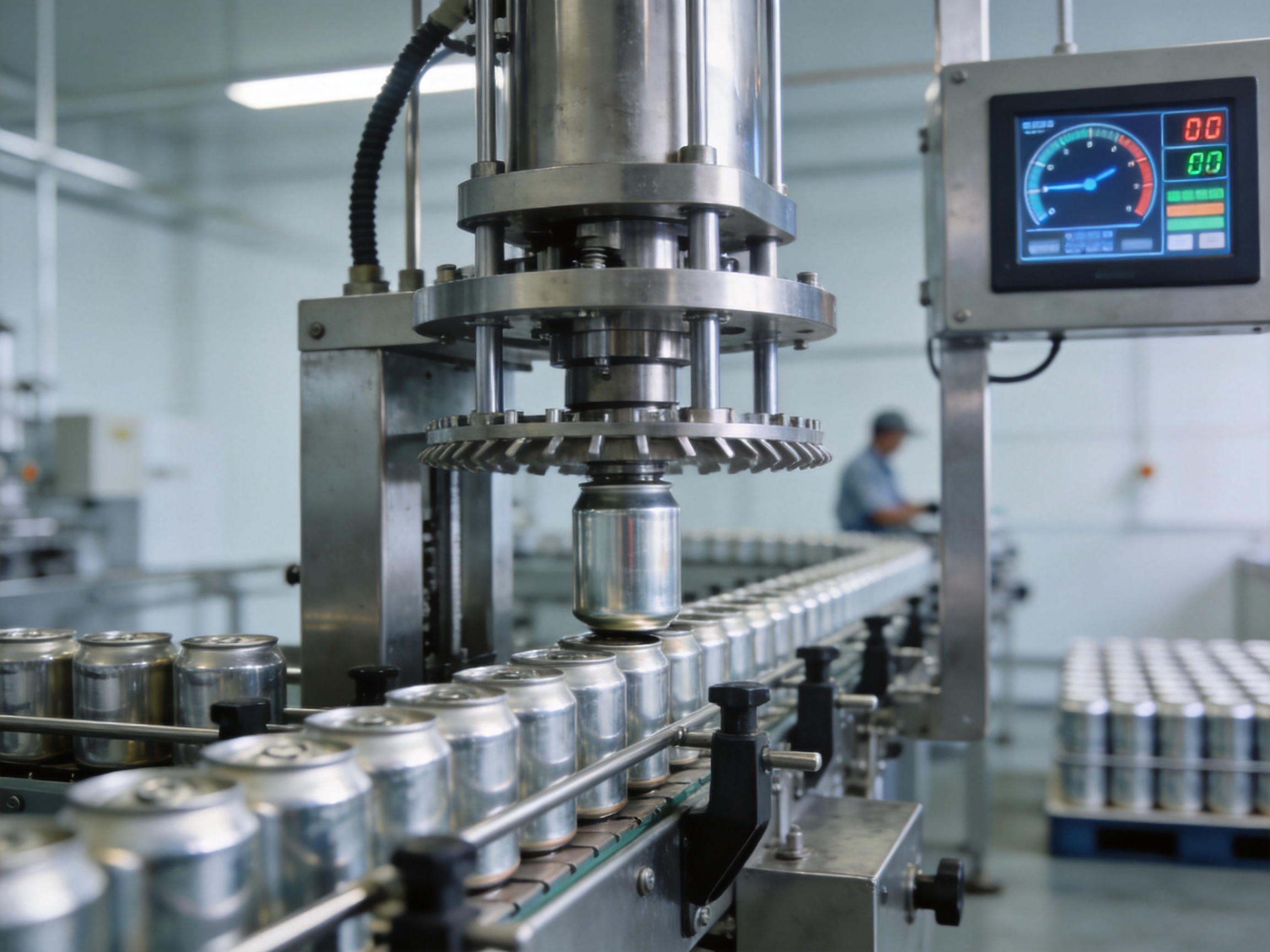
Can making has come a long way since its inception in the 19th century. Early can production relied on manual labor, with workers hand-forming can bodies, soldering seams, and attaching lids—processes that were slow, error-prone, and limited in scale. The 20th century brought significant advancements: the introduction of mechanical seaming machines in the 1920s, followed by automated lines in the 1960s that integrated cutting, forming, and seaming into a single process. Today, the focus is on smart, energy-efficient machines that minimize waste, maximize output, and adapt to diverse production needs.
Modern can making requires machines that can handle multiple steps (e.g., flanging, seaming, beading) with consistent precision. Flanging—forming a lip on the can body to facilitate lid attachment—is critical for creating a secure seal. Seaming, the hermetic bonding of the can body and lid, ensures product freshness and safety. Any defect in these steps can lead to product spoilage, costly recalls, and damage to brand reputation. This is why the latest generation of can making machines, like the Flanging Seaming High Performance model, are designed to eliminate errors and optimize performance.
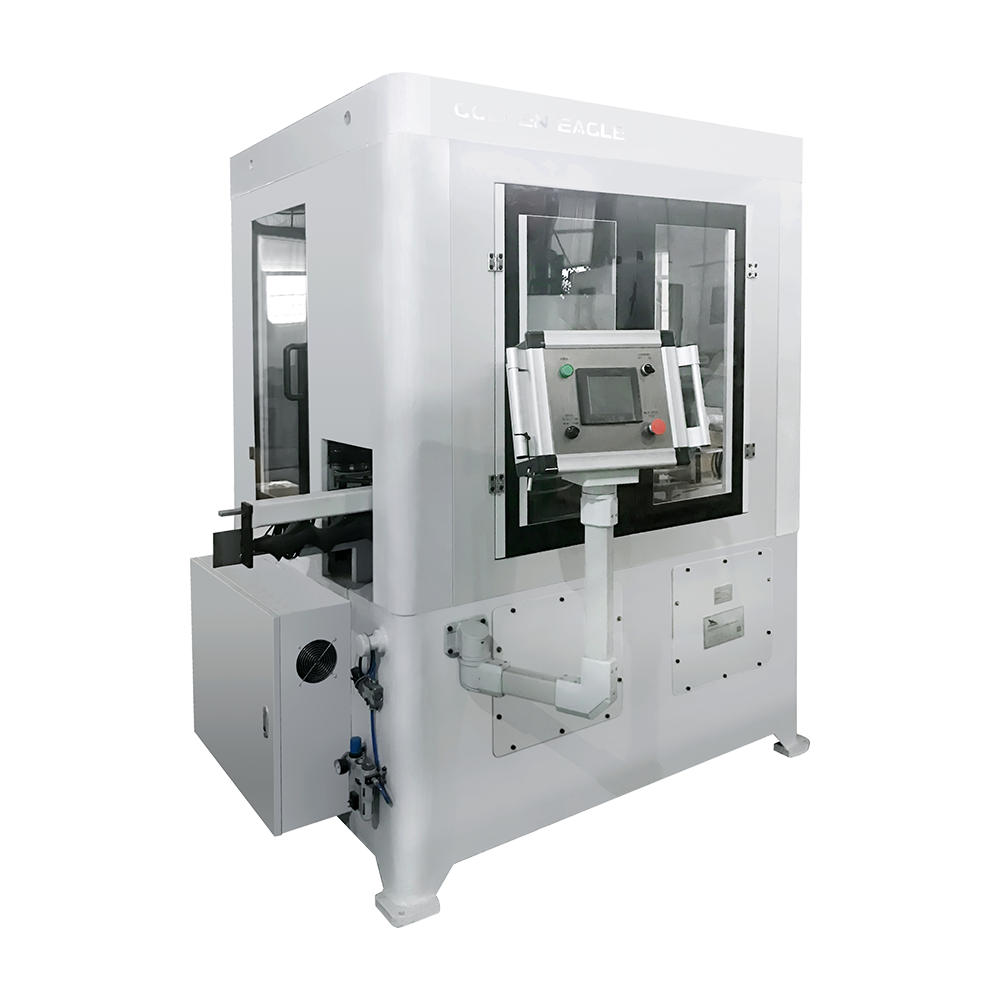
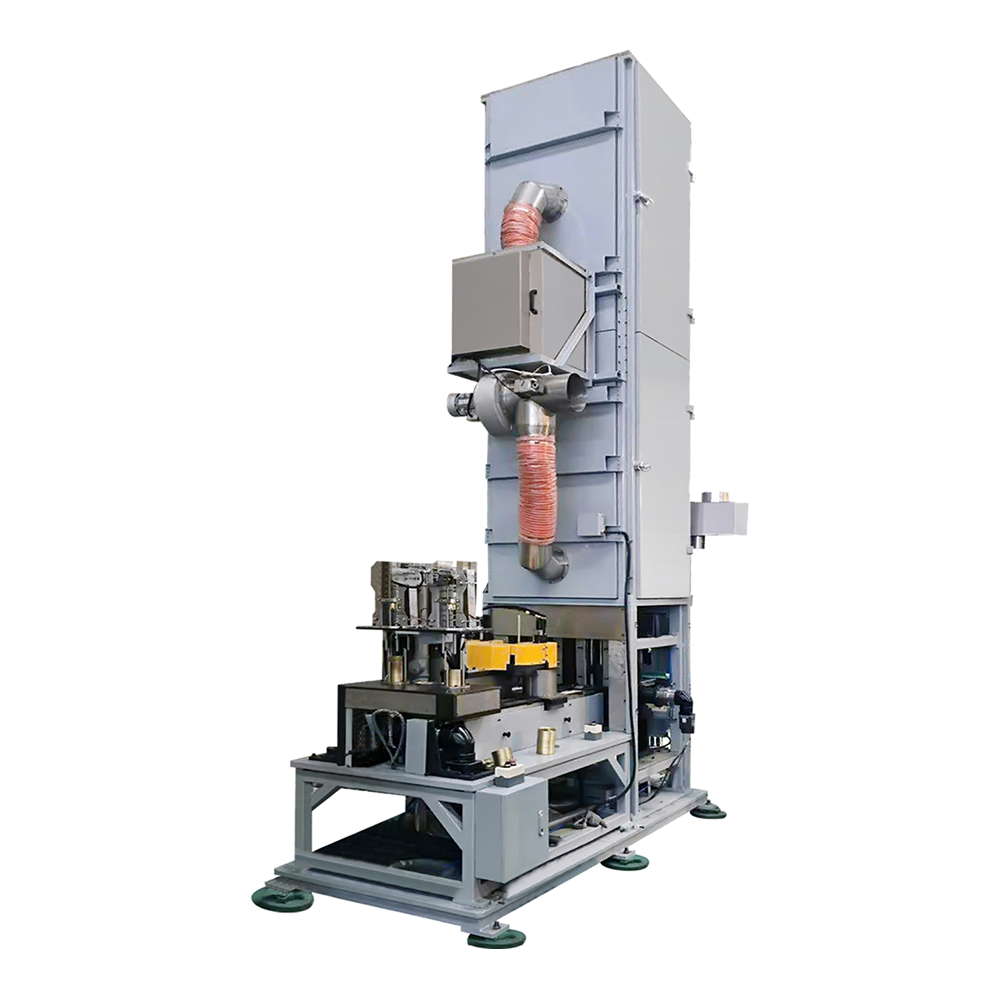
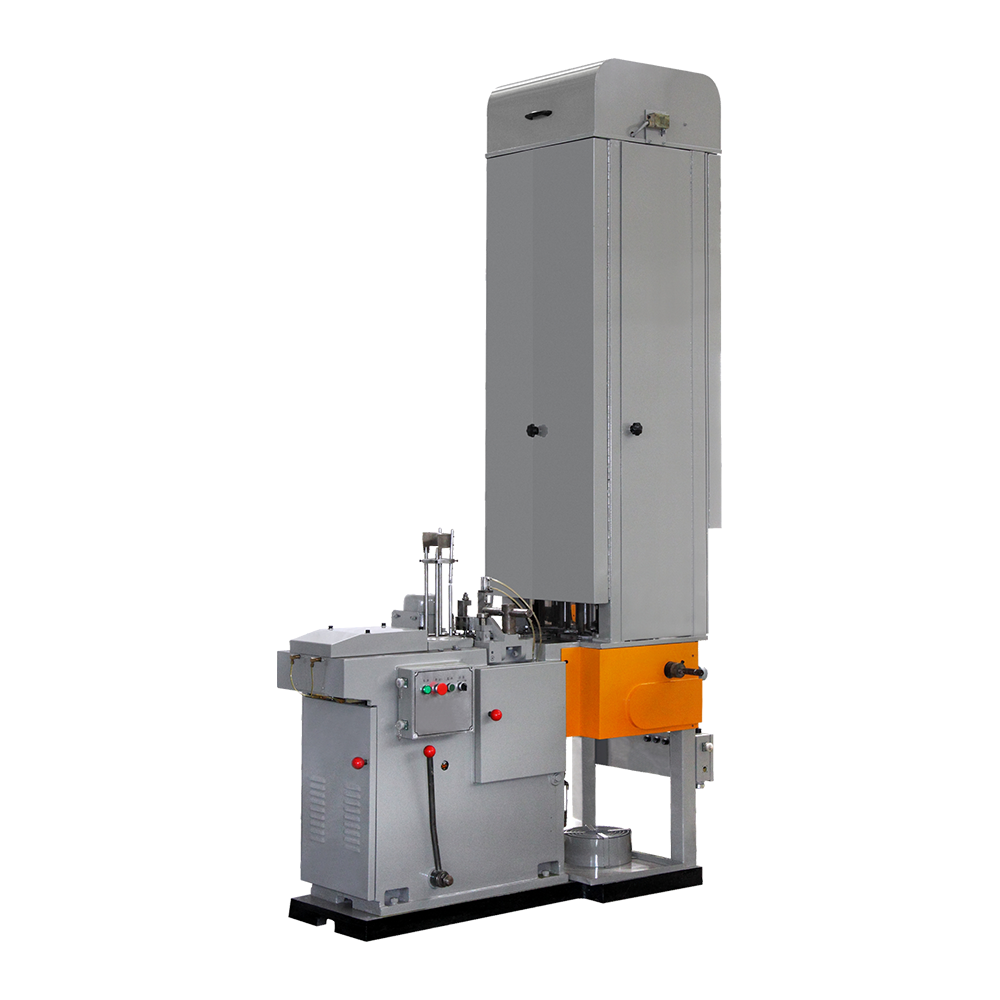
The Flanging Seaming High Performance Can Making Machine (model GT3B53-FS-5, 8-head) is a vertical automatic combination machine engineered for food can production. It integrates flanging and seaming into a single, continuous process, eliminating the need for separate machines and reducing production time. Below are its key specifications and advantages over competitors:
The GT3B53-FS-5 outperforms similar machines from competitors in several key areas:
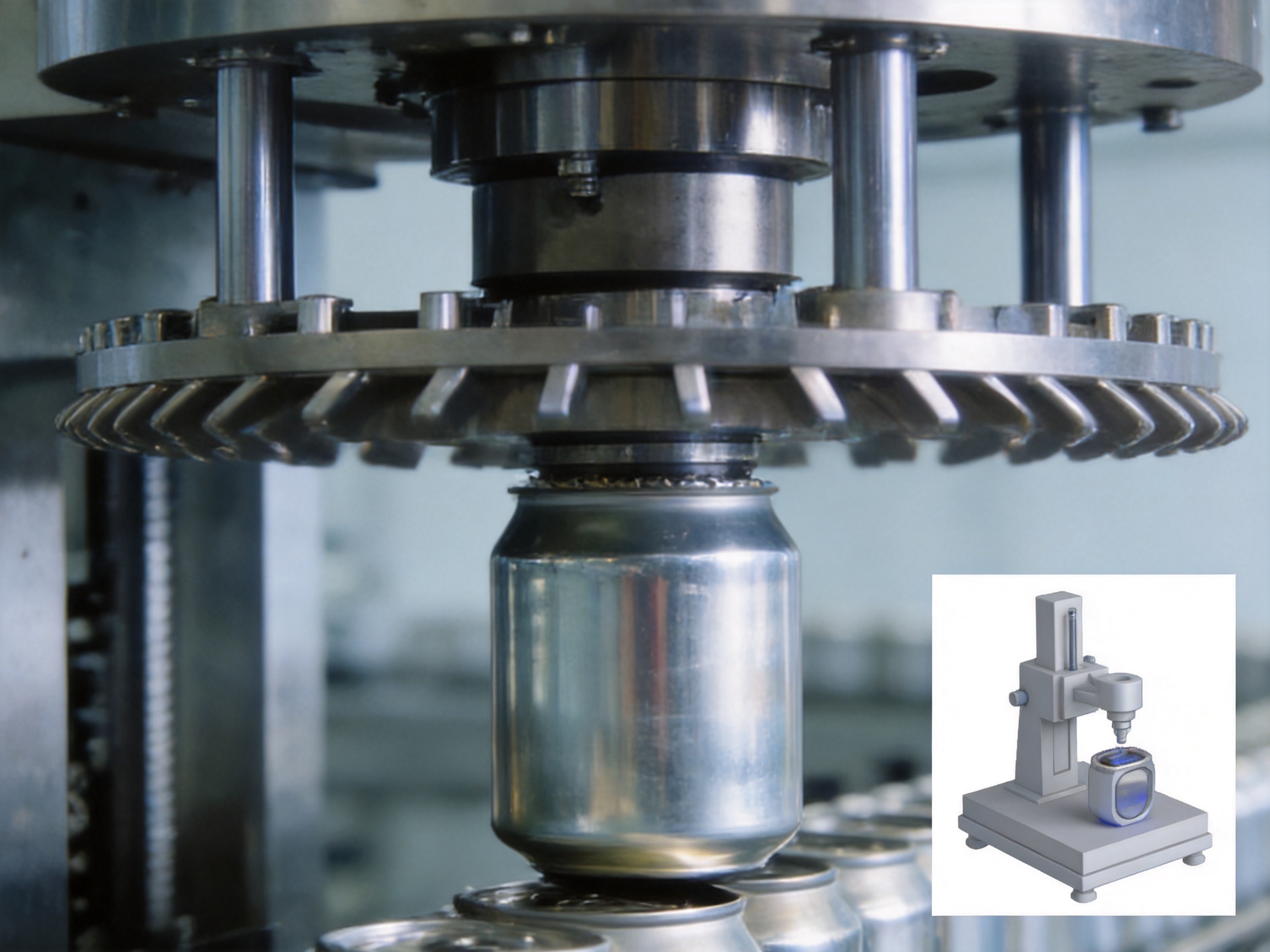
Zhejiang Golden Eagle Food Machinery Co., Ltd.—the manufacturer behind the GT3B53-FS-5—employs state-of-the-art processes that ensure every machine meets global quality standards. With over 46 years of experience (founded in 1978), the company combines international engineering principles with local expertise to deliver innovative, reliable solutions.
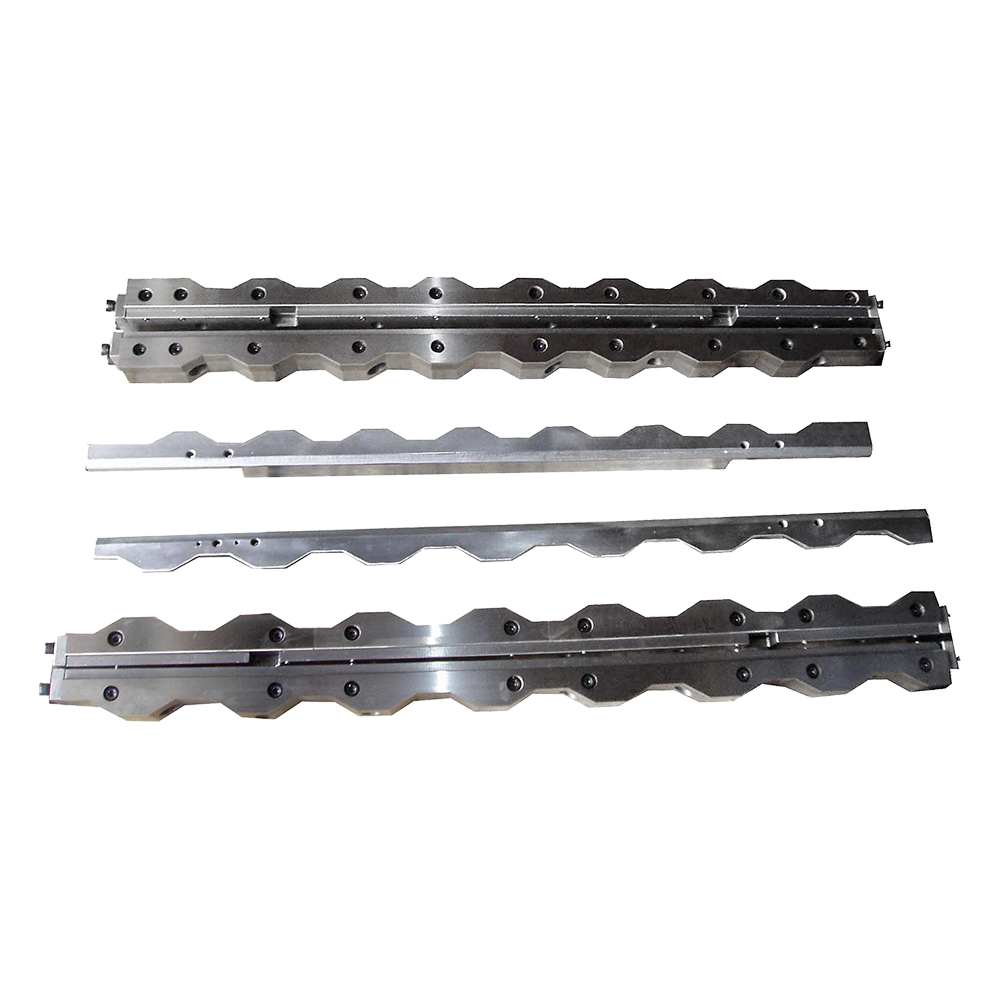
The company uses 5-axis CNC machining centers for all critical components, including seaming rolls, flanging dies, and drive shafts. These machines achieve tolerances as tight as ±0.01 mm, which is essential for uniform can sealing. For example, seaming rolls are machined with a surface finish of Ra 0.8 μm, preventing scratches on can lids and ensuring a hermetic seal. This precision is verified through 3D scanning and coordinate measuring machine (CMM) testing before assembly.
The company’s design principles are inspired by renowned engineering firms like KRUPP, SOUDRONIC, and ALFONS-HAAR—leaders in can making technology. This alignment ensures that machines incorporate proven, efficient designs. Additionally, the company’s in-house R&D team (comprising 25+ professional engineers) adapts these designs to local market needs, such as optimizing for smaller can sizes common in Asian food packaging.
ISO 9001-certified quality control processes cover every stage of production:
The result is a defect rate of less than 0.5% for all products—far below the industry average.
As an ISO 14001-certified company, sustainability is a core focus. The GT3B53-FS-5 uses energy-efficient motors and reduces waste by minimizing material loss during machining. Additionally, the company uses recyclable materials for machine components and implements water-saving measures in its production facilities. This aligns with global trends toward eco-friendly manufacturing and helps customers meet their sustainability goals.
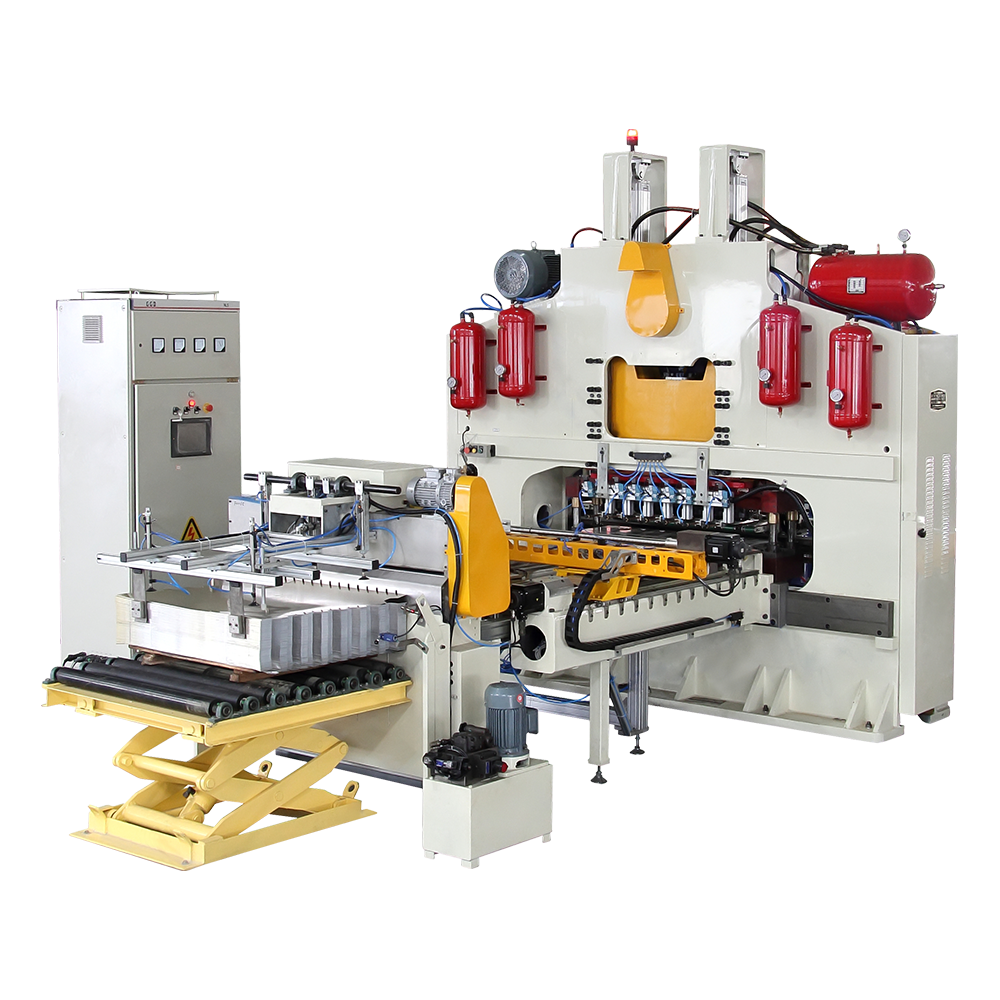
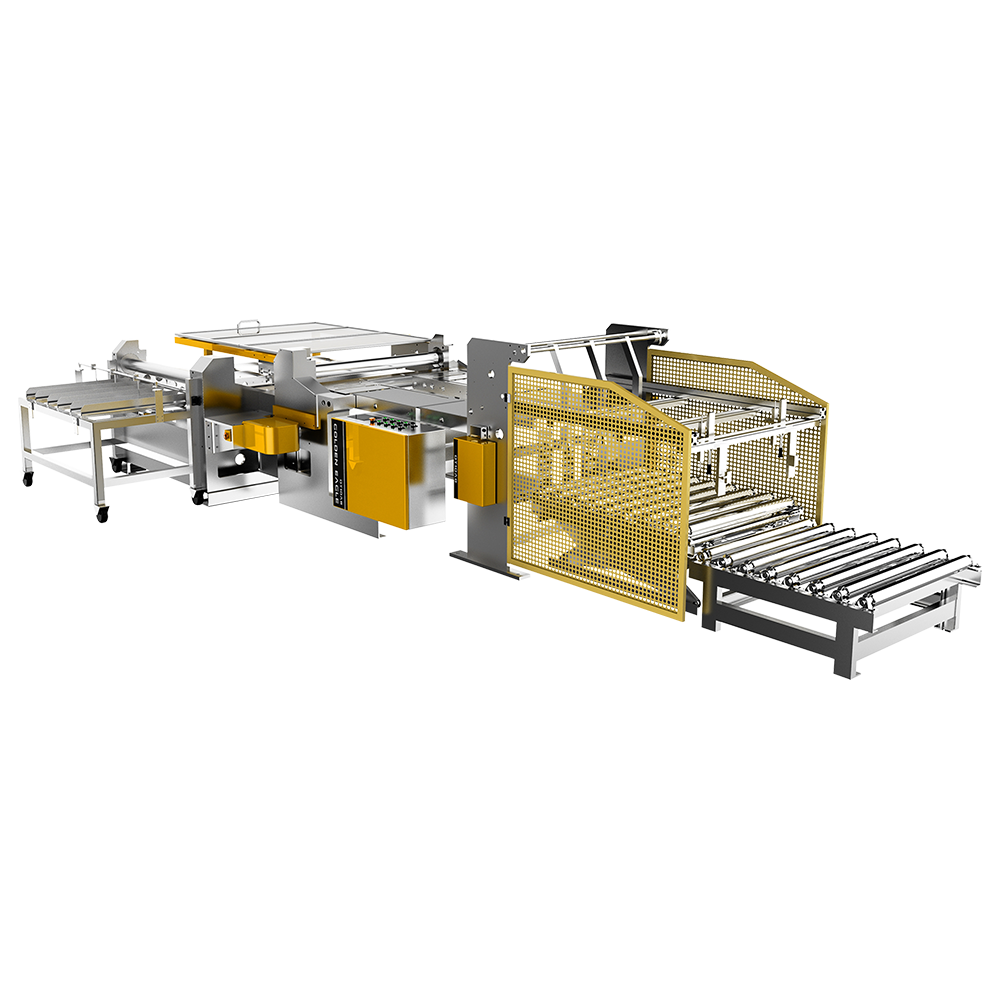
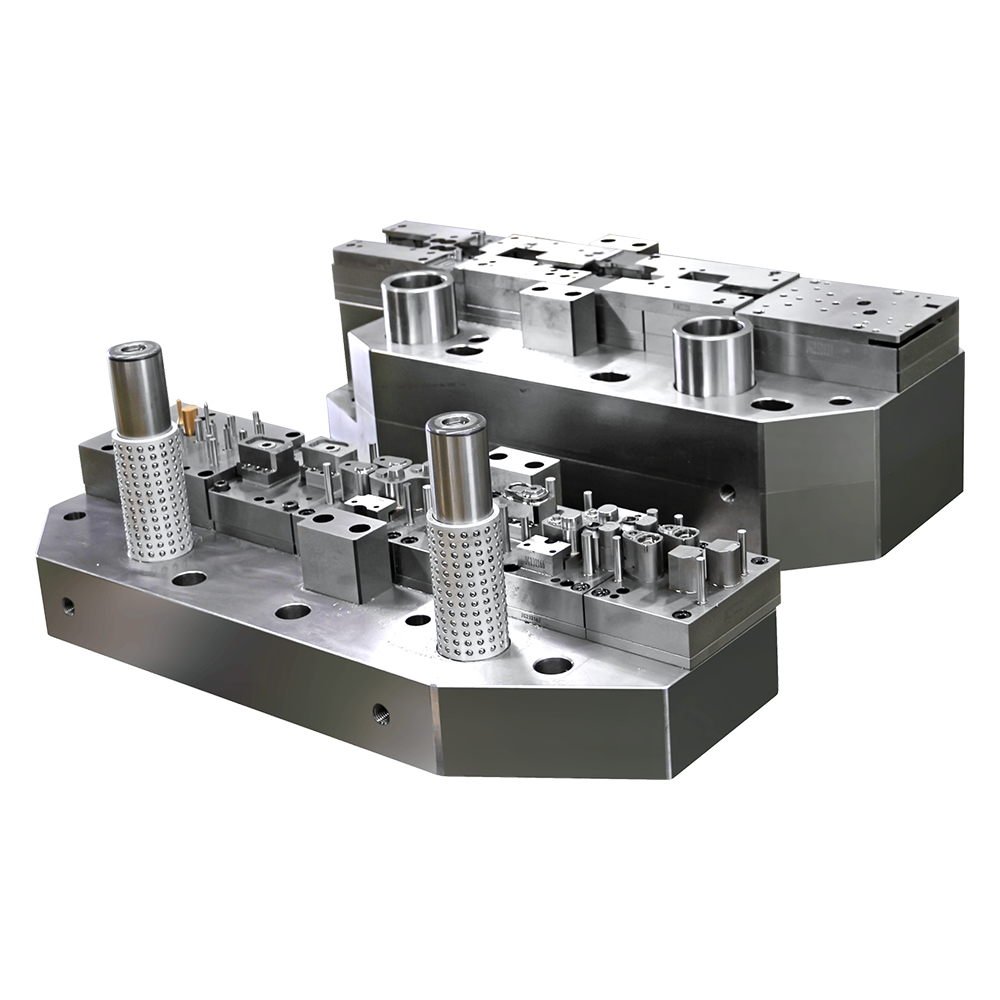
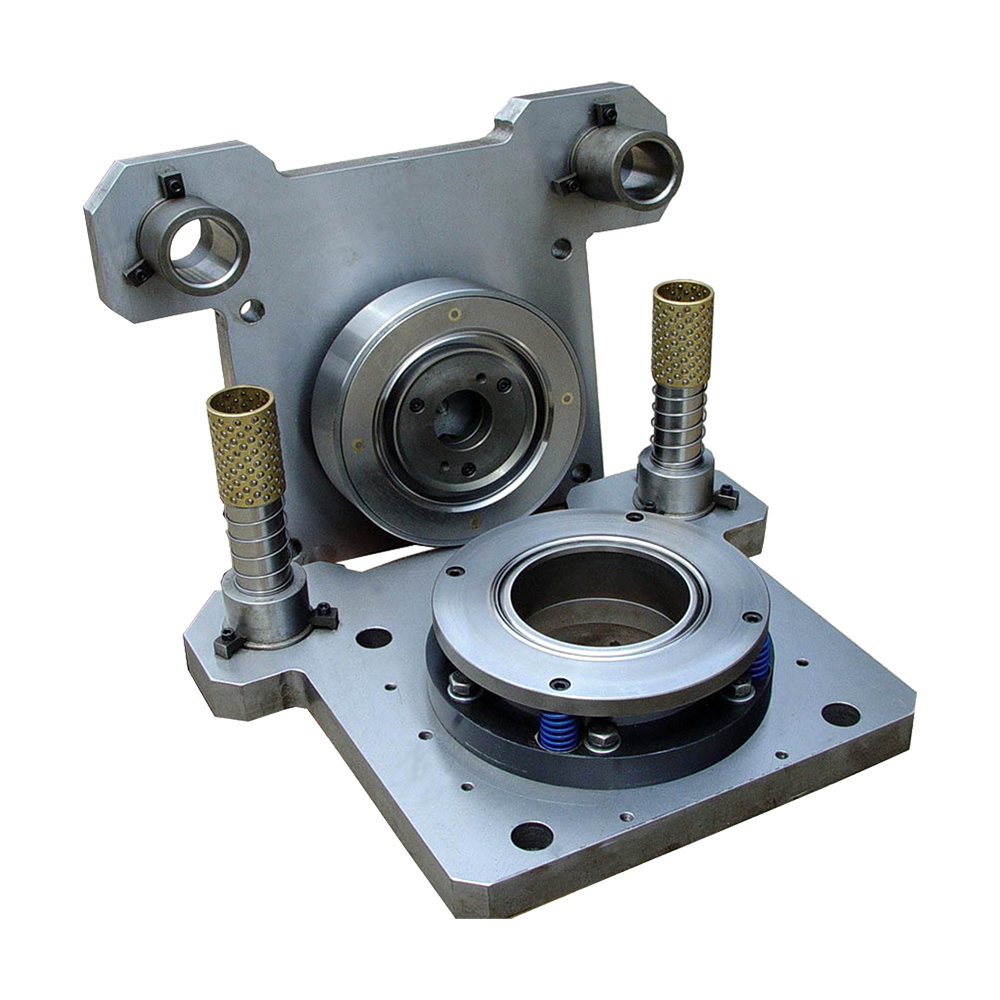
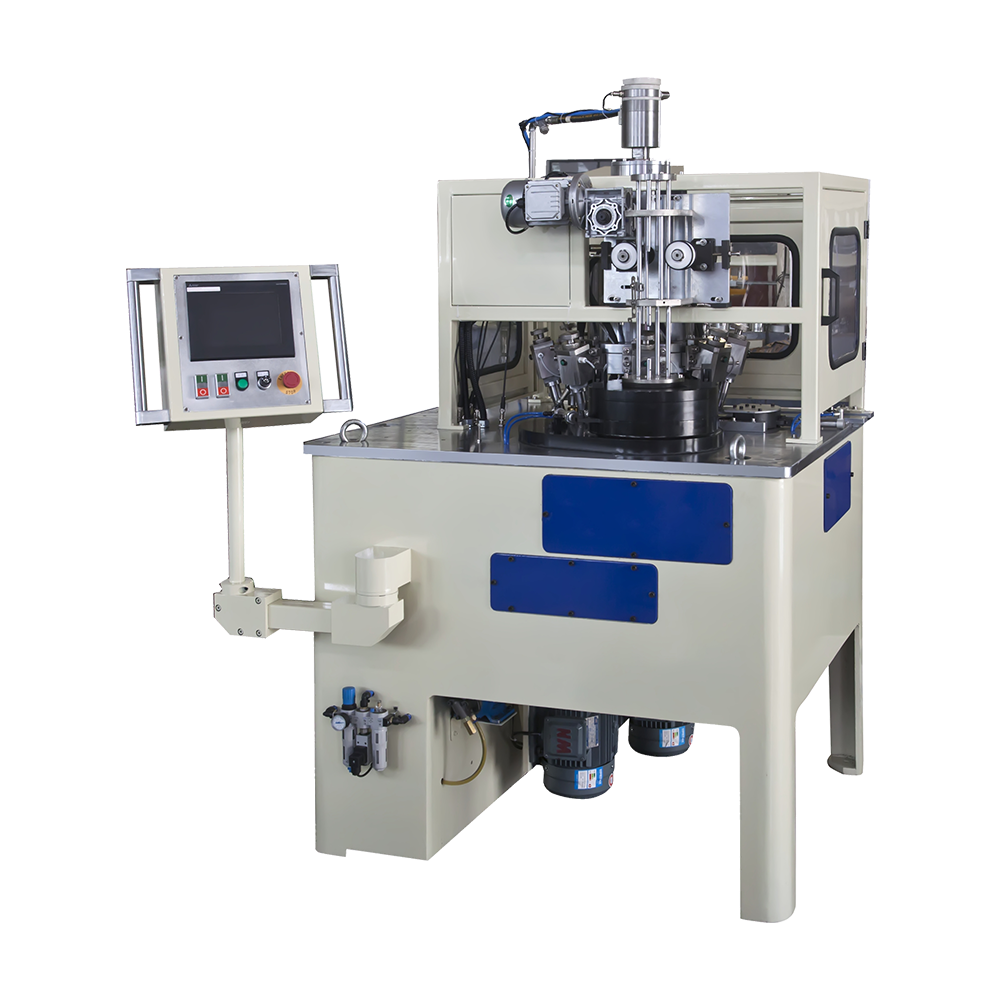
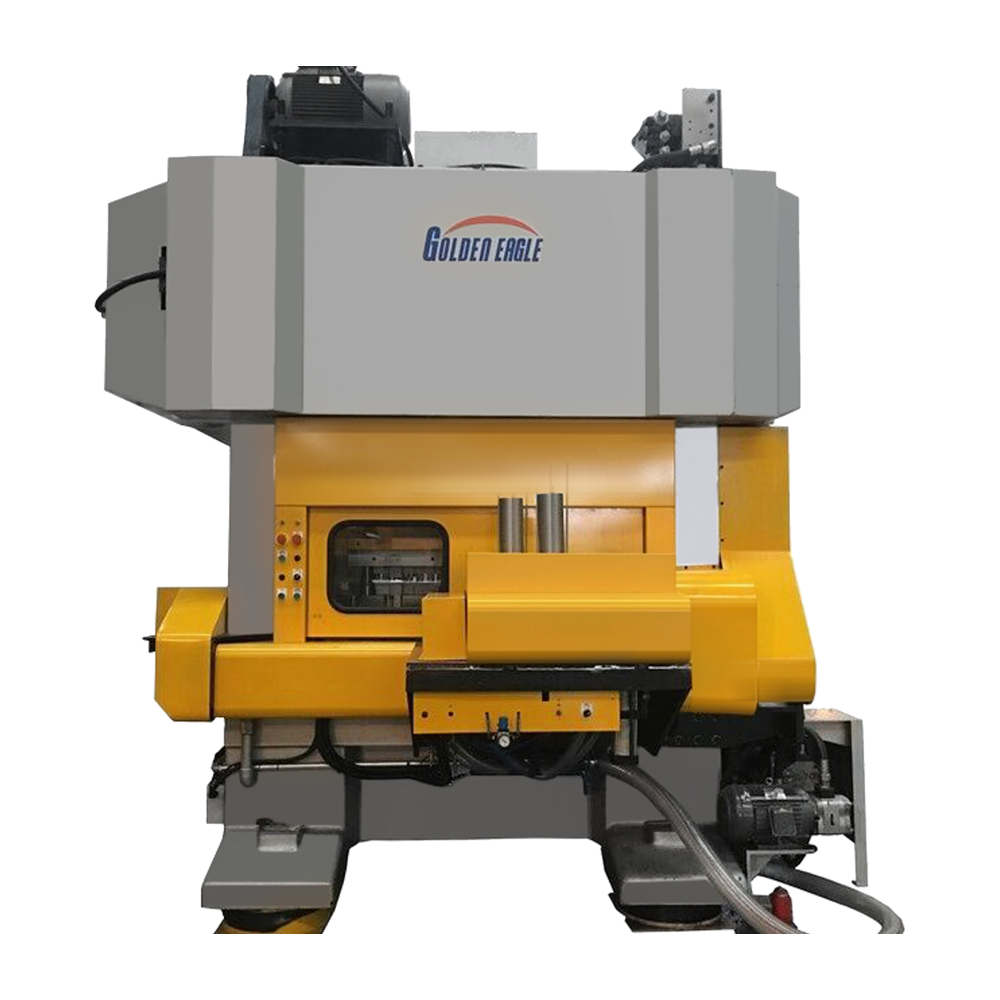
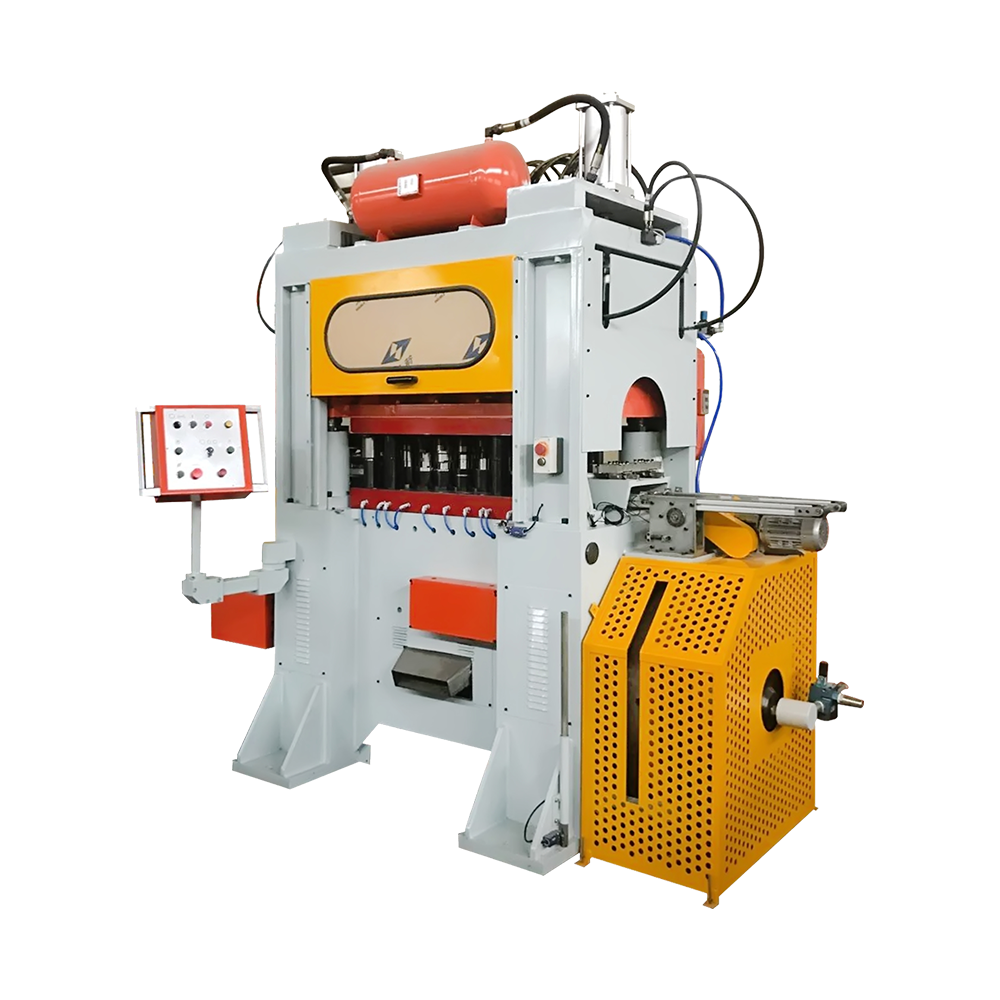
Beyond the GT3B53-FS-5, Zhejiang Golden Eagle offers a full suite of can making equipment to cover every stage of the production line. This includes machines for cutting, necking, beading, welding, and lid making, as well as custom molds for specialized can designs. Below is a curated list of key models and their specifications:
| Model | Function | Can Diameter | Can Height | Output Capacity (Cans/min) | Total Power |
|---|---|---|---|---|---|
| GT3B42AB (4-Head) | Cutting (can body) | Φ52–99 mm | H70–160 mm | 20–150 cpm | 5.5 KW |
| GT3B42-A-T (4-Head/8-Head) | Necking + Flanging | Φ52–99 mm | H70–160 mm | 80–300 cpm (4-head); 80–500 cpm (8-head) | 4 KW (4-head); 5.5 KW (8-head) |
| GT3B52-NN (10-Head) | Dual Necking | Φ52–73 mm | H70–160 mm | 400–600 cpm | 5.5 KW |
| GT3B52-FB-3 (4-Head) | Flanging + Beading | Φ52–99 mm | H60–160 mm (Beading: 124 mm) | 80–350 cpm | 5.5 KW |
| GT3B53-FS-5 (8-Head) | Flanging + Seaming | Φ52–99 mm | H40–160 mm | 200–550 cpm | 5.5 KW |
| GT3B42FD-1 (3-Head) | Flanging + Seaming (Chemical Tanks) | Φ99–165 mm | H100–270 mm | 20–100 cpm | 5.5 KW |
This range caters to diverse industries, including food and beverage, chemical, and aerosol. For example, the GT3B42FD-1 is designed for large chemical tanks, while the GT3B52-NN is optimized for high-speed necking of small beverage cans.
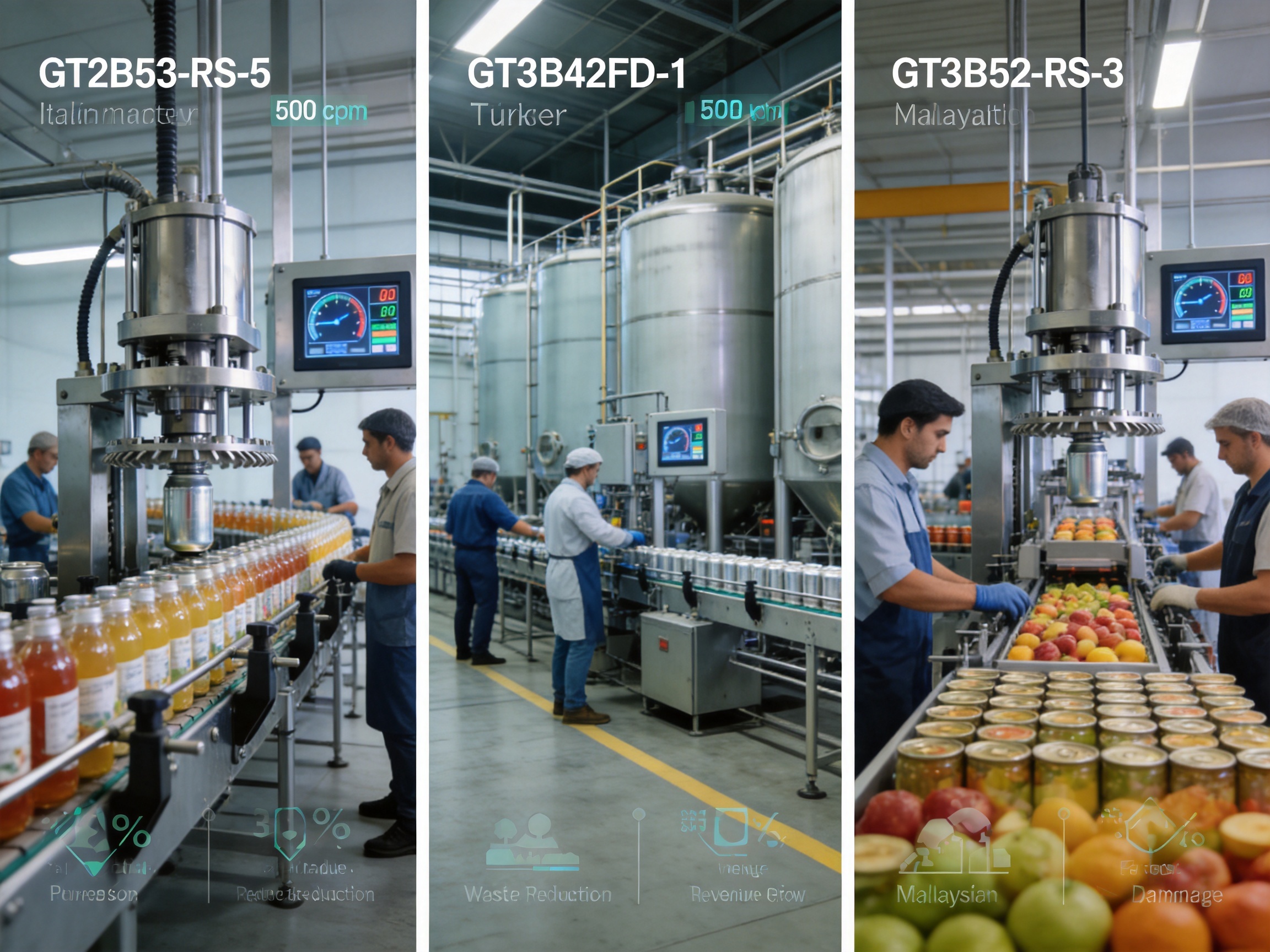
Zhejiang Golden Eagle’s machines are used by over 1,000 customers in 50+ countries, including Germany, Italy, the UK, Russia, Australia, Jordan, and Malaysia. The company has installed more than 10,000 can making machines globally, with customers reporting significant improvements in efficiency and profitability.
Case Study 1: Italian Beverage Manufacturer A major Italian beverage brand replaced its 10-year-old seaming machines with the GT3B53-FS-5. The new machine increased production speed from 350 cpm to 500 cpm, allowing the company to meet a 20% surge in demand for its canned soft drinks. The lower defect rate (from 2.5% to 0.8%) reduced annual product waste by 12 tons, translating to €30,000 in cost savings.
Case Study 2: Turkish Chemical Tank Producer A Turkish chemical tank manufacturer used the GT3B42FD-1 to expand its product line to 20-liter tanks. The machine’s ability to handle large diameters (Φ99–165 mm) and heights (H100–270 mm) allowed the company to enter new markets, increasing revenue by 15% in the first year.
Case Study 3: Malaysian Food Processor A Malaysian canned fruit processor invested in the GT3B52-FB-3 (flanging + beading machine). The machine’s precision beading reduced can deformation during shipping, cutting product damage by 18% and improving customer satisfaction.
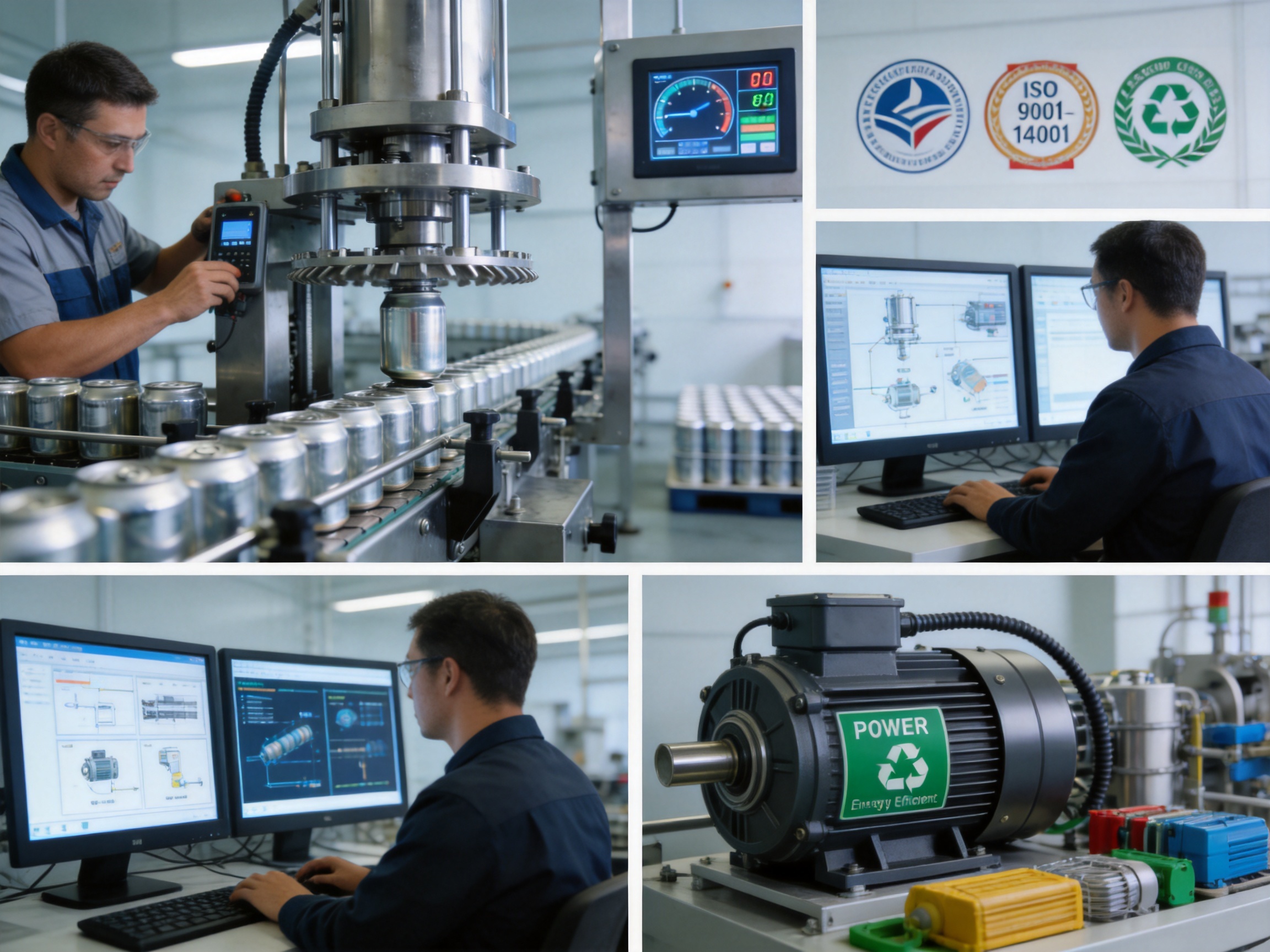
Zhejiang Golden Eagle understands that machine performance is only part of the equation—after-sales support is critical for long-term customer success. The company offers a comprehensive range of services:
A: The GT3B53-FS-5 is designed for flanging and seaming operations in food can production. It is ideal for manufacturing cans for products like canned fruits, vegetables, soups, sauces, and pet food—all of which require airtight sealing to maintain freshness and safety.
A: Precision is achieved through three key measures: 1. CNC Machining: 5-axis CNC centers produce components with tolerances as tight as ±0.01 mm. 2. Design Alignment: Designs are based on proven principles from global leaders like KRUPP and SOUDRONIC. 3. Quality Testing: Multi-stage testing (pre-assembly, final run, on-site commissioning) verifies accuracy and reliability.
A: Yes, the machine is compatible with both materials. This versatility allows manufacturers to produce a wide range of cans without investing in separate machines.
A: With proper maintenance, the machine has a lifespan of 15+ years. This is supported by high-grade stainless steel components and wear-resistant parts.
A: Yes, Zhejiang Golden Eagle provides OEM/ODM services to develop custom machines and molds. This includes adjusting specs for unique can sizes, production speeds, or application requirements.
A: The company is ISO 9001 (Quality Management System) and ISO 14001 (Environmental Management System) certified. These certifications ensure compliance with international quality and sustainability standards.
A: Delivery times vary by model and customization. Standard machines take 4–6 weeks from order confirmation to shipment. Customized machines may take 8–12 weeks.
1. Grand View Research. (2024). Global Can Packaging Market Size, Share & Trends Analysis Report by Type (Aluminum, Tinplate, Steel), by Application (Food, Beverage, Personal Care, Others), and Segment Forecasts, 2024–2030. San Francisco, CA: Grand View Research Inc.
2. International Tin Association. (2023). Tinplate Packaging: Sustainable Solutions for the Food Industry. London, UK: International Tin Association.
3. ISO 9001:2015. Quality Management Systems – Requirements. Geneva, Switzerland: International Organization for Standardization.
4. ISO 14001:2015. Environmental Management Systems – Requirements with Guidance for Use. Geneva, Switzerland: International Organization for Standardization.
5. Smith, J. D., & Lee, H. (2022). The Future of Automated Can Making: Efficiency and Sustainability. Journal of Packaging Technology & Research, 15(3), 123–145.
6. European Can Makers Association. (2023). Can Packaging: A Sustainable Choice for the Circular Economy. Brussels, Belgium: European Can Makers Association.
Related Products

Founded in 1978, the company is one of the largest can-making machinery well-known companies at home and abroad.
Product Categories
Contact Information
Zhongshatou Shenjiamen Zhoushan Zhejiang China
+86-580-3056646

 English
 中文简体
中文简体
 русский
 عربى
عربى
 Español