2026-05-20
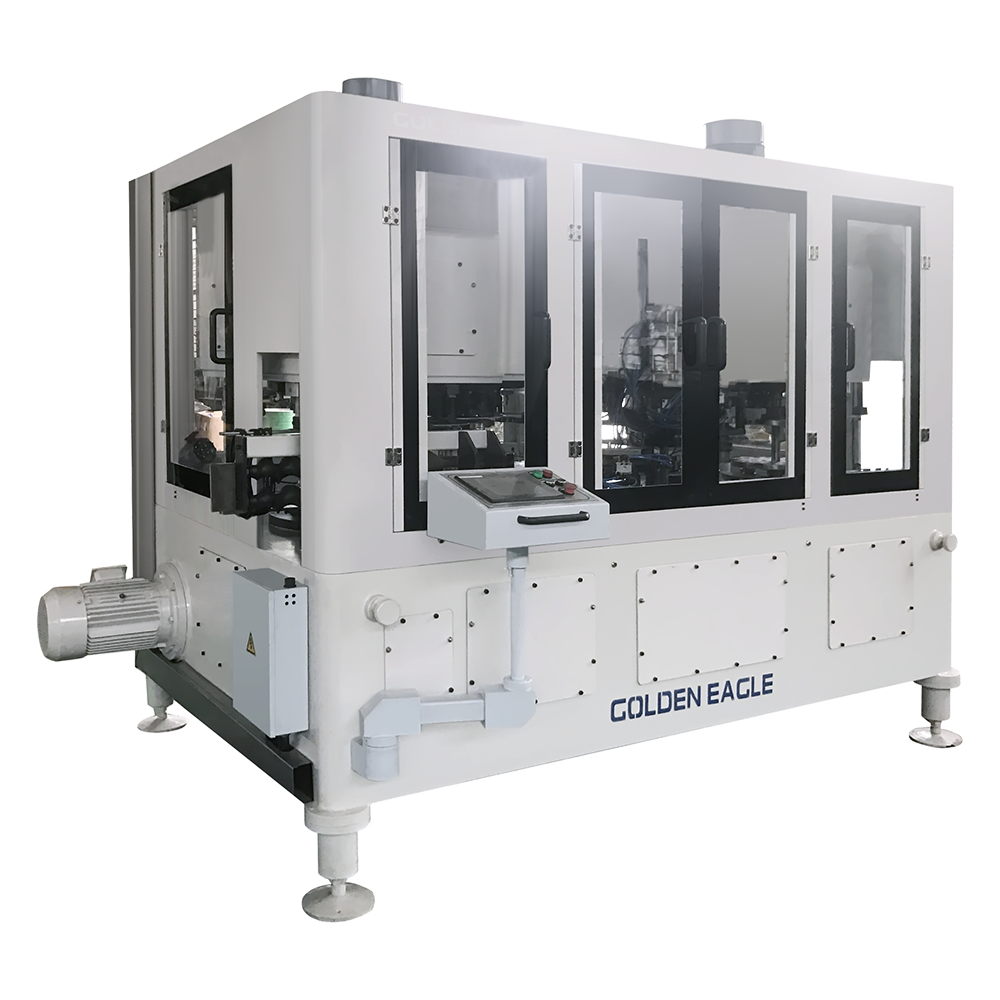
In modern can manufacturing, the welding station determines much more than the strength of a seam. It affects line speed, material utilization, coating performance, downstream forming quality, and the overall profitability of a tinplate can production line. The GT10C-500 automatic can body welder is designed for high-speed seam welding applications where stable output, precise lap control, and reliable continuous operation are essential. With an output capacity of 500 cans per minute and a welding speed range of 25 to 70 meters per minute, this machine is positioned for manufacturers that need industrial productivity without compromising can body consistency.
The machine is especially suitable for tin can production environments that serve food cans, milk powder cans, chemical cans, and other three-piece metal packaging applications. It supports can diameters from Φ52 mm to Φ180 mm and can heights from H70 mm to H320 mm, giving producers the flexibility to manufacture a wide range of container formats on one advanced welding platform. Its automatic operation, controlled seam welding process, and stable mechanical structure help reduce labor dependence while improving uniformity across large production batches.
Behind this product is a manufacturing organization with decades of experience in can-making machinery, mold development, mechanical machining, and complete production line engineering. Established in 1978, Zhejiang Golden Eagle Food Machinery Co., Ltd. has developed from a specialized food machinery and mold manufacturer into a comprehensive supplier of can-making equipment. Its product range covers food can lines, beverage can lines, can lid lines, aerosol can lines, chemical tank lines, two-piece can lines, automatic feeding systems, cutting equipment, molds, and related machinery. This broad engineering background gives the company a practical understanding of the full can production workflow, not only one isolated machine.
For manufacturers evaluating high-speed automatic can body welders, the GT10C-500 offers a strong combination of throughput, dimensional coverage, machine rigidity, precise welding performance, and experienced technical support. It is built for factories that require a dependable core machine capable of supporting efficient, repeatable, and scalable production.
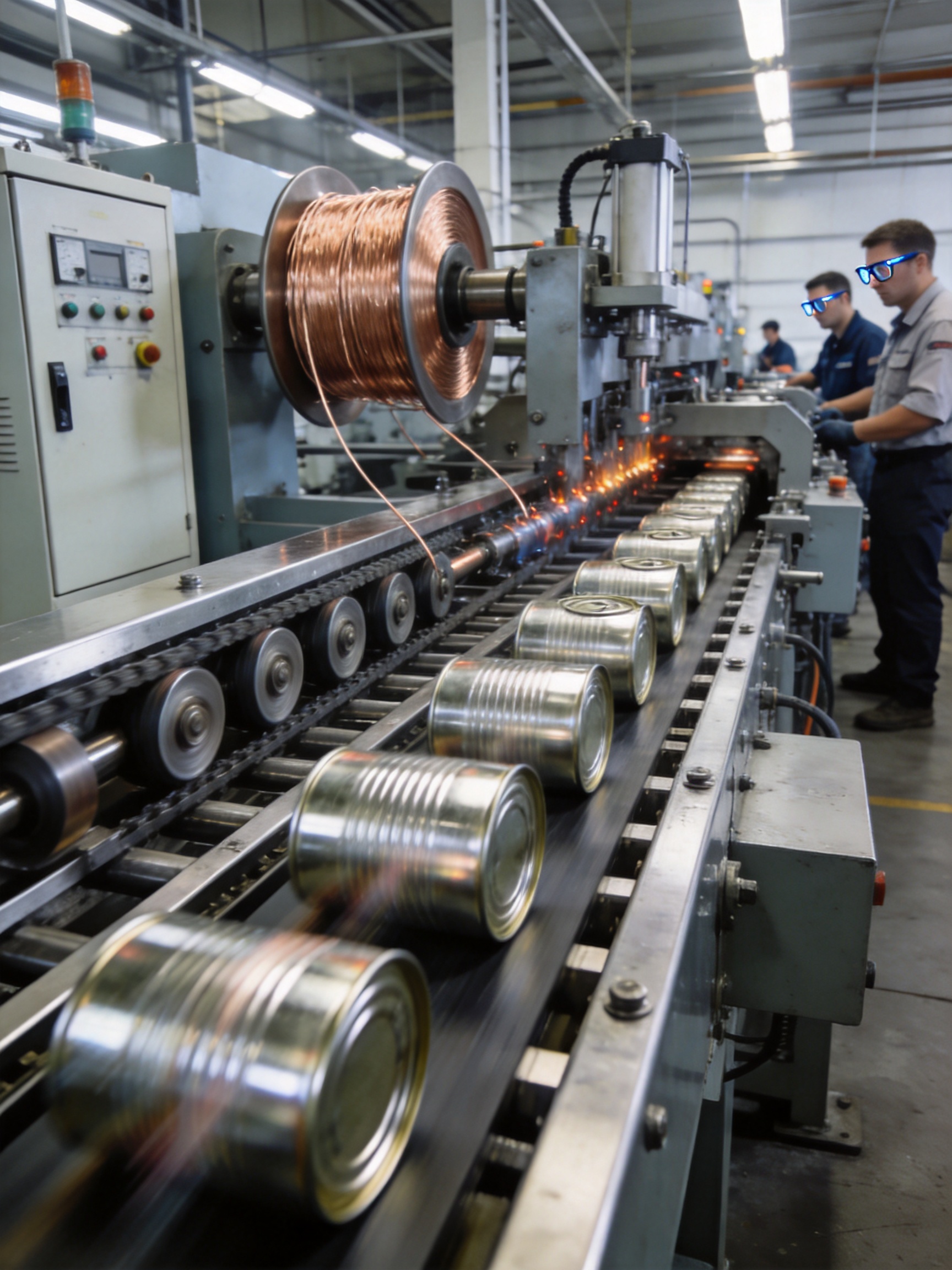
A three-piece tinplate can is formed from a cut sheet that is rounded into a cylinder, welded along the side seam, and then processed through subsequent steps such as seam protection, flanging, beading, necking, seaming, and testing. Among these stages, side seam welding is one of the most critical. If the weld is unstable, too wide, too weak, overheated, contaminated, or misaligned, the entire can body may be rejected. Even when the defect appears small, it can lead to leakage, corrosion, coating failure, deformation, or poor performance in filling and retorting.
The can body welder must therefore combine speed with accuracy. High output alone is not enough. The machine must handle thin tinplate sheets, maintain a consistent overlap, feed copper wire accurately, apply controlled welding energy, and deliver a seam that remains compatible with internal and external coating processes. The GT10C-500 is designed with this production logic in mind. Its 500 cpm output capacity allows high-volume plants to increase daily production, while its 0.3 to 0.4 mm lap control supports material saving and neat seam formation.
In competitive can manufacturing, every fraction of a millimeter matters. A larger overlap consumes more tinplate and increases material cost across millions of cans. A smaller but unstable overlap may cause weld failure. The GT10C-500 is engineered to balance these demands by providing a narrow, controlled lap suitable for modern can-making standards. This advantage can directly improve material efficiency compared with older machines that require wider overlaps to compensate for mechanical inaccuracy.
Another important role of the welder is line synchronization. A high-speed can line requires the body maker, welder, coating unit, oven, flanger, beader, seamer, and inspection equipment to operate as an integrated system. A welder that is difficult to adjust or unstable at speed can become the bottleneck of the entire factory. The GT10C-500, with automatic operation and high welding speed capability, is suited for integration into advanced can-making production lines where balanced throughput is a major goal.
The GT10C-500 automatic can body welder is a high-speed tin can welding machine developed for seam welding applications. It is designed for automatic operation and can reach an output capacity of 500 cans per minute. The listed welding speed range is 25 to 70 meters per minute, allowing the machine to support different can sizes, tinplate specifications, and production requirements.
The machine handles can diameters from Φ52 mm to Φ180 mm and can heights from H70 mm to H320 mm. This range makes it useful for multiple can categories, from smaller food containers to taller milk powder cans and various general packaging cans. The supported sheet thickness is 0.16 to 0.30 mm, covering common tinplate specifications used in commercial can manufacturing. The copper wire diameter range is Φ1.38 to 1.5 mm, which is suitable for stable resistance welding and seam quality control.
With a total power of 50 kW, the machine is built for industrial-level operation. Its machine weight is approximately 5000 kg, and its overall dimension is 4650 x 2300 x 2500 mm. These figures indicate a robust mechanical platform designed to maintain stability during high-speed production. In welding equipment, machine rigidity is not only a structural feature; it contributes directly to seam consistency, vibration reduction, feeding precision, and long-term accuracy.
Compared with slower welders or older semi-automatic models, the GT10C-500 can significantly increase production capacity. For factories that are expanding output or replacing outdated equipment, the ability to reach 500 cpm offers an opportunity to reduce unit manufacturing cost. Higher speed, however, must be matched with quality. The machine’s narrow lap range, suitable copper wire specification, broad can size compatibility, and automatic operation help achieve the necessary balance between productivity and reliability.
| Item | GT10C-500 Automatic Can Body Welder |
| Operation | Automatic |
| Application | Can body seam welding |
| Output Capacity | 500 cans per minute |
| Welding Speed | 25 to 70 meters per minute |
| Lap | 0.3 to 0.4 mm |
| Copper Wire Diameter | Φ1.38 to 1.5 mm |
| Can Diameter | Φ52 to Φ180 mm |
| Can Height | H70 to H320 mm |
| Sheet Thickness | 0.16 to 0.30 mm |
| Total Power | 50 kW |
| Machine Weight | Approximately 5000 kg |
| Machine Dimension | 4650 x 2300 x 2500 mm |
The most direct advantage of the GT10C-500 is its 500 cans per minute output capacity. In high-volume packaging industries, capacity is a decisive factor. A can plant supplying food processors, milk powder brands, aerosol producers, or chemical packaging users may need to deliver millions of cans within tight schedules. A welder with insufficient speed can force the factory to add extra shifts, operate multiple lower-capacity machines, or accept longer delivery cycles.
By reaching 500 cpm, the GT10C-500 helps manufacturers concentrate production on a more efficient platform. This can reduce labor requirements per thousand cans, lower energy consumption per unit when compared with running several older machines, and simplify line management. A single high-speed welder also reduces the complexity of maintenance scheduling and operator allocation.
The welding speed range of 25 to 70 meters per minute gives the production team practical flexibility. Not every can size or material requires the maximum speed. Different diameters, heights, coatings, sheet thicknesses, and quality standards may call for different process settings. A wide speed range allows the operator to match machine performance to the product rather than forcing all products into one narrow operating condition.
Competitor machines with lower maximum speeds may still be suitable for small batches, but they can limit growth when demand increases. In contrast, the GT10C-500 gives manufacturers room to expand. Even if a plant initially runs at a moderate output, the machine has the capacity to support future growth when upstream and downstream equipment are upgraded. This makes it a strategic investment rather than a short-term solution.
Lap width is one of the most important technical details in can body welding. The lap is the overlap between the two edges of the formed tinplate sheet. If the lap is too wide, the factory wastes material on every can. If it is too narrow or inconsistent, the weld may become weak or unstable. The GT10C-500 supports a lap range of 0.3 to 0.4 mm, which is suitable for efficient modern can production.
A controlled narrow lap can generate measurable savings over long production runs. Tinplate is one of the major cost elements in can manufacturing. Even a small reduction in overlap can reduce total material consumption when multiplied by millions or billions of cans. This advantage is especially important for high-volume producers that operate under strong price competition.
The machine’s ability to maintain lap consistency also supports better seam appearance. A uniform lap helps produce a neat side seam, reduces irregular welding marks, and improves compatibility with subsequent side seam coating. The coating process must cover and protect the welded seam against corrosion and product interaction. If the weld is uneven, coating coverage may become less reliable.
Compared with less precise welding machines, the GT10C-500 can help reduce waste caused by seam defects, overlap variation, or poor forming accuracy. Lower rejection rates mean more usable cans from the same amount of raw material, which improves both cost efficiency and environmental performance.
The GT10C-500 can process can diameters from Φ52 mm to Φ180 mm and can heights from H70 mm to H320 mm. This wide working range is valuable for manufacturers that serve different market segments. A factory may need to produce small food cans, medium-size general cans, tall milk powder cans, or other cylindrical tinplate containers. The ability to adapt to different specifications helps improve machine utilization.
Many can makers face frequent product changes because customers request different sizes, decoration designs, or packaging formats. A welder that supports only a narrow size range may require additional machines or restrict the factory’s business opportunities. The GT10C-500 gives producers more flexibility when accepting orders, planning production, and entering new product categories.
The supported can height range up to H320 mm is particularly useful for taller cans such as milk powder containers or specialty food packaging. Taller can bodies require stable forming and accurate welding over a longer seam length. The machine’s industrial structure and welding control are designed to support these dimensional requirements.
At the same time, the minimum diameter of Φ52 mm allows production of compact cans. This combination of small-diameter capability and large-format capability improves the machine’s value for diversified can plants. Instead of purchasing separate equipment for every category, manufacturers can use a versatile welder as a core production asset.
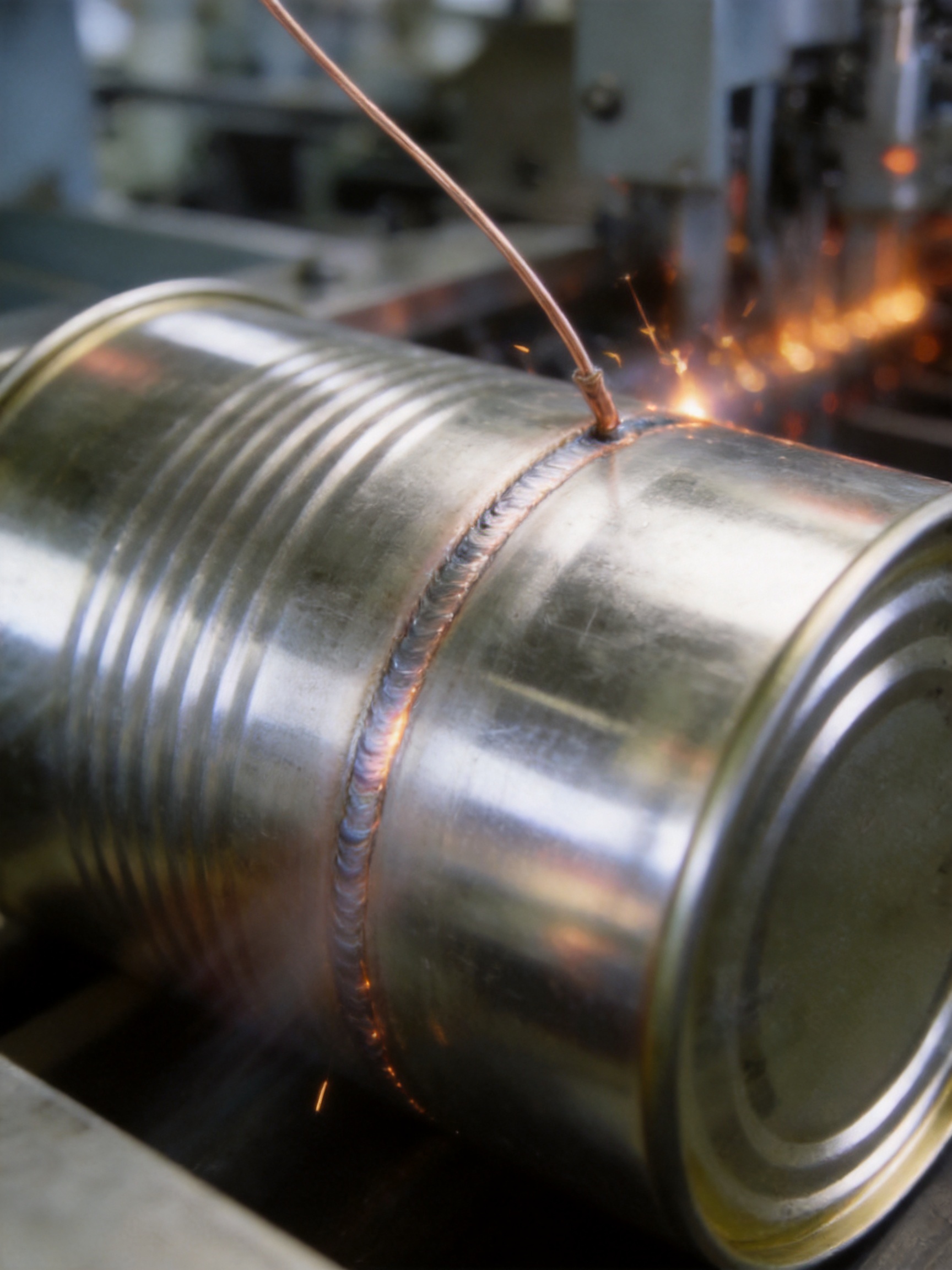
The GT10C-500 is suitable for sheet thicknesses from 0.16 to 0.30 mm. This range covers many common tinplate materials used in food, beverage-related, chemical, and general tin can packaging. Thin materials help reduce cost and weight, but they require precise handling. Thicker materials may provide strength for larger containers or demanding applications, but they require sufficient welding power and stable feeding.
A welder must be able to handle material variation without sacrificing seam quality. The GT10C-500 is designed for industrial resistance welding using copper wire, supporting the controlled heat and pressure needed for consistent seam formation. Its 50 kW total power gives the machine the capacity to work within the specified material range and maintain production stability.
When factories compare equipment, sheet thickness compatibility should not be underestimated. If a machine works well only within a narrow material range, the manufacturer may face limitations when raw material prices change or when customers request different can strength levels. The broader material range of the GT10C-500 supports purchasing flexibility and product diversification.
For export-oriented can makers, this flexibility is especially important. Different countries and customers may have different tinplate specifications, coating requirements, and packaging standards. A machine capable of adapting to common thickness ranges can help the plant respond quickly to international demand.
Automatic operation is a major advantage in modern can factories. Manual or semi-automatic welding systems require more operator intervention, and their quality may vary depending on operator skill, fatigue, and attention. The GT10C-500 is designed as an automatic can body welder, reducing dependence on manual handling during the welding process.
Automation improves consistency because the machine repeats the same controlled operation cycle at high speed. It also helps reduce labor intensity. Operators can focus on monitoring production, checking quality, managing adjustments, and coordinating with other line equipment rather than performing repetitive manual feeding or alignment tasks.
In many manufacturing regions, skilled labor is becoming more expensive and harder to retain. Automatic can-making machinery gives factories a way to improve output without proportionally increasing workforce size. This advantage becomes even more significant at 500 cpm, where manual handling would be impractical.
Compared with older equipment, automatic welding can also improve workplace organization. A cleaner, more controlled production process reduces the risk of random handling damage, inconsistent feeding, and operator-related errors. This contributes to better quality management and more predictable production planning.
The GT10C-500 has a machine weight of approximately 5000 kg, indicating a heavy-duty structure. In high-speed welding, rigidity is critical. Vibration, frame deformation, weak mechanical support, or unstable alignment can lead to seam variation. A robust machine body helps maintain geometric accuracy, especially during continuous operation at high output.
High-speed can body welding involves rapid sheet feeding, cylinder forming, wire movement, welding pressure, electrical energy application, and discharge of finished bodies. All these actions must remain synchronized. A stable mechanical structure supports accurate motion and reduces the risk of speed-related instability.
Long-term machine stability is also important for maintenance cost. Equipment that loses alignment frequently requires more downtime, more adjustments, and more technician involvement. By using a solid industrial platform, the GT10C-500 is designed to support sustained production with less interruption.
Competitor machines built with lighter structures may appear attractive when considering initial purchase cost, but high-speed production often reveals the limitations of weak mechanical design. A heavier, more stable welder can provide better lifetime value because it supports consistent production quality, lower rejection rates, and greater confidence during long production campaigns.
The GT10C-500 offers several practical advantages over competing machines that operate at lower speeds or support narrower size ranges. First, its 500 cpm capacity places it in a high-productivity class suitable for large-scale manufacturing. For factories competing on delivery speed and unit cost, this output capacity can be a decisive advantage.
Second, the machine supports a broad can diameter range from Φ52 mm to Φ180 mm. Some welders are optimized for only a limited format range, which can restrict production planning. The GT10C-500 allows a manufacturer to serve multiple customers and industries using one welding platform.
Third, its lap range of 0.3 to 0.4 mm supports material efficiency. Wider-lap machines may be easier to operate but can increase tinplate consumption over time. In large-scale production, this difference has a direct financial impact.
Fourth, the machine is supported by a company that manufactures not only welders but also complete can-making lines, molds, lid-making equipment, cutting machines, feeding machines, aerosol can equipment, two-piece can equipment, and chemical tank production solutions. This broader engineering capability is an advantage because the supplier understands how the welder interacts with other equipment in the line.
Fifth, the manufacturer’s long history in can-making machinery provides accumulated practical knowledge. Since its establishment in 1978, the company has produced more than 10,000 pieces of can and can lid equipment. Such production experience helps refine machine design, improve manufacturability, and support users in different markets.
Zhejiang Golden Eagle Food Machinery Co., Ltd. is located in Zhoushan City, Zhejiang Province, China. The company has been engaged in can-making machinery and mold manufacturing for decades. Its history began in 1978, and it was formerly known as Zhejiang Food Machinery Factory and Zhoushan Mold Factory. This background is important because can-making equipment is a specialized field that depends heavily on accumulated mechanical experience, tooling knowledge, and understanding of real production conditions.
The company employs more than 350 trained personnel, including experienced design and development engineers. This team structure supports both standard machine manufacturing and customized production line solutions. In the can-making industry, many customers require machinery to match existing plant layouts, can specifications, local standards, and different degrees of automation. Engineering capability is therefore as important as machine fabrication capacity.
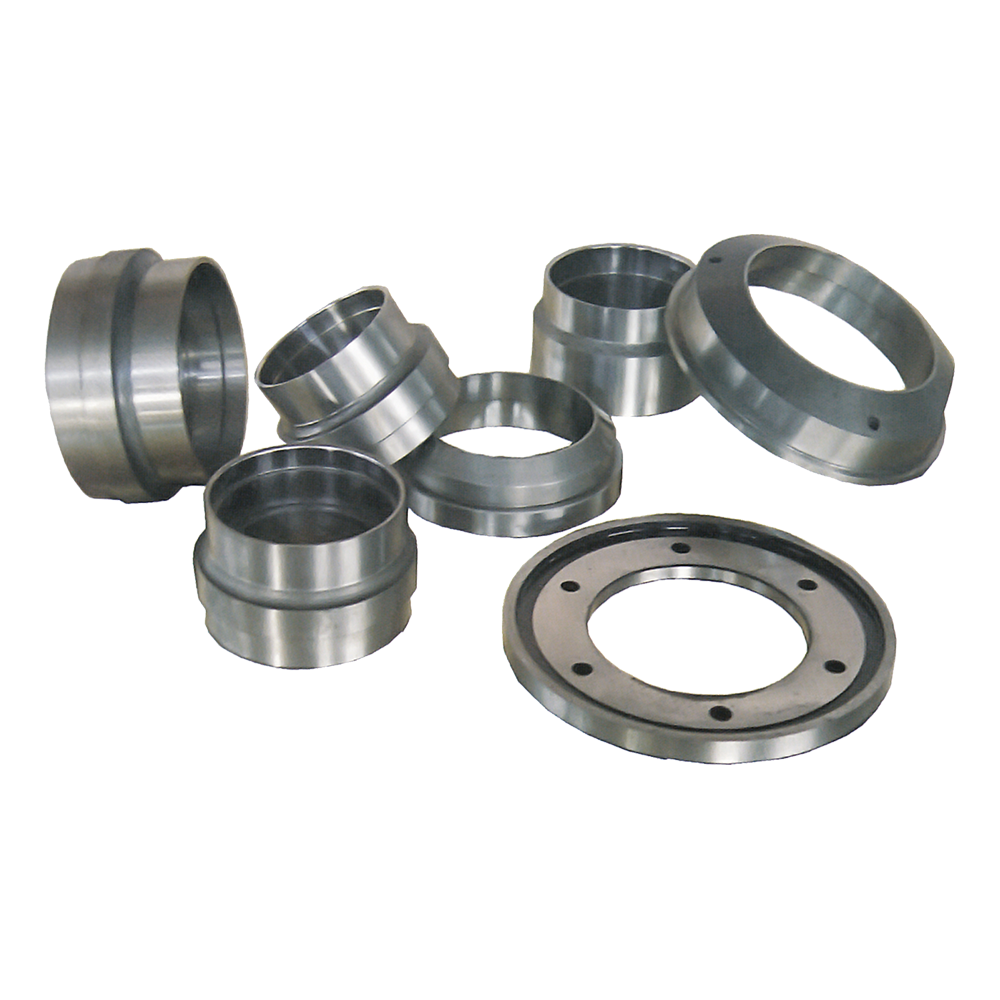
The company uses CNC high-precision machining equipment and complete mechanical machining systems. Precision machining directly affects the accuracy of welding parts, forming components, guide systems, and moving assemblies. In a high-speed welder such as the GT10C-500, even small machining errors can affect feeding stability and lap accuracy. Advanced manufacturing equipment helps maintain consistent part quality and repeatable assembly performance.
The company’s product design principles are influenced by international can-making machinery concepts associated with advanced industry names such as KRUPP, SOUDRONIC, and ALFONS-HAAR. More importantly, the company combines these design ideas with its own long production practice. This combination of reference learning and practical improvement allows the company to develop machines suitable for actual factory use, not merely theoretical specifications.
High-quality can-making machinery requires a controlled manufacturing process. The frame, welding components, transmission systems, guide rails, forming tools, and adjustment mechanisms must be made with accuracy. The use of CNC high-precision machining equipment helps ensure that critical components meet strict dimensional requirements. This is especially important for parts that influence seam overlap, welding pressure, wire positioning, and body forming.
Complete mechanical machining capability allows the manufacturer to control production internally. When a machinery supplier has strong in-house processing capacity, it can better manage quality, delivery, spare parts compatibility, and engineering improvement. It is also easier to update components based on customer feedback and production experience.
The company is certified to ISO9001 quality management system standards and ISO14001 environmental management system standards. ISO9001 certification reflects a structured approach to quality control, process management, and continuous improvement. ISO14001 certification reflects attention to environmental management, which is increasingly important for global manufacturers and customers seeking responsible supply chains.
For buyers of high-speed can body welders, these manufacturing and quality systems reduce procurement risk. A welder is not a simple commodity; it is a long-term production asset. The buyer needs confidence that the supplier can produce accurate components, assemble machines correctly, provide documentation, offer spare parts, and support commissioning. The company’s manufacturing background and management certifications strengthen this confidence.
One of the company’s major strengths is its ability to supply complete series of can-making equipment. Its product categories include food and beverage can making machines, tin can lid end making machines, duplex slitting cutting machines, milk powder can making machines, easy-open-end lid making machines, tin can auto-welding machines, aerosol cone and dome making equipment, chemical tank making machines, automatic feeding machines, aerosol can making machines, two-piece can making machines, and molds.
This broad product range matters because a welder rarely works alone. The quality of welded can bodies depends on upstream sheet cutting, blank feeding, rounding, and body forming. Downstream performance depends on seam coating, curing, flanging, beading, necking, seaming, and testing. A supplier that understands the whole production line can provide better recommendations for layout, capacity matching, and technical coordination.
The GT10C-500 can be considered a central machine within a high-speed three-piece can body line. When combined with appropriate automatic feeding, cutting, forming, coating, and inspection systems, it can support a complete production process. The manufacturer’s experience with whole-set production lines helps customers avoid mismatched equipment, uneven line speed, and unnecessary bottlenecks.
Factories that purchase machinery from multiple unrelated suppliers may face integration challenges. Different control philosophies, mechanical interfaces, speed ranges, and service standards can create production problems. Working with a supplier that understands complete can-making systems can simplify project execution and improve the final performance of the line.
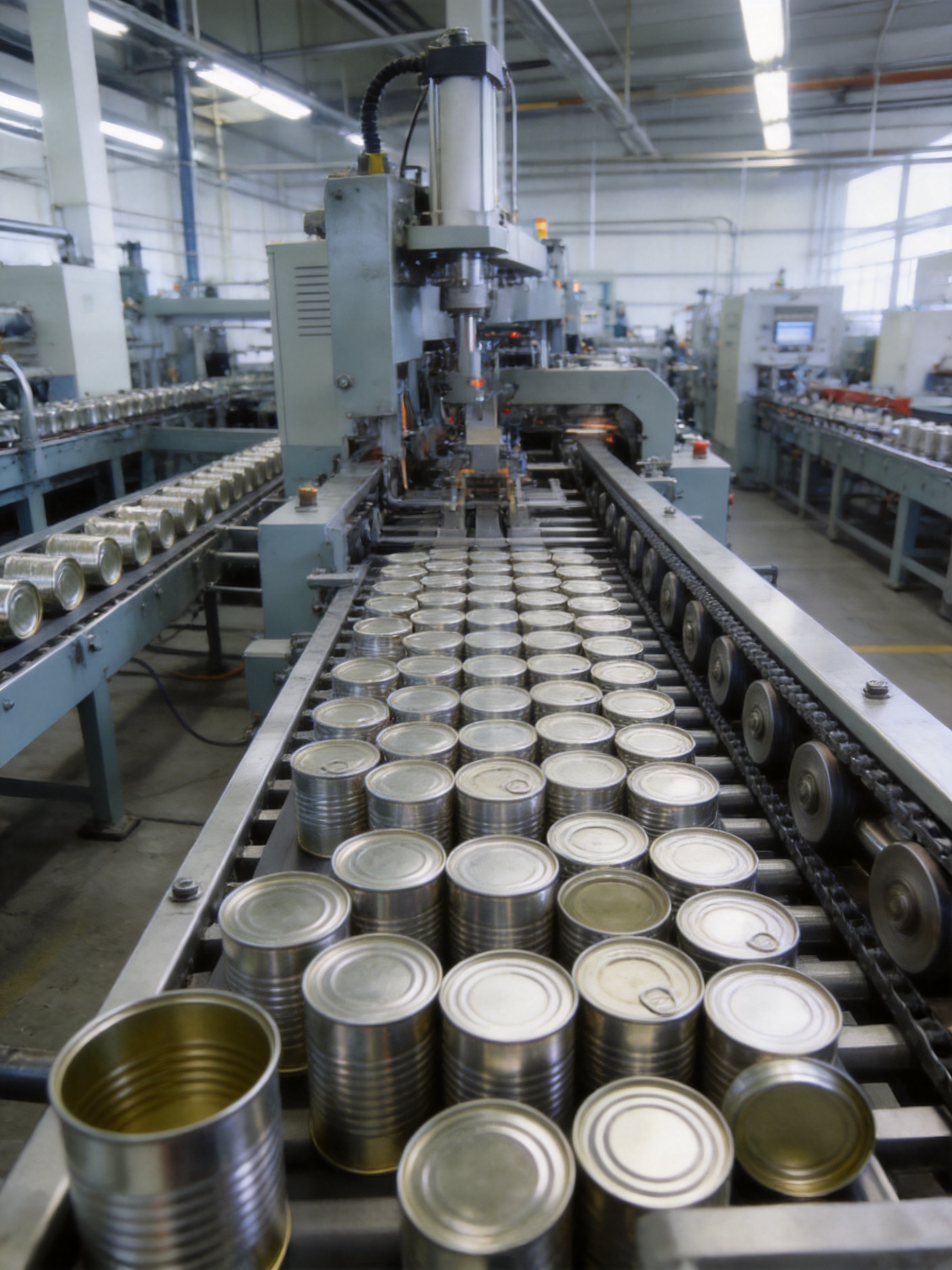
The GT10C-500 is suitable for seam welding in various tinplate can categories. In food can production, weld quality is essential because cans may undergo sterilization, retorting, transportation, and long storage periods. A stable side seam helps ensure that the container maintains integrity throughout filling and distribution.
Milk powder cans often require neat appearance, good internal protection, and reliable body strength. Many milk powder cans are taller than ordinary food cans, so the H70 to H320 mm height range of the GT10C-500 is valuable. A consistent weld helps support downstream operations such as flanging, seaming, and sealing with lids or easy-open ends.
Chemical cans and general-purpose tinplate containers may require strength and leakage resistance for non-food products. Depending on the contents, corrosion protection and seam coating may also be important. A uniform weld provides a better base for side seam repair coating and reduces the risk of weak points.
Because the machine can process can diameters up to Φ180 mm, it can support larger containers as well as standard sizes. This versatility allows can makers to respond to changing customer requirements and expand into new packaging segments without immediately investing in separate dedicated welding systems.
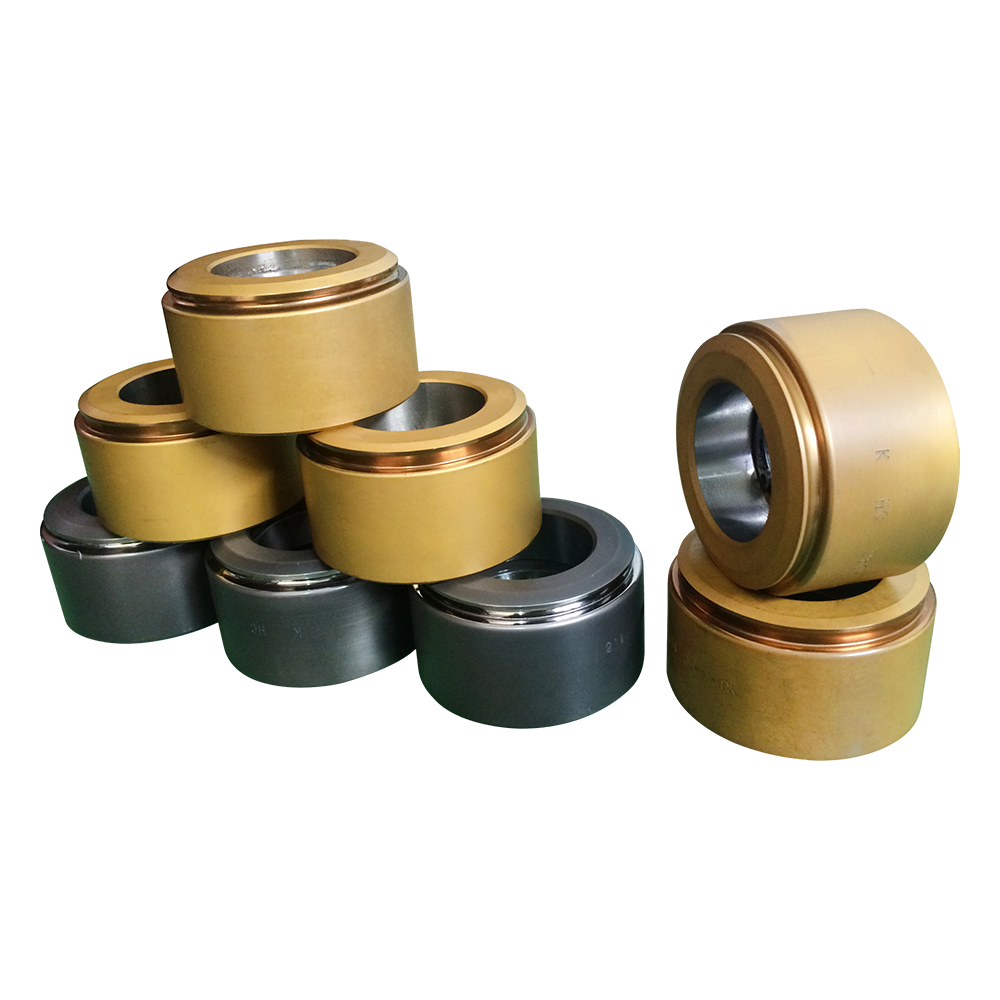
The GT10C-500 uses copper wire with a diameter range of Φ1.38 to 1.5 mm. Copper wire plays an important role in resistance seam welding for tinplate cans. It helps conduct welding current, protect welding rollers, and maintain stable contact during the welding process. Proper wire size and feeding stability contribute to seam quality and process reliability.
In high-speed welding, the copper wire system must operate smoothly. Irregular wire movement can affect current transfer, weld appearance, and seam consistency. By specifying a practical copper wire diameter range, the machine supports standard industrial welding practice and helps factories source suitable consumables.
The welding process must also control heat input. Too little heat can cause weak welds, while too much heat can burn coating, deform the seam, or create brittle areas. The GT10C-500 is designed for controlled seam welding at high speed, allowing the manufacturer to balance productivity with reliable weld formation.
Compared with less advanced machines, a stable copper wire welding system can reduce downtime and quality variation. This is especially important in continuous production, where even short interruptions can affect thousands of cans. Consistent wire performance supports smoother operation and better line efficiency.
At 500 cans per minute, there is very little time for correction once a blank enters the welding process. Dimensional accuracy must be built into the machine. The sheet must be formed correctly, the edges must meet at the correct overlap, and the welding position must remain stable. Any error is quickly repeated at high volume.
This is why precision machining and rigid assembly are essential. A high-speed welder must maintain accuracy under dynamic load. Components involved in feeding, rounding, conveying, overlap control, and welding must remain aligned. The manufacturer’s use of CNC high-precision machining equipment supports this requirement.
Dimensional accuracy also influences downstream operations. If the can body is not round, if the side seam protrudes too much, or if the body height and shape vary, later processes may become unstable. Flanging may be uneven, seaming may fail, and leakage testing may show defects. A precise welder therefore improves the performance of the entire line.
Many buyers focus mainly on output capacity, but experienced can manufacturers know that accuracy at speed is the real measure of equipment quality. The GT10C-500 combines high speed with mechanical and process specifications designed for stable industrial production.
For plant managers, the GT10C-500 offers several operational benefits. The first is higher productivity. With 500 cpm capacity, the machine can help increase daily output and improve delivery performance. This is useful when serving large customers or seasonal demand peaks.
The second benefit is lower labor intensity. Automatic operation reduces manual intervention and allows operators to supervise production more efficiently. This supports better workforce allocation and can improve safety by reducing direct handling of moving materials.
The third benefit is product flexibility. The wide can diameter and height ranges allow a factory to produce many can formats. This increases the value of the machine because it can be used for multiple customers and product lines.
The fourth benefit is material efficiency. A controlled lap of 0.3 to 0.4 mm helps reduce unnecessary overlap. Over time, this can contribute to significant tinplate savings.
The fifth benefit is quality consistency. Stable welding conditions, appropriate copper wire specification, and rigid machine construction support uniform seam quality. Consistency reduces rework, scrap, complaints, and production uncertainty.
High-speed can-making machinery requires professional installation, commissioning, and operator training. The company provides after-sales services including installation, commissioning, technical guidance, operation training, and spare parts supply. These services are important because even a well-designed machine must be correctly installed and adjusted to achieve its intended performance.
During commissioning, technicians can help align the machine, set welding parameters, test can dimensions, confirm seam quality, and coordinate with upstream and downstream equipment. Proper training helps operators understand daily operation, adjustment procedures, maintenance points, and safety requirements.
Spare parts availability also affects production reliability. Can factories often run under strict delivery schedules. If a key component is unavailable, downtime can become costly. A supplier with manufacturing capability and long-term industry presence is better positioned to provide parts support.
Technical guidance is especially valuable when customers produce multiple can sizes or use different tinplate materials. The ability to adjust the machine correctly for different production conditions can improve quality and reduce waste. This practical support differentiates an experienced machinery supplier from a simple equipment trader.
The company’s equipment has been exported to many countries across Europe, Asia, Africa, North America, South America, and Oceania. Reported export markets include Germany, Italy, the United Kingdom, Spain, Hungary, Russia, Australia, Jordan, Malaysia, the Philippines, Pakistan, Egypt, Algeria, Turkey, Mexico, Nigeria, and Iran. This international experience demonstrates the company’s ability to serve customers with different production standards, factory environments, and market needs.
Global market experience is valuable because can-making requirements vary by region. Some customers focus on food cans, others on aerosol containers, chemical tanks, or milk powder packaging. Some factories prioritize maximum speed, while others need flexible production for many sizes. Exposure to diverse markets helps the manufacturer improve machine design and service methods.
International customers also require clear communication, reliable documentation, and practical support. The company’s long export record suggests familiarity with overseas installation, commissioning, and customer training. This reduces risk for buyers who need equipment to be delivered and started successfully outside the supplier’s domestic market.
For a high-speed welder such as the GT10C-500, global experience strengthens confidence. Customers can evaluate not only machine specifications but also the supplier’s record of supporting can makers in many countries.
Replacing or upgrading a can body welder is a major decision. The welder is central to production, and downtime during replacement must be carefully managed. However, outdated welding equipment can limit factory growth, increase scrap, consume more material, and require more manual labor. The GT10C-500 offers a strategic upgrade path for manufacturers that want to modernize production.
The machine’s high output capacity can reduce dependence on multiple older welders. Its automatic operation improves production consistency. Its can size range supports business diversification. Its narrow lap capability supports tinplate savings. Its robust structure supports long-term operation. These advantages combine to improve factory competitiveness.
For companies seeking OEM or ODM can production line solutions, a high-performance welder can become the foundation of a more efficient line. When paired with suitable cutting, feeding, forming, coating, and testing equipment, the GT10C-500 can help create a modern production system capable of meeting demanding packaging requirements.
The upgrade is not only about speed. It is about process control, material economy, reliability, and future readiness. In a market where packaging customers expect stable quality, competitive pricing, and timely delivery, a modern automatic can body welder can provide measurable operational advantages.
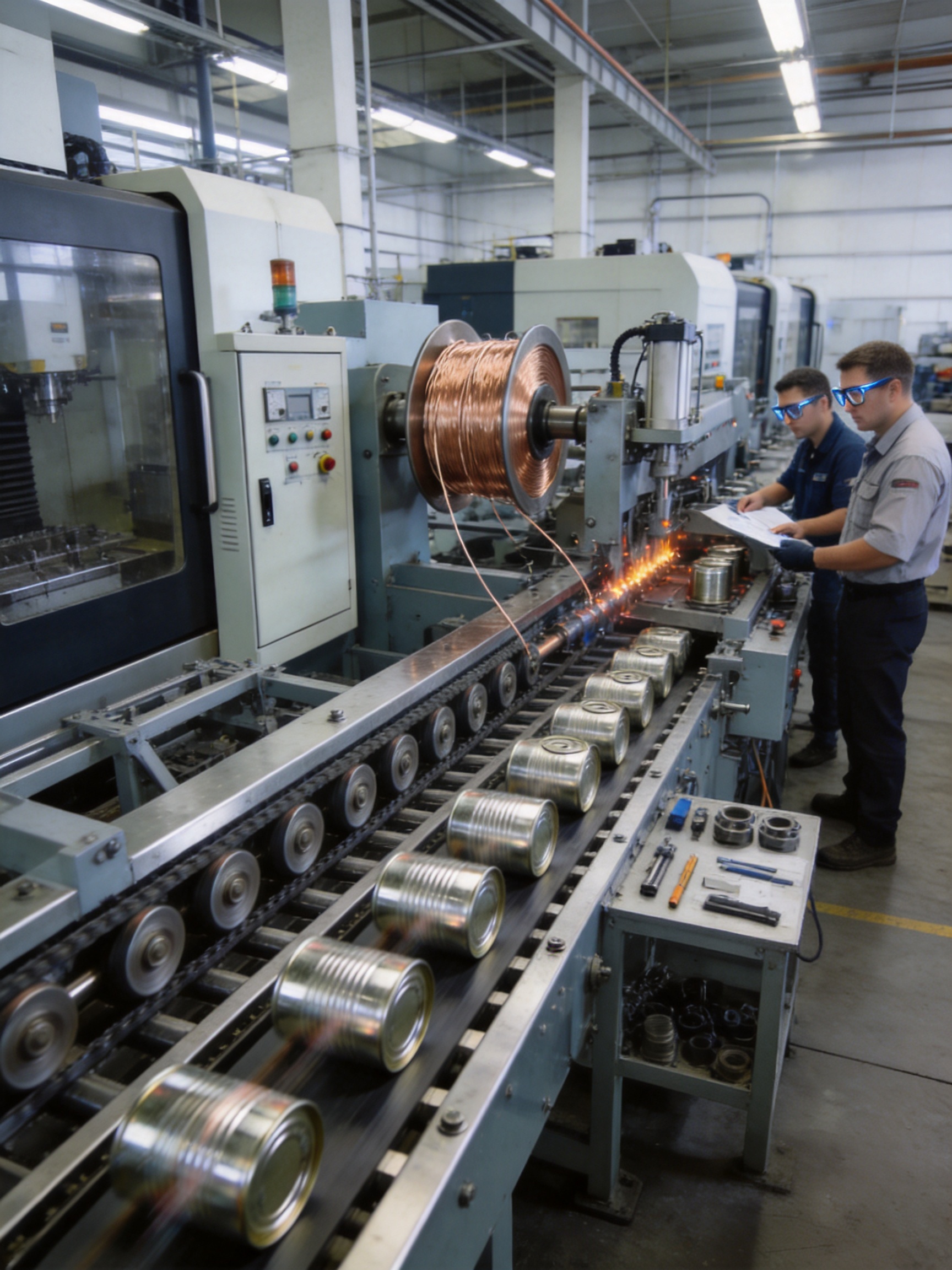
Like all high-speed industrial equipment, the GT10C-500 requires proper maintenance. Preventive maintenance should include regular inspection of moving parts, welding components, copper wire feeding systems, alignment mechanisms, lubrication points, electrical systems, and safety devices. A disciplined maintenance program helps protect machine accuracy and reduce unexpected downtime.
Operators should monitor seam quality continuously. Changes in weld appearance, can body shape, lap consistency, or production noise can indicate that adjustment or maintenance is needed. Early detection helps prevent minor issues from becoming major production problems.
Because the machine operates at high speed, consumable management is also important. Copper wire quality, tinplate consistency, and correct material handling all influence performance. Using suitable consumables and maintaining clean production conditions can improve welding stability.
The manufacturer’s spare parts and technical guidance support helps customers maintain the machine over its service life. This is a key advantage when compared with suppliers that provide limited support after delivery.
Quality control should be integrated into every stage of can body welding. Incoming tinplate sheets should be checked for thickness, coating condition, flatness, and cutting accuracy. Poor blanks can create welding defects even on a high-quality welder. The welding machine must then be adjusted for the specific can size and material.
During production, operators should inspect weld strength, overlap, seam appearance, body roundness, and dimensional consistency. Side seam coating quality should also be monitored after welding and repair coating. Any defect in the seam area can affect corrosion resistance and product safety.
Leakage testing and downstream forming performance provide additional feedback. If flanging or seaming problems occur, the cause may be related to body forming or welding accuracy. A stable welder such as the GT10C-500 helps reduce these variables, making quality management easier.
High-speed production requires systematic inspection because defects can multiply quickly. Automatic production should therefore be combined with disciplined process control. The GT10C-500 provides the mechanical and operational foundation, while the factory’s quality system ensures that every batch meets customer requirements.
Material efficiency is both an economic and environmental advantage. By supporting a narrow lap range, the GT10C-500 can help reduce tinplate consumption. Less material waste means lower production cost and reduced environmental impact from metal processing.
High-speed production can also improve energy efficiency per unit when the machine is properly matched with the line. Producing more cans in a stable operation can reduce idle time and improve overall equipment utilization. Fewer rejects also mean less wasted material, labor, coating, energy, and packaging.
The manufacturer’s ISO14001 environmental management certification supports a broader commitment to responsible production practices. For international buyers, environmental management is increasingly relevant in supplier evaluation. Machinery that helps reduce waste and supports efficient production aligns with modern sustainability goals.
In practical terms, environmental efficiency and cost efficiency often work together. A machine that produces more good cans from less material provides direct financial benefits while reducing resource consumption.
When evaluating a high-speed automatic can body welder, buyers should consider more than the listed maximum speed. They should review can size range, sheet thickness compatibility, lap control, welding speed range, machine rigidity, supplier manufacturing capability, after-sales service, spare parts support, and integration experience.
The GT10C-500 performs strongly in these areas. It offers 500 cpm output, 25 to 70 meters per minute welding speed, 0.3 to 0.4 mm lap, Φ52 to Φ180 mm can diameter range, H70 to H320 mm height range, and compatibility with 0.16 to 0.30 mm sheets. These specifications make it suitable for many modern three-piece can production requirements.
Buyers should also evaluate the supplier’s history. A company with decades of experience, trained engineers, CNC machining capability, quality certifications, and global export experience can provide more reliable long-term support than a supplier with limited industry background.
Finally, buyers should consider future production needs. Selecting a welder with extra capacity and wider compatibility can prevent premature equipment replacement. The GT10C-500 is suitable for manufacturers that want both current productivity and future expansion potential.
The GT10C-500 is mainly used for automatic seam welding of tinplate can bodies. It is suitable for three-piece can production lines serving food cans, milk powder cans, chemical cans, and other cylindrical metal packaging products.
The machine has an output capacity of 500 cans per minute. Its welding speed range is 25 to 70 meters per minute, allowing adjustment according to can size, material thickness, and production requirements.
The GT10C-500 supports can diameters from Φ52 mm to Φ180 mm and can heights from H70 mm to H320 mm. This makes it suitable for a wide variety of can formats.
The machine is designed for tinplate sheets with thicknesses from 0.16 to 0.30 mm, which covers many common materials used in commercial can manufacturing.
A controlled lap of 0.3 to 0.4 mm helps reduce tinplate consumption while maintaining reliable weld strength. This can lower material costs and improve seam appearance.
Compared with lower-speed welders, the GT10C-500 offers higher output, stronger production efficiency, broad can size compatibility, and better suitability for large-scale manufacturing. It can help reduce unit cost and support faster delivery.
Yes. The company provides installation, commissioning, technical guidance, operation training, and spare parts support. These services help users start production smoothly and maintain long-term machine performance.
High-speed welding requires precise components and stable assembly. CNC high-precision machining and complete mechanical processing capability help ensure accuracy, durability, and consistent welding performance.
Yes. The manufacturer supplies a wide range of can-making equipment and has experience with complete production lines. This helps customers match the welder with cutting, feeding, forming, coating, lid-making, and downstream equipment.
The machine is suitable for can manufacturers that need high-speed automatic welding, flexible can size production, stable seam quality, material savings, and long-term technical support from an experienced can-making machinery supplier.
The GT10C-500 automatic can body welder is designed for manufacturers that need high-speed, stable, and flexible tinplate can production. With 500 cpm output capacity, 25 to 70 meters per minute welding speed, 0.3 to 0.4 mm lap control, and broad can size compatibility, it offers a strong technical foundation for modern three-piece can manufacturing.
Its advantages are not limited to machine specifications. The product is supported by a manufacturer with a long history in can-making machinery, experienced engineers, CNC high-precision machining equipment, ISO-certified quality and environmental management systems, and global market experience. This combination of product performance and supplier strength gives buyers confidence in both immediate production and long-term operation.
For factories seeking to improve productivity, reduce material waste, enhance seam consistency, and upgrade automation, the GT10C-500 is a practical and strategic choice. It is especially valuable for producers that need to serve multiple can categories while maintaining efficient high-volume output. In a competitive packaging market, investing in a reliable high-speed automatic can body welder can strengthen production capability and support sustainable business growth.
1. Can Manufacturing Institute. Technical Principles of Three-Piece Metal Can Production.
2. International Organization for Standardization. ISO9001 Quality Management Systems: Requirements and Implementation Guidance.
3. International Organization for Standardization. ISO14001 Environmental Management Systems: Principles and Practice.
4. Metal Packaging Europe. Best Practices in Metal Packaging Manufacturing and Quality Control.
5. Resistance Welding Manufacturers Association. Fundamentals of Resistance Seam Welding in Industrial Production.
6. Packaging Machinery Engineering Handbook. Design Considerations for High-Speed Can-Making Equipment.
Related Products

Founded in 1978, the company is one of the largest can-making machinery well-known companies at home and abroad.
Product Categories
Contact Information
Zhongshatou Shenjiamen Zhoushan Zhejiang China
+86-580-3056646

 English
 中文简体
中文简体
 русский
 عربى
عربى
 Español