2026-10-01
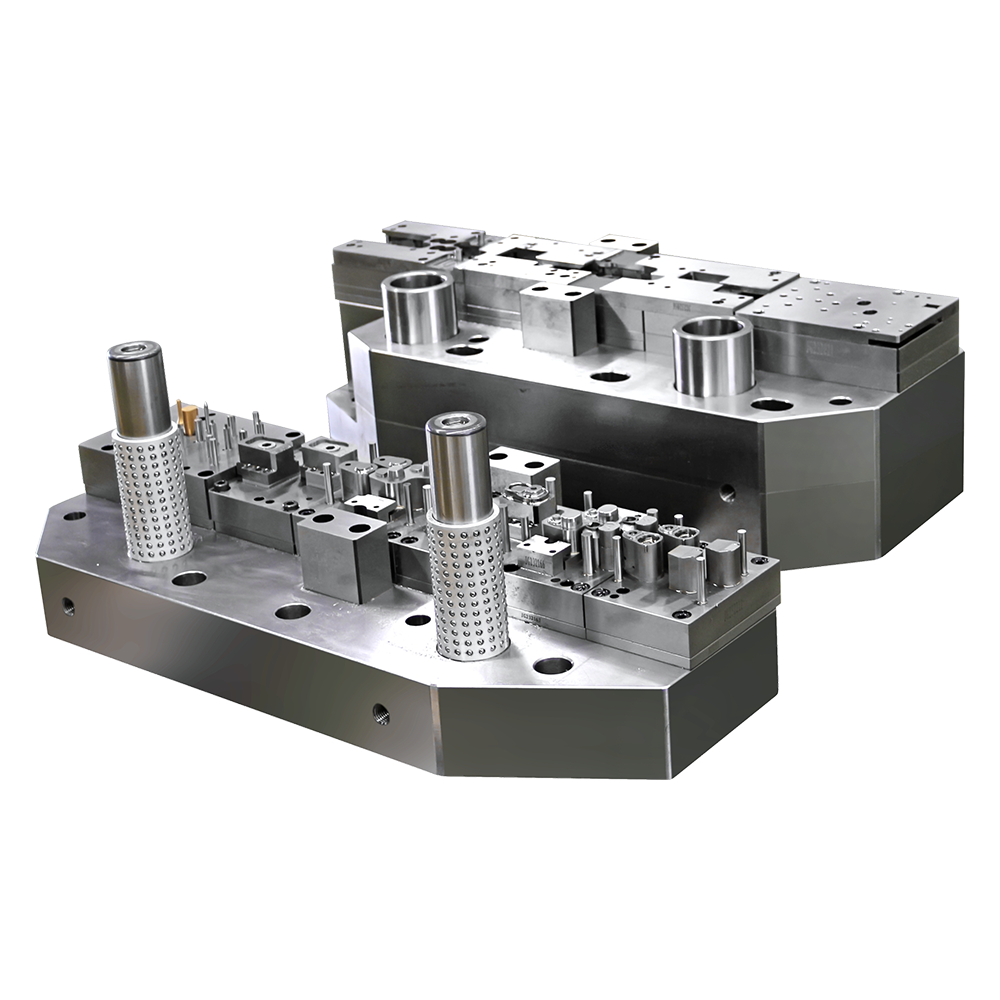
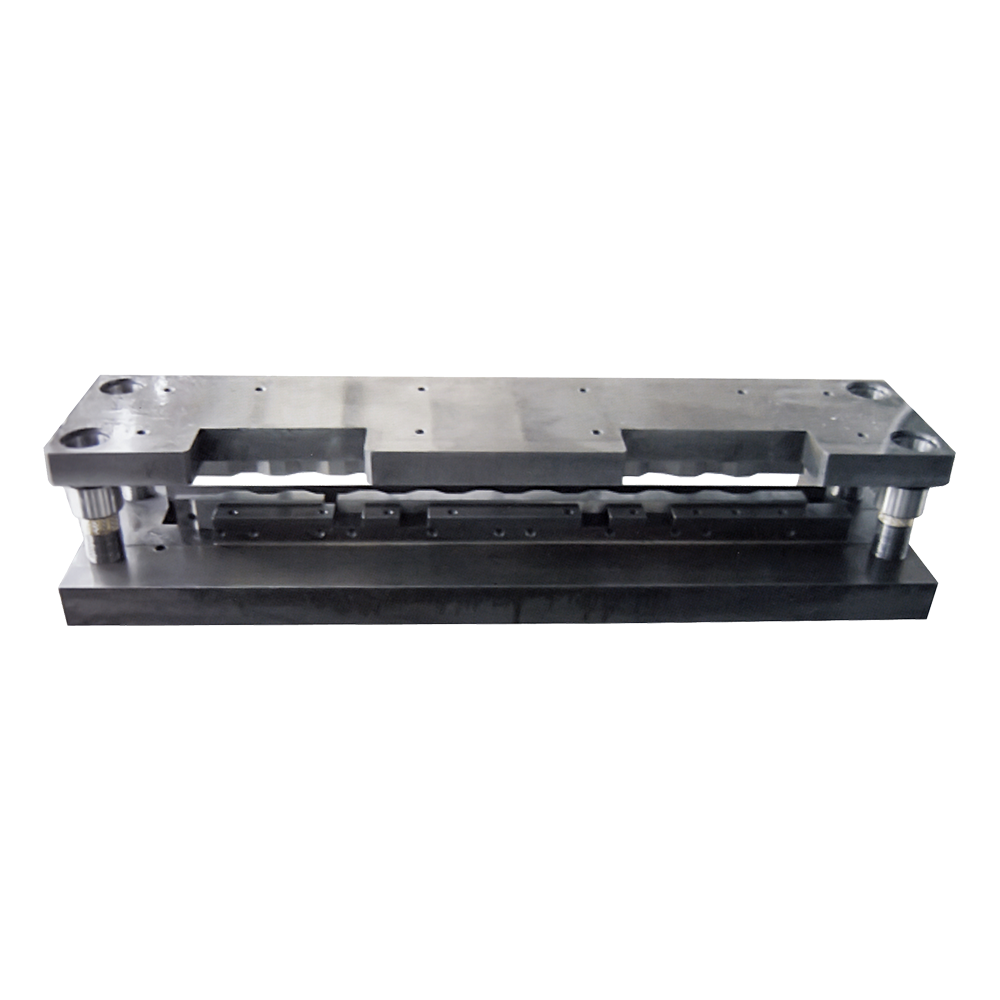
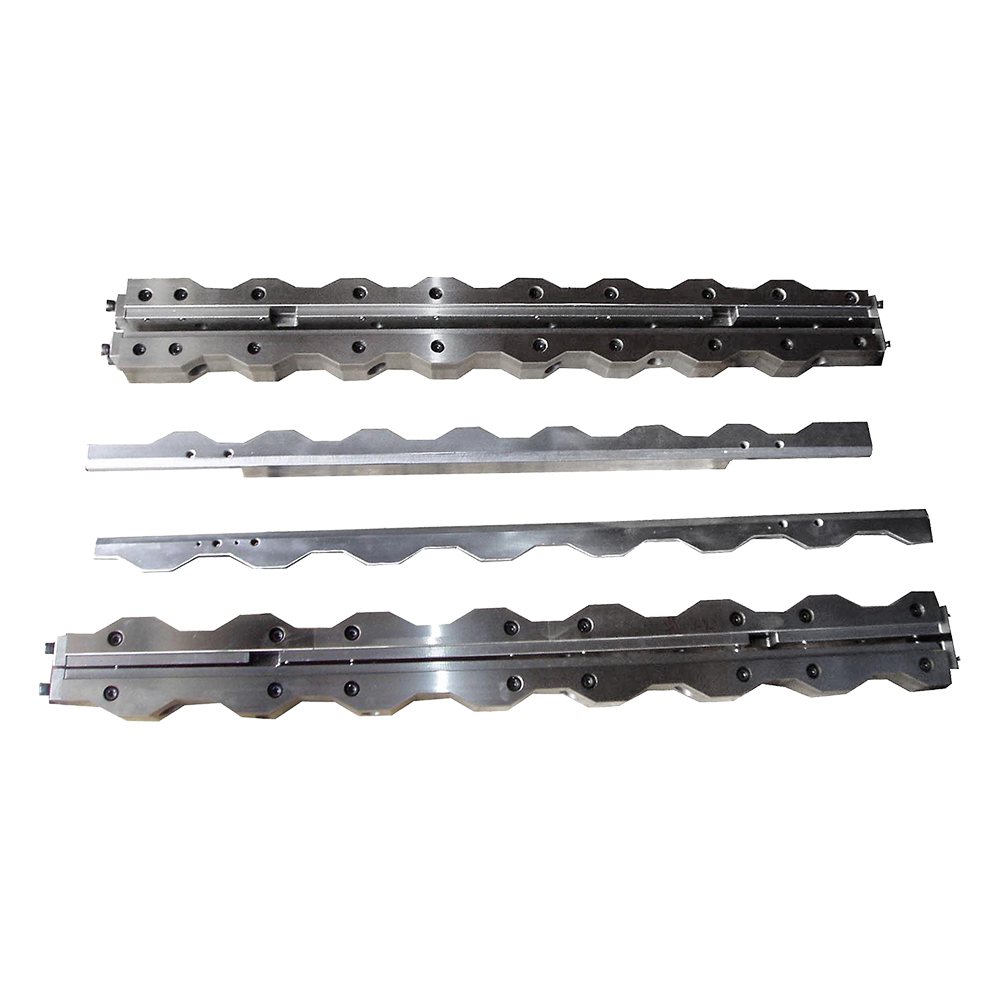
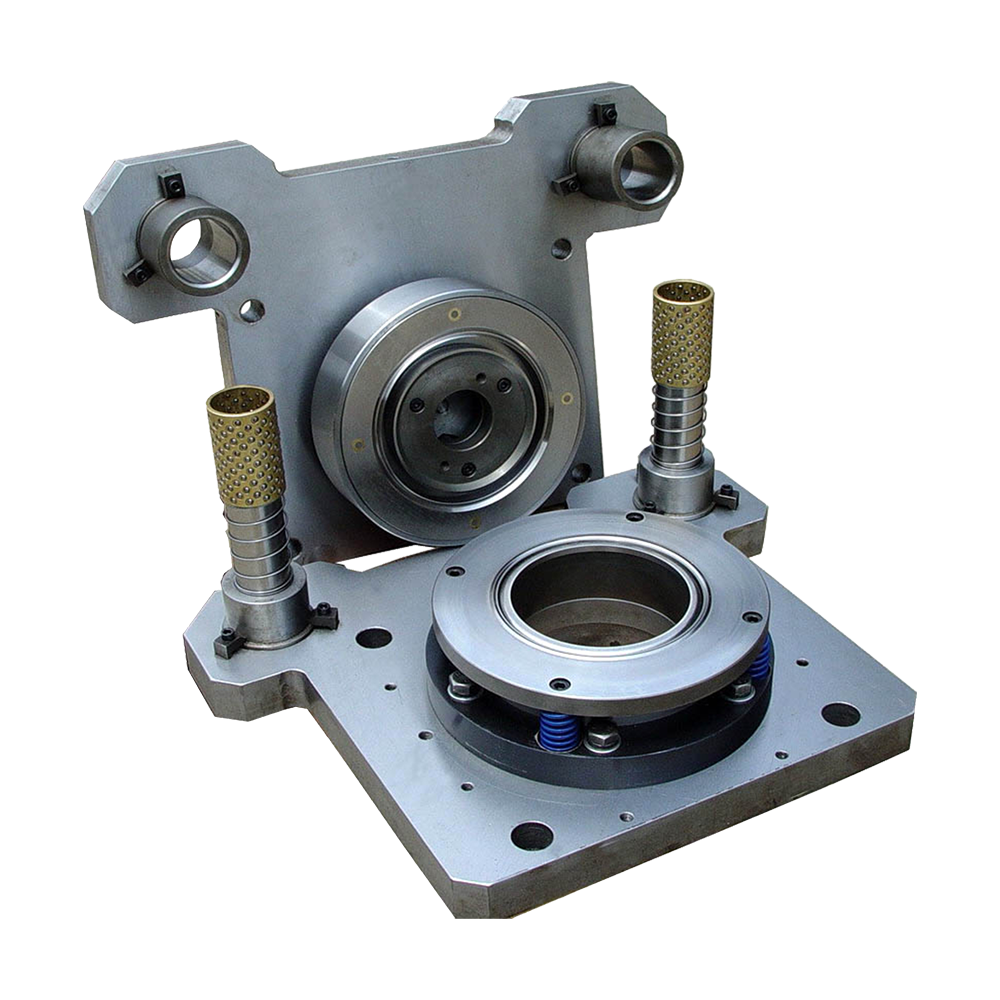
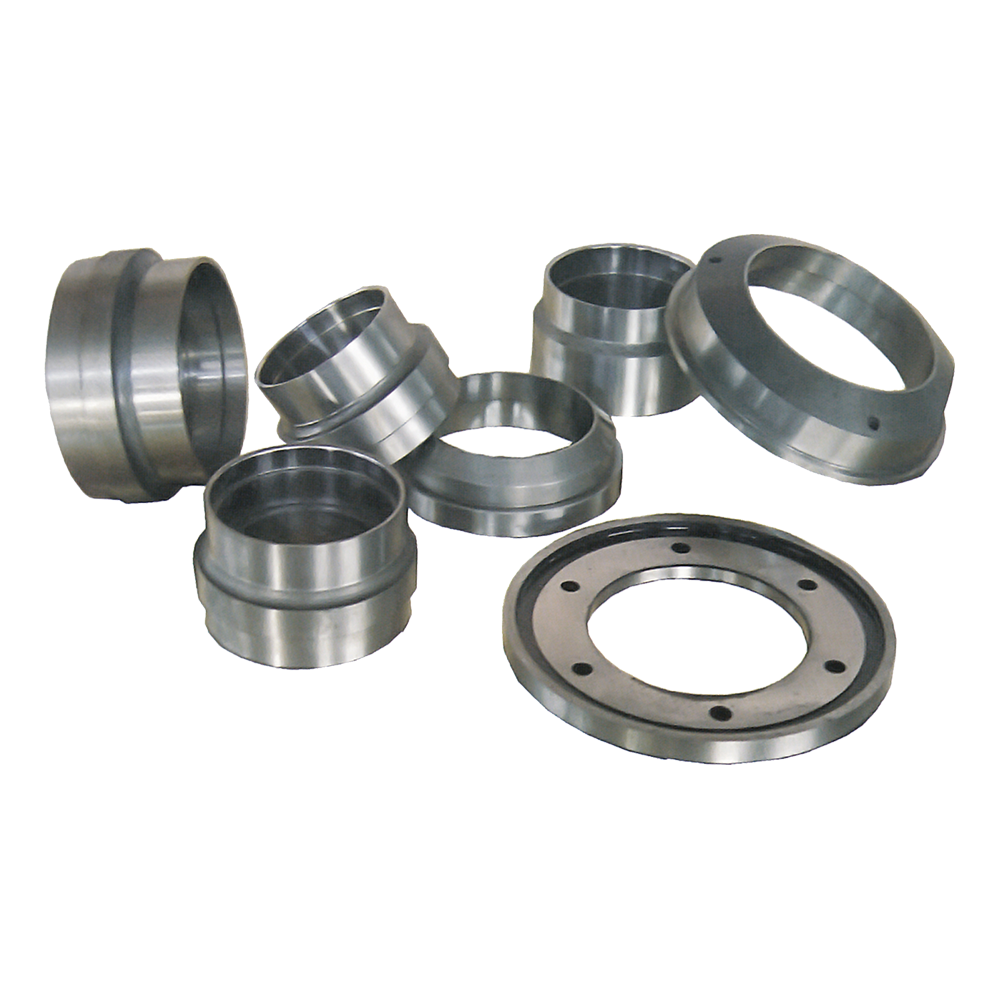
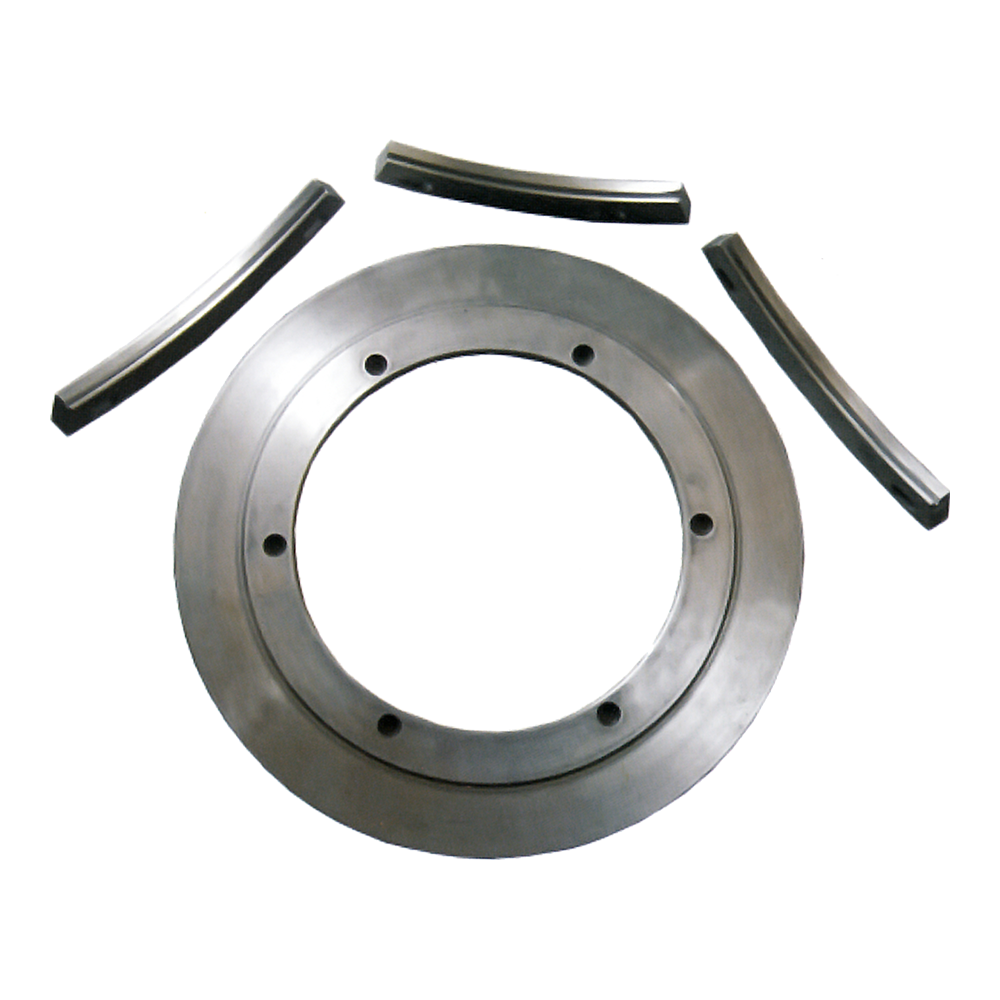
Conversion press channel dies are essential tooling components in modern can lid and end-making operations. They guide, support, shape, and control metal during the conversion process, helping manufacturers transform stamped shells or formed components into accurate, repeatable, and production-ready can ends. Although a channel die is a relatively compact part of a complete conversion press, its influence on product quality, line efficiency, tooling life, and operating cost is substantial.
For manufacturers producing food can ends, beverage can lids, aerosol components, chemical container closures, and other tinplate packaging parts, the performance of the channel die directly affects dimensional consistency and the stability of downstream operations. A well-designed die helps maintain correct channel geometry, reduces variation between production cycles, supports reliable compound application and sealing operations, and contributes to a smoother overall production process.
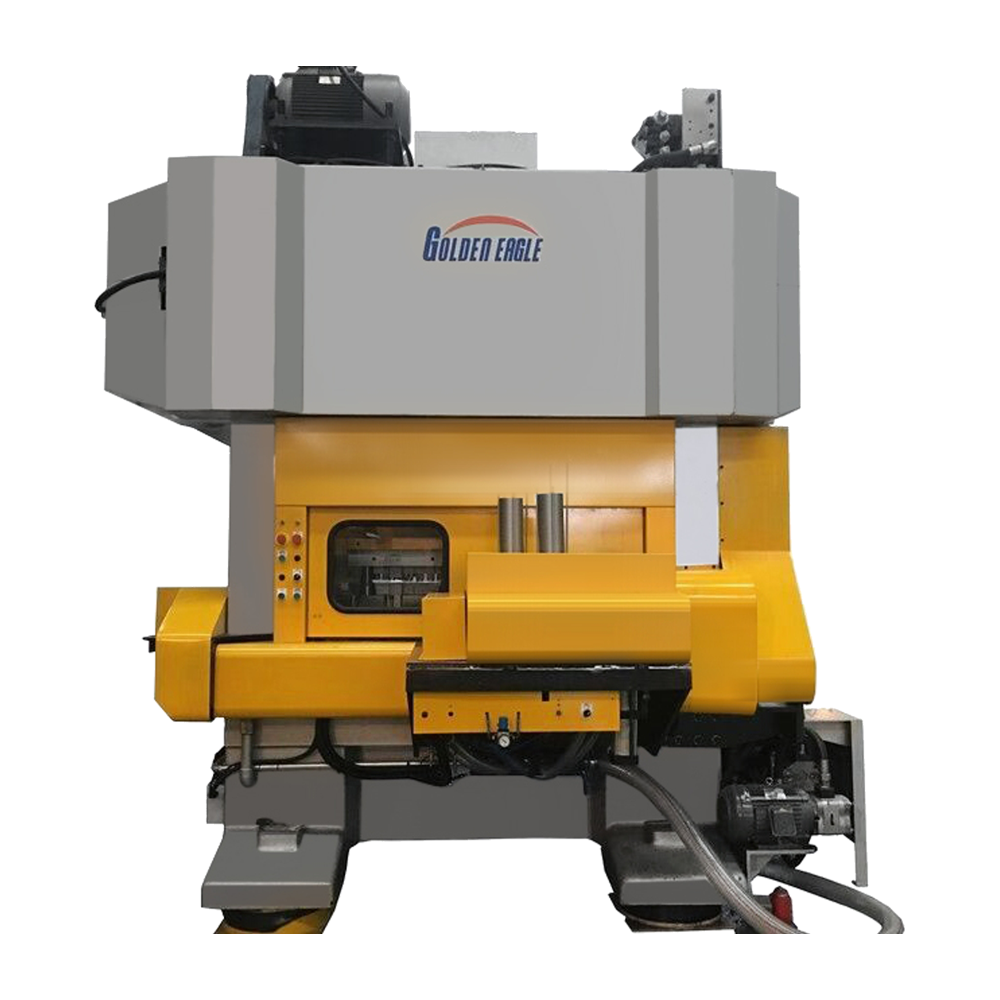
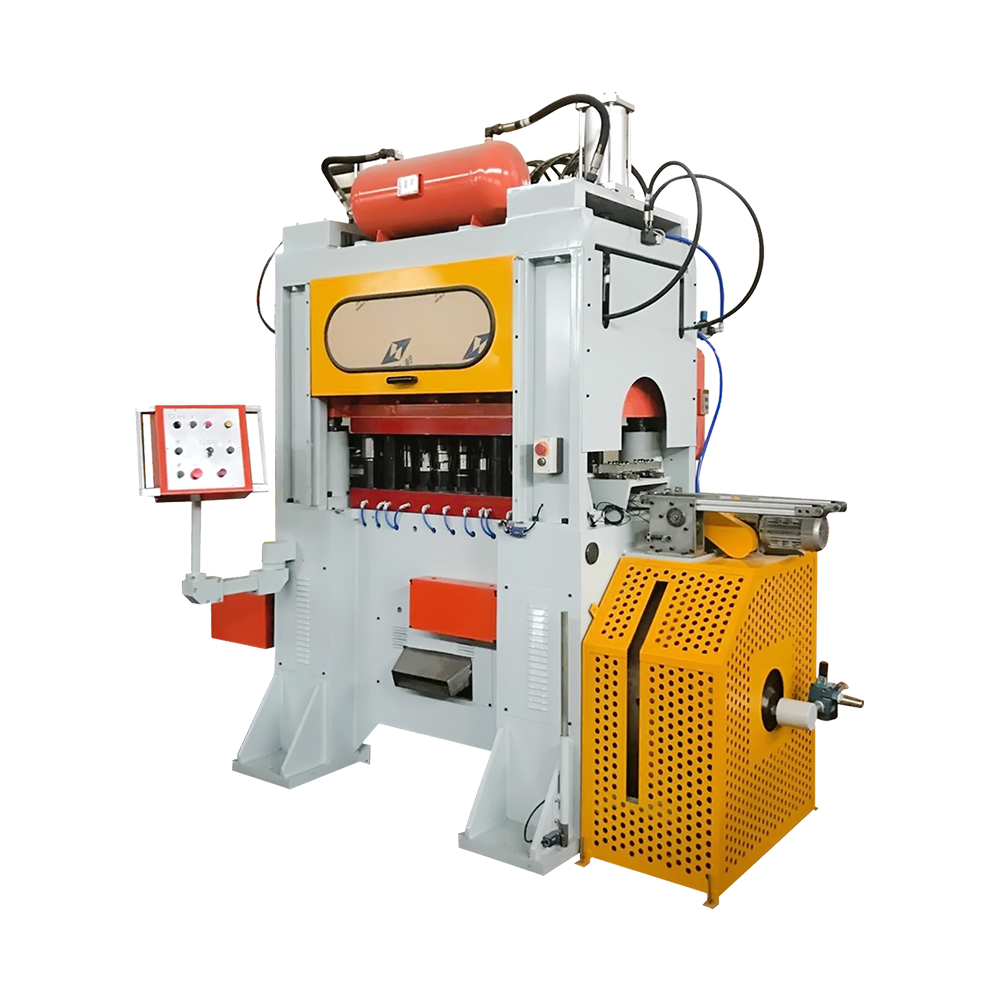
The Conversion Press Channel Die supplied by Zhejiang Golden Eagle Food Machinery Co., Ltd. is developed for demanding can-making applications. The company has specialized in can-making machinery and can-making molds since 1978, combining long-term production experience with modern CNC machining, professional engineering, and systematic quality management. Its tooling solutions are designed around the practical requirements of high-volume metal packaging production, including accuracy, durability, ease of maintenance, and compatibility with complete can and can-lid production lines.
This article explains the function of a conversion press channel die, its role in can lid manufacturing, its principal technical advantages, the manufacturing capabilities behind it, and the considerations that buyers should evaluate before selecting tooling for a production line.
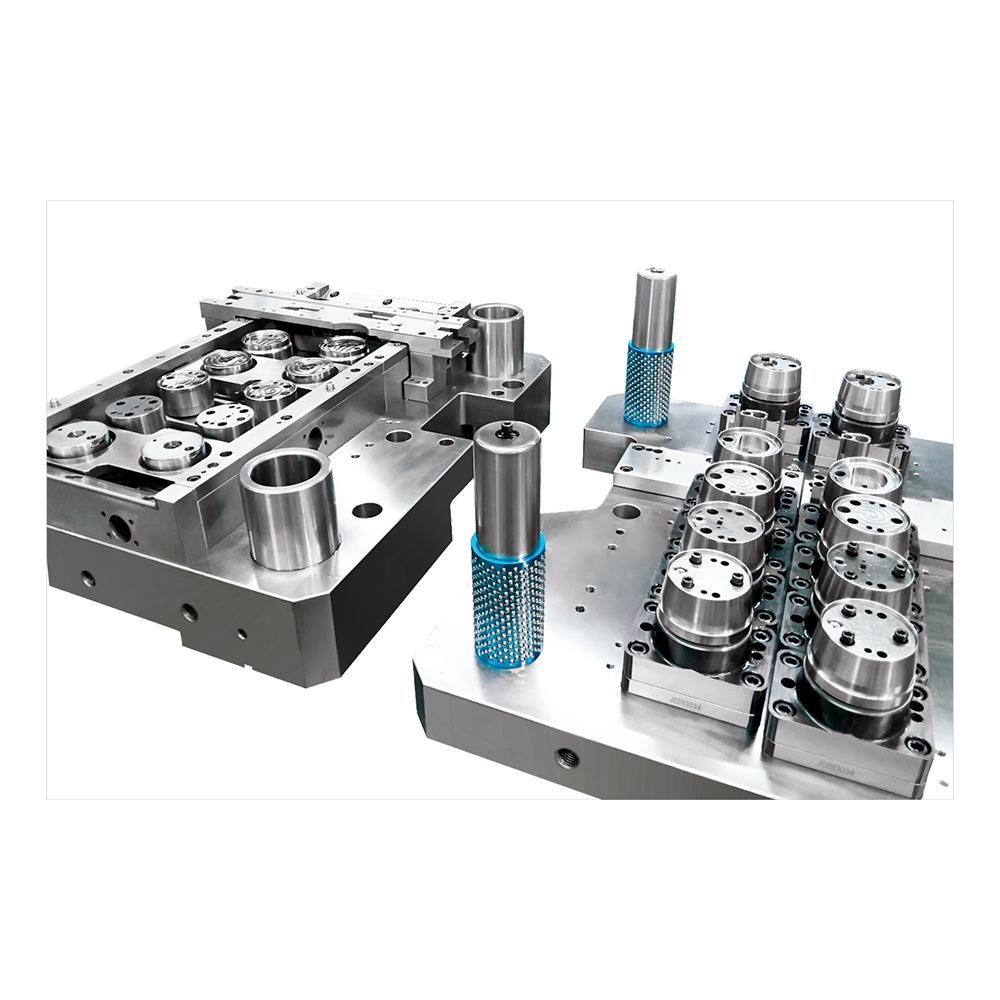
Conversion Press Channel Die
A conversion press is used to complete a sequence of forming operations on a metal shell or partially shaped can-end component. Depending on the product design, these operations may include drawing, forming, beading, curling, panel shaping, scoring, embossing, countersinking, and other processes required to create a finished end. The channel die is one of the tooling elements that controls the formation of the channel or recessed ring in the lid.
The channel is important because it contributes to the structural design of a can end. It can provide space for sealing compound, support the geometry required for double seaming, and help the end withstand handling, internal pressure, stacking, and transportation. If the channel is not formed accurately, the lid may not perform correctly during sealing or may show defects such as uneven depth, distorted profiles, cracking, excessive thinning, or unstable dimensions.
During operation, the workpiece is positioned in the press and guided through the forming area. The channel die works together with complementary components, such as punches, pressure pads, guide elements, and other forming tools. The exact interaction depends on the can-end design, material thickness, press configuration, and production requirements. The die must maintain a controlled relationship between these elements throughout the stroke of the press.
A channel die therefore performs more than a simple shaping function. It also helps determine how metal flows during forming. Controlled metal flow is essential when working with tinplate, aluminum, or other thin-gauge materials. Excessive stress can create cracks or wrinkles, while insufficient control can lead to incomplete formation or dimensional instability. The geometry and surface condition of the die must be carefully matched to the product and material.
Can-making operations are highly dependent on repeatability. A production line may manufacture thousands or millions of ends, and every part must remain within the required dimensional range. Small differences in channel width, depth, radius, or concentricity can accumulate and affect later processes.
One important downstream operation is sealing compound application. The compound is applied to a specific region of the can end to create a reliable seal during double seaming. If the channel geometry varies, the compound may not be distributed evenly or may not remain in the intended position. This can influence sealing performance and may increase the risk of leakage.
The conversion press channel die also affects the final relationship between the end and the can body. A properly formed end supports consistent seaming conditions, predictable overlap, and stable compression. An end with an irregular profile can create more difficult setup conditions for the seamer and may require frequent adjustments.
Dimensional accuracy also supports efficient quality control. When the die produces stable parts, operators can use normal inspection intervals and maintain predictable process settings. When the die produces inconsistent parts, inspection frequency may need to increase, production may need to slow down, and more components may be rejected.
A precise die can provide benefits in several areas:
More uniform channel depth and width.
Improved concentricity between the channel and the end panel.
More stable forming of thin-gauge metal.
Reduced risk of wrinkles, cracks, and incomplete forming.
More consistent sealing compound placement.
Improved compatibility with downstream double-seaming operations.
Reduced tooling adjustment and replacement frequency.
Lower scrap and more predictable production costs.
These benefits are especially valuable for manufacturers that operate high-speed lines or supply products for demanding food, beverage, aerosol, and chemical packaging markets.
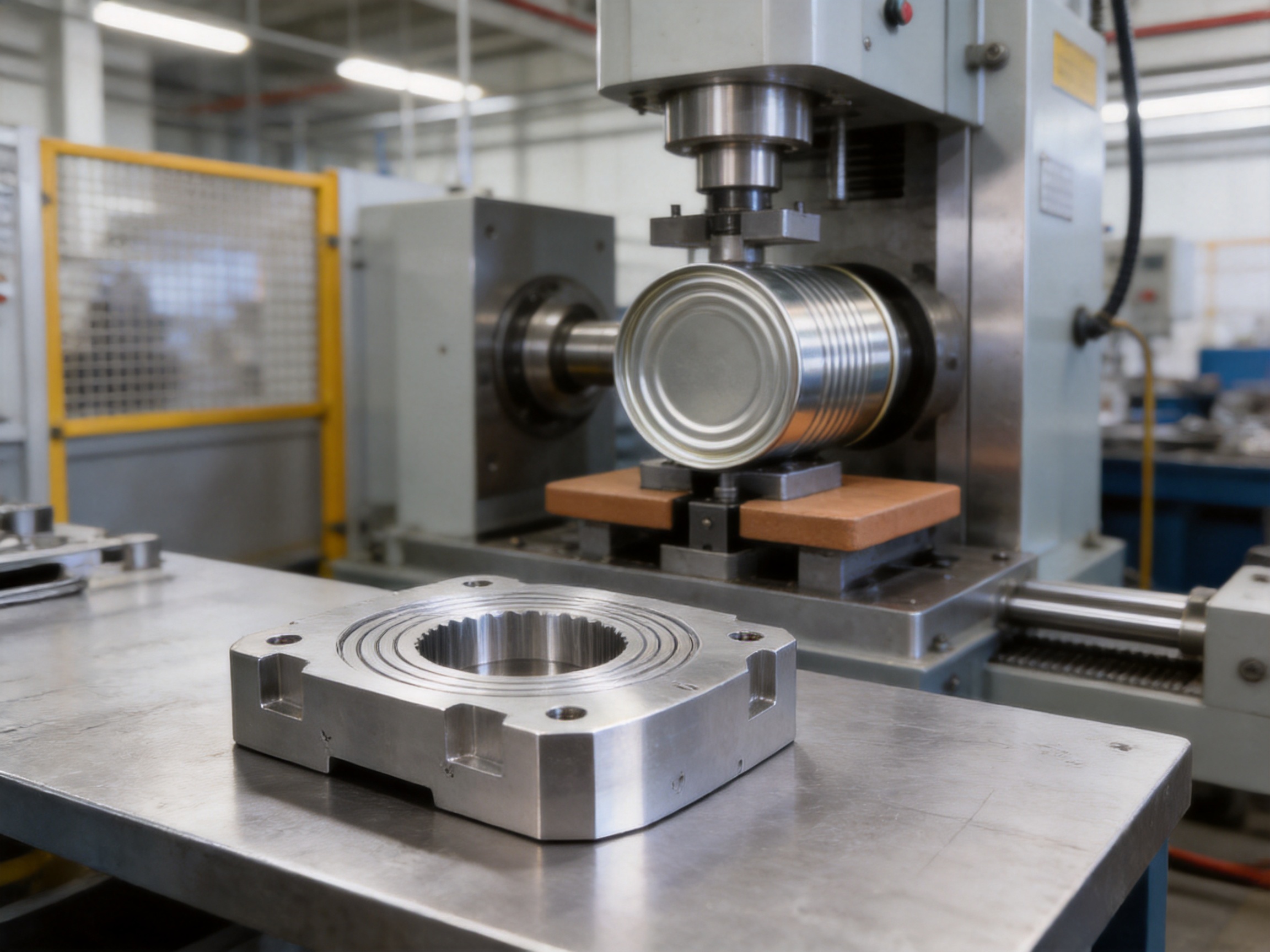
The forming profile of a channel die must correspond closely to the technical drawing and finished end specifications. The profile may include carefully controlled radii, shoulders, transitions, and clearance zones. These details determine how the metal enters and leaves the forming area and how stress is distributed throughout the part.
Precision engineering helps prevent abrupt changes in metal flow. Smooth transitions can reduce localized stress and help protect the coating or printed surface of the tinplate. Correct radii also reduce the possibility of scoring, cracking, and premature tool wear.
For a manufacturer, precision is not limited to the nominal dimensions of the die. The relationship between the die, punch, guide system, and press stroke is equally important. A channel die must be produced and checked as part of a complete tooling system rather than as an isolated component.
Can ends may be produced from different grades and thicknesses of metal. Tinplate is widely used for food cans, beverage containers, aerosol cans, and chemical packages because it offers a combination of formability, strength, surface protection, and recyclability. The material can nevertheless be sensitive to forming conditions, especially when the design includes narrow radii or multiple forming stages.
A properly manufactured channel die supports controlled deformation while minimizing unnecessary friction and surface damage. The working surface must be smooth and accurately finished so that the material can move consistently through the tool. Correct clearance is also essential. Excessive clearance may lead to loose or incomplete forming, while insufficient clearance may increase friction, galling, and metal damage.
When the tooling is correctly matched to the material, manufacturers can achieve more stable results across different production batches. This helps reduce the need for frequent press adjustments when material properties vary within acceptable limits.
Channel dies are exposed to repeated mechanical loading, sliding contact, impact, and friction. In a busy production environment, tooling may operate continuously for extended periods. Service life therefore depends on the quality of the raw material, heat treatment, machining precision, surface finish, assembly accuracy, and maintenance practices.
The channel die is manufactured using industrial machining processes intended to create a durable working surface and reliable dimensional stability. High-precision CNC equipment can produce consistent profiles and reduce variation between individual tooling sets. Careful finishing helps reduce friction and prevents small surface imperfections from becoming wear points.
Longer service life provides several operational advantages. It reduces the frequency of planned changeovers, limits unexpected downtime, and lowers the cost of spare tooling inventory. It also helps maintain consistent product quality over a longer production period.
Repeatability is a key difference between basic tooling and professionally engineered production tooling. A die may appear correct during initial inspection but still perform poorly if its geometry changes under load or if the working surfaces are not consistently finished.
The channel die is intended for stable use in production environments where repeatable results are required. Consistency between batches helps simplify press setup and allows operators to use established process parameters. This is particularly important for plants that manufacture several end sizes or switch between different products.
Tooling maintenance should be practical and predictable. Operators need to inspect working surfaces, remove contaminants, check alignment, and identify wear before it affects product quality. A well-designed channel die should be accessible for inspection and suitable for replacement or servicing as part of a planned maintenance program.
Clear technical documentation, accurate identification, and compatibility with the associated press tooling can further simplify maintenance. When replacement components are manufactured according to the original specifications, production teams can restore the line without unnecessary modification.
Not all channel dies provide the same production value. Lower-cost tooling may have an attractive initial price, but poor dimensional control, rough surfaces, unsuitable materials, or limited engineering support can create additional costs during operation.
A high-quality die is manufactured with closer control of the channel profile and critical dimensions. This supports consistent can-end geometry and reduces variation between individual pieces. General-purpose tooling may be less carefully matched to the exact product design, which can result in unstable forming and higher rejection rates.
Surface defects on tinplate can affect appearance, corrosion resistance, and subsequent coating or sealing performance. Properly finished tooling reduces friction and minimizes the possibility of scratches, marks, or coating damage. Rough or poorly polished tooling can create defects that are difficult to correct after forming.
Accurate tooling helps maintain a stable relationship between the press, workpiece, and forming components. This can reduce vibration, irregular loading, and sudden changes in forming force. A stable process is easier for operators to monitor and less likely to require repeated adjustment.
The purchase price of a die is only one part of its total cost. Tool life, downtime, spare parts, inspection, scrap, maintenance labor, and production interruptions all influence the total cost of ownership. A durable and precise channel die can provide better long-term value even when its initial price is higher than a basic alternative.
A channel die should be designed for the actual conversion press, end size, material, and forming sequence. A professional supplier can review these requirements before manufacturing. This is an advantage over generic products that may require modification or compromise in order to fit an existing line.
| Evaluation Area | Precision Conversion Press Channel Die | Basic or Poorly Matched Die |
|---|---|---|
| Dimensional consistency | Stable profile and repeatable forming | Greater variation between parts |
| Working surface | Controlled finish for smoother metal flow | Possible roughness, marks, or excessive friction |
| Tool life | Designed for extended production use | May require earlier repair or replacement |
| Press adjustment | Supports stable setup parameters | More frequent adjustments may be necessary |
| Seaming compatibility | More consistent end geometry | Potential variation in sealing and seaming performance |
| Maintenance | Suitable for planned inspection and servicing | Wear may be difficult to predict |
| Total operating cost | Lower scrap and downtime potential | Higher risk of hidden production costs |
| Technical support | Can be matched to press and product requirements | Often limited to basic dimensional supply |
The quality of a conversion press channel die depends heavily on the manufacturing system used to produce it. Zhejiang Golden Eagle Food Machinery Co., Ltd. has developed its capabilities through more than 46 years of experience in can-making machinery and mold production. The company was originally known as Zhejiang Food Machinery Factory and Zhoushan Mold Factory, reflecting its long-standing connection with industrial tooling and can production equipment.
Since its establishment in 1978, the company has concentrated on equipment and molds for metal packaging. This specialized focus is important because can-making tooling has requirements that differ from general mechanical components. Tool designers must understand material flow, press timing, end geometry, seaming requirements, production speed, and the relationship between multiple operations.
Experience gained from producing a wide range of can-making equipment and molds enables engineers to consider the channel die within the broader production process. The company has produced more than 10,000 pieces of can and can-lid equipment, giving its technical team practical exposure to different factory conditions and packaging applications.
The company employs more than 350 trained personnel, including experienced design and development engineers. This workforce supports product development, machining, assembly, quality control, commissioning, and after-sales service.
Professional engineering is particularly important when a channel die must be adapted to a specific press or product. Drawings, material specifications, tolerances, surface requirements, and installation conditions must be reviewed together. An experienced technical team can identify potential interference, clearance, alignment, and forming issues before the tooling reaches the production line.
Modern CNC machining equipment provides accurate control of complex profiles and repeatable production results. It allows the manufacturer to machine critical surfaces according to digital designs while maintaining controlled dimensional relationships. CNC processes are supported by complete mechanical machining equipment for turning, milling, drilling, finishing, and other operations required for tooling production.
The use of advanced equipment helps reduce manual variation and supports the production of dies with consistent geometry. It also makes it easier to reproduce tooling when customers require replacement components or additional sets for multiple production lines.
The company states that its product design principles are similar to those associated with internationally recognized manufacturers such as KRUPP, SOUDRONIC, and ALFONS-HAAR. This does not mean that every product is identical to equipment from those manufacturers. Rather, it indicates that the company studies established industrial design concepts and combines them with its own manufacturing experience.
During practical production, the company has continued to improve its equipment and molds by applying operating experience and developing new solutions. This combination of reference design principles and local engineering practice can help produce tooling that is familiar to experienced can-making professionals while remaining adaptable to specific customer requirements.
The company has been certified to the ISO 9001 quality management system and ISO 14001 environmental management system. ISO 9001 supports structured procedures for quality planning, production control, inspection, corrective action, and continual improvement. ISO 14001 reflects a systematic approach to environmental management and responsible industrial operations.
For buyers, management-system certification is useful because it indicates that quality is supported by documented processes rather than depending entirely on individual operators. It does not replace product inspection, but it provides an organizational framework for maintaining consistent manufacturing performance.
The Conversion Press Channel Die can support a variety of can-end manufacturing applications, subject to the requirements of the specific press and product design.
Food cans require reliable sealing and strong resistance to handling, transportation, and storage conditions. The channel die helps form the end profile required for compound application and subsequent seaming. Stable geometry is important for maintaining package integrity and reducing the risk of leakage.
Beverage packaging often requires high production speed and close control of end dimensions. The tooling must support rapid repetitive forming while maintaining a consistent profile. Reliable channel formation contributes to efficient end finishing and downstream sealing operations.
Aerosol packaging involves demanding requirements related to pressure resistance, dimensional accuracy, and product safety. Depending on the specific design, channel-forming tooling may be used as part of the production of aerosol ends or related components. A stable die profile supports repeatable forming and reduces variation in critical closure geometry.
Chemical tanks and containers may use robust metal packaging designs that require reliable closure performance. Properly formed can ends help support the integrity of the completed container. Tooling selection should take into account the material, thickness, end configuration, and applicable safety requirements.
Manufacturers may also use conversion press channel dies for specialized lids and ends. Custom products can include different diameters, countersink arrangements, panel shapes, compound channels, or embossing requirements. In these cases, technical communication between the buyer and tooling manufacturer is essential.
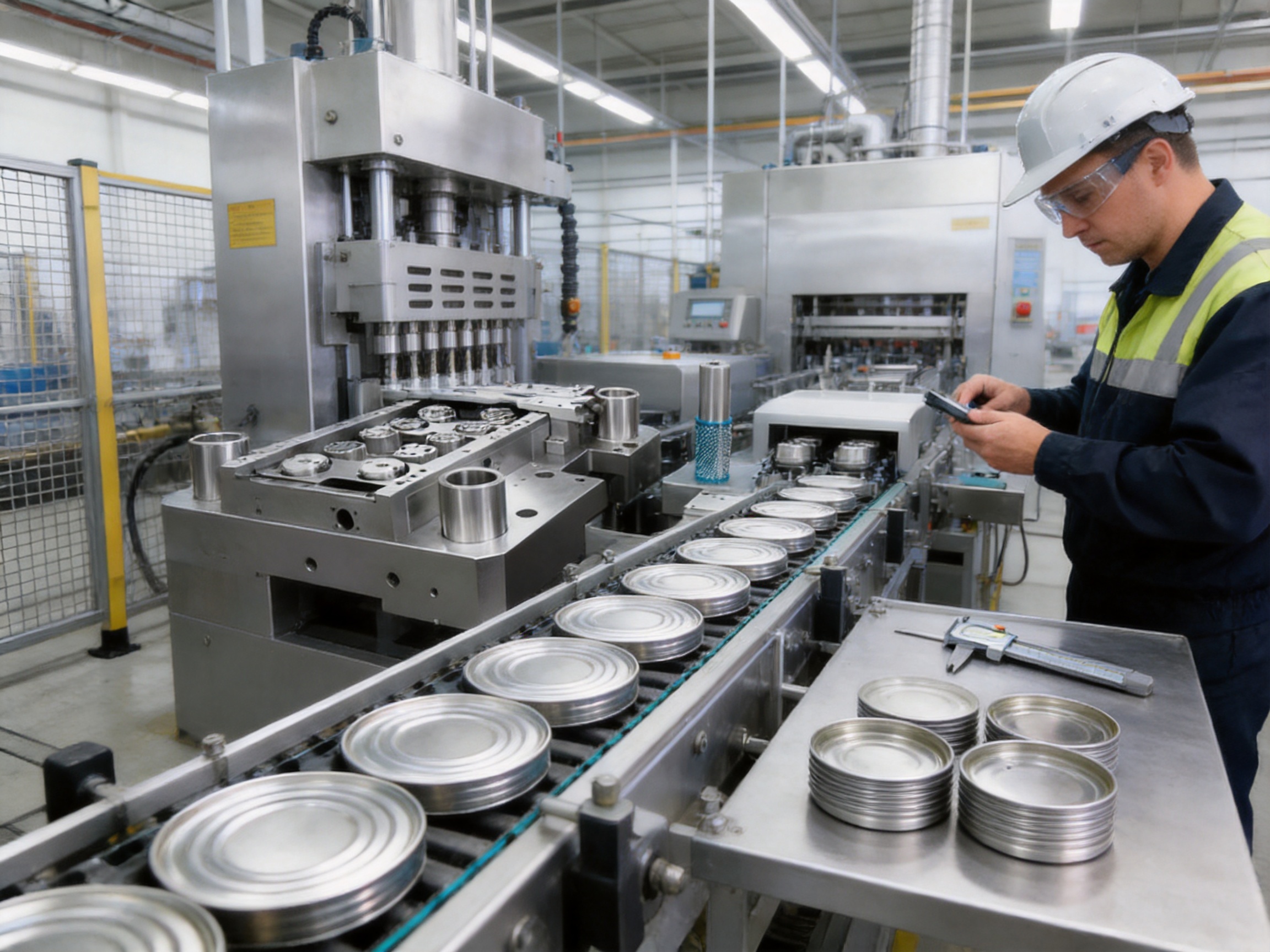
A channel die does not operate independently from the rest of the line. Its performance must be considered alongside shell forming, conversion pressing, compound lining, inspection, packaging, and seaming processes. Zhejiang Golden Eagle Food Machinery Co., Ltd. supplies complete series of can-making equipment, including food can production lines, beverage can production lines, can lid production lines, chemical tank production lines, aerosol canister production lines, two-piece can production lines, and pop can production lines.
This broader product capability can be valuable for customers seeking coordinated equipment and tooling support. When the supplier understands the complete production process, it can more effectively consider how a tooling component affects upstream and downstream operations.
For example, the channel die may need to match the shell diameter produced by an earlier forming stage. It may also need to work with a particular compound application system and meet the requirements of a specific seamer. If the tooling is purchased without considering these relationships, the customer may encounter avoidable setup difficulties.
Integrated technical support can help with several activities:
Reviewing product drawings and end specifications.
Confirming material type and thickness.
Checking press model and working stroke.
Matching die dimensions with related punches and guides.
Confirming installation and alignment requirements.
Supporting trial production and process adjustment.
Providing replacement or spare tooling when required.
Before a conversion press channel die is accepted for production, several types of inspection should be considered. Dimensional inspection verifies that the die conforms to the approved drawing. Surface inspection checks for scratches, burrs, tool marks, corrosion, or other defects that could affect metal flow.
Assembly checks confirm that the die can be installed correctly and that its mounting features correspond to the press and related tooling. Where applicable, trial forming can be used to evaluate the finished end. The trial should examine the channel profile, concentricity, surface condition, material thinning, cracks, wrinkles, and compatibility with downstream operations.
A quality-focused supplier should maintain records for materials, machining, inspection, and corrective actions. These records support traceability and help identify the cause of any later production issue. They also make it easier to reproduce a successful die when the customer orders a replacement or additional set.
Customers should communicate their acceptance requirements before production begins. These may include dimensional tolerances, surface roughness, hardness, material certification, inspection reports, trial samples, and packaging standards. Clear requirements reduce misunderstandings and help ensure that the delivered tool is suitable for the intended application.
Correct installation is essential for obtaining the intended performance from a channel die. The press should be stopped, isolated, and secured according to the plant’s safety procedures before tooling work begins. Mounting surfaces must be clean and free from chips, oil buildup, and foreign material that could affect alignment.
The die should be installed according to the approved assembly drawing. Fasteners must be tightened correctly, and the relationship between the channel die, punch, guide, and pressure components should be checked. Incorrect alignment can create uneven loading and may damage both the die and the workpiece.
Before full-speed operation, the line should be tested at a controlled speed. Initial samples should be inspected for dimensions, profile consistency, surface condition, and evidence of abnormal forming. If the product is used for double seaming, the completed can should also be checked after seaming.
Operators should monitor unusual noise, vibration, temperature, changes in press load, and visible wear. These signs may indicate contamination, misalignment, insufficient lubrication where applicable, excessive clearance, or damage to a related component. Early detection can prevent more serious tooling failure.
Regular maintenance supports both die performance and production safety. The working surfaces should be cleaned according to the material and process requirements. Metal particles, compound residue, dust, and other contaminants should not be allowed to accumulate in the forming area.
Inspection intervals should be based on production volume, material, press speed, and previous operating experience. At each inspection, the maintenance team can check for wear, scratches, burrs, deformation, corrosion, and changes in the forming profile. Related components should also be inspected because a damaged punch or guide can place abnormal stress on the channel die.
Lubrication requirements must follow the tooling and press manufacturer’s instructions. Excessive or unsuitable lubricant may contaminate the product or interfere with compound application, while inadequate lubrication can increase friction and wear. The correct product and application quantity should therefore be specified in the maintenance procedure.
When wear reaches the established limit, the die should be repaired or replaced rather than operated until severe failure occurs. Continuing to use worn tooling can increase scrap, damage other components, and create unpredictable product quality. Keeping a planned spare set can reduce the effect of maintenance downtime.
Buyers should provide complete technical information when requesting a conversion press channel die. Important details may include the can-end diameter, material type, material thickness, press model, production speed, forming sequence, channel dimensions, and related tooling information.
Product drawings are preferable to general descriptions because they show the exact geometry and tolerances. If drawings are not available, samples or existing tooling may help the manufacturer understand the required profile. Photographs alone may not provide sufficient information for precision tooling.
The buyer should also explain the intended application. A die used for a food can end may have different requirements from one used for a beverage, aerosol, or chemical container. Surface protection, compound placement, pressure resistance, and seaming conditions may influence the design.
Another consideration is whether the die is required as a replacement for an existing component or as part of a new production line. A replacement die may need to match installed tooling exactly, while a new die may be designed together with the complete press system. In either case, compatibility should be confirmed before manufacturing begins.
Tooling performance depends not only on manufacturing quality but also on the support available during installation and operation. Zhejiang Golden Eagle Food Machinery Co., Ltd. provides after-sales services that include installation, commissioning, technical guidance, operation training, and parts supply.
Installation support can help ensure that the die and associated equipment are assembled correctly. Commissioning assistance allows the production team to evaluate the first samples and optimize operating parameters. Technical guidance helps operators understand inspection points, maintenance requirements, and safe operating procedures.
Operation training is particularly useful for plants introducing a new line or changing to a new product. Trained operators are better prepared to identify abnormal conditions, perform routine checks, and maintain stable production. Fast parts supply can also help reduce downtime when a replacement component is needed.
For international customers, communication and documentation are important parts of technical service. Drawings, spare-parts lists, operating instructions, inspection records, and maintenance recommendations should be organized so that the customer’s technical team can use them effectively.
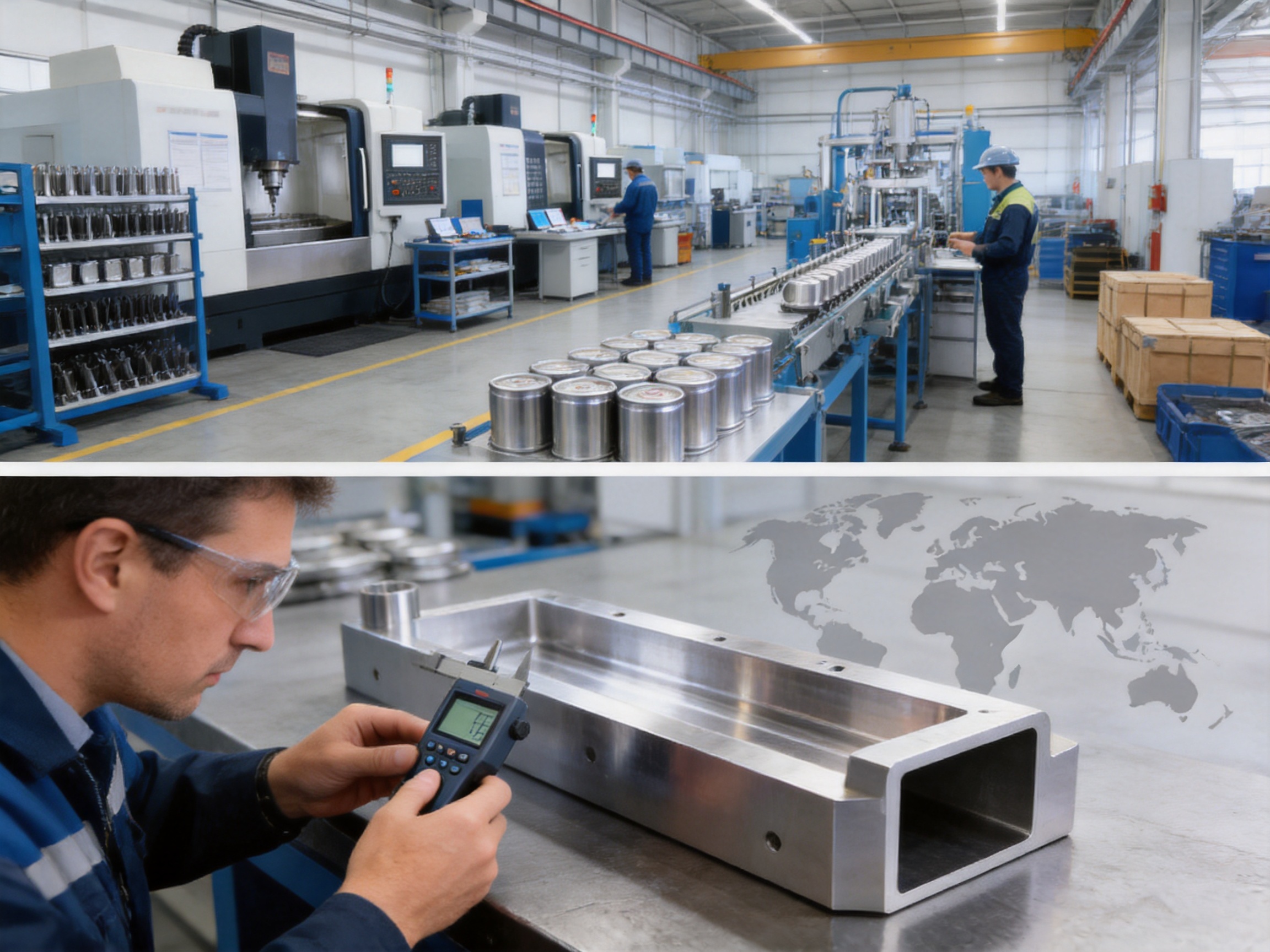
Can-making machinery and molds from the company have been supplied to customers in Europe, Asia, Africa, North America, South America, and Oceania. Markets served have included Germany, Italy, the United Kingdom, Spain, Hungary, Russia, Australia, Jordan, Malaysia, the Philippines, Pakistan, Egypt, Algeria, Turkey, Mexico, Nigeria, and Iran.
International experience can help a supplier understand different production standards, factory environments, material availability, operator practices, and service expectations. It also demonstrates the ability to package, document, and support industrial equipment for overseas delivery.
Customers should nevertheless confirm the precise technical and regulatory requirements of their destination market. The channel die must be selected according to the actual product and line conditions rather than solely on the basis of geographic application.
Investing in a properly engineered conversion press channel die can produce benefits throughout the manufacturing operation. Consistent forming reduces the number of defective ends entering later stages. This protects the efficiency of compound lining, inspection, seaming, and packaging processes.
Stable tooling also helps operators maintain production speed. When dimensions remain consistent, the press can run with fewer interruptions and less manual correction. Reduced adjustment time is especially valuable in plants that operate multiple shifts or manufacture several end specifications.
Reliable channel geometry supports customer confidence because the finished cans are more likely to meet appearance, sealing, and functional requirements. For food, beverage, aerosol, and chemical packaging, consistent quality protects the reputation of both the container manufacturer and the product brand using the package.
Finally, a durable die supports more predictable budgeting. Planned maintenance and replacement are easier to manage than unexpected failures. Lower scrap, reduced downtime, and longer service life can improve the total economics of the production line.
A conversion press channel die is a precision forming tool used to create the channel or recessed ring in a can lid or end. It works with other press components to control the shape and dimensions of the metal during the conversion process.
Channel dies are commonly used with tinplate and may also be suitable for other sheet materials depending on the die design, material thickness, press configuration, and product requirements. The material should be confirmed during the technical review.
Channel geometry affects compound placement, end strength, dimensional stability, and compatibility with double seaming. Inaccurate geometry can contribute to leakage, wrinkles, cracks, uneven sealing, or difficulty maintaining stable production.
Yes. Precision tooling should be matched to the press model, end diameter, material, forming sequence, related tooling, and required channel dimensions. Customers should provide drawings, samples, or complete technical specifications for evaluation.
Useful information includes the product drawing, end diameter, material type and thickness, press model, production speed, channel profile, existing tooling details, required quantity, and any inspection or documentation requirements.
Tool life can be supported through correct installation, accurate alignment, suitable lubrication, regular cleaning, timely inspection, controlled operating conditions, and prompt replacement of worn related components. Operating a damaged or misaligned tool can shorten its service life.
A precision die can reduce scrap, adjustment time, unexpected downtime, and replacement frequency. It also helps maintain stable product quality, which lowers the risk of rejected batches and customer complaints.
It may be supplied as a tooling component or coordinated with can-making and can-lid production equipment, depending on the customer’s project. The supplier also provides complete series of food can, beverage can, can lid, chemical tank, aerosol, two-piece can, and pop can production equipment.
The manufacturer operates with ISO 9001 quality management certification and ISO 14001 environmental management certification. CNC machining, mechanical processing, inspection, engineering review, and after-sales support are also part of the manufacturing and service system.
Available support includes installation, commissioning, technical guidance, operation training, and parts supply. The exact service arrangement should be confirmed according to the project scope and customer location.
The conversion press channel die is a small but highly influential component in can lid manufacturing. Its geometry, surface finish, strength, alignment, and durability affect the quality of the finished end and the efficiency of the complete production line. For manufacturers working with food cans, beverage containers, aerosol packages, chemical tanks, or other metal packaging products, selecting accurate and durable tooling is an important production decision.
The Conversion Press Channel Die from Zhejiang Golden Eagle Food Machinery Co., Ltd. is supported by the company’s long history in can-making machinery and molds, professional engineering personnel, CNC and mechanical machining capabilities, international production experience, and ISO-based management systems. Its design and manufacturing approach emphasizes dimensional consistency, reliable metal flow, long service life, maintenance practicality, and compatibility with complete can-making operations.
By combining specialized tooling with technical review, installation assistance, commissioning, training, and spare-parts support, the supplier offers more than an individual die. It provides a production-oriented solution intended to help can manufacturers improve process stability, reduce avoidable downtime, and maintain consistent can-end quality over the working life of the equipment.
1. Metal Packaging Manufacturing Principles, technical reference material on tinplate forming, can-end design, and seaming operations.
2. ISO 9001, Quality Management Systems, principles for controlled production processes and continual improvement.
3. ISO 14001, Environmental Management Systems, principles for environmental responsibility in industrial manufacturing.
4. Industrial Press Tooling Practices, reference guidance on die design, alignment, surface finishing, inspection, and maintenance.
5. Can-End Production Engineering, technical information concerning conversion presses, channel forming, compound application, and double seaming.
6. Sheet Metal Forming Technology, reference material on material flow, forming stress, tool clearance, friction, and workpiece quality.
7. Manufacturer-provided company information concerning can-making machinery, can-making molds, production capabilities, certifications, international markets, and after-sales services.
Related Products

Founded in 1978, the company is one of the largest can-making machinery well-known companies at home and abroad.
Product Categories
Contact Information
Zhongshatou Shenjiamen Zhoushan Zhejiang China
+86-580-3056646

 English
 中文简体
 русский
 عربى
 Español