2026-10-15
Modern manufacturers of aerosol products, chemical containers, industrial compounds, and specialty packaged goods require production equipment that combines speed, dimensional flexibility, reliable seaming, and consistent quality. A chemical can line designed for both aerosol cans and chemical cans provides an integrated solution for forming, flanging, seaming, and handling a broad range of tinplate containers. Instead of investing in separate equipment for every diameter and application, manufacturers can configure a coordinated line around several specialized machines.
The chemical can line described in this article is an automatic production solution for containers with diameters ranging from approximately 52 millimeters to 275 millimeters. Depending on the selected equipment configuration, the line can support smaller and medium-sized cans at outputs of approximately 80 to 150 cans per minute, while larger cans can be produced at approximately 20 to 50 cans per minute. This combination of size coverage and production speed makes the line suitable for aerosol products, chemical packaging, industrial cans, and other tinplate container applications.
The system is manufactured by Zhejiang Golden Eagle Food Machinery Co., Ltd., a long-established Chinese producer of can-making machinery and molds. Since its establishment in 1978, the company has developed a broad range of equipment for food cans, beverage cans, can ends, chemical containers, aerosol cans, two-piece cans, and related tinplate packaging applications. Its experience in mechanical design, machining, assembly, commissioning, and after-sales support contributes to the practical value of the chemical can line.
Although chemical and aerosol containers may look similar from the outside, their production requirements can differ significantly. Container diameter, body height, lid structure, seam requirements, material thickness, line speed, and filling application all influence equipment selection. The chemical can line addresses these differences through multiple machine models and process combinations, allowing users to select equipment according to container specifications rather than forcing every product into one fixed format.
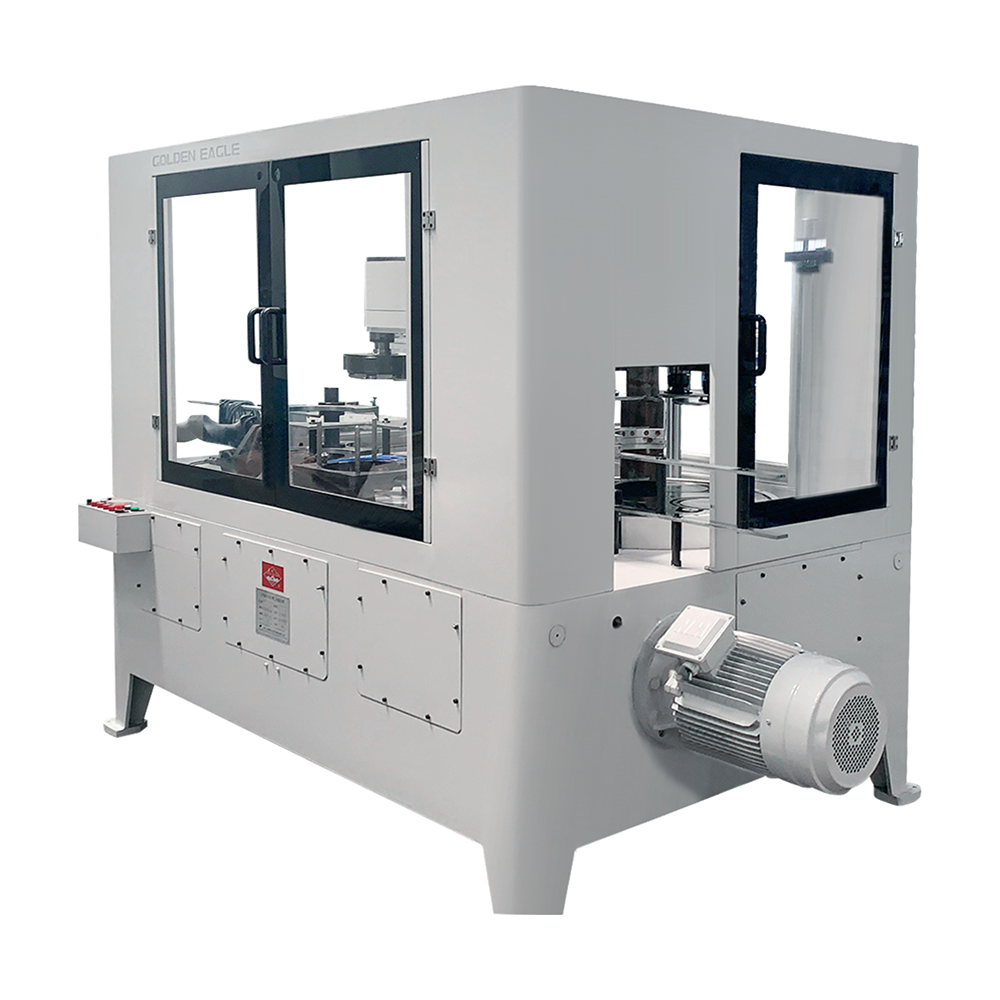
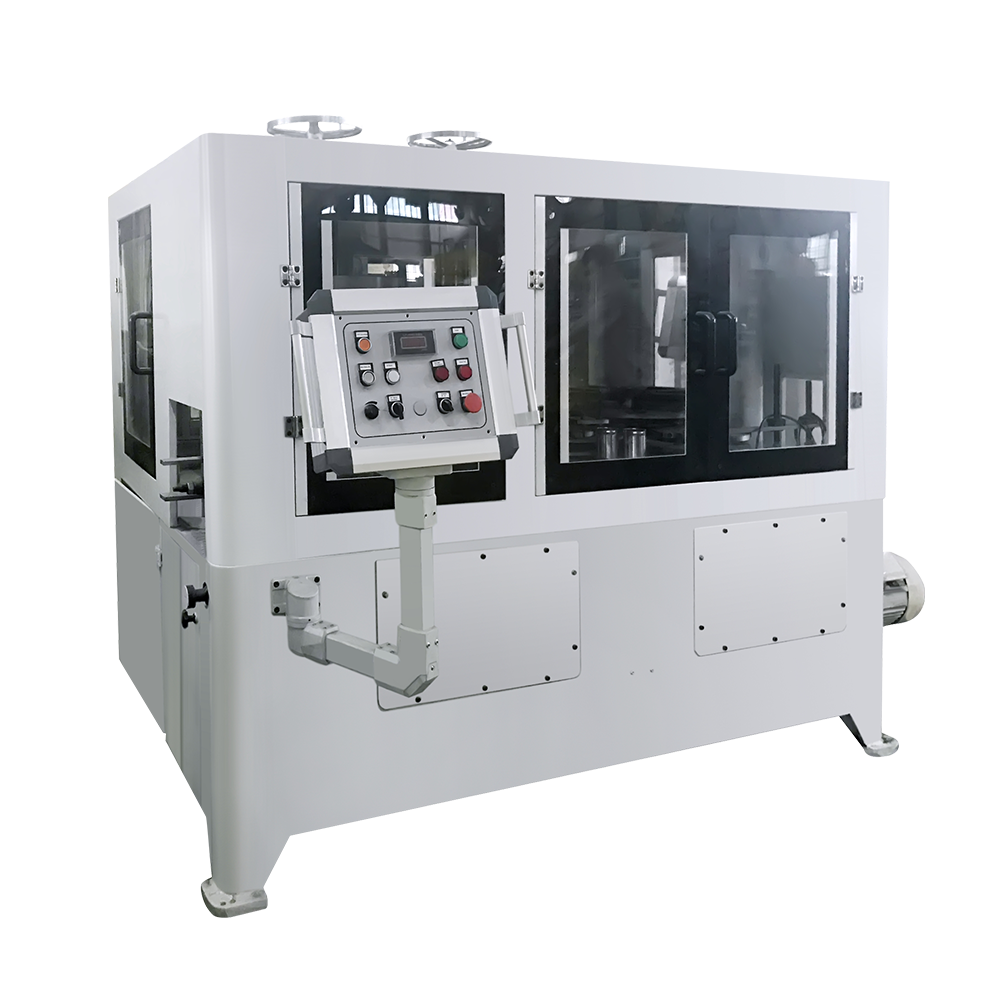
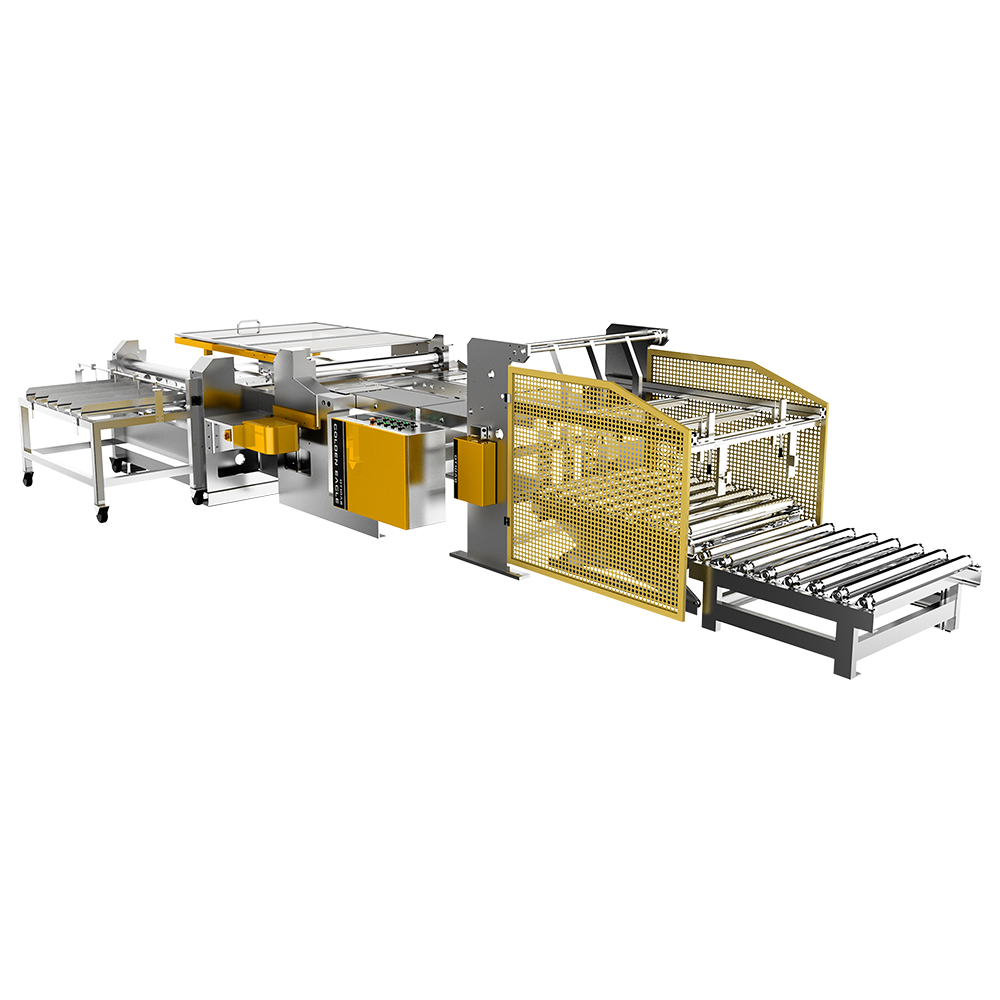
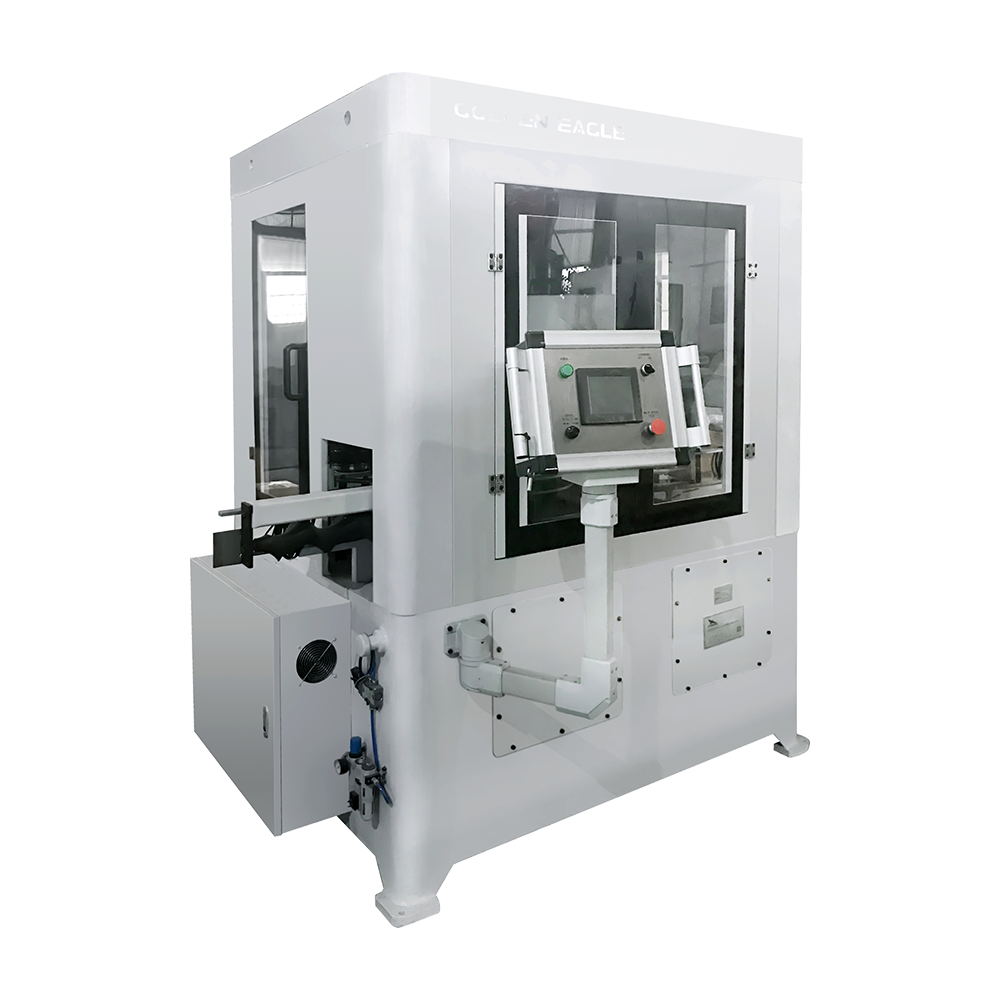
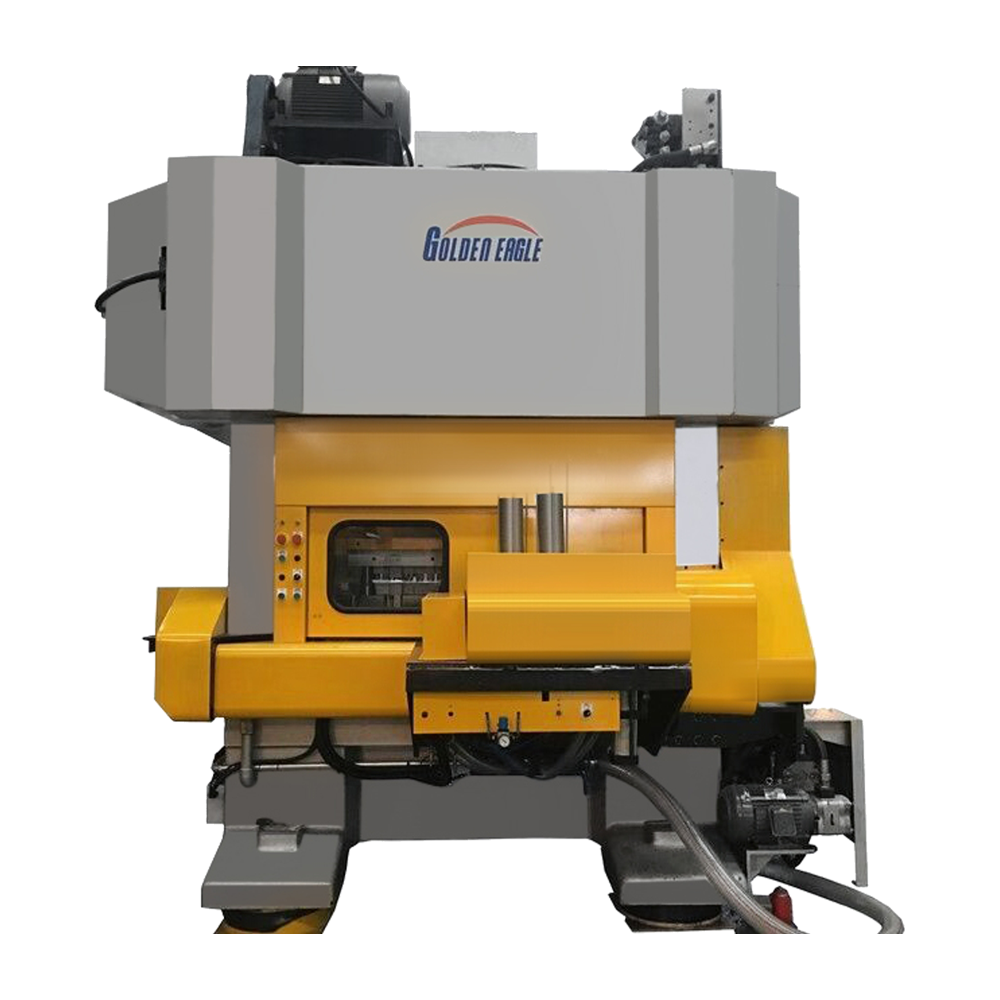
Chemical Can Line both for Aerosol can and Chemical can
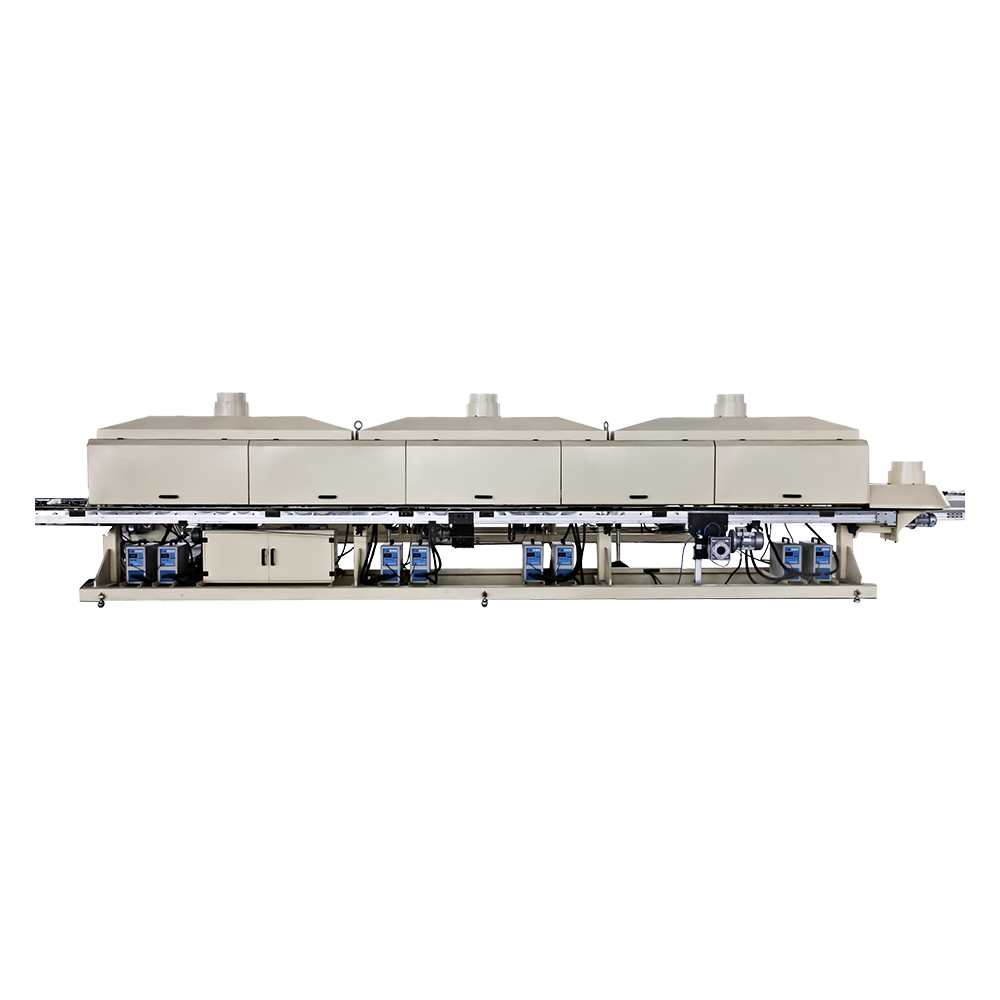
The chemical can line is an automatic system intended for the finishing and closing processes of tinplate containers. Its principal operations include flanging, top seaming, and seaming. These operations may be performed individually or in combination, depending on the machine model and the required container design.
Flanging forms and prepares the edge of a can body so that it can receive a lid or end. Accurate flanging is essential because the flange affects the position, geometry, and sealing performance of the final seam. Inconsistent flanges may lead to poor lid placement, leakage, wrinkling, or unnecessary material stress. For this reason, a stable flanging process is one of the most important elements in a reliable can-making line.
Top seaming joins a can end or lid to the prepared can body. The operation must maintain the correct relationship between the lid, body flange, and sealing compound. A properly adjusted seaming process produces a secure closure while protecting the container from deformation. For chemical and aerosol applications, seam integrity is especially important because the packaged contents may be pressurized, corrosive, volatile, or sensitive to contamination.
Seaming can also be configured as a dedicated operation for applications in which the can body and end have already received the necessary preparation. The dedicated seaming models for larger containers are suitable for manufacturers that need to close wide-diameter chemical cans or industrial containers at a controlled production rate.
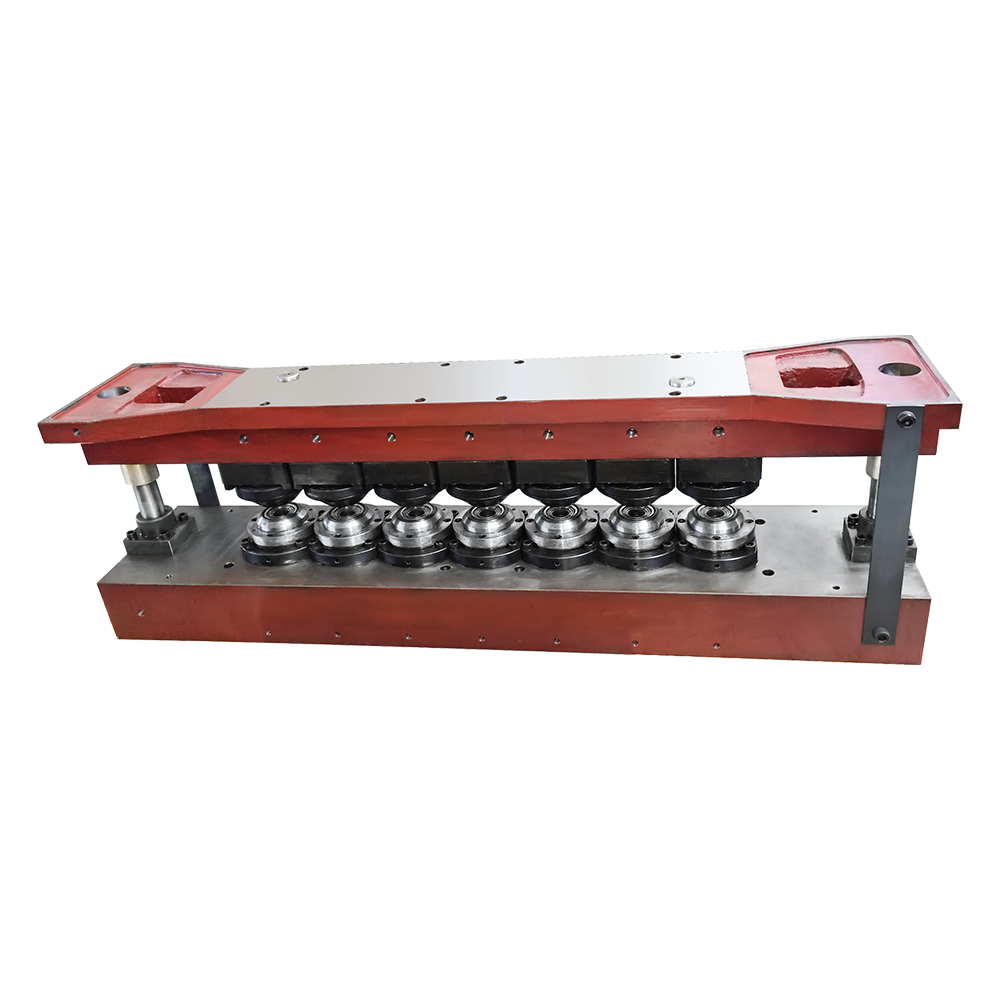
The line is designed around multiple six-head configurations for smaller and medium-diameter cans. Six-head construction supports repetitive, balanced processing and can help maintain stable output during continuous operation. Separate configurations are available for standard top seaming, integrated flanging and seaming, and high-lid applications. For large containers, dedicated equipment is available for diameters in the approximate range of 250 to 275 millimeters.
The broad diameter range is a major characteristic of this product series. The smaller equipment covers containers beginning at approximately 52 millimeters in diameter, while another configuration extends the working range to approximately 190 millimeters. Large-container models cover approximately 250 to 275 millimeters. This arrangement enables a packaging plant to select a suitable machine according to the product family, rather than using a single narrow-purpose machine.
For smaller and medium-sized chemical or aerosol containers, the stated output is approximately 80 to 150 cans per minute. The applicable diameter range is generally between 52 and 190 millimeters, depending on the exact model. For larger containers, the output is approximately 20 to 50 cans per minute, with diameters generally between 250 and 275 millimeters.
The supplied product information also identifies general height ranges of approximately 80 to 320 millimeters for smaller and medium cans and approximately 280 to 400 millimeters for larger containers. Individual machine models may have narrower height ranges, and the final specification should be confirmed according to the exact body dimensions, lid type, material, and production process. This is a normal consideration when selecting specialized can-making equipment because the practical working range depends on tooling and configuration.
| Application group | Approximate can diameter | Approximate can height | Output capacity | Typical operations |
| Small and medium containers | 52–190 mm | 80–320 mm, depending on configuration | 80–150 cans per minute | Flanging, top seaming, and seaming |
| Large chemical containers | 250–275 mm | 280–400 mm in the general line range | 20–50 cans per minute | Flanging and seaming, or dedicated seaming |
| Aerosol-related configurations | Approximately 52–190 mm | Configuration dependent | Up to approximately 80–150 cans per minute | Flanging and top seaming |
The series includes several models, each designed around a specific combination of diameter, height, operation, and production capacity. The range allows users to select equipment based on the manufacturing sequence and the container design.
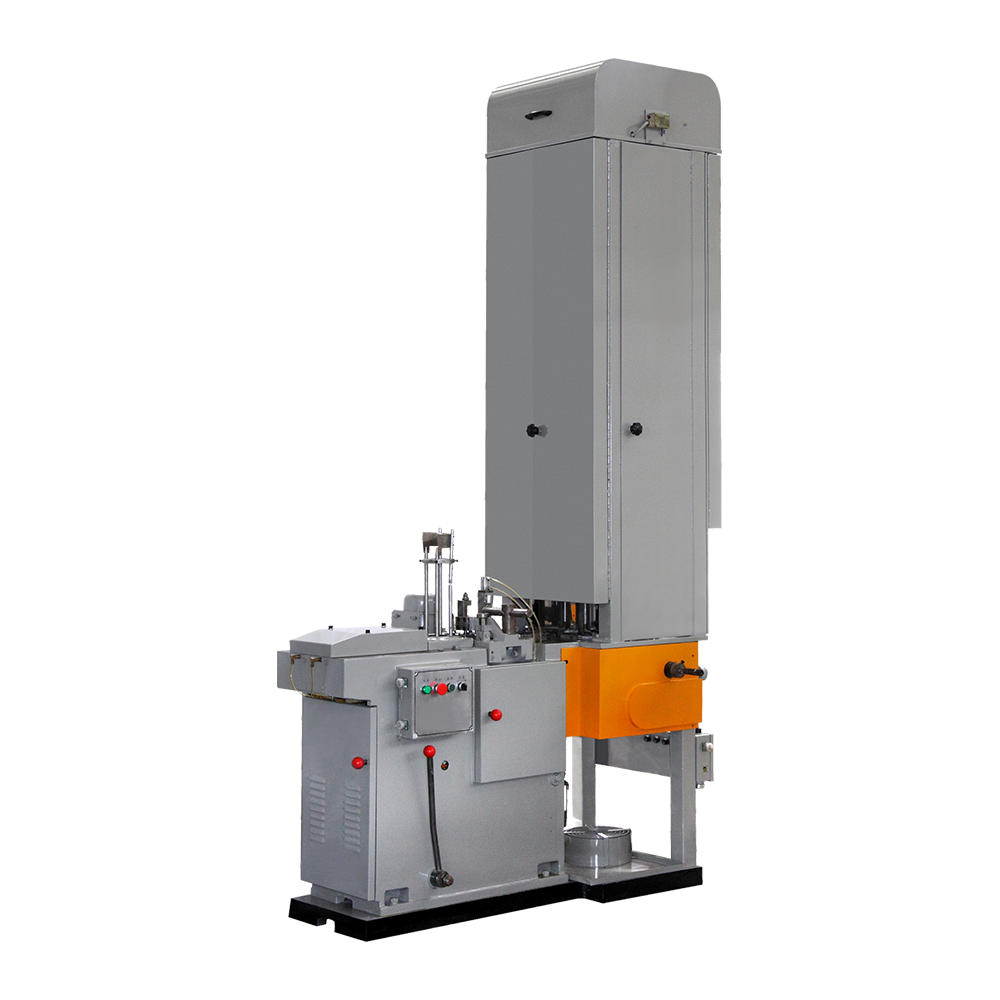
The GT3B51-S-C5 is a six-head machine used for flanging and top seaming. It is designed for cans with diameters from approximately 52 to 99 millimeters and heights from approximately 80 to 220 millimeters. Its stated production capacity is approximately 80 to 150 cans per minute, and its listed power requirement is 4 kilowatts.
This configuration is suitable for plants producing relatively small chemical cans, aerosol-related containers, and other narrow-diameter tinplate packages. By combining flanging and top seaming in one process arrangement, the machine can reduce the need for separate handling between these operations. The six-head structure supports continuous production and helps organize the workflow around repeated, synchronized processing.
The GT3B53-FSS-C1A performs flanging, top seaming, and seaming. It covers diameters from approximately 52 to 105 millimeters and heights from approximately 60 to 160 millimeters. The listed production capacity is approximately 80 to 150 cans per minute, with a power requirement of 7.5 kilowatts.
The integrated sequence makes this model appropriate for production lines that require several finishing operations within a coordinated setup. It can be useful where the container design or plant layout requires the body to move through flanging and multiple seaming stages with consistent timing. Its wider process scope differentiates it from a machine that only performs one operation.
The GT3B53-FSS-C1B is a six-head high-lid configuration. It performs flanging, top seaming, and seaming for cans with diameters from approximately 52 to 105 millimeters and heights from approximately 60 to 160 millimeters. Its listed capacity is approximately 80 to 150 cans per minute, and its power requirement is 7.5 kilowatts.
The high-lid design addresses applications in which the end or lid geometry requires additional clearance or a different operating arrangement. This is important because not all aerosol and chemical cans use identical end profiles. A high-lid configuration gives manufacturers a more appropriate option for specialized closures and helps reduce the need for improvised modifications to a standard machine.
The GT3B53-FSS-C is intended for larger small-to-medium containers with diameters from approximately 99 to 190 millimeters and heights from approximately 60 to 160 millimeters. It performs flanging, top seaming, and seaming, with a listed output of approximately 80 to 150 cans per minute and a power requirement of 7.5 kilowatts.
This model extends the capability of the six-head integrated process to a larger diameter range. It may be selected for chemical products, industrial coatings, specialty aerosol packages, and other containers that are too large for the 52 to 105 millimeter configurations but do not require the large-container machines.
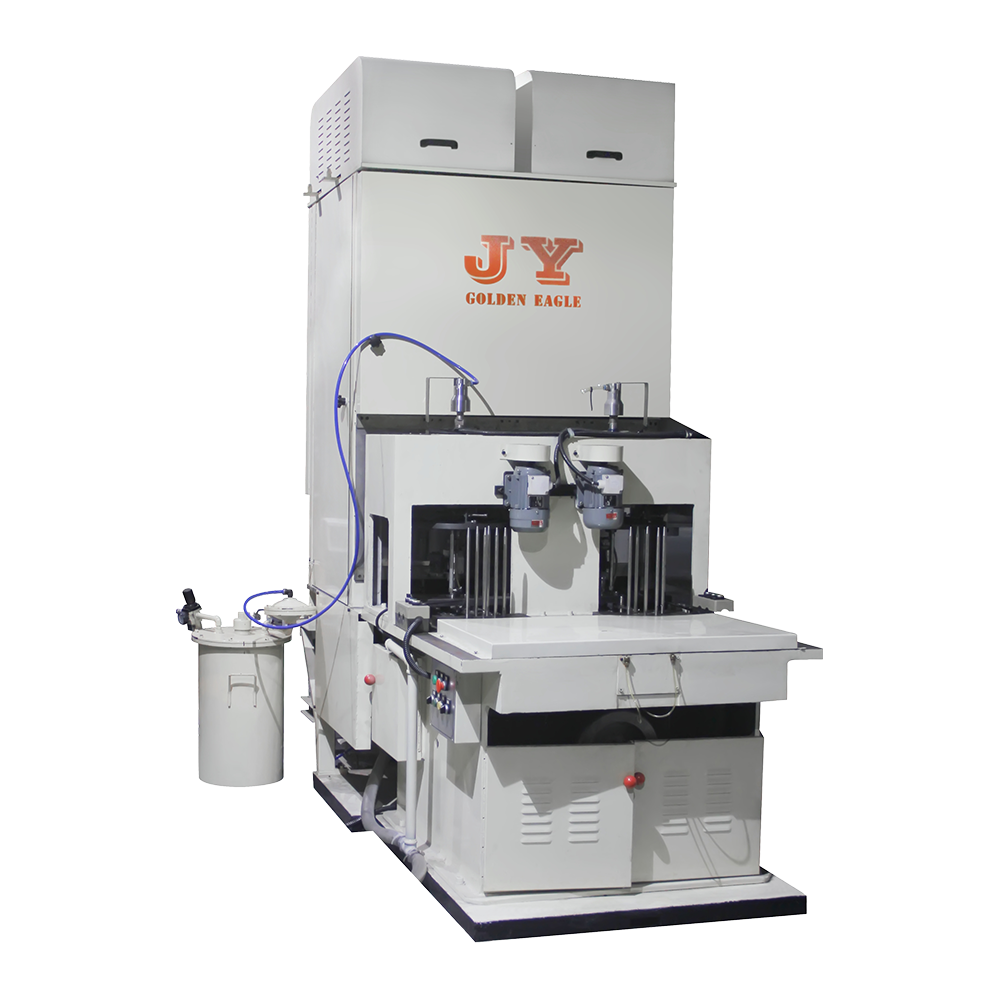
The GT3B51-S-CB is a dedicated seaming machine for containers with diameters from approximately 250 to 270 millimeters. Its stated height range is approximately 60 to 160 millimeters, output is approximately 20 to 50 cans per minute, and listed power is 5.5 kilowatts.
This configuration is intended for manufacturers that require a controlled seaming process for wide-diameter cans. Its lower nominal speed compared with the smaller-can models reflects the greater physical size and handling requirements of large containers. The machine provides a focused solution where the main need is secure, repeatable seaming rather than a combined multi-operation process.
The GT3B52-FS-CB performs flanging and seaming for containers with diameters from approximately 250 to 275 millimeters. Its listed height range is approximately 60 to 160 millimeters, output is approximately 20 to 50 cans per minute, and power is listed at 7.5 kilowatts.
By combining flanging and seaming, this model provides a broader process capability than the dedicated seaming configuration. It is suitable for plants that need to prepare and close large chemical cans in a coordinated machine arrangement. The diameter range up to approximately 275 millimeters makes it particularly relevant to wide industrial and chemical containers.
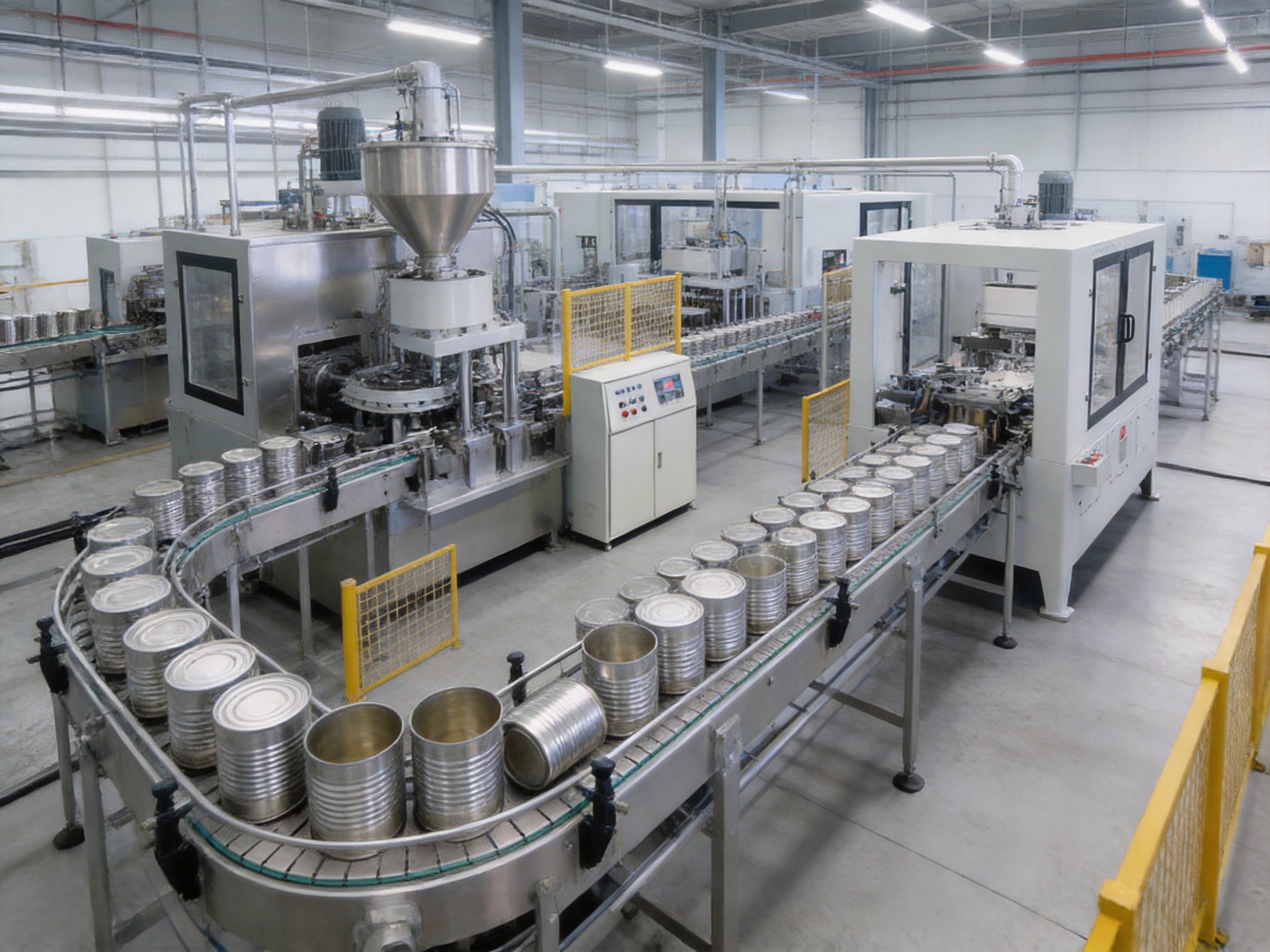
A major advantage of the chemical can line is its range of compatible container diameters. Many production facilities manufacture multiple product families, and the required containers may vary substantially in size. The availability of machines for approximately 52 to 105 millimeter cans, 99 to 190 millimeter cans, and 250 to 275 millimeter cans allows a plant to build a more flexible production strategy.
This flexibility can support contract manufacturers and packaging companies that serve several customers. Instead of purchasing a single machine that is limited to one can format, the manufacturer can select a suitable model for each product group. The result can be a better match between equipment capability and actual customer requirements.
Several models combine flanging, top seaming, and seaming. Combining related operations within a coordinated production line can reduce intermediate handling and simplify the movement of containers between process stages. Fewer manual transfers may also reduce the risk of dropped containers, inconsistent positioning, or unnecessary production interruptions.
Integrated operations are particularly valuable for chemical and aerosol packages because the container must maintain accurate geometry throughout the closing process. A stable sequence helps preserve alignment between the body and end. It also makes it easier for production personnel to establish a repeatable process with defined settings and inspection points.
The line is specified for automatic operation. Automation helps reduce dependence on repetitive manual labor and supports consistent production during extended operating periods. The smaller and medium-sized machines are rated for approximately 80 to 150 cans per minute, which provides a substantial output level for many aerosol and chemical packaging operations.
Actual production performance depends on the can material, dimensions, end design, tooling, operator settings, material feeding, maintenance condition, and quality requirements. Nevertheless, the stated capacity demonstrates that the equipment is designed for industrial production rather than occasional or laboratory use.
The six-head configurations are designed to support repetitive, balanced processing of smaller and medium-sized cans. Multiple heads can distribute the work across the machine and support continuous movement through the operating cycle. This arrangement is useful for manufacturers seeking higher output without relying on a single processing point.
A six-head machine can also help production planners organize the line around predictable operating rhythms. When combined with automatic feeding and suitable conveying equipment, it can form part of a continuous can-making system with fewer manual interventions.
The high-lid model provides an important distinction within the product series. Chemical and aerosol containers may use different lid profiles according to the valve, closure, dispensing system, or product application. A high-lid configuration is designed to accommodate a lid structure that may not be suitable for a standard machine arrangement.
Offering a dedicated high-lid option is an advantage over equipment ranges that only provide a general-purpose configuration. It gives the user a more suitable starting point for specialized containers and reduces the likelihood of compromising the lid design to match the machine.
Large chemical containers require different handling characteristics from small aerosol cans. Their greater diameter and mass can influence feeding, positioning, seaming force, and production speed. The dedicated large-container models address this category with diameters up to approximately 275 millimeters and output of approximately 20 to 50 cans per minute.
The availability of both a dedicated seaming model and a flanging-and-seaming model provides additional process choice. A manufacturer can select a more focused machine when the body is already prepared, or choose the combined model when flange formation is required before seaming.
The listed power requirements range from 4 kilowatts for the GT3B51-S-C5 to 7.5 kilowatts for several integrated configurations. The large-container dedicated seaming model is listed at 5.5 kilowatts, while the large-container flanging-and-seaming model is listed at 7.5 kilowatts.
These specifications provide useful information for factory planning, electrical system design, and operating-cost estimation. Final power consumption may vary according to actual production conditions, but the listed ratings help buyers prepare the basic plant infrastructure before installation.
The performance of a can-making machine depends not only on its operating concept but also on manufacturing accuracy, material quality, assembly discipline, and long-term serviceability. The manufacturer of this product series has more than four decades of experience in can-making machinery and mold production. This background provides a foundation for understanding the practical requirements of tinplate container manufacturing.
The company was established in 1978 and has continuously focused on can-making machinery and can-making molds. More than 46 years of development have enabled it to accumulate experience in equipment design, machining, production-line integration, installation, and customer support.
The company reports that it has produced more than 10,000 pieces of can and can-lid equipment. This production history indicates experience across a wide variety of equipment types and customer applications. The company supplies machinery for food cans, beverage cans, can lids, chemical tanks, aerosol canisters, two-piece cans, and other tinplate packaging categories.
Experience across multiple container sectors can be valuable because design knowledge is often transferable. For example, precision in lid handling, forming, flange preparation, and seaming is relevant to both food and chemical packaging, even though the final can specifications may differ.
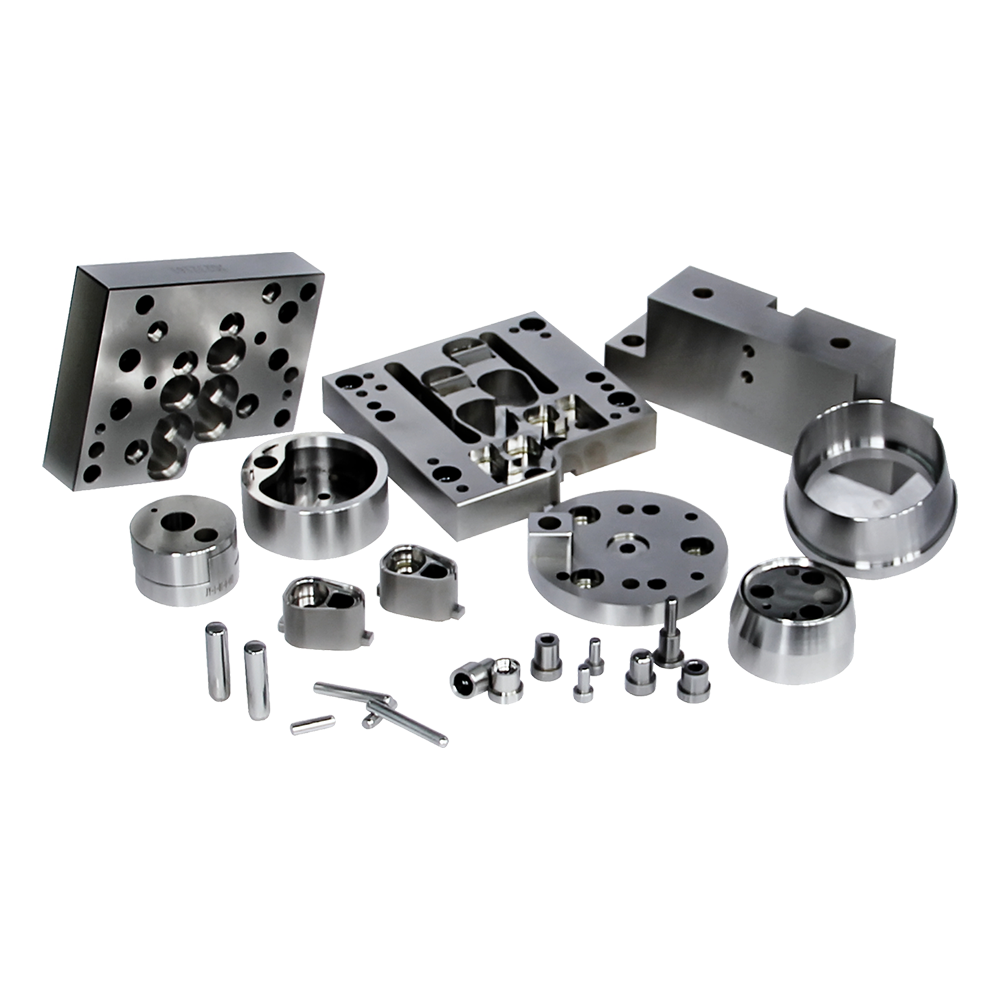
The manufacturer states that it uses CNC high-precision machining equipment together with complete mechanical processing equipment. CNC machining can improve dimensional repeatability for components that require accurate geometry and controlled tolerances. In can-making equipment, such accuracy is important for tooling, guide components, forming parts, drive elements, and alignment surfaces.
Precise machining supports stable operation by reducing variation between components and improving the fit of assembled parts. It can also assist maintenance because replacement parts are more likely to match the original design when production is controlled through standardized machining processes.
The company's product design principles are described as similar to those associated with established European can-making equipment manufacturers. This does not mean that every machine is identical to another manufacturer's equipment. Rather, it indicates that the design approach has been informed by mature mechanical concepts used in the international can-making industry.
The company also states that it combines practical production experience with continuous improvement. This is significant because can-making equipment must operate under real factory conditions, where material variation, production changes, operator requirements, maintenance intervals, and customer-specific formats all affect performance.
The company reports certification to the ISO 9001 quality management system and ISO 14001 environmental management system. ISO 9001 is associated with systematic quality management, documented processes, customer requirements, and continual improvement. ISO 14001 addresses environmental management and provides a framework for managing environmental responsibilities.
For international buyers, management-system certification can provide additional confidence that manufacturing activities are organized according to documented procedures. It does not replace a detailed technical inspection or acceptance test, but it supports a more structured approach to production and quality control.
The company reports a workforce of more than 350 trained personnel, including experienced design and development engineers. A substantial engineering and production team can support product customization, technical communication, assembly, commissioning, and after-sales service.
Can-making lines are rarely purchased as isolated pieces of equipment. Buyers often require assistance with layout, product samples, tooling, line matching, operator training, and commissioning. The availability of engineering personnel is therefore an important part of the overall supplier capability.
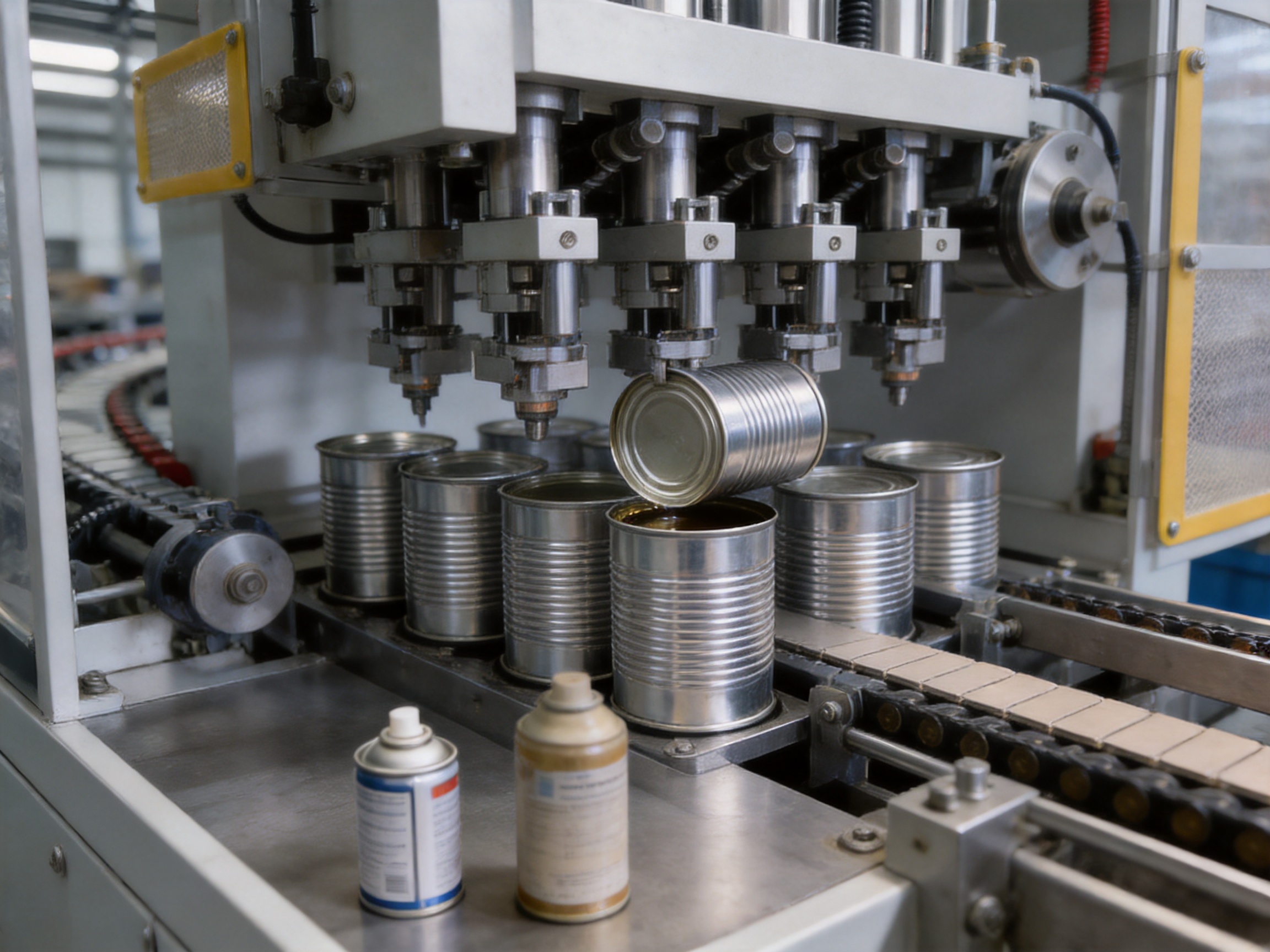
When evaluating can-making machinery, buyers often compare a flexible equipment series with single-purpose machines from other suppliers. A narrow-purpose machine may provide excellent performance for one fixed can format, but it may be less suitable when the product range changes or when a factory serves several packaging markets.
The chemical can line has several advantages in this comparison. First, it offers multiple diameter ranges. Second, it provides different operation combinations. Third, it includes both smaller high-speed configurations and larger lower-speed configurations. Fourth, it provides a high-lid option for special container designs.
| Evaluation factor | Chemical can line approach | Potential limitation of a narrow-purpose alternative |
| Container diameter | Models cover approximately 52–190 mm and 250–275 mm | May be limited to one diameter family |
| Operations | Options include flanging, top seaming, and seaming | May require separate machines for each operation |
| Product design | Standard and high-lid configurations are available | Special lid designs may require modification or custom equipment |
| Production speed | Approximately 80–150 cans per minute for smaller cans | Capacity may not match high-volume aerosol production |
| Large-container capability | Dedicated equipment covers approximately 250–275 mm diameter | Large cans may fall outside the working range |
| Supplier scope | Machinery, molds, installation, commissioning, and training support | Some suppliers may provide only the machine body |
Another important comparison factor is line integration. A supplier with experience in complete can-making systems may be better positioned to coordinate feeding, body processing, lid production, seaming, conveying, inspection, and packaging. This can reduce the risk of purchasing machines that work individually but do not operate smoothly as a complete line.
Cost should also be evaluated over the full equipment life cycle. A low initial price may not provide the best value if the machine has limited format flexibility, difficult access to replacement parts, or inadequate commissioning support. A more capable line may offer better long-term value by supporting product expansion and reducing dependence on manual operations.
A chemical or aerosol can production line normally includes several stages before and after the operations listed for the finishing machines. The exact arrangement depends on whether the plant produces three-piece cans, two-piece cans, aerosol bodies, chemical containers, or a combination of products.
Tinplate sheets or preformed can bodies must be prepared according to the required container dimensions. Material thickness, coating, printing, welding, and body geometry should be compatible with the selected equipment. The body must reach the finishing section with the correct diameter, height, roundness, and edge condition.
Automatic feeding equipment can transfer can bodies or partially processed containers into the flanging and seaming machines. Stable feeding is essential for maintaining production speed. Poor feeding alignment can cause jams, scratches, uneven lid placement, or damage to the container edge.
The broader product range includes automatic feeding machines, allowing users to coordinate feeding equipment with the main can-making line. A well-designed feeding system should match the speed, format, and orientation requirements of the selected machine.
During flanging, the edge of the can body is formed into the profile required for subsequent closure. The operation must be consistent around the entire circumference. The flange must be neither excessively wide nor insufficiently formed, since both conditions can affect the final seam.
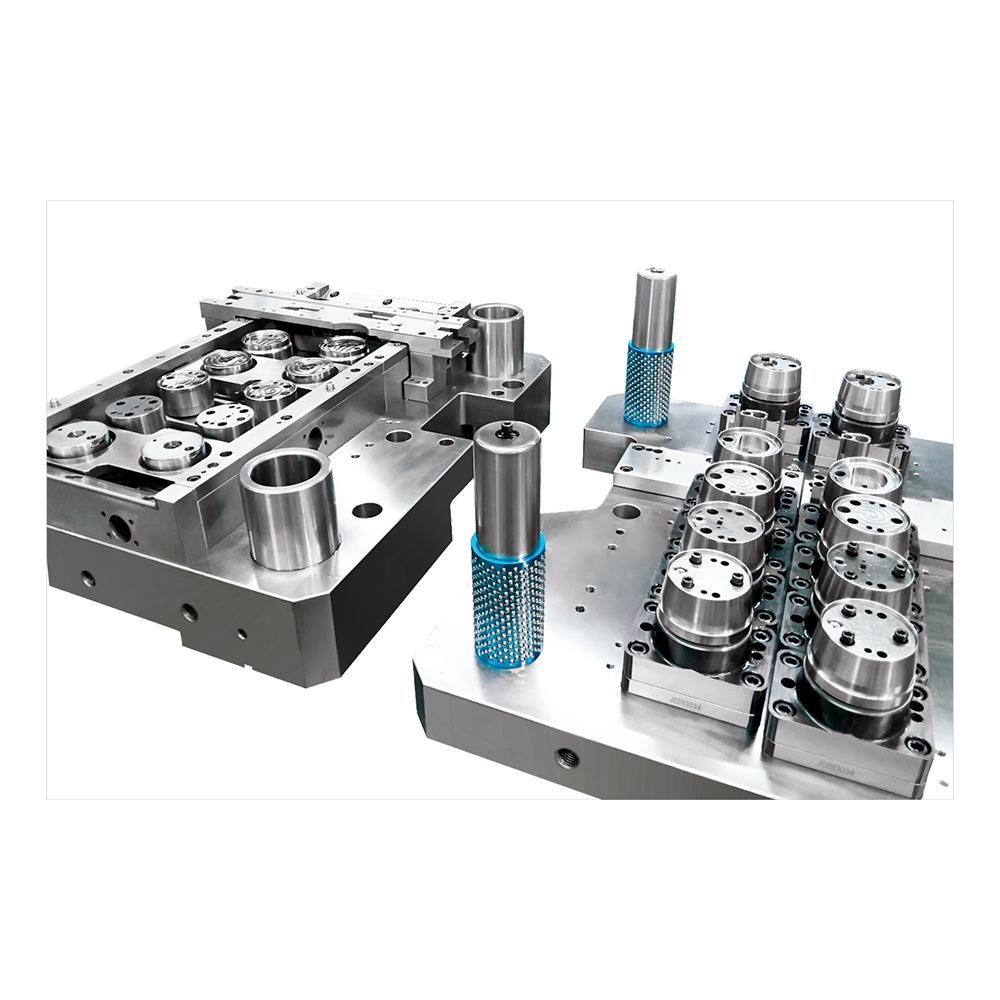
Flanging tools must be selected and adjusted for the can diameter, material characteristics, body height, and end design. Correct maintenance of forming components is also important because wear can gradually alter the flange profile and create quality variation.
After the body is prepared, the lid or end is positioned for top seaming. The end may include a special profile, raised section, or high-lid design. The machine must maintain accurate positioning while applying the necessary forming action to create a secure closure.
For aerosol and chemical cans, seam quality should be evaluated through appropriate inspections. Depending on the product and applicable standards, inspection may include visual checks, dimensional measurement, seam section analysis, leakage tests, and pressure-related testing where relevant.
The seaming operation completes the mechanical connection between the can body and end. After processing, the finished cans are discharged for inspection, cleaning, labeling, filling, or further packaging. The downstream system should be designed to avoid impact or deformation of the newly formed seam.
Production-line layout should provide sufficient space for operators, inspection points, tooling access, safety guarding, and maintenance. A line that is easy to access is generally easier to maintain and more efficient over the long term.
Quality control begins before the container enters the machine. Tinplate quality, body welding, end dimensions, coating condition, sealing compound, and material thickness all influence the final result. The equipment can only produce a reliable seam when the incoming components meet the necessary specifications.
Operators should confirm that the can body diameter and height match the selected machine range. The end type should also be checked, especially when using high-lid or specialized aerosol components. Any change in material, coating, lid design, or body dimensions may require tooling adjustment and process validation.
During production, important inspection points may include flange width, lid positioning, seam appearance, seam tightness, body roundness, and container cleanliness. Periodic checks help identify gradual changes caused by tool wear, incorrect adjustment, material variation, or feeding problems.
For chemical containers, leakage prevention is a central quality objective. Depending on the application, the manufacturer may need to comply with requirements concerning hazardous materials, pressure resistance, chemical compatibility, transport safety, and packaging performance. The equipment supplier can provide the mechanical production solution, while the container producer remains responsible for validating the final package according to the relevant regulations and product requirements.
Successful installation requires more than placing the machine on the factory floor. The plant must provide suitable electrical power, compressed air if required, floor space, access for maintenance, material flow, safety protection, and downstream handling. The machine layout should also allow operators to monitor production and respond quickly to interruptions.
The manufacturer provides after-sales services including installation, commissioning, technical guidance, and operation training. These services can help the customer establish the correct operating sequence, understand adjustment points, and train personnel in routine maintenance.
Commissioning normally involves checking machine alignment, installing the appropriate tooling, connecting utilities, running empty cycles, introducing test containers, and adjusting the process. Sample cans should be inspected before full production begins. The objective is to confirm that the selected machine can achieve the required diameter, height, seam condition, and output under actual production conditions.
Operator training is especially important for a line that serves several formats. Personnel should understand how to change tooling, adjust guides, set feeding positions, identify abnormal noise or vibration, and respond to seam-quality changes. Preventive maintenance training can also reduce unplanned downtime.
The company states that it supplies parts with a focus on speed. Access to suitable replacement parts is important because wear components in forming and seaming machinery eventually require replacement. A parts-support system can help customers restore production more quickly and maintain consistent machine performance.
Aerosol cans require carefully controlled body and end dimensions because the finished package may be pressurized. The smaller and medium-sized six-head configurations are suitable for applications involving aerosol-related container sizes within their specified ranges. The high-lid configuration may be appropriate where the aerosol end profile requires additional clearance or a specialized shape.
Applications may include household sprays, industrial aerosols, automotive products, maintenance products, coatings, and other packaged formulations. The final suitability of the can and seam must always be verified against the pressure, chemical compatibility, and regulatory requirements of the specific product.
Chemical cans are used for coatings, solvents, adhesives, additives, industrial compounds, agricultural products, and other materials. These packages may require larger diameters, stronger closures, and different filling or handling arrangements. The line's larger-container configurations extend the available solution to wide chemical cans in the approximate 250 to 275 millimeter diameter range.
Beyond conventional aerosol and chemical packaging, the equipment can support specialty tinplate containers where the body and end require accurate flanging and seaming. The appropriate machine depends on the container's diameter, height, end profile, production speed, and process sequence.
The variety of machine models also makes the series useful for manufacturers that produce several types of industrial packaging. A plant may use one configuration for small cans, another for medium containers, and a large-container model for wide packages.
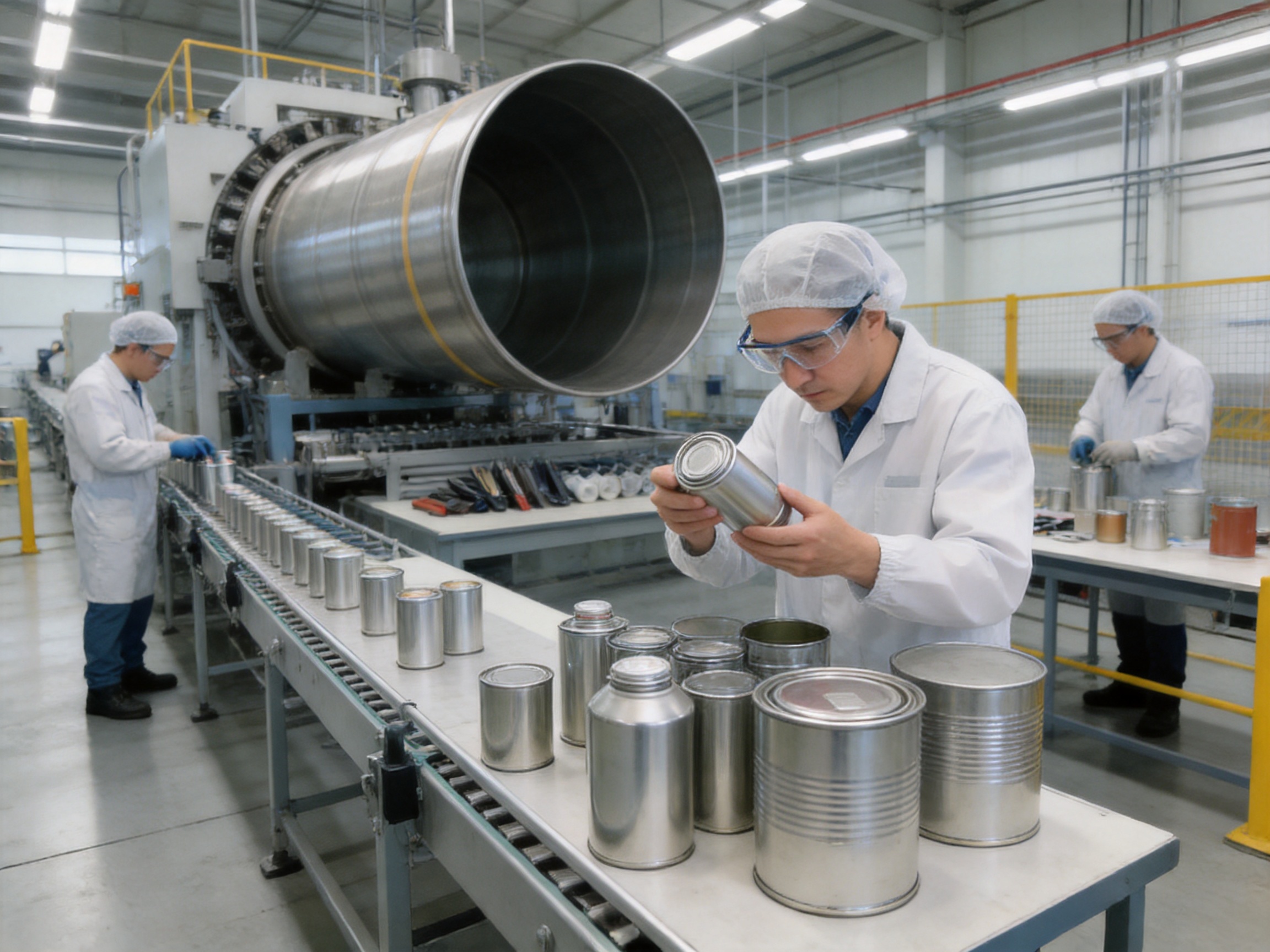
The first step is to define the complete can specification. Buyers should provide the can diameter, body height, material type, material thickness, end or lid design, flange dimensions, seam requirements, and expected output. If several formats will be produced, each format should be listed separately.
The second step is to determine which operations are required. If the can body needs both flange formation and closure, a flanging-and-seaming model may be preferable. If the body is already prepared, a dedicated seaming machine may provide a more direct solution. If the product uses a high-lid end, the high-lid configuration should be considered from the beginning.
The third step is to evaluate production volume. Smaller machines are listed at approximately 80 to 150 cans per minute, while large-container machines are listed at approximately 20 to 50 cans per minute. The required capacity should be compared with filling speed, material supply, labor availability, and downstream packaging capacity.
The fourth step is to consider future product expansion. A manufacturer planning to add new chemical or aerosol formats should consider whether the selected machine range can accommodate those products. Investing in compatible equipment from the same product series may simplify future line expansion and operator training.
The fifth step is to confirm factory conditions. Electrical capacity, compressed-air requirements, floor strength, ventilation, safety systems, access routes, and environmental conditions should be reviewed before purchase. Buyers should also confirm the machine's actual working range for the intended materials and tooling.
The value of a chemical can line should be evaluated through productivity, format flexibility, product quality, labor requirements, maintenance, and service support. A machine with a higher nominal capacity may not create value if the rest of the line cannot supply or discharge containers at the same rate. The best result comes from balancing every stage of the production system.
Automatic operation can reduce repetitive manual work and help stabilize output. Integrated operations can reduce transfers between machines. Multiple format options can allow a manufacturer to serve more customers. Reliable seaming can reduce rejected cans and protect the reputation of the finished product.
Equipment durability is also important. Can-making machinery operates through repeated mechanical cycles, and forming or seaming components are exposed to continuous loads. CNC machining, structured assembly, preventive maintenance, and timely replacement of wear parts can all contribute to longer service life.
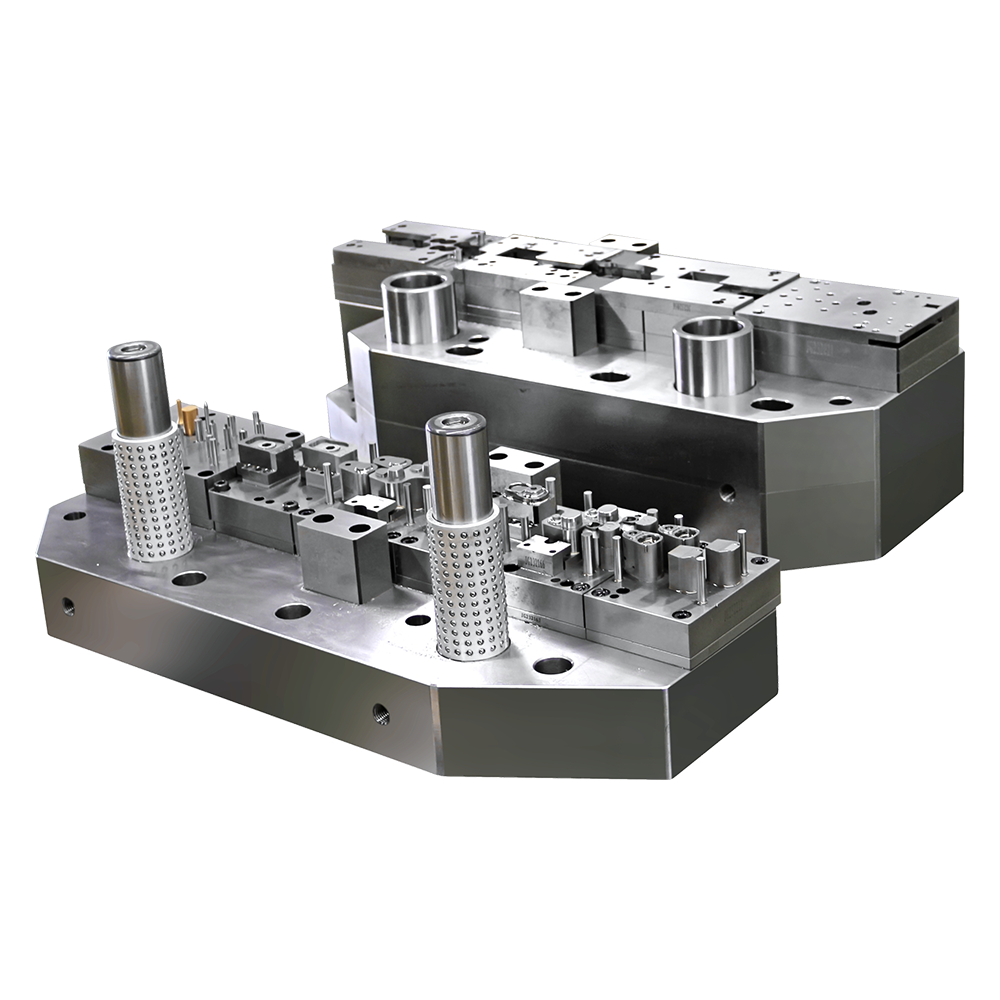
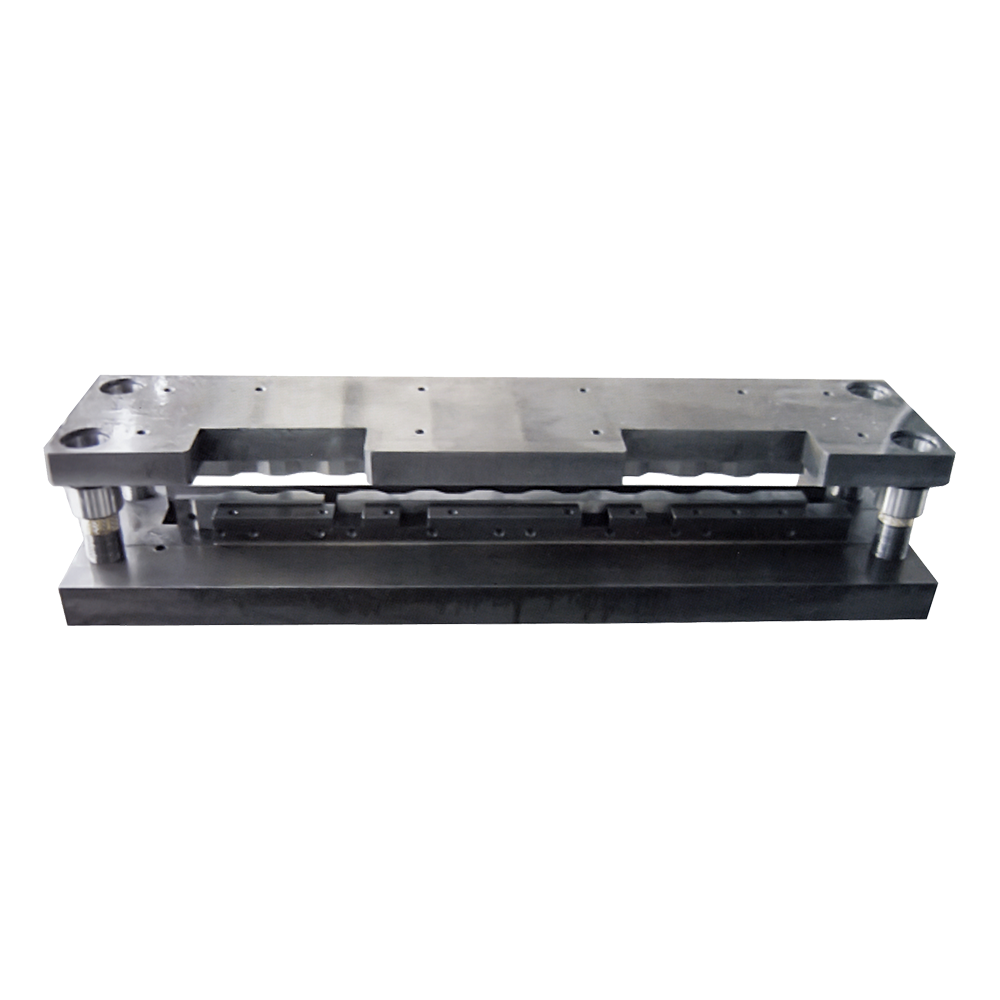
The manufacturer’s experience in both can-making machinery and molds is another operational advantage. Tooling has a direct effect on the quality of the flange and seam. A supplier familiar with the complete container process may be better able to coordinate machine design and tooling requirements.
Manufacturers of aerosol and chemical containers must consider both machine safety and package safety. The machine should be operated with suitable guards, emergency stops, access controls, and documented procedures. Operators should receive training before working near moving heads, forming tools, conveyors, and seaming mechanisms.
The finished can may be subject to requirements related to pressure, leakage, transport, chemical compatibility, labeling, and environmental conditions. The production line should therefore be integrated with the customer’s quality-management and compliance program.
For hazardous products, the plant may also need suitable ventilation, fire protection, static-control measures, spill management, and separation of incompatible materials. These requirements depend on the product and local regulations. The can-making machine forms one part of a larger safe-production system.
The line is designed for tinplate chemical cans, aerosol-related containers, industrial cans, and other packages requiring flanging, top seaming, or seaming. Final suitability depends on the container dimensions, material, lid design, and application requirements.
The smallest stated diameter is approximately 52 millimeters. Several six-head configurations cover cans beginning at this diameter.
The largest stated diameter is approximately 275 millimeters. The large-container flanging-and-seaming model covers up to approximately 275 millimeters, while the dedicated seaming model covers up to approximately 270 millimeters.
Small and medium-sized configurations are listed at approximately 80 to 150 cans per minute. Large-container configurations are listed at approximately 20 to 50 cans per minute. Actual output depends on the can format, material, tooling, process settings, and production conditions.
Yes. The product information identifies the operation as automatic. Automatic feeding and suitable conveying equipment may be added or coordinated according to the complete line design.
The GT3B53-FSS-C1B is identified as a six-head high-lid configuration. It performs flanging, top seaming, and seaming for cans in the approximate 52 to 105 millimeter diameter range.
The GT3B51-S-CB is designed for dedicated seaming of approximately 250 to 270 millimeter containers. The GT3B52-FS-CB performs flanging and seaming for approximately 250 to 275 millimeter containers.
Yes. The GT3B53-FSS-C1A, GT3B53-FSS-C1B, GT3B53-FSS-C, and GT3B52-FS-CB configurations include flanging and seaming functions. Some models also include top seaming.
Buyers should provide the can diameter, height, material, material thickness, body design, lid or end profile, expected output, required operations, product characteristics, and preferred automation level. Drawings or physical samples are also useful for confirming tooling and machine configuration.
The company states that it provides installation, commissioning, technical guidance, and operation training. It also provides replacement-parts support and assistance for the operation of its equipment.
The seam forms the primary mechanical closure between the can body and end. A poor seam may cause leakage, contamination, loss of pressure, or product damage. Chemical and aerosol applications can have additional safety and compatibility requirements, so seam quality must be verified through appropriate inspection and testing.
The product series includes several models for different diameter ranges. Format flexibility depends on the selected model, tooling, and changeover requirements. Buyers should confirm the complete list of intended can formats before finalizing the equipment.
The chemical can line for aerosol and chemical containers is a flexible automatic solution for manufacturers that require reliable flanging, top seaming, and seaming across several container sizes. Its product range covers small cans beginning at approximately 52 millimeters, medium containers up to approximately 190 millimeters, and large chemical cans up to approximately 275 millimeters. Output ranges from approximately 20 to 50 cans per minute for large containers to approximately 80 to 150 cans per minute for smaller and medium-sized configurations.
The principal advantages are the availability of multiple diameter ranges, integrated operation options, six-head processing for smaller containers, a dedicated high-lid configuration, and specialized equipment for large chemical cans. These features provide more flexibility than a single narrow-purpose machine and allow manufacturers to select equipment according to actual container requirements.
The supplier’s strengths include more than 46 years of industry experience, a reported production history of more than 10,000 can and can-lid machines, CNC high-precision machining capability, experienced engineering personnel, ISO 9001 and ISO 14001 management-system certifications, and international after-sales support. The company’s ability to supply related machinery, molds, feeding systems, and complete production lines can further simplify project planning.
For the best result, equipment selection should be based on complete technical information, including can diameter, height, material, lid type, seam requirements, output, and future product plans. With appropriate configuration, installation, tooling, maintenance, and quality control, this chemical can line can serve as a productive foundation for aerosol packaging, chemical cans, and a wide range of industrial tinplate containers.
1. Product specification information for the chemical can line, including model numbers, operating functions, dimensional ranges, output capacities, and power ratings.
2. Company information concerning the history, engineering team, manufacturing facilities, management-system certifications, export experience, and after-sales services of the equipment manufacturer.
3. General principles of tinplate can manufacturing, including body preparation, flanging, end positioning, seaming, inspection, and preventive maintenance.
4. General quality-management principles associated with ISO 9001 systems.
5. General environmental-management principles associated with ISO 14001 systems.
6. General packaging engineering practices for aerosol containers, chemical cans, industrial tinplate packages, and mechanically seamed closures.
Related Products

Founded in 1978, the company is one of the largest can-making machinery well-known companies at home and abroad.
Product Categories
Contact Information
Zhongshatou Shenjiamen Zhoushan Zhejiang China
+86-580-3056646

 English
 中文简体
 русский
 عربى
 Español