2026-10-07
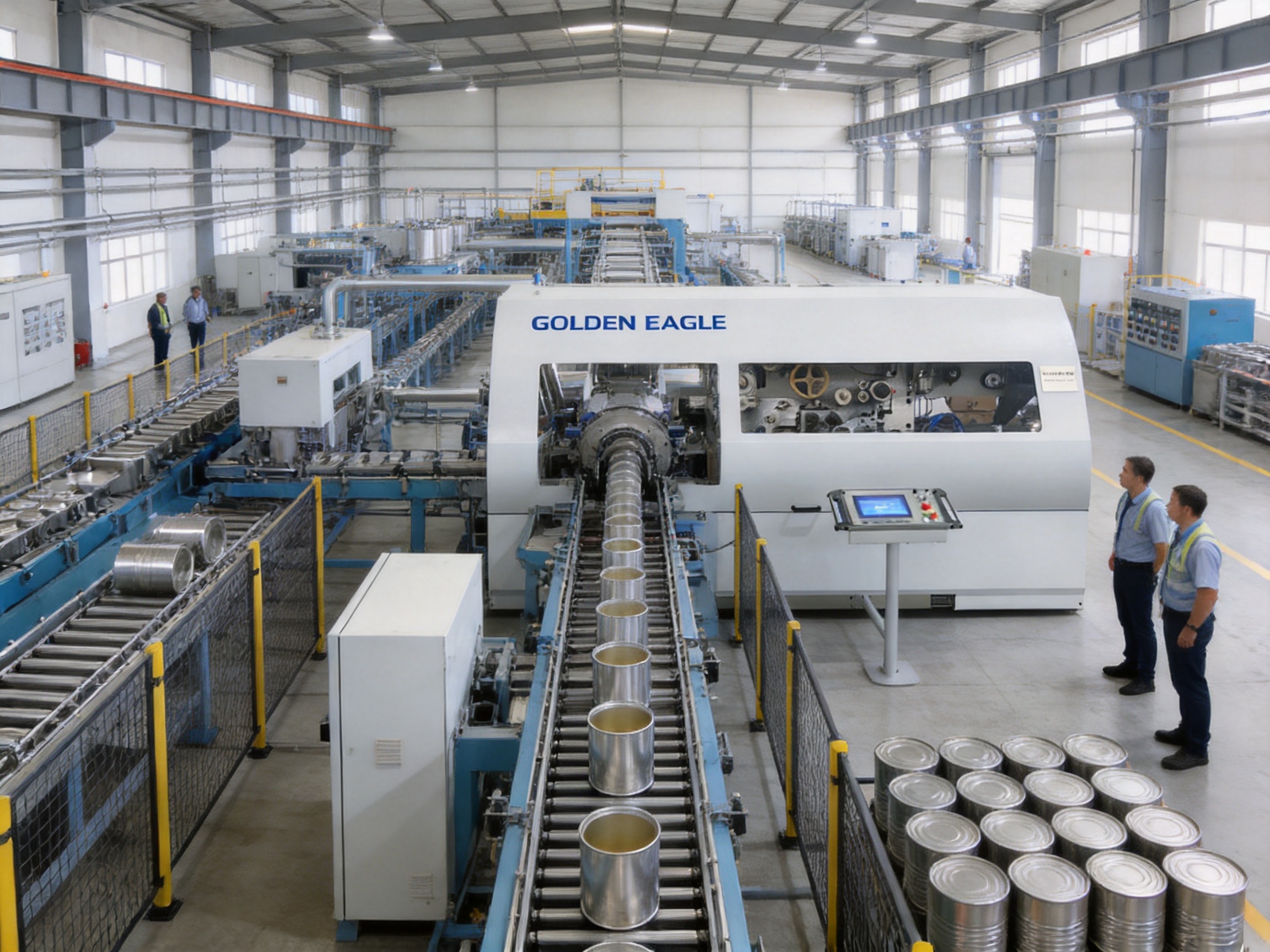
In modern tinplate can manufacturing, the body-welding stage has a direct influence on line speed, seam quality, production stability, energy consumption, and final package reliability. A can body welder must join accurately formed metal sheets at high speed while maintaining consistent overlap, electrical contact, copper wire performance, and mechanical alignment. Any instability at this stage can create leakage, weak seams, surface defects, production stoppages, and unnecessary material waste.
The GT10C-500 automatic can body welder is designed for high-speed seam welding of tinplate can bodies. With a rated output of up to 500 cans per minute and a welding speed of 25 to 70 meters per minute, it is intended for demanding production environments that require continuous operation, repeatable quality, and compatibility with automated can-making lines. The equipment is suitable for manufacturers producing food cans, beverage-related cans, general-purpose tin containers, and other welded cylindrical metal packages within its specified dimensional range.
This article examines the machine’s working role, technical specifications, production advantages, manufacturing strengths, application value, maintenance requirements, and comparison with slower or less integrated welding solutions. It also explains how the experience and manufacturing infrastructure of Zhejiang Golden Eagle Food Machinery Co., Ltd. support the development of can-making equipment and molds for international customers.
A three-piece tinplate can normally consists of a prepared can body, a top end, and a bottom end. The can body begins as a flat rectangular sheet that is cut, shaped, and rolled into a cylindrical form. The two longitudinal edges must then be joined to create a continuous side seam. This joining operation is one of the most important steps in the complete can-making process.
In older or semi-automatic production environments, the welding operation may depend heavily on manual loading, intermittent feeding, mechanical adjustments, and frequent operator intervention. Such arrangements can be appropriate for low-volume production, but they become limiting when the manufacturer needs high output and stable quality. Manual handling can also introduce variations in overlap, positioning, feed timing, and seam pressure.
An automatic can body welder addresses these issues by coordinating the entry of the formed body, the alignment of the overlapping edges, the welding current, the welding wire, the transport system, and the exit of the finished body. When properly integrated with upstream body-forming equipment and downstream flanging or end-seaming machines, it becomes an essential part of a continuous can-making production line.
The GT10C-500 is configured for this high-speed production environment. Its automatic operating mode reduces the need for constant manual placement of individual bodies. The machine is designed to sustain a production rate of 500 cans per minute under suitable material, dimensional, and operating conditions. This output level makes it appropriate for factories that need to improve productivity without simply adding multiple low-speed welding machines.
The GT10C-500 is an automatic tin can body seam welder. It uses resistance welding principles to join the overlapping edges of a formed tinplate body. The operation is commonly described as copper-wire seam welding because copper wire is used as part of the welding process and plays an important role in current transfer and electrode performance.
The product listing identifies the machine as a 500 cans-per-minute automatic can body welder. It is specified for can diameters from 52 to 153 millimeters and can heights from 70 to 320 millimeters. The broader series information lists a diameter range of 52 to 180 millimeters for the GT10C-500 model. In practical purchasing discussions, the final usable range should be confirmed according to the customer’s tooling, material, can design, and machine configuration.
The machine is intended to process sheet thicknesses from 0.16 to 0.30 millimeters. This range covers many common tinplate can applications, although the exact material grade, coating, temper, surface condition, and weldability should be reviewed before final technical approval. The specified total power is 50 kilowatts, and the listed machine weight is approximately 5,000 kilograms.
| Item | GT10C-500 Specification |
| Machine type | Automatic can body seam welder |
| Rated output | 500 cans per minute |
| Welding speed | 25 to 70 meters per minute |
| Application | Longitudinal seam welding of formed can bodies |
| Can diameter in product listing | 52 to 153 millimeters |
| Can diameter in series data | 52 to 180 millimeters |
| Can height | 70 to 320 millimeters |
| Lap | 0.3 to 0.4 millimeters |
| Copper wire diameter | 1.38 to 1.5 millimeters |
| Sheet thickness | 0.16 to 0.30 millimeters |
| Total power | 50 kilowatts |
| Approximate machine weight | 5,000 kilograms |
| Approximate dimensions | 4,650 x 2,300 x 2,500 millimeters |
| Operating mode | Automatic |
The combination of high output, broad can-height capability, and automatic operation gives the GT10C-500 a useful position between low-speed general-purpose welders and highly specialized machines designed for only one narrow can format.
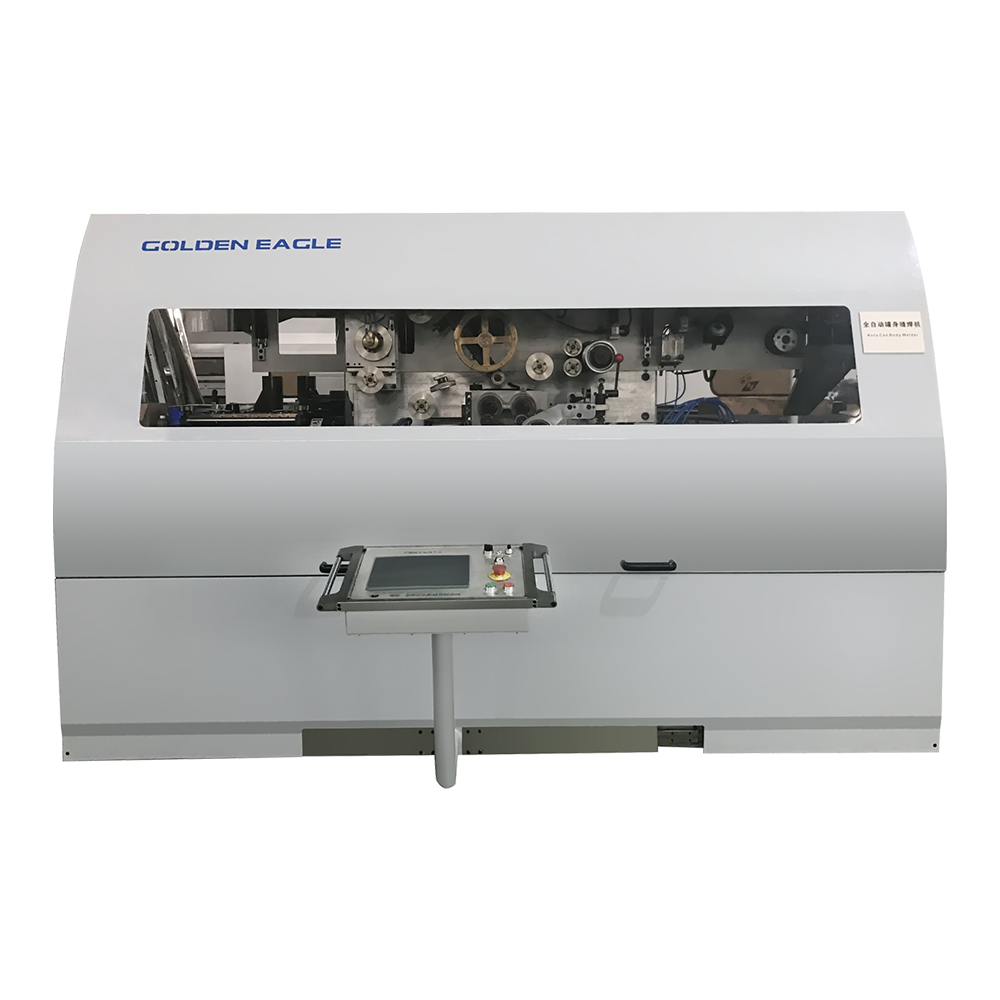
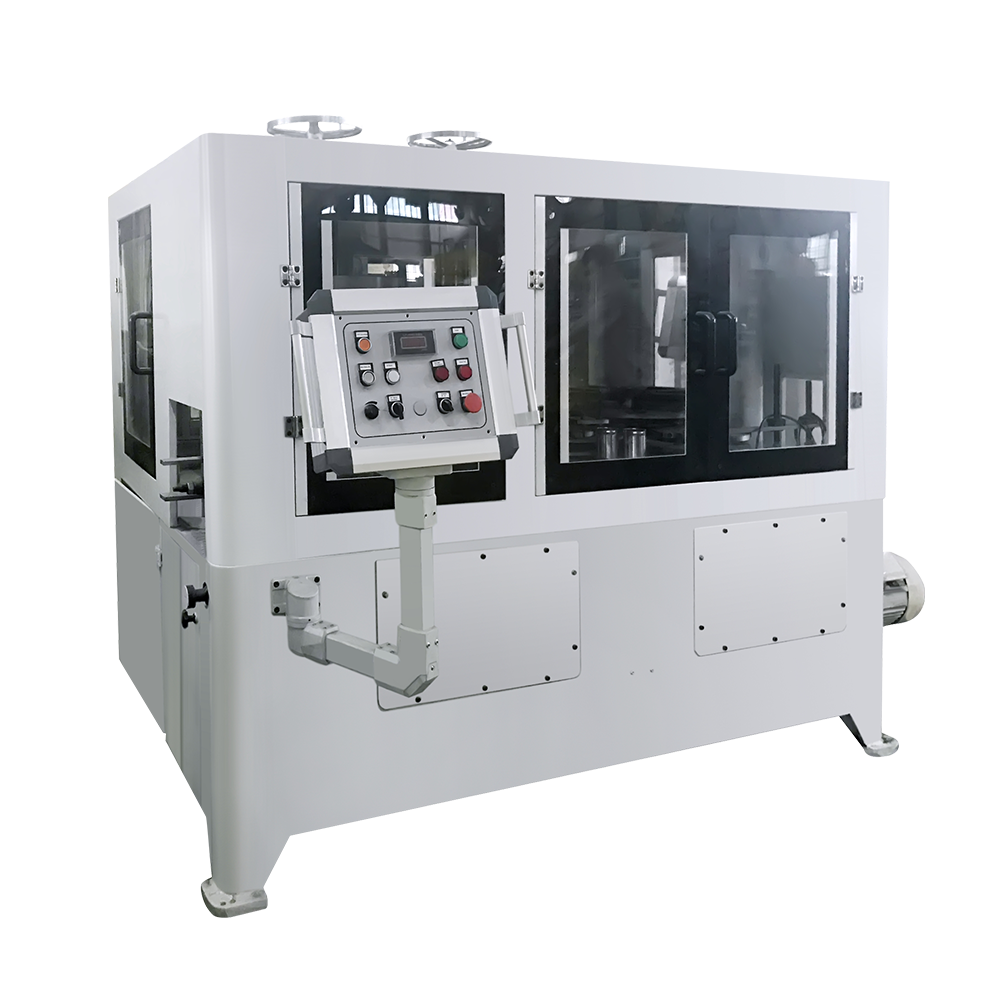
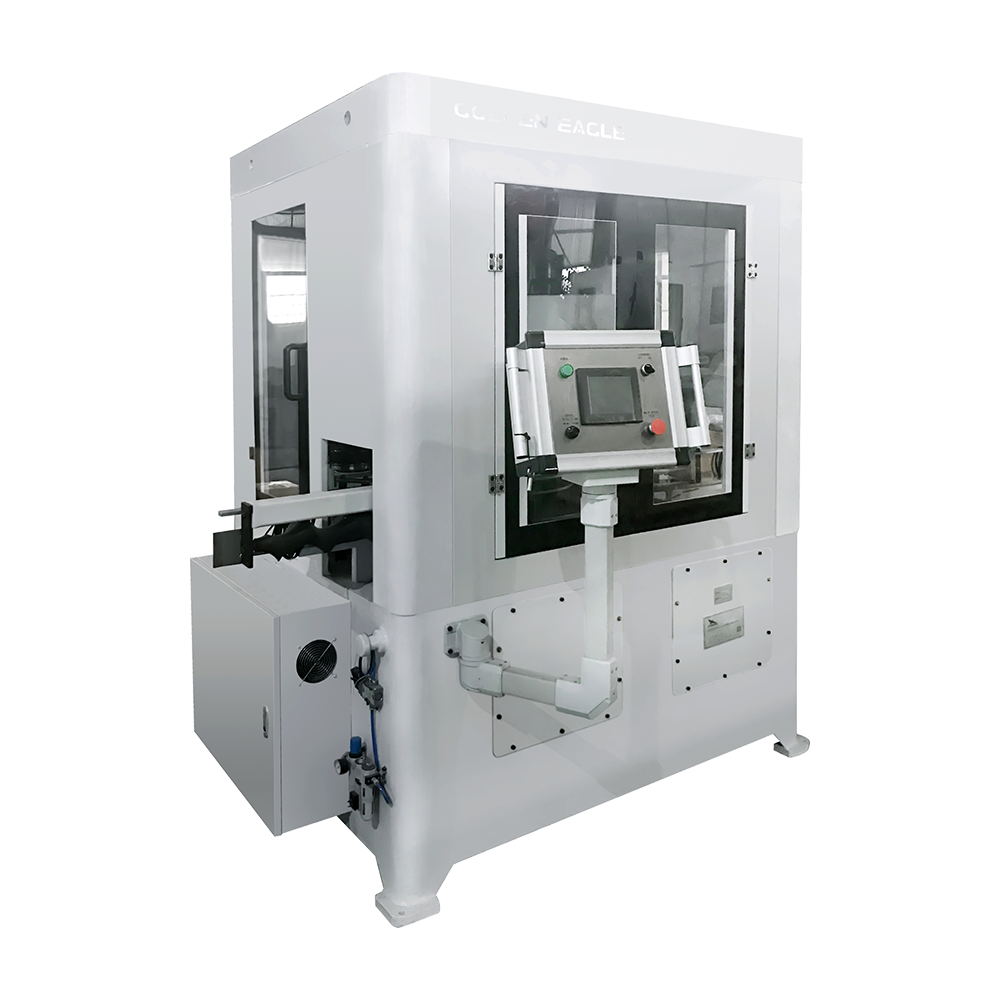
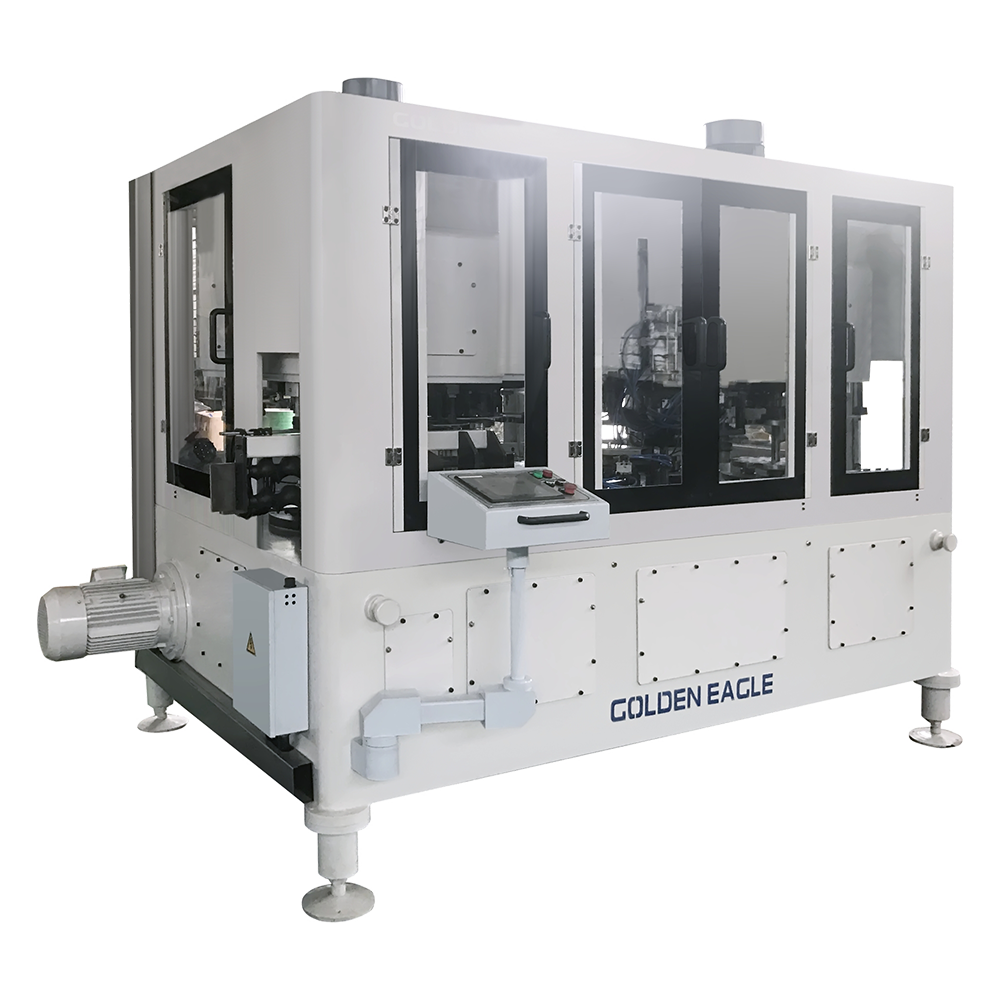
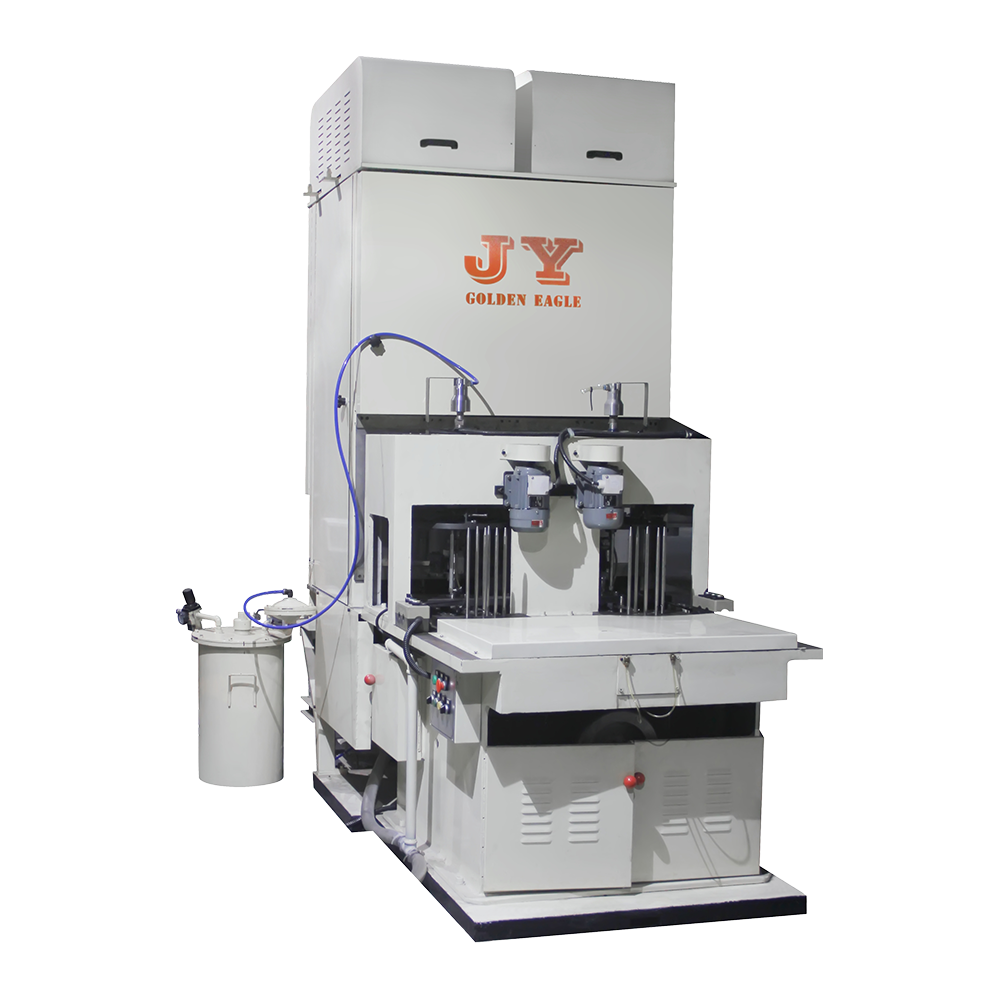
500cpm GT10C-500 Automatic can body welder Machine
The most prominent advantage of the GT10C-500 is its production capacity. A rated output of 500 cans per minute allows a single machine to support a substantial volume of can-body production. Depending on the factory schedule, product mix, line efficiency, changeover time, and operating shifts, this capacity can reduce the number of welding units required for a target output.
High speed is valuable only when it is combined with repeatability. A machine that reaches a high theoretical rate but requires frequent stops may deliver less useful output than a slower machine with stable operation. For this reason, the design of a high-speed welder must account for synchronized feeding, consistent body positioning, reliable current transfer, proper cooling, controlled overlap, and timely removal of welded bodies.
The GT10C-500 series data specifies a welding speed of 25 to 70 meters per minute, with the product description emphasizing 70 meters per minute for the 500 cans-per-minute configuration. The relationship between linear welding speed and cans per minute depends on can circumference, body dimensions, machine settings, and production conditions. Operators should therefore distinguish between maximum line speed and guaranteed output for a specific can format.
For high-volume producers, the productivity advantage can appear in several ways. The factory may produce more cans during the same shift, reduce overtime, lower the number of machines required for a new line, or reserve existing equipment for other sizes. Higher output can also improve the utilization of upstream cutting, body-forming, printing, flanging, and end-seaming equipment, provided that the complete line is balanced around the welder’s capacity.
Compared with manual or semi-automatic welding systems, automatic high-speed operation can also reduce handling time between individual workpieces. This helps limit interruptions caused by operator fatigue and creates a more predictable material flow. The machine is particularly useful when the customer requires long production runs rather than occasional batches.
A can body seam must be strong enough to withstand subsequent flanging, end seaming, internal pressure, external handling, transportation, and the intended filling process. It should also remain visually consistent and avoid excessive deformation of the tinplate. The overlap, welding current, pressure, speed, and electrode condition all influence the final seam.
The GT10C-500 is designed around a lap range of 0.3 to 0.4 millimeters for the listed high-speed models. Controlled overlap is important because insufficient overlap may reduce seam strength, while excessive overlap can increase material distortion and electrical requirements. Maintaining the specified range requires accurate body forming and properly adjusted guidance components before the body enters the welding zone.
Copper wire performance is another important factor. The series data specifies a copper wire diameter of 1.38 to 1.5 millimeters for the GT10C-500. Copper wire assists the welding process by providing a controlled contact surface and helping manage the electrical and mechanical conditions at the seam. Correct wire selection, tension, feed, replacement, and alignment are necessary to maintain consistent weld results.
The machine’s automatic design supports uniform movement through the welding section. Consistent transport helps keep each body at a stable speed and position as it passes through the welding points. This can reduce the variation that often occurs when operators feed bodies manually or when a basic machine has limited synchronization between feeding and welding.
Stable seam welding also supports downstream processes. A properly welded body is easier to flange, easier to transfer through conveyors, and less likely to create problems during end seaming. A weak or distorted side seam, by contrast, may lead to body collapse, end-seam leakage, irregular can dimensions, or rejection during inspection.
The listed can-height range of 70 to 320 millimeters gives the GT10C-500 flexibility for a variety of cylindrical container designs. Can manufacturers often produce multiple heights for the same diameter family, or they may serve several customers with different packaging specifications. A machine that can accommodate a broad height range can reduce the need to purchase a separate welder for each product group.
The supplied product information specifies can diameters from 52 to 153 millimeters, while the model table provides a 52 to 180 millimeter range for the GT10C-500. This difference should be treated as a configuration matter rather than ignored. The actual working range may depend on tooling, body-forming equipment, can geometry, material thickness, and the configuration supplied for a particular order.
Before installation, buyers should provide drawings or samples for every intended can size. The manufacturer can then confirm whether the standard configuration is suitable or whether additional guides, tooling, change parts, or adjustments are required. This approach is preferable to evaluating the machine only by its maximum advertised dimension.
Broad format capability is especially useful for factories producing food cans, general line cans, paint or chemical containers, and other tinplate packages. However, not every product should be assumed to be compatible without testing. Special coatings, unusually rigid materials, narrow seams, unusual body shapes, or demanding surface appearance requirements may require a technical review.
A can body welder does not operate in isolation. Its performance depends on the machines before and after it. A typical three-piece can line may include sheet or coil preparation, printing or coating, slitting, cutting, body blank preparation, body forming, seam welding, wire removal or treatment, beading or flanging, end making, end seaming, testing, and packaging.
The GT10C-500 can be positioned as the central seam-welding unit within such a line. Upstream equipment must deliver correctly sized and accurately formed body blanks. If the blanks vary in length or the body-forming operation produces inconsistent overlap, even a well-designed welder will struggle to maintain stable seam quality.
Downstream equipment also benefits from a consistent supply of welded bodies. Flanging and end seaming require the body to retain its cylindrical form and correct dimensions. When the welding machine provides a uniform output, downstream machines can operate with fewer interruptions and less frequent adjustment.
Line integration also involves electrical control, material transfer, speed matching, safety protection, and inspection. The welding machine should be evaluated not only as a standalone asset but also as part of the customer’s entire production system. A line-level analysis can identify bottlenecks and determine whether conveyors, body-forming equipment, end-making equipment, and testing stations can match the 500-cans-per-minute target.
For factories expanding from semi-automatic production, the machine can serve as a foundation for a higher level of automation. For factories already operating automatic equipment, it can provide additional capacity or replace older equipment whose speed, reliability, or spare-parts availability no longer meets current requirements.
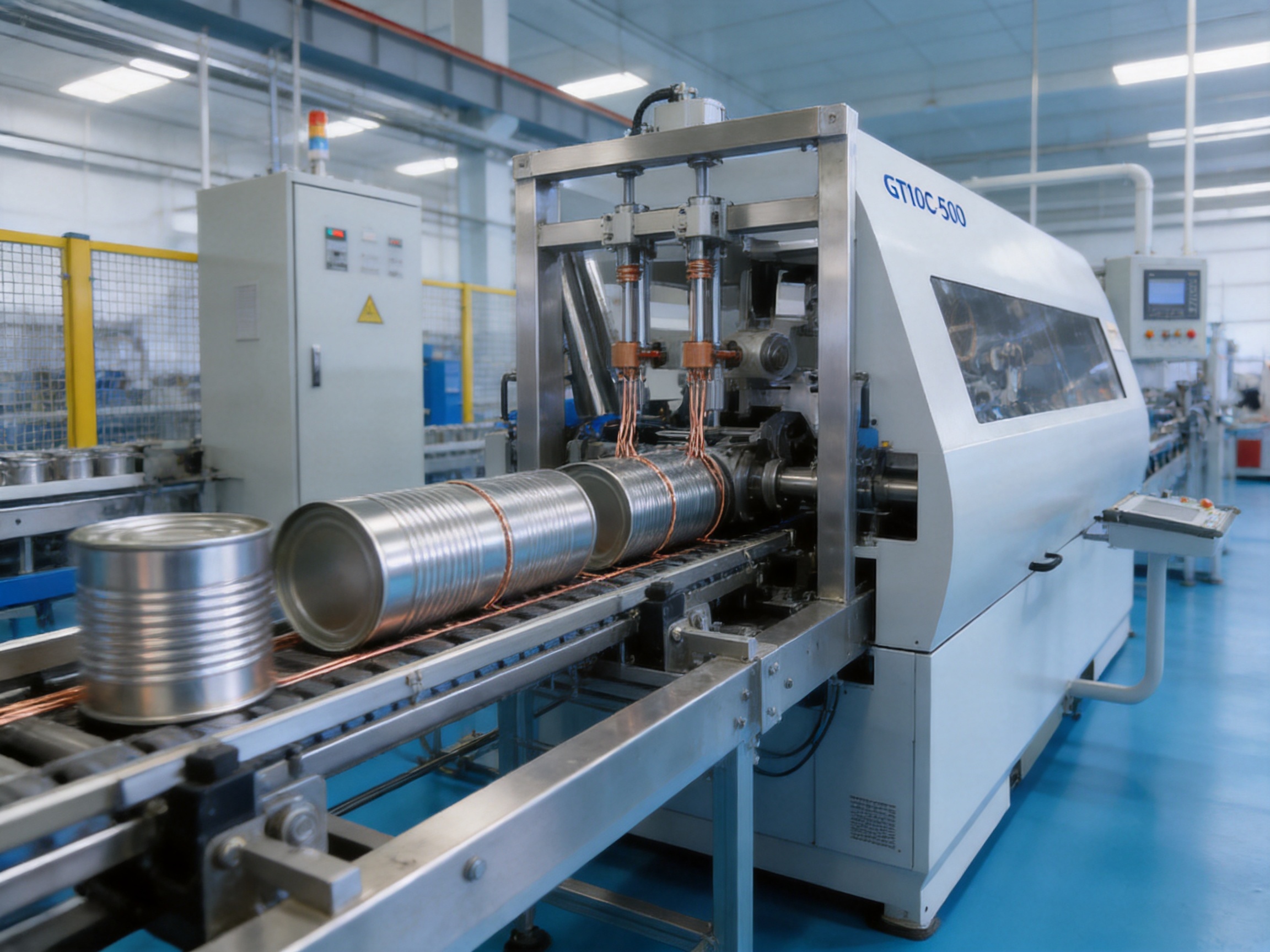
A 500-cans-per-minute rating provides a substantial production advantage over low-speed or manually assisted welding systems. Instead of dividing the same production target among several small machines, a manufacturer may be able to consolidate output into fewer high-capacity units. This can reduce duplicated setup work, simplify material handling, and make supervision more efficient.
Automatic feeding and transport reduce the number of times operators must handle individual bodies. Less handling can lower labor requirements and reduce the risk of dents, contamination, incorrect orientation, or feeding mistakes. Operators can focus more on monitoring, quality control, replenishing consumables, and responding to abnormal conditions.
Automated movement helps standardize speed and positioning. In a manually loaded process, the operator’s rhythm may vary during a shift. Automation creates a more repeatable production cycle and supports the collection of meaningful process data, inspection results, and maintenance records.
With a can-height range up to 320 millimeters and a diameter range that should be confirmed according to configuration, the GT10C-500 is not limited to one small container format. This flexibility can support product diversification and help a factory respond to changing orders.
The machine’s automatic structure and high-speed capability make it suitable for continuous production schedules. In comparison with equipment designed mainly for intermittent batches, it can better support factories that run multiple shifts and require a stable flow of welded bodies.
Equipment performance is influenced by more than the nameplate specifications. Engineering experience, machining quality, assembly accuracy, commissioning support, and spare-parts service all affect the useful life of a can welder. The manufacturer behind the GT10C-500 has focused on can-making machinery and molds since 1978 and has produced more than 10,000 pieces of can and can-lid equipment, according to the supplied company information.
That background can be an advantage when a customer needs more than a standalone machine. An experienced supplier is better positioned to discuss line matching, tooling, can dimensions, commissioning, operator training, and future expansion. The company also states that it provides installation, commissioning, technical guidance, operation training, and parts supply.
The manufacturing quality of a high-speed welder depends on precision in both major structures and small contact components. A machine operating at hundreds of cans per minute cannot rely on approximate alignment. The frame, guides, drive system, welding assembly, electrical cabinet, cooling system, and change parts must work together accurately.
Zhejiang Golden Eagle Food Machinery Co., Ltd. is based in Zhoushan, Zhejiang, China, and has a history that began with its establishment in 1978. The company is described as having more than 350 trained personnel, including experienced design and development engineers. Its product scope includes food can production lines, beverage can production lines, can-lid production lines, chemical tank production lines, aerosol canister production lines, two-piece can production lines, pop-can production lines, and can-making molds.
The company states that it uses CNC high-precision machining equipment along with complete mechanical processing equipment. For can-making machinery, this manufacturing capability is important because many components require controlled dimensions, smooth contact surfaces, precise concentricity, and repeatable assembly positions. Proper machining can contribute to more accurate body guidance and longer service life for wear components.
The company also reports that its product design principles are similar to those associated with established European can-making machinery manufacturers, while its own designs have been developed and improved through practical production experience. This combination of design reference, field experience, and continuing engineering development can help the supplier address the real operating conditions found in can factories.
Quality systems are another part of the company’s stated manufacturing strength. The company reports certification to ISO9001 for quality management and ISO14001 for environmental management. Certifications do not replace machine testing or customer acceptance, but they indicate that the supplier has formalized procedures for quality control and environmental management.
International experience is also relevant for machinery projects. The company states that its equipment has been exported to customers in Europe, Asia, Africa, North America, South America, and Oceania. International projects often require attention to electrical standards, documentation, packaging, installation, operator training, spare parts, and remote technical communication. Experience with different markets can help reduce misunderstandings during project execution.
A high-speed can welder requires a rigid frame to maintain alignment under continuous motion and welding forces. The listed machine weight of approximately 5,000 kilograms reflects the substantial structure needed for a 500-cans-per-minute system. A heavy, stable frame can help limit vibration and maintain the relative position of guides, welding assemblies, and transport components.
The machine dimensions are approximately 4,650 millimeters long, 2,300 millimeters wide, and 2,500 millimeters high. These dimensions should be included in the factory layout from the beginning of a project. Additional space is required for electrical cabinets, operator access, inspection, maintenance, consumable replacement, material flow, ventilation, and safe movement around the machine.
The listed total power is 50 kilowatts. Electrical infrastructure should be reviewed before installation, including incoming voltage, frequency, transformer capacity, grounding, circuit protection, cable sizing, and local compliance requirements. Power consumption in actual production may vary according to speed, material, duty cycle, and operating settings.
Because resistance welding produces heat, thermal management is important. Cooling arrangements, electrode condition, copper-wire contact, and welding current must remain within suitable limits. Operators should monitor abnormal heating, discoloration, unstable seam appearance, or changes in weld strength. A preventive maintenance program should include inspection of electrical connections, contact surfaces, cooling components, and consumable feed systems.
Controls should be configured so that operators can start, stop, adjust, and monitor the machine safely. Production personnel need clear procedures for product changeover, fault recovery, emergency stopping, restart authorization, and quality verification. Safety guards and interlocks should never be bypassed to increase output.
Installation begins before the machine arrives. The factory should prepare a level foundation or suitable support structure, confirm access routes, verify lifting capacity, complete utilities, and reserve enough room for the complete line. The machine’s weight and dimensions require careful planning for unloading and positioning.
Commissioning normally includes mechanical inspection, electrical connection, guide adjustment, welding parameter setup, material trials, speed testing, safety verification, and integration with upstream and downstream equipment. Production samples should be checked for seam appearance, overlap, weld strength, body roundness, dimensional accuracy, and compatibility with later processes.
Training is essential because even an automatic machine depends on informed operators and maintenance personnel. Operators should learn how to identify normal and abnormal seam conditions, replace copper wire, perform basic adjustments, respond to alarms, carry out cleaning, and record production information. Maintenance personnel should understand lubrication points, wear parts, electrical inspection, cooling systems, and alignment checks.
The supplier states that it provides installation, commissioning, technical guidance, and operation training. These services can shorten the learning curve and improve the likelihood that the machine will achieve its expected performance. Customers should request a clear commissioning plan, acceptance criteria, training schedule, spare-parts list, and warranty terms before finalizing the purchase.
Preventive maintenance is particularly important for a machine operating at 500 cans per minute. Small deviations can become significant when repeated hundreds of times every minute. A worn guide, damaged contact surface, incorrect wire tension, or loose electrical connection may gradually reduce weld quality before a complete failure occurs.
Daily inspections should include the welding area, body guides, copper wire path, visible fasteners, guards, sensors, cooling indicators, and abnormal noise or vibration. Operators should remove metal debris and accumulated residue according to the supplier’s instructions. Clean working surfaces help maintain stable contact and reduce the chance of contamination affecting the seam.
Regular maintenance should cover alignment, lubrication, drive components, welding contacts, wire-feed parts, electrical terminals, cooling equipment, sensors, and safety devices. Wear parts should be replaced before they create secondary damage. The appropriate interval depends on operating hours, material, speed, environmental conditions, and the manufacturer’s maintenance manual.
Spare-parts planning is another part of reliability management. Customers should maintain critical consumables and wear components on site, especially when the machine operates in a remote location or when international shipping may extend delivery time. The company states that it supplies parts and provides after-sales service, which can support continuity during the equipment’s working life.
Maintenance records should include date, machine operating hours, observed condition, parts replaced, adjustments made, and production results after service. These records help identify recurring issues and allow the factory to plan maintenance during scheduled downtime instead of waiting for an unexpected stoppage.
Quality control should combine visual inspection, dimensional measurement, destructive testing, and functional testing where appropriate. The exact inspection plan depends on the can application, customer requirements, material specification, and applicable standards.
Visual inspection may identify irregular weld appearance, excessive marks, burn-through, discontinuities, contamination, body deformation, or inconsistent overlap. Dimensional checks can include body diameter, height, roundness, seam position, and flange-related dimensions. Weld strength testing may involve peel tests, tensile tests, pressure testing, or other methods selected by the manufacturer’s quality department.
Production staff should establish acceptable limits before mass production. A sample taken at startup should be compared with samples collected after the machine reaches normal speed. Additional checks should be conducted after a format change, copper-wire replacement, maintenance adjustment, material change, or prolonged stoppage.
Quality data can also help optimize the machine. If seam strength declines at high speed, the team may need to review current, pressure, overlap, wire condition, material thickness, or cooling. If body dimensions vary, the cause may be upstream forming rather than the welder itself. A structured quality system prevents the factory from treating every problem as a welding-machine problem.
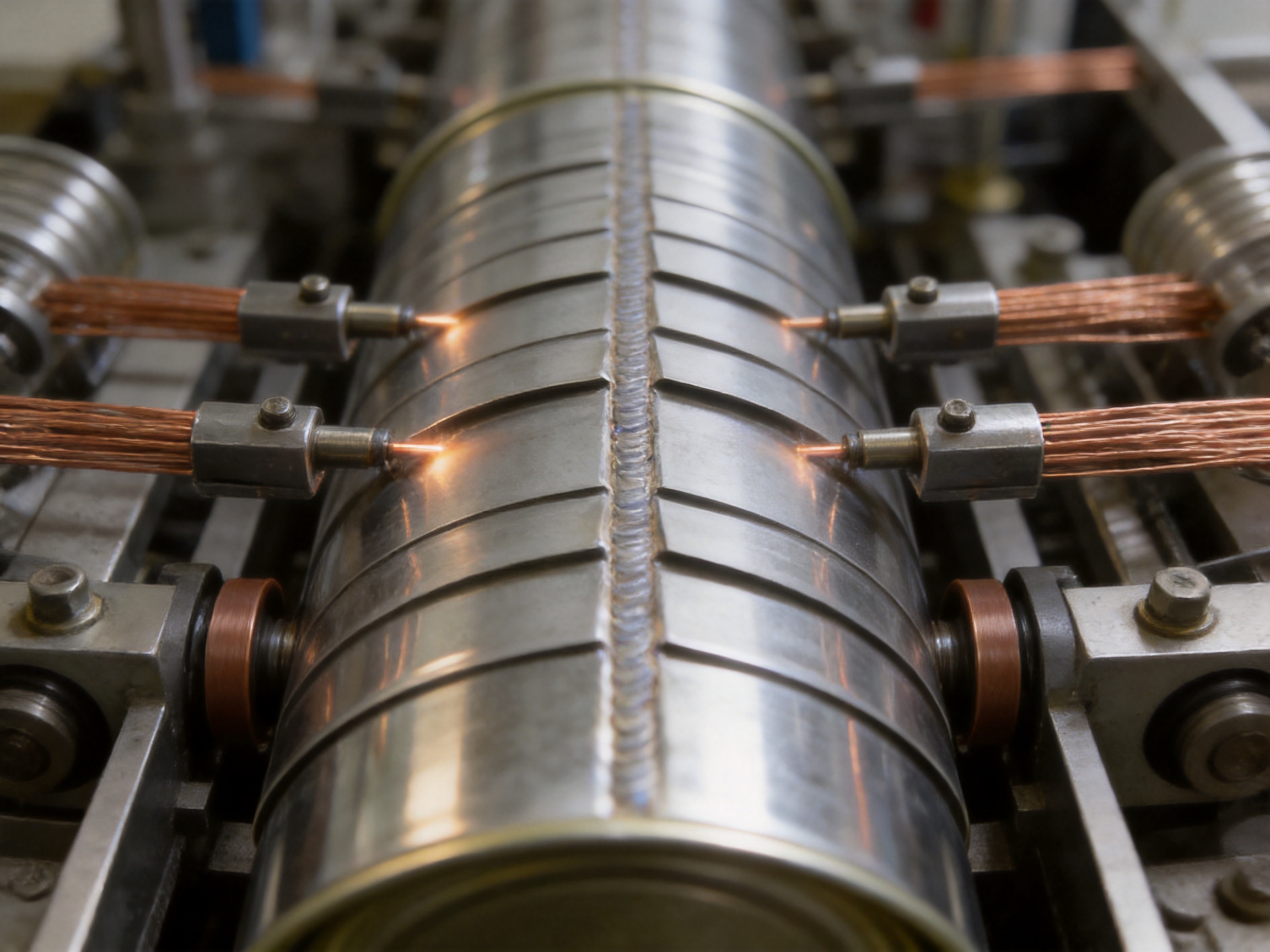
Food can production requires dependable seams because containers may undergo sterilization, heating, cooling, filling, stacking, and long-distance transportation. The GT10C-500 can support high-volume three-piece food-can production when the material and can design fall within the confirmed machine range.
Manufacturers of general-purpose metal containers may produce cans for household products, hardware, promotional packaging, and industrial goods. High-speed welding and flexible can-height capability can help these producers manage several product specifications on one production platform.
Chemical and industrial packaging may require stronger construction, special coatings, or particular dimensional features. The machine can be considered for suitable welded tinplate or thin-sheet container applications, but the customer should verify chemical compatibility, material properties, seam requirements, and safety regulations before production.
Aerosol packaging involves demanding dimensional and pressure requirements. While the GT10C-500 is a can body welder, its suitability for a specific aerosol component must be evaluated through engineering review and testing. The company’s broader product range includes aerosol cone and dome machinery and aerosol can-making equipment, which may support a more complete project discussion.
A buyer should begin by defining the complete product range rather than evaluating the machine only by its maximum speed. The required can diameters, heights, sheet thicknesses, coating types, material grades, seam specifications, daily output, shift pattern, and future product plans should all be documented.
Customers should provide technical drawings or representative samples. These allow the supplier to confirm the actual diameter and height range, required change parts, body blank dimensions, expected line speed, and compatibility with existing equipment. Because the product data contains different diameter references for the 500 model, confirmation of the exact supplied configuration is especially important.
The factory should also assess the available floor area, foundation, power supply, compressed air if required, cooling water if required, ventilation, material flow, and operator access. A high-speed machine can create a bottleneck if the upstream blanking operation or downstream end-seaming equipment cannot match its output.
Acceptance criteria should be written into the project documentation. They may include output at a defined can size, seam quality, material thickness, operating time, rejection rate, safety functions, noise level, documentation, and training completion. A clear acceptance method protects both the buyer and the supplier by defining how performance will be demonstrated.
| Evaluation area | Questions for the buyer | Why it matters |
| Can dimensions | What are the minimum and maximum diameters and heights? | Confirms tooling and configuration requirements. |
| Material | What are the thickness, temper, coating, and surface conditions? | Influences weldability and process settings. |
| Output | What is the required hourly and daily production? | Determines whether 500 cans per minute is sufficient. |
| Line balance | Can upstream and downstream machines match the welder? | Prevents bottlenecks and idle capacity. |
| Utilities | Is sufficient electrical capacity available? | Supports safe and stable operation. |
| Factory layout | Is there enough room for installation and maintenance? | Improves accessibility and safety. |
| Quality standards | What seam and leakage tests are required? | Defines commissioning and acceptance criteria. |
| Service | What installation, training, warranty, and spare-parts support is included? | Reduces long-term operating risk. |
One of the strengths of a supplier specializing in can-making machinery is the ability to discuss more than one machine at a time. A can producer may need a complete production line, a replacement section, customized molds, or an expansion project. A supplier with experience across body making, end making, lid production, slitting, feeding, welding, and forming can help coordinate these requirements.
The company’s stated product categories include food and beverage can-making machinery, tin can lid end-making machinery, duplex slitting machines, milk powder can-making machinery, easy-open-end lid machinery, tin can automatic welding machines, aerosol cone and dome machinery, chemical tank-making machinery, automatic feeding machines, aerosol can-making machinery, two-piece can-making machinery, and molds.
This range is relevant because can production lines often require close coordination between tooling and equipment. A body welder may perform well only when the body-forming tooling produces the correct overlap and cylindrical shape. Similarly, end-making equipment must match the body dimensions and seam design. Access to both machinery and molds can simplify technical communication during a new line project.
The company’s history of manufacturing can equipment and molds since 1978 also provides a long operating perspective. More than four decades of development can help a manufacturer understand common production challenges, replacement requirements, and the practical differences between laboratory performance and factory performance.
Environmental performance in a can-making factory includes electricity use, material utilization, consumable management, noise, maintenance waste, and equipment life. A stable welding process can help reduce rejected bodies and avoid unnecessary use of tinplate, copper wire, coatings, and packaging materials.
Long service life is also an environmental benefit because durable machinery reduces the need for premature replacement. Proper maintenance, timely replacement of wear parts, and accurate adjustment can extend the useful life of the equipment and maintain production efficiency.
The company reports ISO14001 environmental management certification. Customers should still review the machine’s actual energy requirements, cooling arrangements, consumables, noise conditions, and waste-handling procedures as part of their own environmental and regulatory assessment.
Before starting production, operators should verify that the correct change parts are installed, the machine is clean, guards are closed, utilities are available, and the selected material matches the production order. A small quantity of material should be run first so that overlap, seam quality, body dimensions, and downstream compatibility can be checked.
During operation, personnel should monitor the machine without placing hands near moving or welding components. They should observe output consistency, unusual sound, visible heat, wire behavior, body alignment, alarm signals, and the condition of welded seams. Any abnormal condition should be handled according to the machine’s operating and safety procedures.
After a stoppage, the cause should be identified before restarting. Simply clearing a jam without checking alignment or the damaged component may cause the same fault to occur again. After maintenance or adjustment, quality samples should be inspected before the line returns to full speed.
At the end of a production run, the operator should follow the prescribed shutdown, cleaning, inspection, and recordkeeping procedures. Proper shutdown helps protect the welding components and makes the next startup more predictable.
The listed rated output is 500 cans per minute. Actual output depends on the can format, sheet material, machine configuration, setup condition, operator practices, line balance, and production environment.
It performs automatic longitudinal seam welding for formed tinplate can bodies. The product is designed to join the overlapping edges of a cylindrical can body before downstream operations such as flanging and end seaming.
The product listing states a can diameter range of 52 to 153 millimeters and a height range of 70 to 320 millimeters. The supplied series table lists 52 to 180 millimeters for the GT10C-500 diameter range. Buyers should confirm the exact range and tooling configuration for their specific order.
The supplied technical table specifies a sheet thickness of 0.16 to 0.30 millimeters. Material grade, temper, coating, and surface condition should also be reviewed because thickness alone does not determine weldability.
The GT10C-500 series data gives a welding speed of 25 to 70 meters per minute. The product description identifies the high-speed configuration with a maximum of 70 meters per minute. The appropriate speed for a particular can should be established through testing and process adjustment.
The listed copper wire diameter is 1.38 to 1.5 millimeters for the GT10C-500 model. Correct wire selection and feed condition are important for stable electrical contact and consistent seam quality.
The supplied specification lists total power of 50 kilowatts. The customer should confirm the required voltage, frequency, electrical protection, grounding, and installation conditions with the supplier before preparing the factory utilities.
The listed dimensions are approximately 4,650 x 2,300 x 2,500 millimeters, and the listed weight is approximately 5,000 kilograms. The factory should allow additional room for operation, maintenance, access, conveyors, and safety clearance.
Yes. It is intended for use within an automatic can-making line, but the upstream body-forming equipment and downstream flanging, end-seaming, inspection, and packaging equipment must be matched to its speed and product dimensions.
The company states that it provides installation, commissioning, technical guidance, operation training, and spare-parts supply. The exact scope, response time, warranty conditions, and travel arrangements should be confirmed in the purchase contract.
No machine should be assumed to suit every can without technical confirmation. Product geometry, material, coating, thickness, seam design, speed, and quality requirements must be reviewed. Samples or drawings should be submitted before final approval.
At high speed, small alignment or contact problems are repeated many times and can quickly affect a large quantity of production. Preventive inspection helps preserve seam quality, reduce unplanned downtime, and protect major components.
The GT10C-500 automatic can body welder is designed for manufacturers that require high-speed, continuous, and repeatable seam welding of tinplate can bodies. Its principal specification is a production capacity of up to 500 cans per minute, supported by a welding speed of up to 70 meters per minute in the stated configuration. A can-height range of 70 to 320 millimeters and a sheet-thickness range of 0.16 to 0.30 millimeters provide useful flexibility for many three-piece can applications.
Compared with manual, semi-automatic, or lower-speed welding solutions, the machine can reduce manual handling, improve production consistency, support higher line output, and simplify the management of large-volume orders. Its value is greatest when it is properly matched with upstream forming equipment, downstream end-making and seaming machines, material specifications, and a well-planned quality-control program.
The manufacturing background of Zhejiang Golden Eagle Food Machinery Co., Ltd. adds another dimension to the equipment evaluation. The company reports a history dating to 1978, more than 350 employees, CNC and precision machining capabilities, ISO9001 and ISO14001 certifications, production of more than 10,000 can and can-lid machines, and experience serving customers in multiple international markets. Its broader portfolio of can-making machinery and molds can support customers seeking a complete production solution rather than one isolated machine.
Before purchase, customers should confirm the exact can diameter range, tooling, material compatibility, output conditions, utility requirements, layout, acceptance criteria, training, warranty, and spare-parts plan. With those details properly established, the GT10C-500 can serve as a productive and scalable welding platform for modern tinplate can manufacturing.
1. Supplied GT10C-500 automatic can body welder product specifications and model information.
2. Supplied GT10C series technical comparison table, including output, welding speed, lap, copper wire diameter, can dimensions, sheet thickness, power, weight, and machine dimensions.
3. General principles of resistance seam welding for tinplate containers.
4. General practices for three-piece metal can production, body forming, seam welding, flanging, and end seaming.
5. ISO 9001 quality management system principles for industrial manufacturing organizations.
6. ISO 14001 environmental management system principles for machinery manufacturers and production facilities.
7. Supplied company information concerning manufacturing history, engineering personnel, production capabilities, international markets, product categories, and after-sales service.
Related Products

Founded in 1978, the company is one of the largest can-making machinery well-known companies at home and abroad.
Product Categories
Contact Information
Zhongshatou Shenjiamen Zhoushan Zhejiang China
+86-580-3056646

 English
 中文简体
 русский
 عربى
 Español