2026-05-18
In modern can manufacturing, every second of production time matters. A can production line is only as efficient as the stability of its feeding system, because even a highly accurate welder, slitter, flanger, seamer, press, or lid-making station cannot perform at full capacity if materials arrive inconsistently. The Automatic Feeding Machine is designed to solve this core production challenge by delivering sheets or can-related materials to downstream equipment with speed, order, and repeatable accuracy. For manufacturers of food cans, beverage cans, milk powder cans, aerosol cans, chemical tanks, and tinplate containers, a reliable feeding system is not a simple accessory; it is a central component of production efficiency.
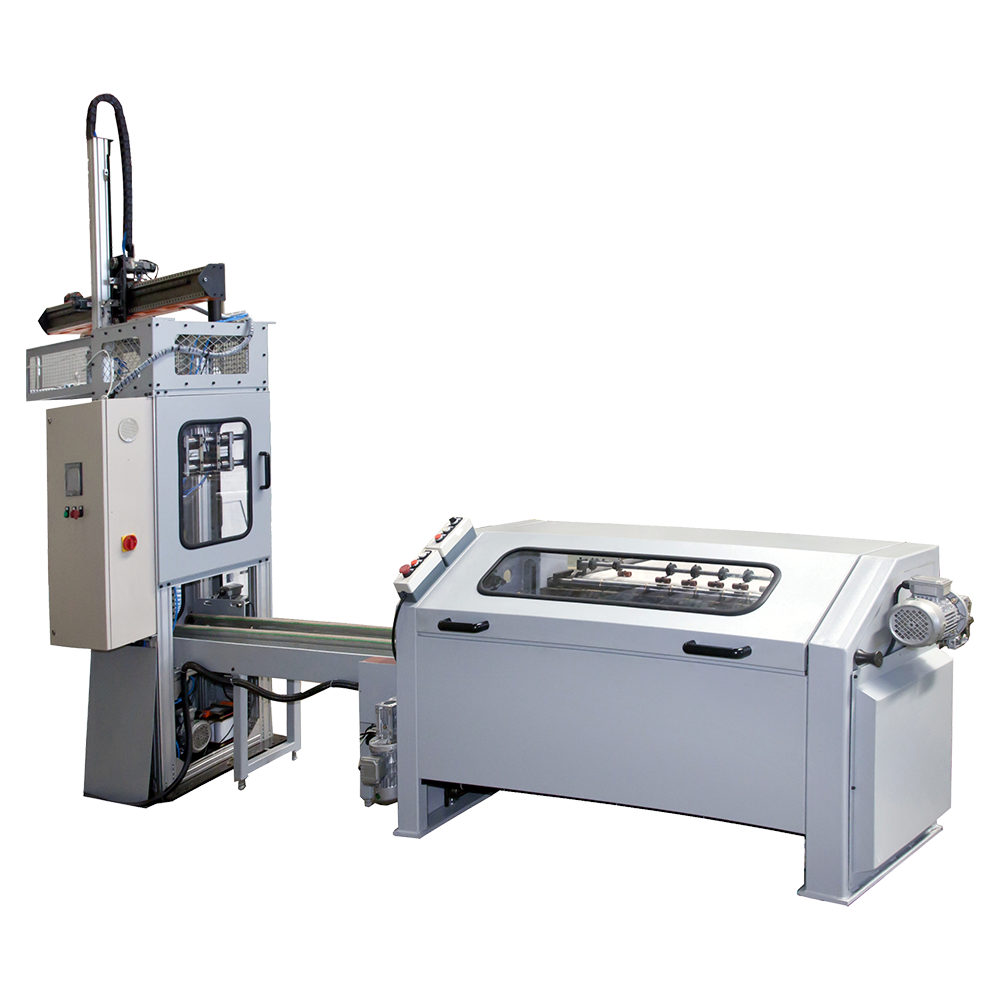
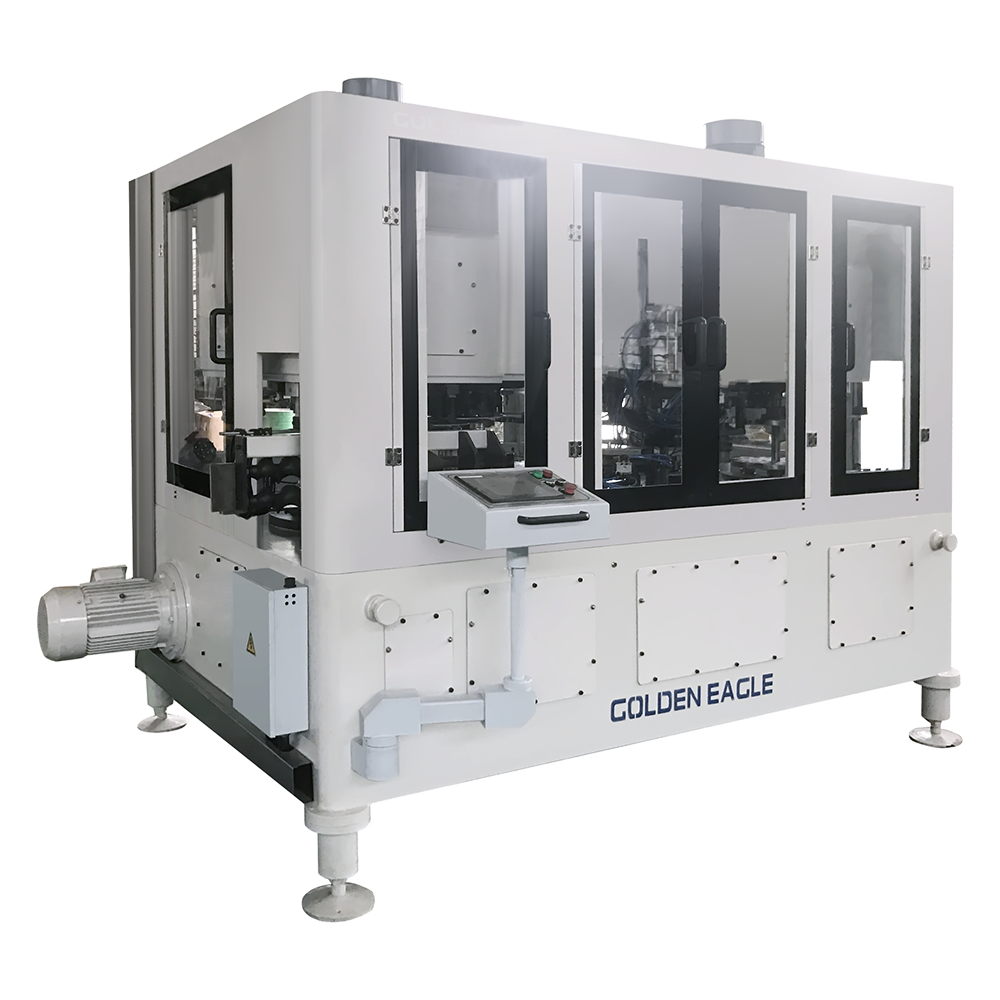
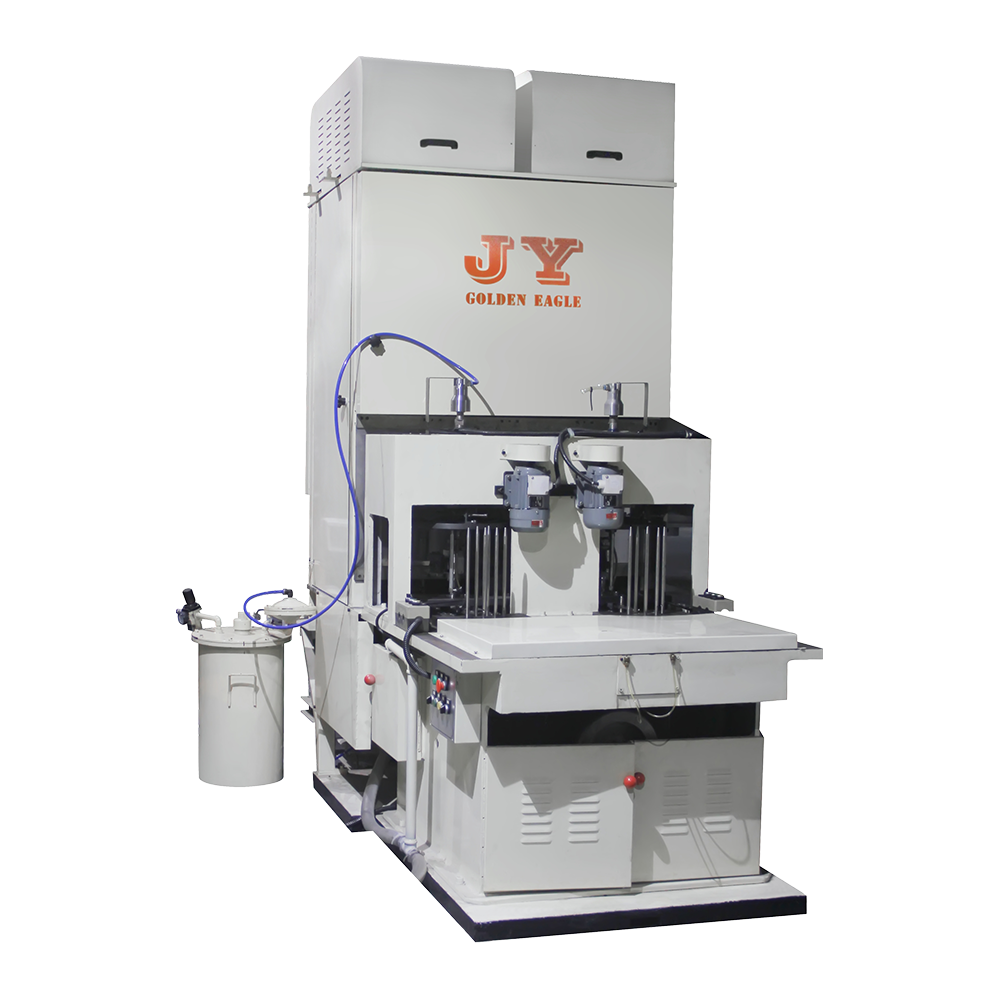
The GT10B-1 Automatic Feeding Machine is engineered for high-speed industrial use, with an output capacity of 600 to 1000 pieces of sheet per minute. It is suitable for can diameters from Φ52 mm to Φ99 mm and can heights from 95 mm to 220 mm, making it adaptable for many common tinplate can production requirements. With a total power demand of 2 kW and air consumption of 50 L/min, it provides a balanced combination of high throughput, controlled energy use, and stable operating performance. Its machine dimensions of L5300 × W4730 × H2750 mm and weight of 1300 kg indicate a strong industrial structure built for continuous operation.
For can makers, the advantage of automation is not limited to labor reduction. A well-designed automatic feeder improves sheet handling quality, reduces feeding errors, supports consistent line speed, lowers material damage, and improves the rhythm of the complete can-making machinery production line. When integrated with tin can making machines, tinplate can making machinery production lines, lid-end making machines, slitting machines, welding machines, and related production systems, it helps establish a smoother and more predictable production environment.
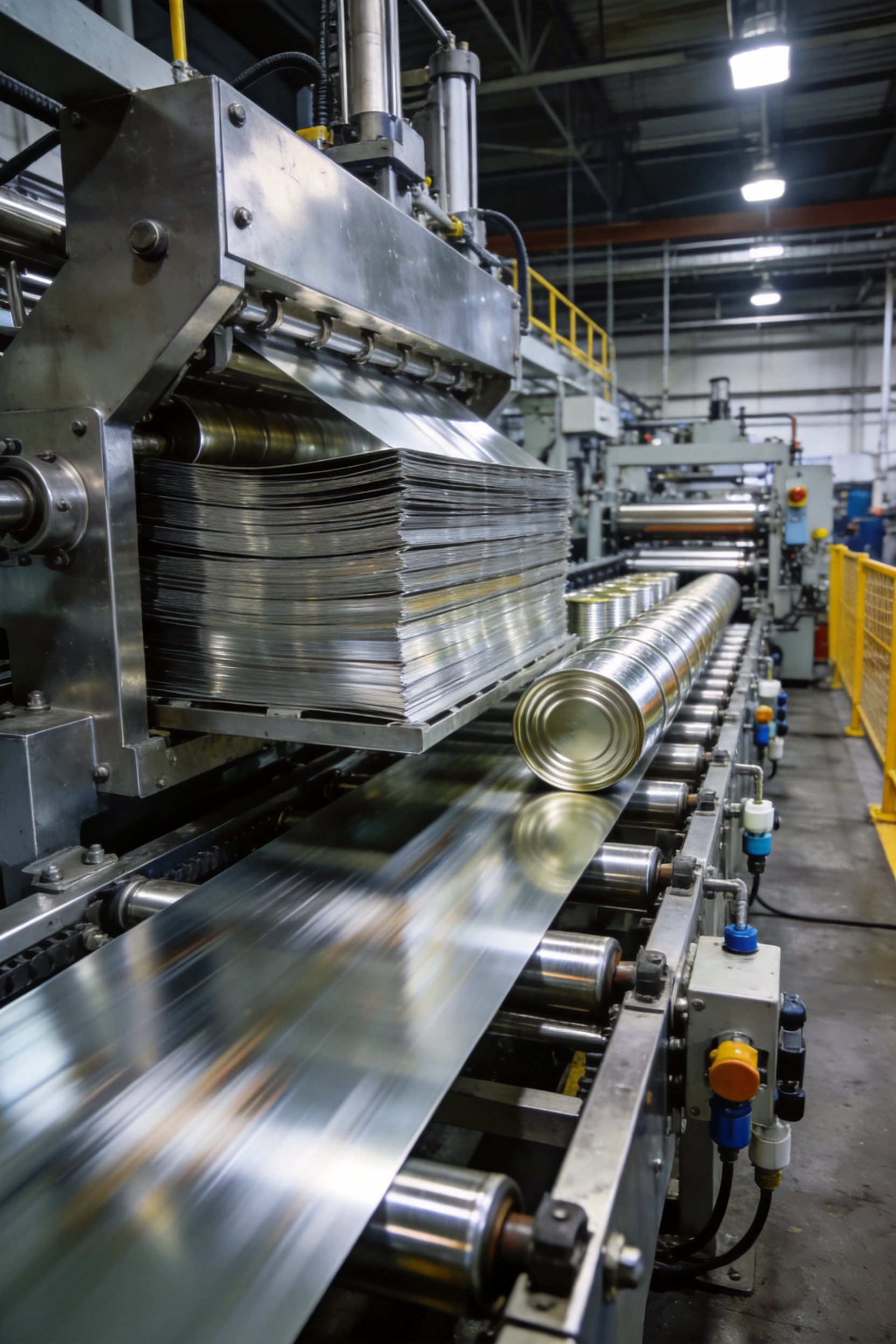
Can manufacturing includes multiple precision processes: sheet cutting, blank feeding, forming, welding, flanging, beading, seaming, lid production, end curling, and final assembly. Each stage depends on controlled material flow. If feeding is too slow, expensive downstream equipment remains idle. If feeding is unstable, the line may experience misalignment, jams, scratches, deformation, or inconsistent quality. The Automatic Feeding Machine directly addresses these risks by organizing material movement before problems reach the main production stations.
In competitive can manufacturing, consistency is often more valuable than occasional peak speed. A production line that reaches high speed only intermittently but requires frequent operator adjustment may appear efficient on paper, yet it loses productivity through stoppages and waste. The Automatic Feeding Machine supports sustained, repeatable performance by reducing dependence on manual feeding and minimizing variations caused by operator fatigue, inconsistent handling, or uneven material placement.
For tinplate can production, feeding accuracy also contributes to surface protection. Tinplate sheets often carry printed, coated, or treated surfaces that must be protected during handling. Improper feeding can cause scratches, dents, edge damage, or surface contamination, all of which may affect final product appearance and customer acceptance. An automatic feeding process helps create a controlled path for materials, reducing unnecessary contact and improving the overall handling environment.
In food and beverage can manufacturing, hygiene and visual quality are essential. The feeding machine helps reduce manual contact with materials, which can support cleaner production practices. In chemical tank or aerosol can production, stable feeding helps maintain dimensional consistency, which is important for safety, sealing performance, and pressure-related requirements. Across all categories, automatic feeding improves the production foundation on which other process advantages are built.
The GT10B-1 Automatic Feeding Machine is built for high-output can production environments that require reliable sheet transfer and compatibility with multiple can specifications. Its design supports a production speed range of 600 to 1000 pieces of sheet per minute, giving manufacturers the flexibility to operate at different speeds depending on product type, downstream equipment capacity, tinplate thickness, surface condition, and production scheduling needs.
The machine is suitable for can diameters from Φ52 mm to Φ99 mm and can heights from 95 mm to 220 mm. This range covers many widely used three-piece can specifications, including cans for food, milk powder, beverages, aerosols, chemicals, and general tinplate packaging. Instead of being limited to one narrow product type, the machine can support diversified production plans, which is especially important for factories handling OEM and ODM orders.
Its total power consumption of 2 kW reflects a practical energy profile for industrial production. In many factories, power efficiency has become a direct cost factor as electricity prices and sustainability requirements increase. A feeder that supports high-speed performance while maintaining moderate power demand can reduce the cost per unit of output. Its air consumption of 50 L/min also helps control pneumatic operating costs and supports easier integration into existing factory air systems.
The machine weight of 1300 kg and dimensions of L5300 × W4730 × H2750 mm demonstrate that it is not a light-duty device, but a production-grade feeding system designed for factory use. Its robust structure supports stability during high-speed operation, helping reduce vibration and improve material movement consistency. In automatic feeding, mechanical rigidity is important because even small movements or unstable structures can influence alignment accuracy at high speed.
| Model | GT10B-1 |
| Output Capacity | 600-1000 pieces of sheet per minute |
| Applicable Can Diameter | Φ52-99 mm |
| Applicable Can Height | H95-220 mm |
| Air Consumption | 50 L/min |
| Total Power | 2 kW, 380 V, 60 Hz |
| Machine Weight | 1300 kg |
| Machine Dimension | L5300 × W4730 × H2750 mm |
One of the strongest advantages of the Automatic Feeding Machine is its production capacity. With a rated output of 600 to 1000 pieces of sheet per minute, it is suitable for fast can-making environments where material supply must match the pace of automated downstream machines. In comparison with slower or semi-manual feeding systems, this high-speed output reduces bottlenecks and allows the production line to operate closer to its designed capacity.
Competitor machines may focus on basic feeding functions, but high-speed stability requires more than rapid motion. It requires coordinated mechanical design, proper material control, structural strength, and practical production experience. A feeding machine that can move quickly but causes frequent misfeeds will not improve real productivity. The GT10B-1 is designed for production rhythm, not merely movement speed, supporting the continuous pace needed in tin can making machinery production lines.
The applicable diameter range of Φ52 to Φ99 mm and height range of 95 to 220 mm offer valuable versatility. Many can factories produce different can sizes for different customers, seasons, packaging formats, and market categories. A machine that can adapt to multiple can specifications helps reduce the need for dedicated feeding equipment for each product type. This flexibility can lower investment cost, simplify floor planning, and improve equipment utilization.
For manufacturers handling food cans, milk powder cans, aerosol cans, and chemical tanks, production diversity is common. The ability to support different can dimensions gives the factory more confidence when accepting custom orders. This is especially important for OEM and ODM production, where customers may request variations in size, capacity, or production configuration.
The machine’s total power of 2 kW supports efficient production without excessive energy demand. In high-speed manufacturing, energy consumption is not only an environmental issue but also a measurable operating cost. A feeding system that achieves strong output with controlled power requirements can contribute to lower long-term production expenses.
Air consumption of 50 L/min is also practical for factories that operate multiple pneumatic machines. Excessive air consumption can overload compressors, increase maintenance costs, and reduce system pressure stability. By maintaining a controlled air requirement, the Automatic Feeding Machine can integrate more easily into existing production workshops and help preserve pneumatic system reliability.
Manual feeding is labor-intensive, especially at high production speeds. Workers must maintain attention, timing, and physical movement for long periods, which can result in fatigue and inconsistent handling. Automatic feeding reduces the need for continuous manual placement, allowing operators to supervise the process rather than physically control every feeding action.
This shift improves labor efficiency and can help factories deal with rising labor costs or limited skilled worker availability. Instead of assigning workers to repetitive feeding tasks, manufacturers can allocate trained personnel to inspection, quality control, equipment adjustment, preventive maintenance, and production management. In this way, automatic feeding supports a more modern and professional production organization.
Tinplate sheets and pre-processed can materials may be coated, printed, lacquered, or surface-treated. Damage during feeding can create defects that become visible later in the production process. An automatic feeding machine helps reduce random manual contact and supports smoother, more consistent material movement. This can reduce scratches, edge impacts, bending, and contamination.
Compared with basic feeding devices that may not adequately control sheet positioning, a well-engineered automatic feeder contributes to improved appearance quality and lower scrap. For branded food and beverage packaging, appearance is important because packaging often acts as a sales tool. For aerosol and chemical cans, dimensional and surface integrity can also influence safety and sealing performance.
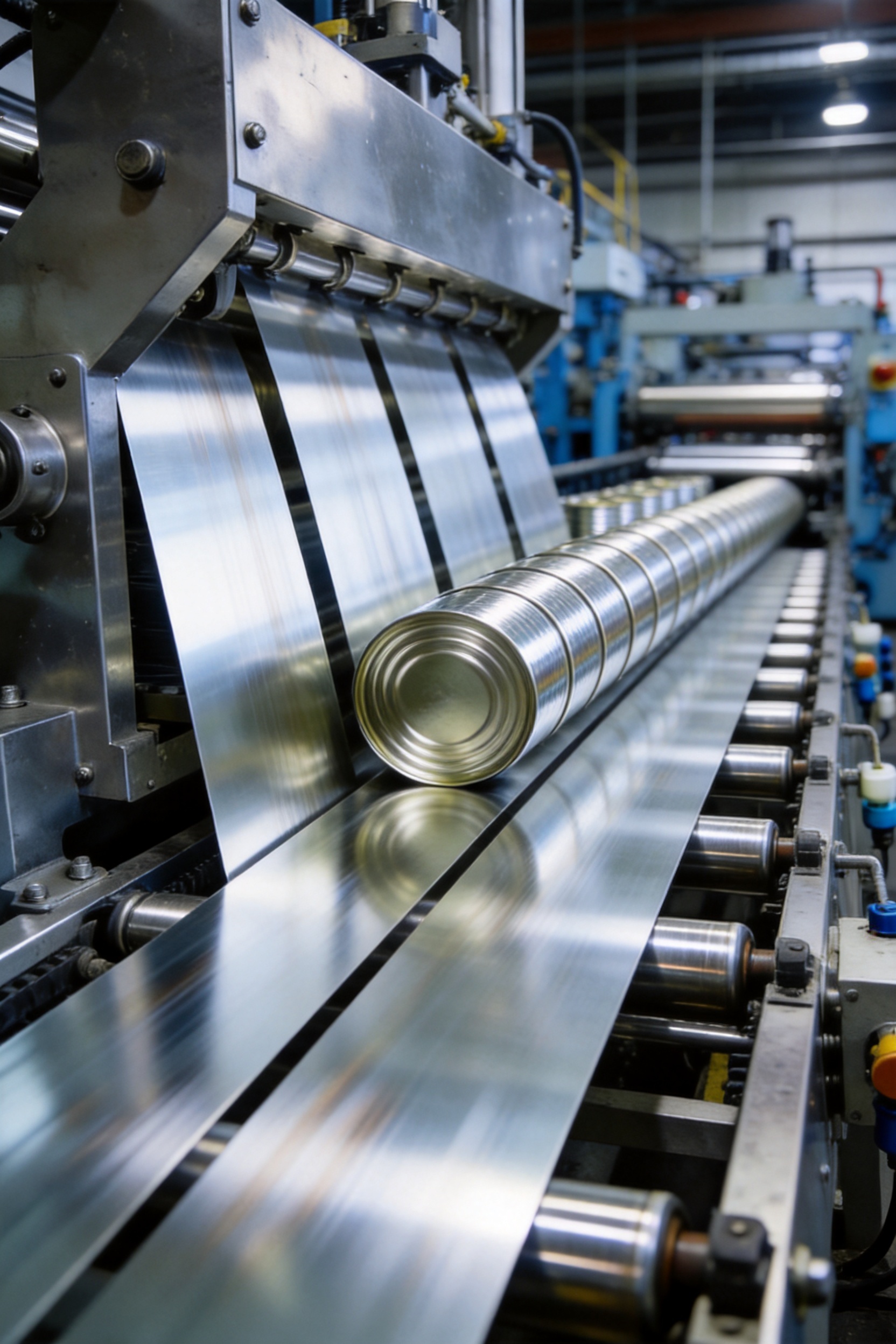
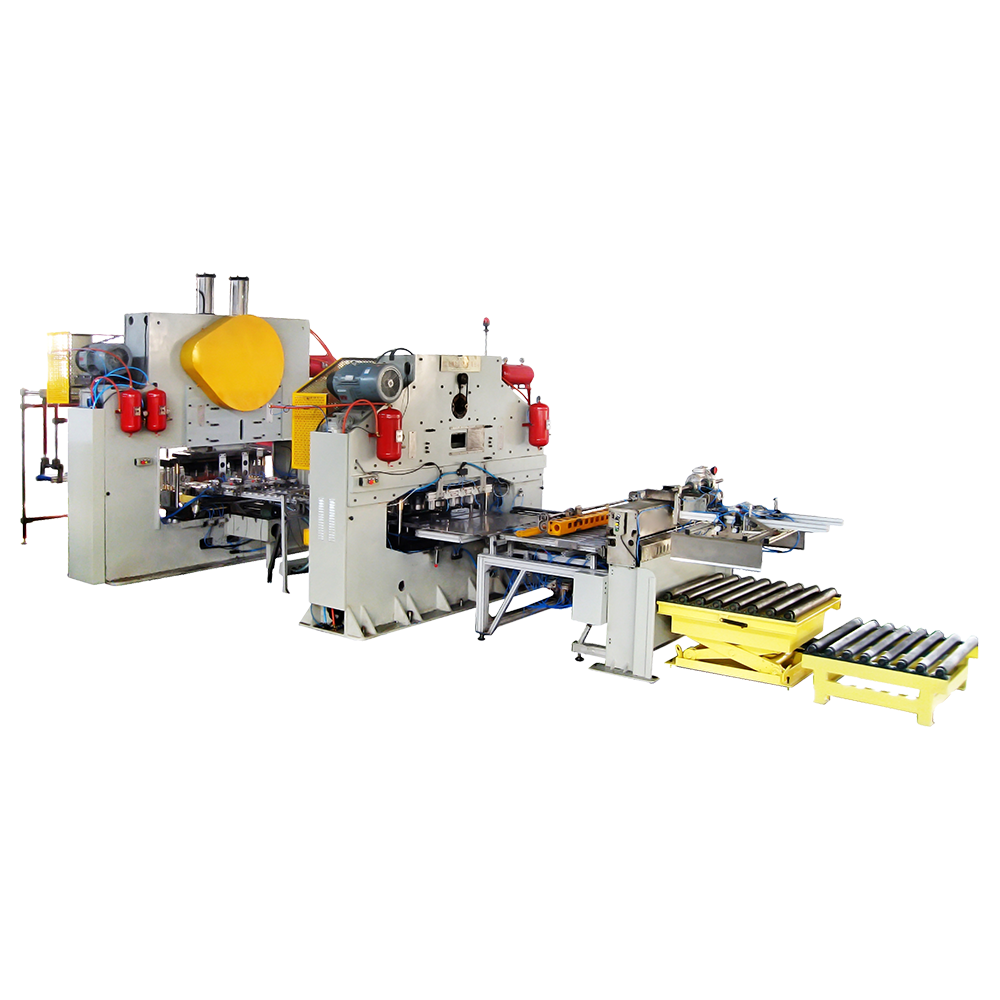
The Automatic Feeding Machine is most valuable when viewed as part of a complete can-making system. Can production requires synchronization between multiple machines, and any imbalance can reduce output. By stabilizing the input stage, the feeding machine supports the entire downstream process. It can be used in production environments involving tin can making machines, tinplate can making machinery production lines, can lid end making machines, cutting machines, duplex slitters, welding machines, aerosol cone and dome machines, two-piece can equipment, and related mold systems.
In a three-piece can production line, sheet or blank feeding often precedes cutting, rounding, welding, or body forming. Stable feeding helps ensure that each blank enters the next process in correct order and orientation. When feeding is accurate, downstream equipment can perform more reliably, reducing stoppages caused by skewed materials, double feeding, missing sheets, or irregular delivery intervals.
In can lid and end production, feeding consistency is equally important. Lid-making machines rely on accurate material supply for stamping, curling, lining, and forming processes. Any variation in material movement can affect edge quality, compound placement, or shape consistency. Although the GT10B-1 is categorized as an Automatic Feeding Machine, its operating concept reflects the broader requirement for precise material transfer throughout can manufacturing.
In aerosol can production, including cone and dome making, stable feeding contributes to uniform forming quality. Aerosol packaging requires a high level of dimensional consistency because containers may need to withstand internal pressure. Material flow must therefore be predictable and controlled. Automatic feeding reduces the risk of irregular supply, which helps the production line maintain stable forming and assembly conditions.
For chemical tank production, feeding reliability affects both productivity and quality. Chemical containers may require strong seams, consistent body dimensions, and dependable end assembly. A feeder that maintains steady operation supports the dimensional accuracy needed for safe and functional packaging. The same logic applies to milk powder cans, where premium appearance and reliable sealing are critical for consumer confidence.
A high-speed automatic feeder must satisfy several engineering requirements at the same time. It must be strong enough to operate continuously, accurate enough to handle materials consistently, efficient enough to reduce operating costs, and flexible enough to support varied production schedules. The GT10B-1 reflects these requirements through its industrial structure, output capacity, dimensional range, and practical utility.
Structural stability is especially important at high speed. When equipment operates at hundreds of cycles per minute, vibration and mechanical looseness can cause feeding errors. The 1300 kg machine weight provides a stable physical foundation, helping maintain reliable operation. A solid frame helps keep movement controlled and reduces the influence of external disturbance, floor vibration, and repeated mechanical load.
The machine’s size also supports an organized feeding process. With dimensions of L5300 × W4730 × H2750 mm, it provides enough working area for material handling while remaining suitable for industrial line integration. Effective feeding often requires space for stacking, separation, transfer, and positioning. A carefully planned machine layout helps keep these actions coordinated and accessible for operation and maintenance.
Another practical design factor is compatibility with factory utilities. The use of 380 V, 60 Hz power matches many industrial environments, while the 2 kW power rating reduces the burden on electrical infrastructure. The air consumption specification of 50 L/min allows production planners to evaluate compressor capacity and ensure stable pneumatic operation across the workshop.
The performance of a can-making machine is closely linked to the manufacturing capability of its producer. Zhejiang Golden Eagle Food Machinery Co., Ltd. has a long history in can-making machinery and can-making molds, with roots dating back to 1978. This background provides a deep practical understanding of can production requirements, including feeding, cutting, welding, forming, lid making, mold design, and complete production line integration.
The company has developed through more than four decades of manufacturing experience and continuous improvement. It has produced more than 10,000 pieces of can and can lid equipment, supplying machinery to can manufacturers and canning factories in many markets. This long-term field experience is important because can-making equipment must perform not only in testing environments but also under real factory conditions involving varied materials, operators, climates, maintenance habits, and production targets.
The company employs more than 350 trained personnel, including experienced design and development engineers. This human resource base supports equipment design, production, assembly, quality control, commissioning, and service. In specialized machinery manufacturing, experienced engineers are essential because many improvements come from understanding the relationship between mechanical design and actual production behavior.
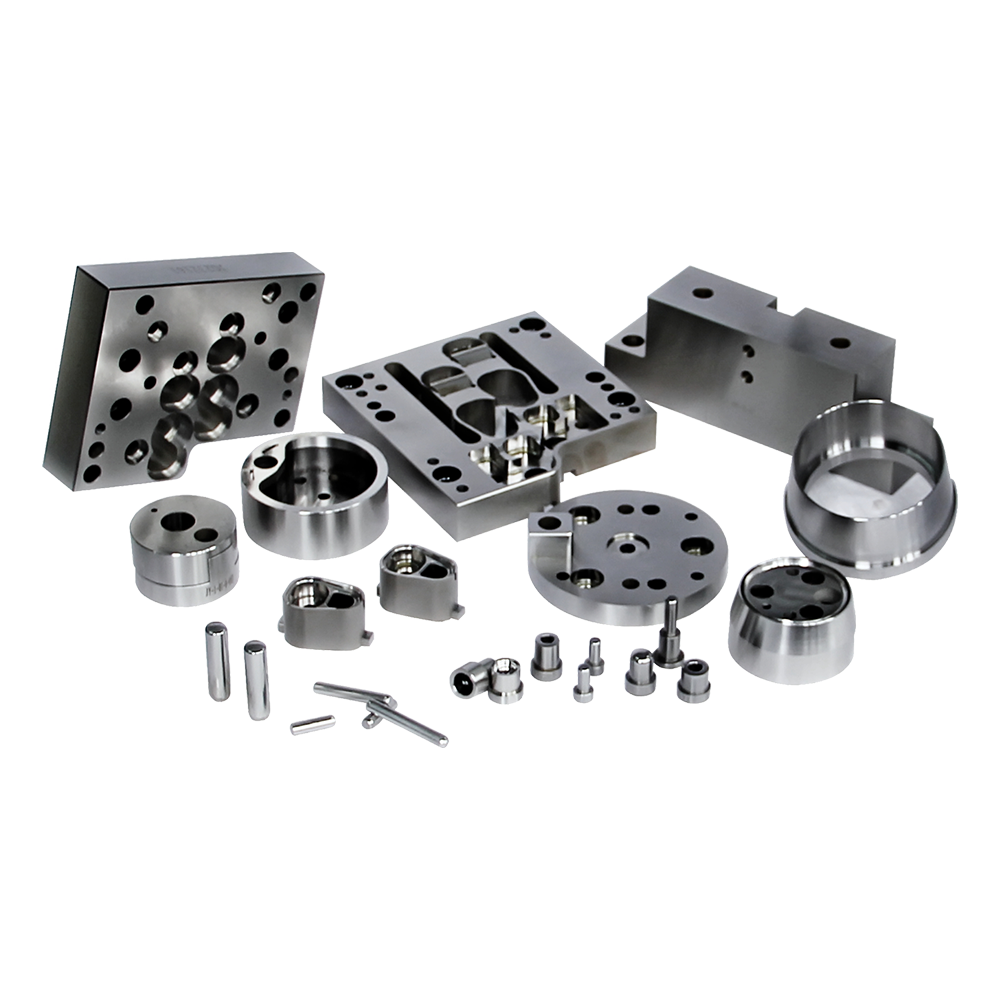
Advanced manufacturing equipment is another strength. The company uses CNC high-precision machining equipment and complete mechanical machining equipment. Precision machining is vital for feeding systems because moving parts, guiding structures, transmission components, and positioning mechanisms must fit accurately. Poor machining precision can lead to vibration, wear, misalignment, and unstable feeding. High-precision manufacturing helps improve machine reliability and service life.
The company has also obtained ISO9001 quality management system certification and ISO14001 environmental management system certification. ISO9001 reflects a structured approach to quality control, process management, and continuous improvement. ISO14001 demonstrates attention to environmental management in manufacturing operations. For buyers, these certifications provide additional confidence that machinery production is supported by organized systems rather than informal workshop practices.
The production of an Automatic Feeding Machine involves more than assembling metal parts. It requires engineering analysis, material selection, precision machining, component inspection, assembly alignment, testing, and production feedback. Each stage affects the final performance of the equipment. Advanced manufacturing processes help ensure that the feeder can achieve high-speed operation while maintaining stability.
CNC machining plays a central role. High-precision machining allows critical components to be produced with controlled tolerances. In feeding equipment, accuracy affects guide rails, transmission seats, connecting parts, supports, and positioning assemblies. When these components are machined accurately, the complete machine can operate with smoother motion and lower mechanical stress.
Mechanical machining capacity also allows the manufacturer to control quality internally. Instead of depending entirely on outside suppliers for critical parts, a strong machining workshop can manage important processes directly. This improves quality consistency and allows faster improvement when engineers identify optimization opportunities. In customized OEM or ODM projects, internal machining capability can also shorten development cycles.
Assembly quality is another decisive factor. Even precisely machined components must be assembled correctly. Alignment, fastening, lubrication, movement clearance, and test adjustment all influence final performance. A manufacturer with extensive can-making machinery experience understands how the feeder will interact with downstream machines and can pay attention to details that general machinery suppliers may overlook.
Testing and commissioning are also important. Before equipment is delivered, it should be checked for mechanical movement, feeding stability, utility requirements, and operational safety. For a high-speed feeding machine, test operation helps confirm whether the machine can achieve the expected output range and whether adjustments are convenient. Strong manufacturing processes create a better foundation for successful installation at the customer’s factory.
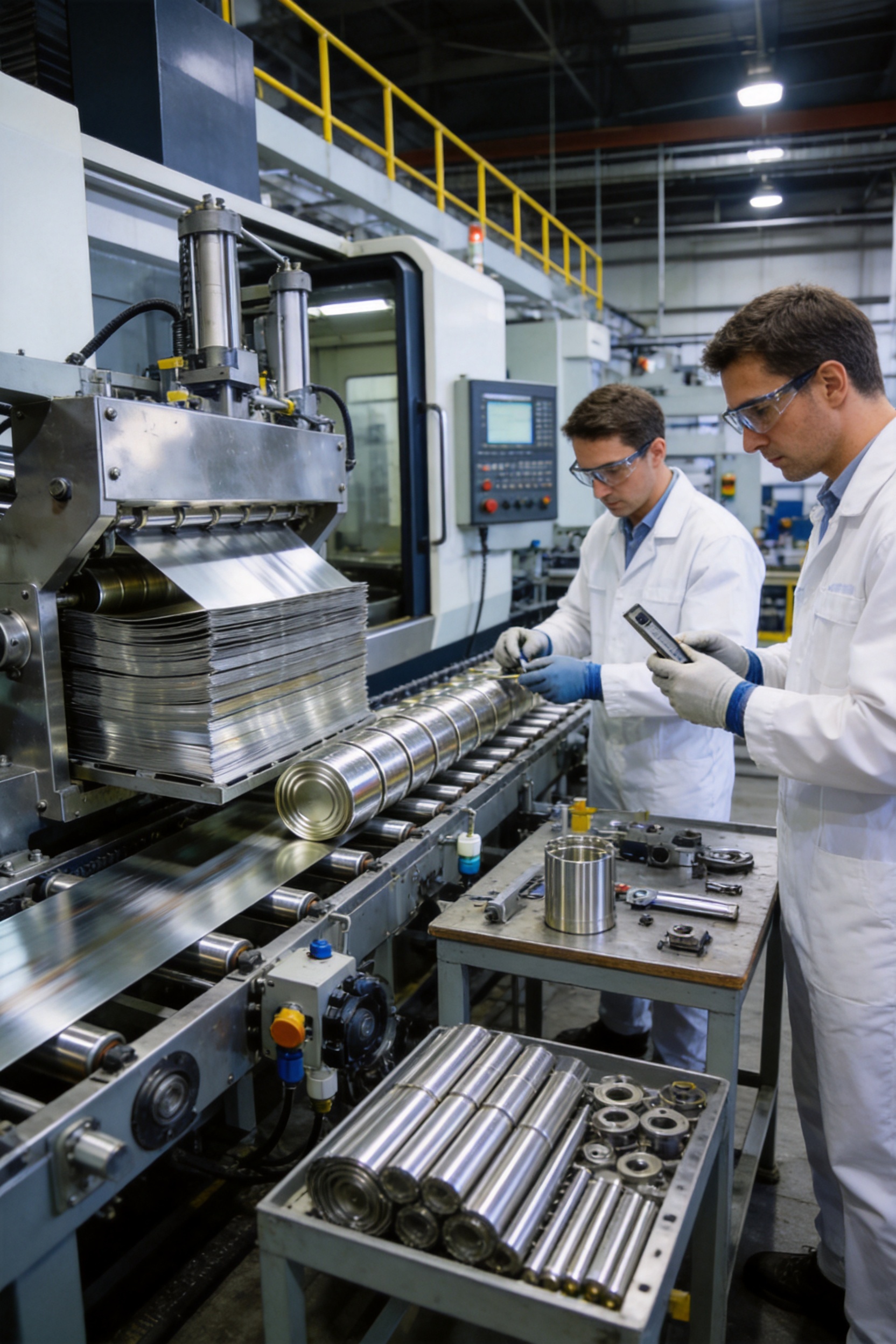
Can-making machinery is a specialized field. General automation knowledge is useful, but it is not enough. Tinplate behavior, sheet handling, can dimensions, surface coatings, forming stresses, welding requirements, lid structures, and production line synchronization all create unique challenges. A company with decades of can-making machinery experience can design equipment based on actual industry problems rather than theoretical assumptions.
Since its establishment in 1978, Zhejiang Golden Eagle Food Machinery Co., Ltd. has focused on can-making machinery and can-making molds. This long-term specialization helps the company understand the full production chain from raw material handling to finished container production. The Automatic Feeding Machine benefits from this accumulated knowledge because feeding is connected to many other processes.
The company’s product range includes food can production lines, beverage can production lines, can lid production lines, chemical tank production lines, aerosol canister production lines, two-piece can production lines, pop can production lines, cutting machines, duplex slitters, tin can auto-welding machines, molds, and automatic feeding machines. This broad product system means that feeding equipment can be designed with awareness of upstream and downstream requirements.
In many factories, equipment from different suppliers can create integration difficulties. Machines may have mismatched speeds, inconsistent material heights, different control logic, or incompatible layouts. A supplier with complete line experience can reduce these risks by considering the feeding machine as part of a larger production system. This is a major advantage for buyers who want reliable output rather than isolated machine performance.
Not all can manufacturers have the same production requirements. Some factories specialize in one high-volume product, while others produce multiple can sizes for different customers. Some prioritize maximum speed, while others require flexibility, compact layout, or special integration with existing equipment. OEM and ODM capability allows the Automatic Feeding Machine to be adapted to specific factory needs.
OEM support is valuable when customers require equipment that fits established product specifications, branding requirements, or production standards. ODM support is important when customers need design adjustments, process optimization, or new configurations. For can makers expanding into new product categories, customized feeding solutions can reduce trial-and-error and speed up production planning.
Customization may involve layout arrangement, connection with downstream equipment, operation interface preferences, can size range considerations, material handling details, or factory utility compatibility. A manufacturer with in-house engineering and machining capability is better positioned to deliver practical customization because design changes can be evaluated and implemented within a controlled manufacturing system.
For international buyers, OEM and ODM flexibility also helps address local production conditions. Factories in different countries may use different tinplate specifications, power standards, operating habits, safety practices, and maintenance resources. A supplier experienced in export markets can communicate with customers to select suitable configurations and provide guidance for smooth installation.
Food can producers require stable line performance and reliable packaging quality. Food containers must protect contents, support shelf life, and maintain consumer trust. Automatic feeding helps food can lines reduce handling damage and improve consistency before welding, forming, or seaming processes. Stable feeding also supports better production planning, making it easier to meet high-volume orders.
Beverage packaging often involves demanding appearance requirements. Surface printing, color consistency, and clean finishing matter because consumers judge products partly by packaging. An automatic feeder reduces random handling and helps maintain orderly material transfer. For tinplate beverage-related packaging, this can support higher visual quality and lower rejection rates.
Milk powder cans often require premium appearance, strong sealing, and consistent dimensions. The GT10B-1 supports can heights from 95 mm to 220 mm, which may be suitable for various milk powder can formats. Stable feeding contributes to a controlled production environment, helping manufacturers maintain the quality expected in nutrition and infant product packaging markets.
Aerosol can manufacturing involves special requirements due to internal pressure and safety expectations. Consistency in material handling supports consistent downstream forming and assembly. When used as part of a complete aerosol can-making system, an automatic feeder helps maintain production rhythm and reduces interruptions that could affect dimensional reliability.
Chemical tanks and containers must be strong, accurate, and dependable. Feeding instability can affect later forming or joining steps. By improving material flow, the Automatic Feeding Machine supports the production of containers that require robust construction and consistent dimensions.
Investing in an Automatic Feeding Machine can improve a factory’s economic performance in several ways. The most direct benefit is increased production efficiency. When feeding becomes faster and more stable, downstream machines can operate with fewer interruptions. This helps increase the number of usable products produced per shift.
Labor savings are another important factor. Manual feeding requires continuous attention and physical effort. By automating this task, factories can reduce dependence on repetitive labor and assign workers to higher-value responsibilities. This does not simply reduce headcount; it improves the structure of work by allowing skilled personnel to focus on quality, maintenance, and production supervision.
Waste reduction also contributes to return on investment. Scratched, bent, misfed, or damaged sheets can become scrap or require rework. Stable feeding helps reduce these losses. In high-volume can production, even a small reduction in scrap percentage can generate meaningful savings over time.
Energy efficiency strengthens long-term value. With a total power rating of 2 kW, the GT10B-1 provides strong output without excessive electrical demand. Controlled air consumption further supports cost management. Over months and years of operation, efficient utility use can significantly affect operating cost.
Production reliability also has economic value. A machine that reduces line stoppages helps factories meet delivery schedules and maintain customer confidence. In OEM and export packaging markets, reliable delivery is often as important as unit price. Equipment that supports schedule stability can therefore improve competitiveness.
Successful equipment investment does not end when a machine arrives at the factory. Installation, commissioning, technical guidance, operator training, and spare parts supply all influence long-term performance. Zhejiang Golden Eagle Food Machinery Co., Ltd. provides after-sales service including installation, commissioning, technical guide, operation training, and parts supply. These services help customers move from purchase to stable production more efficiently.
Installation support is important because feeding machines must be correctly positioned relative to other production equipment. Height, alignment, transfer direction, utility connection, and operating space must all be considered. Poor installation can create performance problems even if the machine itself is well designed. Professional installation helps ensure that the machine begins operation under proper conditions.
Commissioning allows the machine to be adjusted for actual production materials and line speed. Tinplate thickness, sheet condition, surface coating, and product size can influence feeding behavior. Technical personnel can help fine-tune the machine so that it works effectively in the customer’s production environment.
Operation training helps factory personnel understand how to use the machine correctly, perform routine checks, respond to alarms or irregular feeding, and maintain stable performance. Training reduces misuse and helps operators detect small issues before they become serious problems. This improves uptime and extends machine service life.
Spare parts support is also vital. In continuous production, delayed parts can lead to costly downtime. A supplier familiar with its own equipment can provide suitable parts and technical guidance more efficiently. This is especially important for international customers who need dependable support after installation.
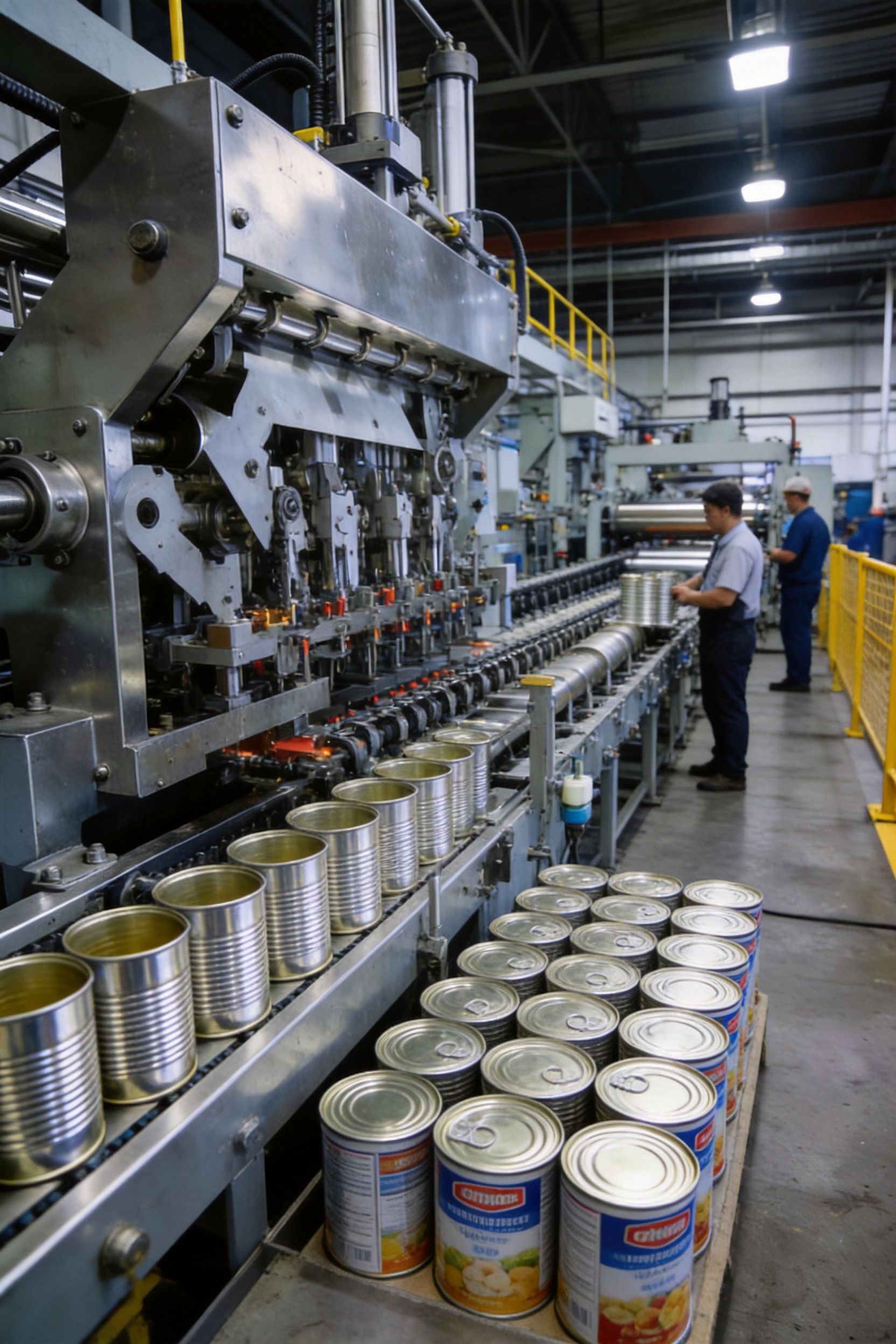
The company’s equipment has been used by can manufacturers and canning factories in many countries and regions. Export markets include countries in Europe, Asia, Africa, North America, South America, and Oceania, such as Germany, Italy, the United Kingdom, Spain, Hungary, Russia, Australia, Jordan, Malaysia, the Philippines, Pakistan, Egypt, Algeria, Turkey, Mexico, Nigeria, Iran, and others. This global experience is significant because machinery must adapt to different production environments and customer expectations.
International use demonstrates that the company’s equipment can serve varied markets, from mature industrial regions to rapidly developing manufacturing economies. Customers in different regions may have different priorities: some focus on automation level, others on durability, spare parts, price-performance ratio, or customization. Experience across these markets helps the manufacturer improve machine design and service practices.
Global recognition also supports buyer confidence. A supplier with a long export record is more likely to understand international communication, packing, shipping, installation guidance, documentation, and after-sales coordination. For buyers investing in a can-making machinery production line, this practical experience can reduce project risk.
Compared with general automation suppliers, a specialized can-making machinery manufacturer offers important advantages. General suppliers may understand motion control, but they may not fully understand tinplate behavior, can dimensions, surface protection, or production line synchronization. The Automatic Feeding Machine benefits from being developed within a company focused on can-making machinery and molds.
Compared with low-cost basic feeders, the GT10B-1 offers a stronger combination of speed, industrial structure, and can-production compatibility. A basic feeder may be cheaper at purchase, but if it causes frequent stoppages, scratches, or operator intervention, the real cost becomes higher. In production equipment, total cost of ownership is often more important than initial price.
Compared with overly complex imported systems, this machine provides a practical balance of performance, maintainability, and customization. Some advanced systems may be expensive to maintain or difficult to adapt to local factory conditions. A practical feeder with strong manufacturing support can deliver high value by combining speed, reliability, and service accessibility.
The company’s long history, CNC machining capability, quality management systems, and complete product portfolio further distinguish it from suppliers that only assemble equipment from outsourced parts. Integrated manufacturing knowledge helps improve consistency and allows engineering feedback to be applied more effectively.
Like all industrial equipment, an Automatic Feeding Machine performs best when maintained properly. Routine maintenance helps preserve feeding accuracy, reduce wear, and prevent unexpected downtime. Operators should keep the machine clean, check moving parts, monitor air supply quality, confirm fastener condition, inspect guiding components, and follow lubrication recommendations.
Cleanliness is particularly important when handling tinplate sheets or coated materials. Dust, oil, metal particles, or coating residue can affect feeding quality and may damage product surfaces. Regular cleaning helps protect both the machine and the materials being processed.
Air supply quality also matters. Pneumatic systems require stable pressure and clean air. Moisture or contamination in compressed air can reduce component life and affect motion consistency. Factories should maintain air filters, dryers, and compressor systems according to their maintenance plans.
Mechanical inspection helps identify wear before it causes failure. High-speed equipment experiences repeated movement, so components should be checked periodically. Early detection of looseness, abnormal sound, vibration, or feeding deviation can prevent larger problems.
Operator discipline is another part of maintenance. Workers should use the machine according to training instructions and avoid forcing materials, bypassing safeguards, or making unauthorized adjustments. A well-trained team can greatly improve equipment reliability.
Automation improves efficiency, but safe operation remains essential. A high-speed feeding machine should be operated by trained personnel who understand its movement areas, utility connections, emergency procedures, and maintenance requirements. Safety management should include clear operating instructions, proper guarding, lockout practices during maintenance, and regular inspection.
Production managers should also coordinate line speed with actual factory conditions. Although the machine can support 600 to 1000 pieces per minute, the best operating speed depends on downstream equipment, material quality, operator experience, and product requirements. Running a line at a stable suitable speed is often better than forcing maximum speed and creating frequent interruptions.
Data tracking can improve management. Factories may record output, downtime causes, material defects, adjustment frequency, and maintenance events. This information helps identify whether feeding issues are related to material supply, operator settings, mechanical wear, or downstream restrictions. Over time, data-based management improves production efficiency.
The main purpose is to deliver sheets or can-related materials to downstream can-making equipment in a stable, high-speed, and organized manner. It reduces manual feeding, improves production rhythm, and supports consistent line operation.
The GT10B-1 Automatic Feeding Machine has an output capacity of 600 to 1000 pieces of sheet per minute, making it suitable for high-speed industrial can production lines.
It supports can diameters from Φ52 mm to Φ99 mm and can heights from 95 mm to 220 mm, allowing it to serve a wide range of tinplate can production applications.
Automatic feeding reduces operator fatigue, improves feeding consistency, lowers the risk of material damage, supports higher line speed, and reduces interruptions caused by human handling variation.
Yes. Its adaptable size range and the manufacturer’s engineering capability make it suitable for OEM and ODM projects where customers may require specific production configurations or integration requirements.
It can reduce labor demand, minimize material damage, improve downstream equipment utilization, reduce downtime, and control utility costs through efficient power and air consumption.
It is suitable for can manufacturers producing food cans, beverage cans, milk powder cans, aerosol cans, chemical tanks, tinplate containers, and related can products.
The manufacturer provides installation, commissioning, technical guidance, operation training, and spare parts support, helping customers establish stable production after equipment delivery.
CNC high-precision machining improves component accuracy, assembly consistency, movement stability, and equipment durability, all of which are important for high-speed automatic feeding.
Its competitiveness comes from high-speed capacity, wide can size compatibility, efficient utility use, strong manufacturing background, ISO-certified management systems, OEM/ODM flexibility, and decades of can-making machinery experience.
The Automatic Feeding Machine is a critical part of modern can manufacturing. By improving material flow, reducing manual handling, protecting sheet quality, and supporting high-speed production, it helps manufacturers create more efficient and reliable can-making operations. The GT10B-1 model, with its 600 to 1000 pieces per minute capacity, Φ52 to Φ99 mm can diameter range, 95 to 220 mm can height range, 2 kW power demand, and 50 L/min air consumption, offers a strong balance of speed, versatility, and practicality.
Its value is not limited to one machine function. It contributes to the performance of complete can-making machinery production lines, including food can lines, beverage can lines, milk powder can lines, aerosol can lines, chemical tank lines, tin can welding systems, cutting systems, lid-end making systems, and tinplate can production lines. When integrated properly, it helps reduce bottlenecks, improve quality stability, and strengthen production planning.
Behind the product is a manufacturer with decades of specialization in can-making machinery and molds, advanced CNC machining capability, more than 350 trained personnel, ISO9001 and ISO14001 certifications, and global export experience. These strengths support not only machine production but also customization, installation, commissioning, training, and long-term service.
For can manufacturers seeking greater efficiency, lower operating risk, better material handling, and stronger production consistency, the Automatic Feeding Machine is a practical and strategic investment. In an industry where speed, quality, and reliability determine competitiveness, stable automatic feeding provides the foundation for a more advanced and profitable production line.
1. Groover, M. P. Automation, Production Systems, and Computer-Integrated Manufacturing. Pearson Education.
2. Kalpakjian, S., and Schmid, S. R. Manufacturing Engineering and Technology. Pearson Education.
3. Soroka, W. Fundamentals of Packaging Technology. Institute of Packaging Professionals.
4. Yam, K. L. The Wiley Encyclopedia of Packaging Technology. Wiley.
5. International Organization for Standardization. ISO9001 Quality Management Systems: Requirements.
6. International Organization for Standardization. ISO14001 Environmental Management Systems: Requirements with Guidance for Use.
7. Can manufacturing industry technical manuals on tinplate handling, three-piece can production, and high-speed feeding systems.
Related Products

Founded in 1978, the company is one of the largest can-making machinery well-known companies at home and abroad.
Product Categories
Contact Information
Zhongshatou Shenjiamen Zhoushan Zhejiang China
+86-580-3056646

 English
 中文简体
中文简体
 русский
 عربى
عربى
 Español