2026-02-25
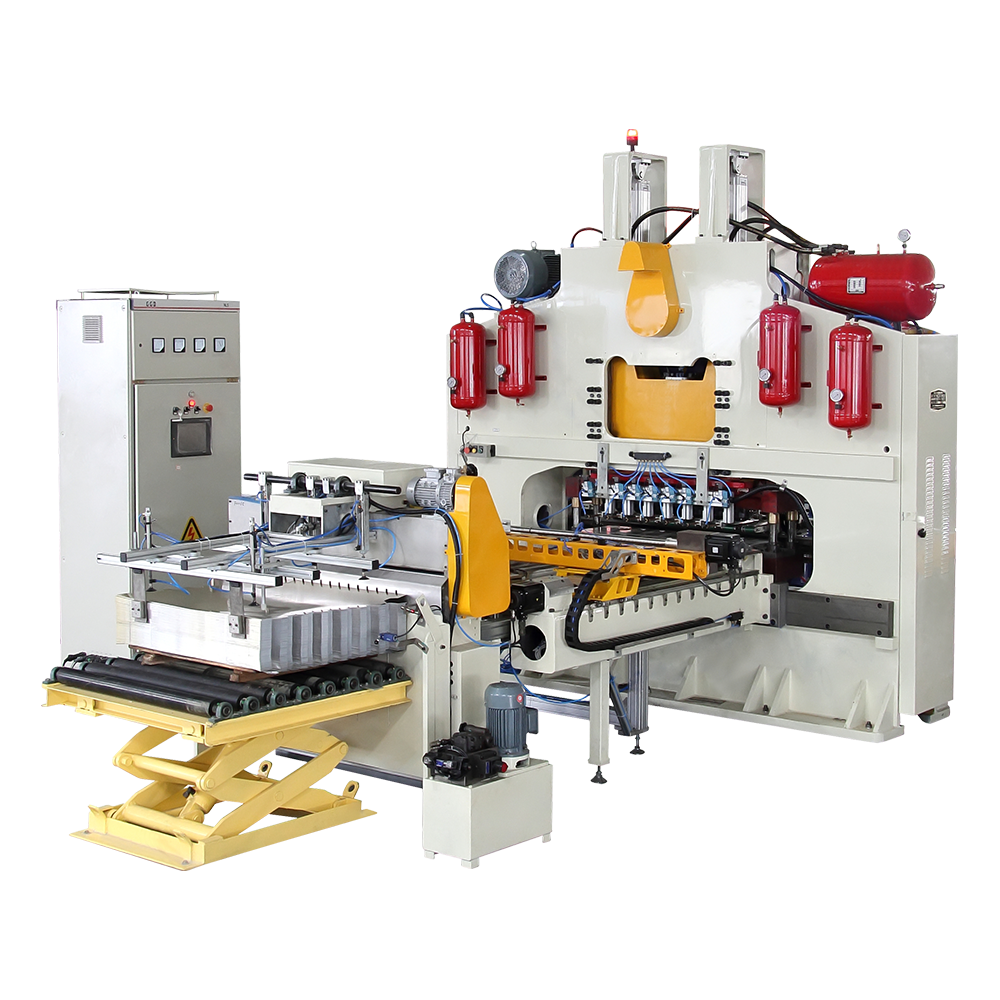
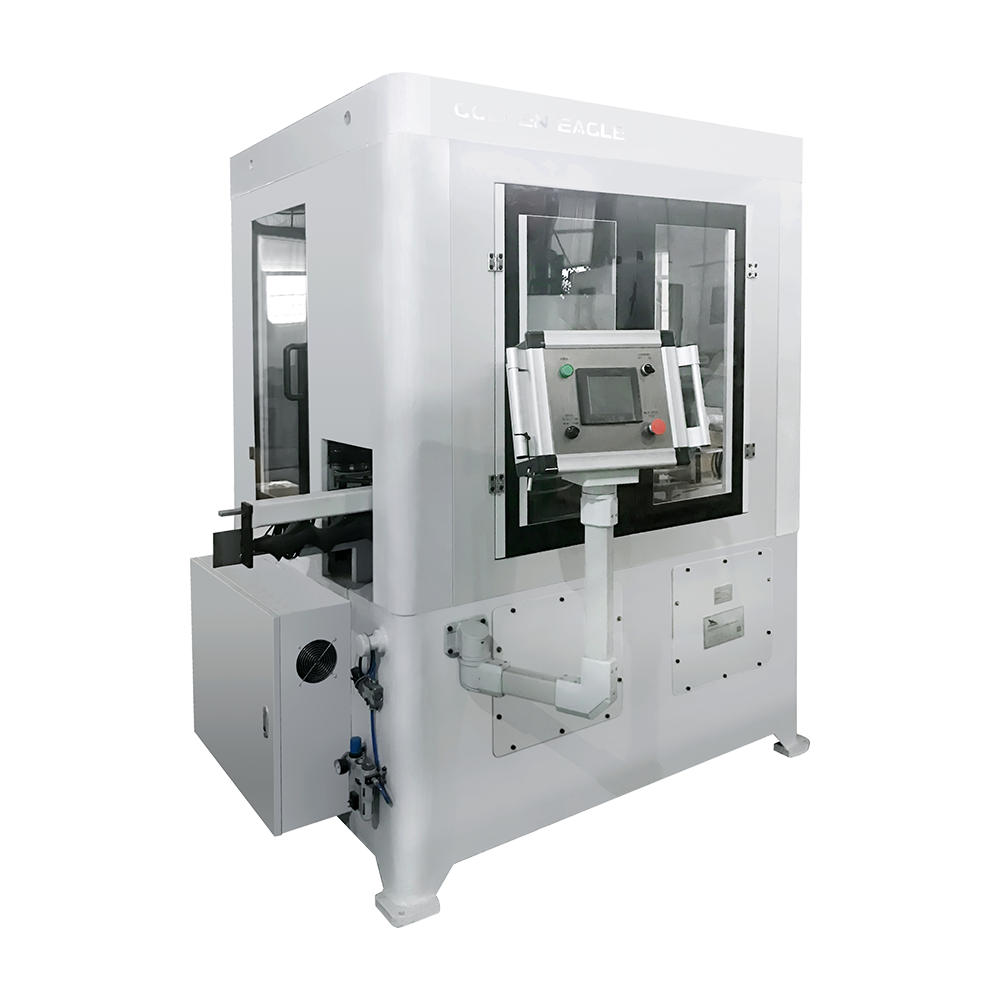
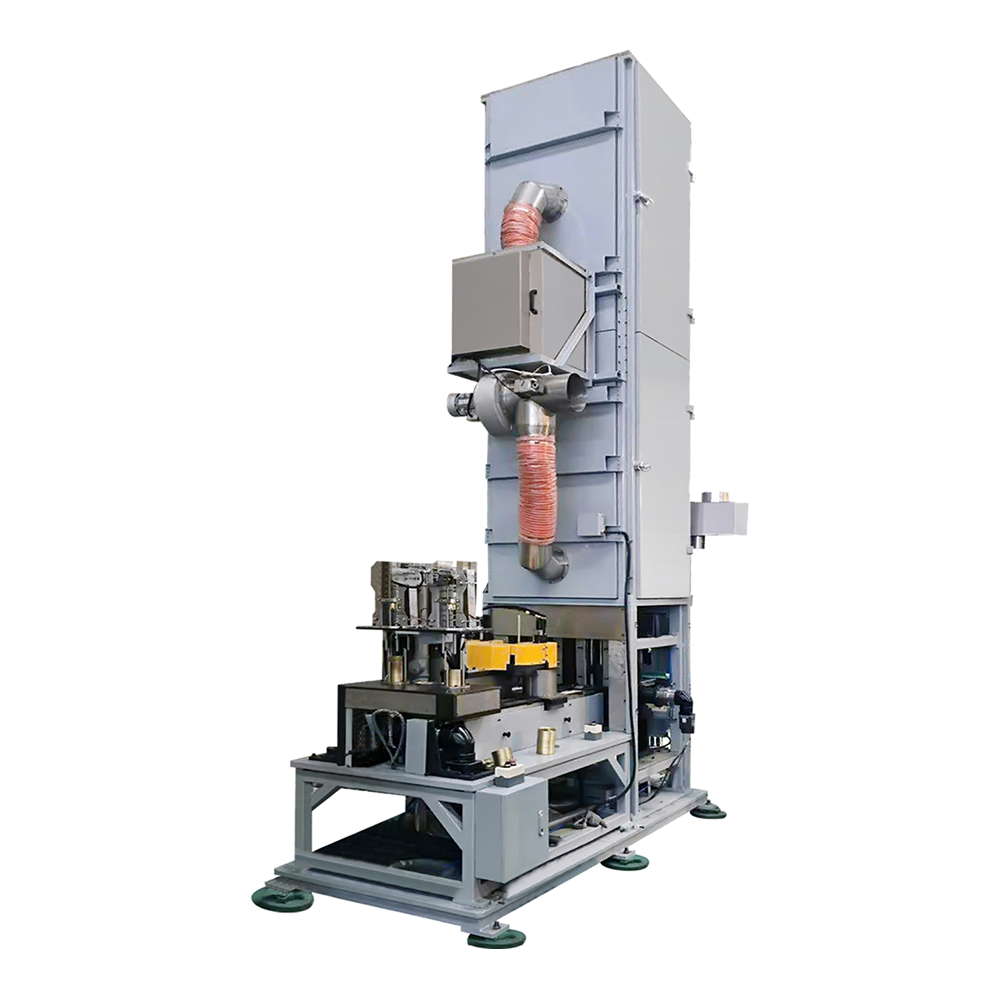
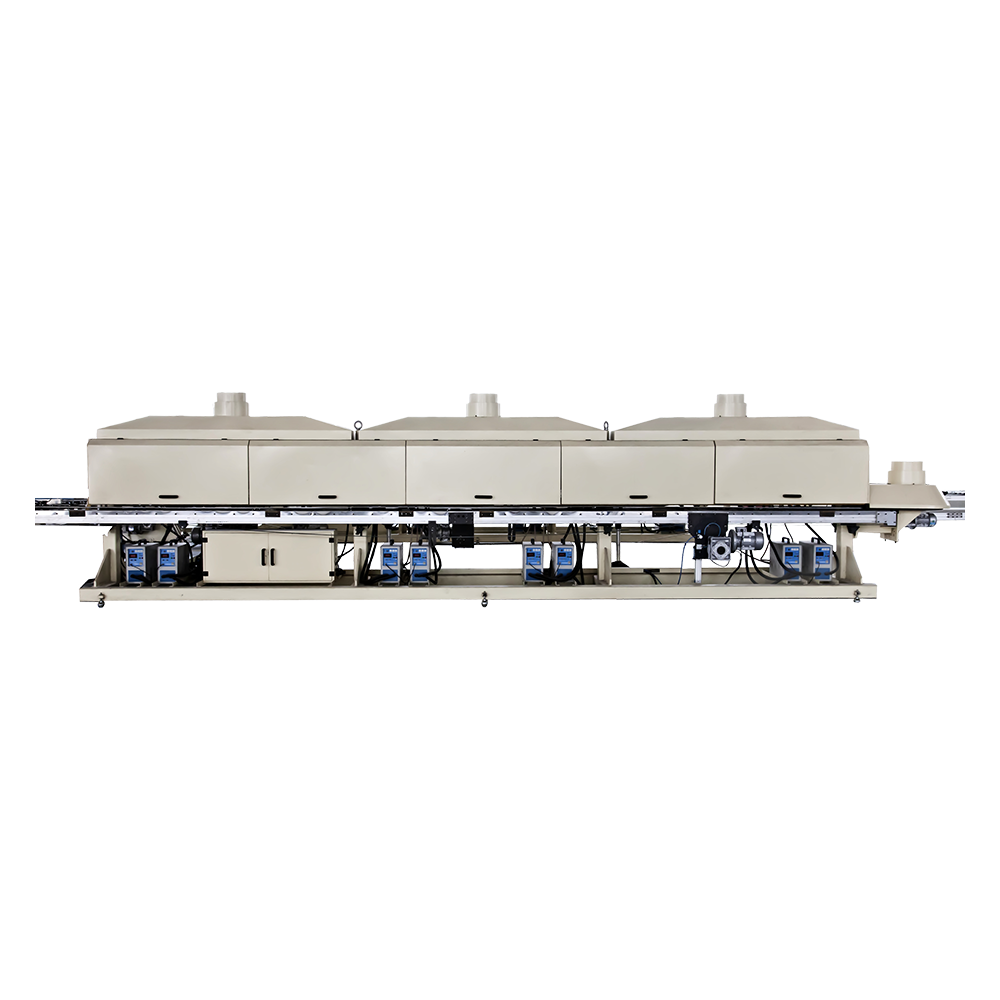
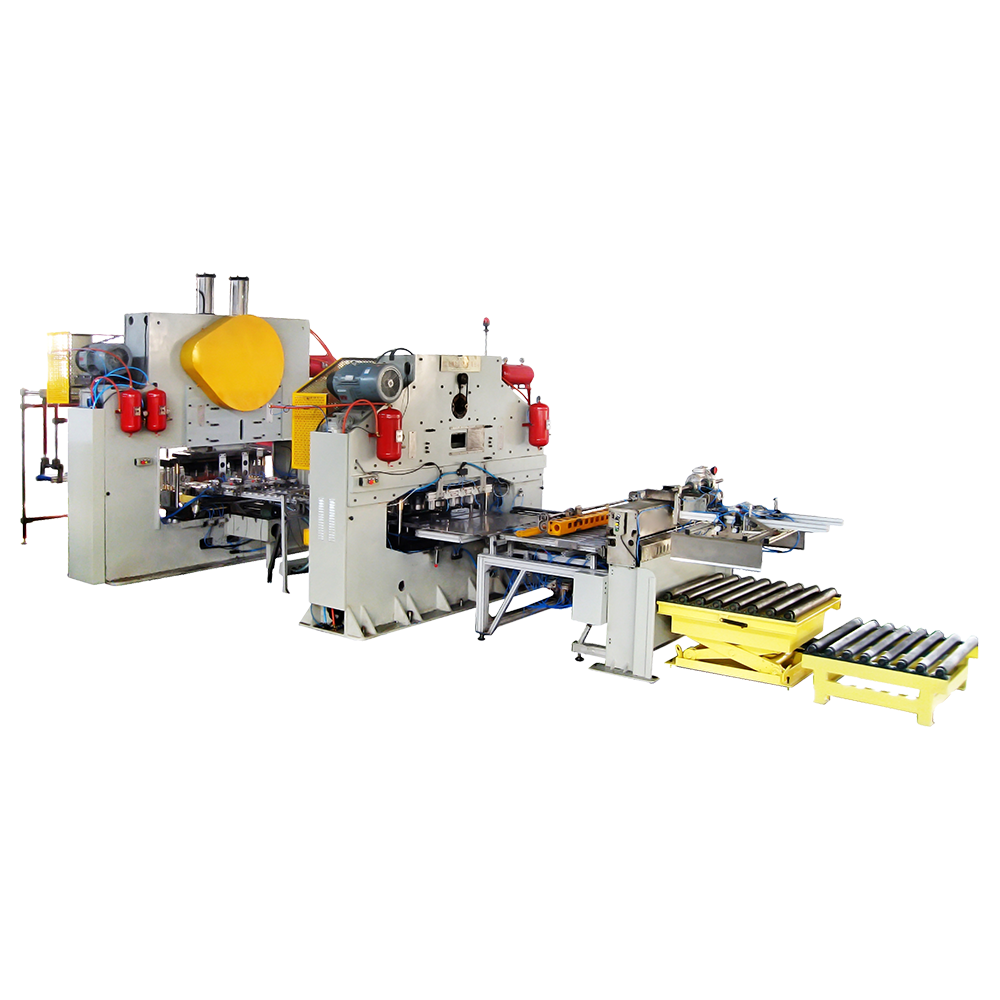
The global food and beverage industry is in a constant state of evolution, driven by rising consumer demand for safe, fresh, and conveniently packaged products. Canned foods—from fruits and vegetables to soups, sauces, and ready-to-eat meals—remain a staple in households worldwide, thanks to their long shelf life and portability. However, the production of high-quality cans requires precision-engineered machinery that balances speed, efficiency, and cost-effectiveness. Among the critical equipment in can manufacturing lines, the necking flanging beading can making machine stands out as a transformative solution, integrating three essential processes into one automated system. This article explores the capabilities of this advanced machine, its competitive advantages over traditional alternatives, the manufacturing expertise behind its design, and real-world applications that have reshaped production lines globally.
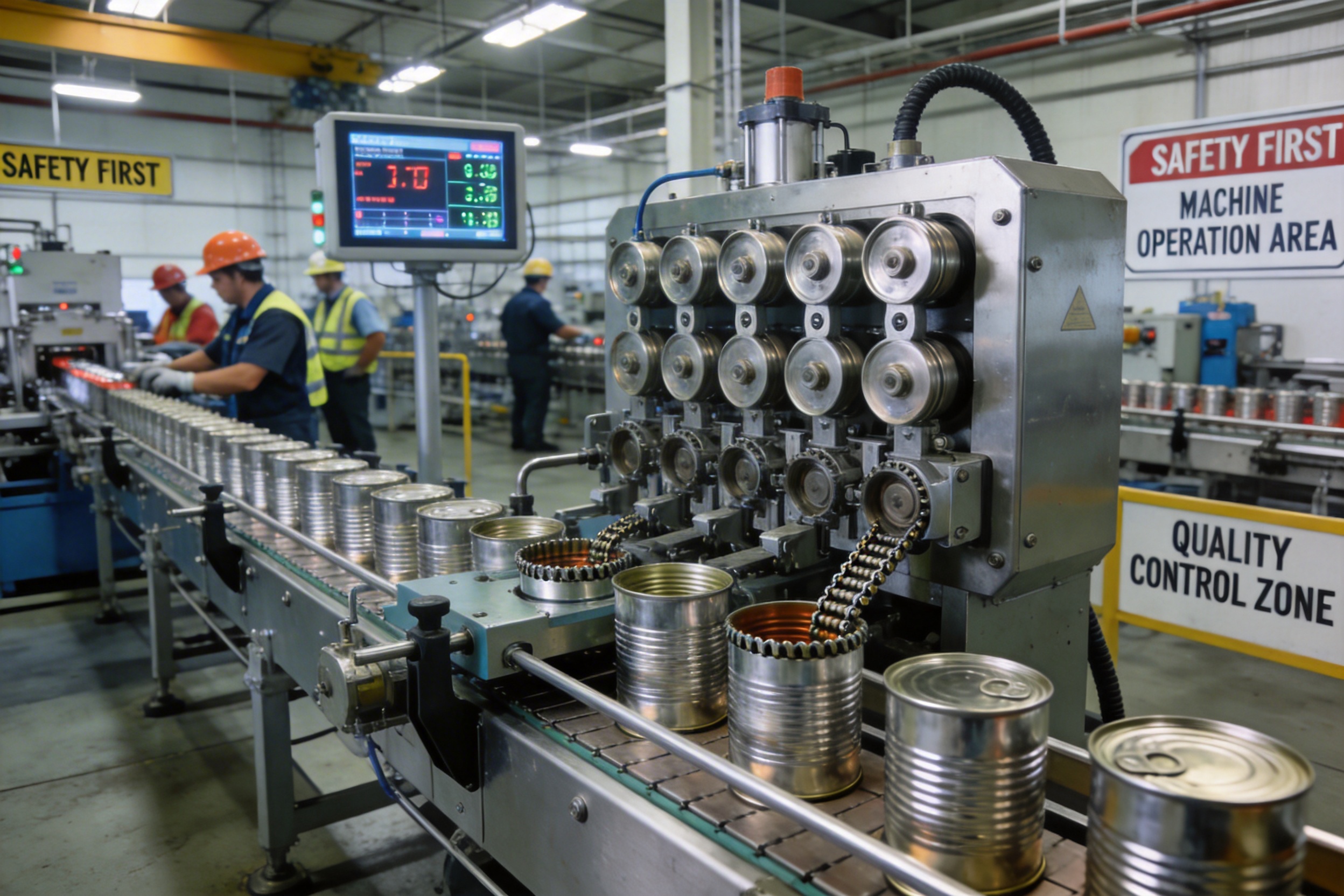
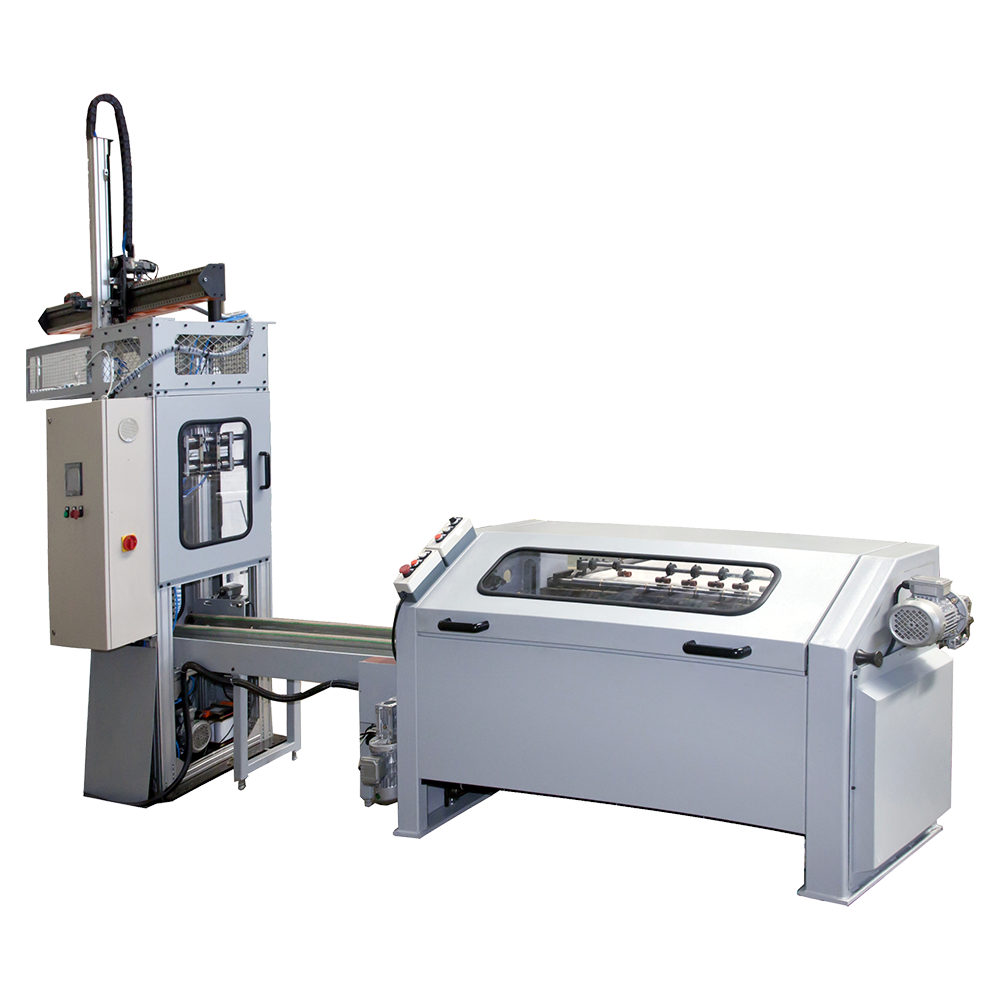
To appreciate the machine’s value, it is essential to break down its core functions and how they streamline can production. Unlike traditional setups that use separate machines for each process, this integrated system combines necking, flanging, and beading into a single, continuous line—eliminating downtime, reducing labor costs, and minimizing defects.
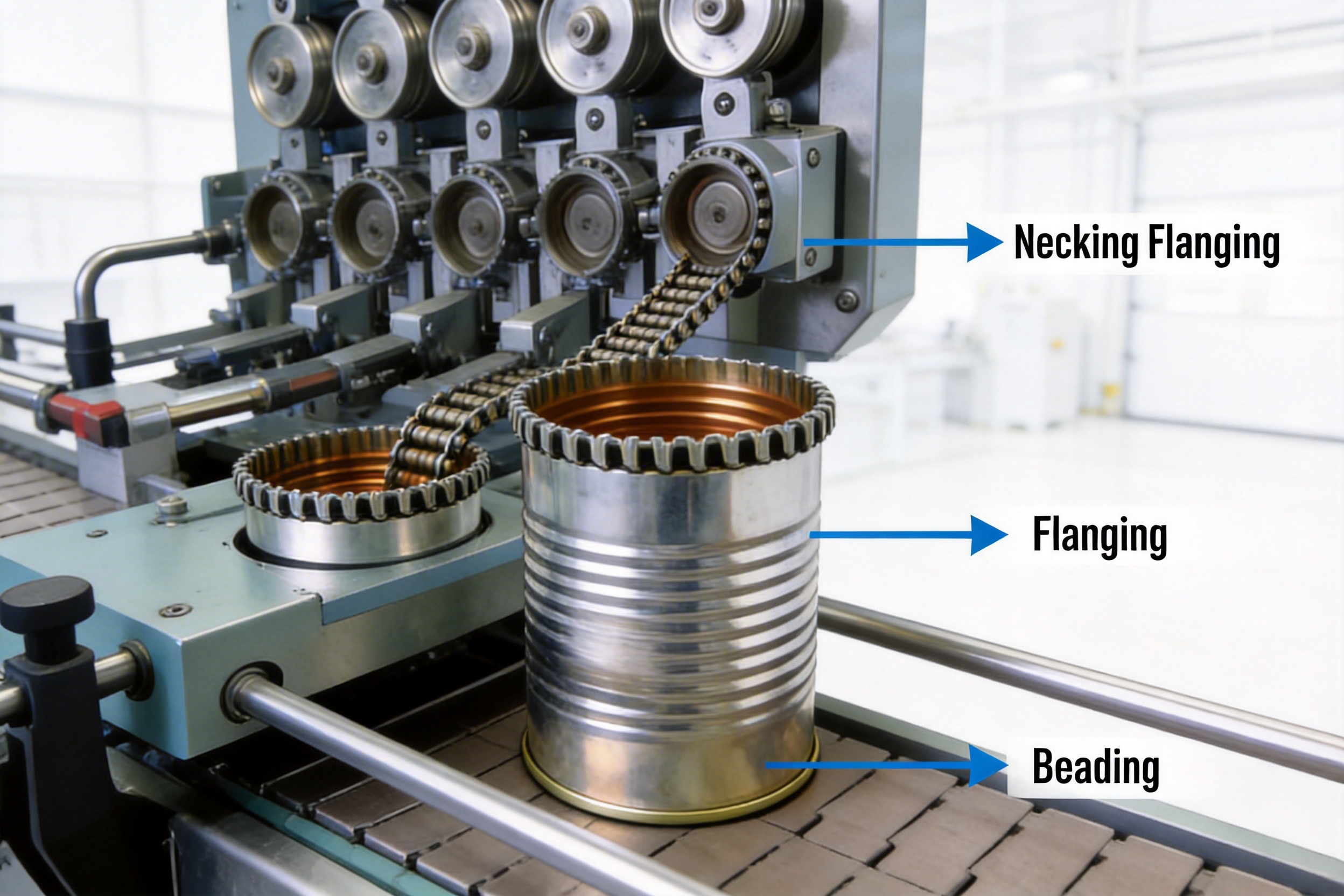
Necking is the process of reducing the diameter of the can’s top edge to create a narrow, uniform neck that fits the lid. This step is critical for ensuring an airtight seal, which preserves the freshness and safety of canned food. Traditional necking machines often rely on manual adjustments for different can sizes, leading to inconsistencies and defects. In contrast, modern necking flanging beading machines use precision CNC controls to achieve uniform necking across a wide range of can diameters (from 52mm to 153mm), with tolerances as low as 0.01mm. This precision ensures that every can lid fits perfectly, reducing seal failures to less than 0.1%.
Flanging involves bending the necked edge of the can outward to form a smooth, consistent lip that matches the lid’s design. This lip is essential for the seaming process, which attaches the lid to the can. The machine’s flanging unit uses high-precision rollers to create a uniform flange, even for different can heights (ranging from 60mm to 270mm). Unlike older machines that produce uneven flanges (leading to seal leaks or lid misalignment), this automated process minimizes defects and ensures compliance with food safety standards.
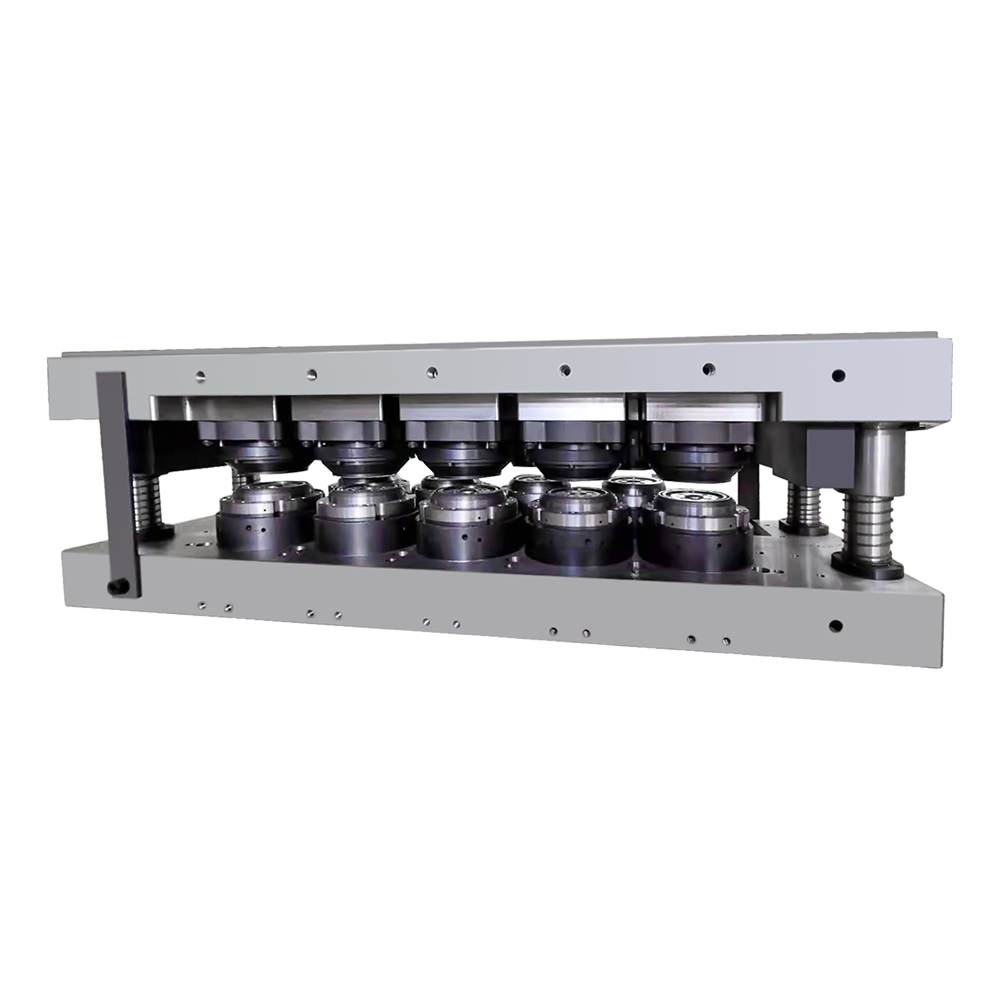
Beading is the process of creating small indentations (beads) around the can’s body, just below the flange. These beads serve two key purposes: they increase the can’s structural strength (preventing dents during transport and storage) and improve its aesthetic appeal. The machine’s beading unit uses adjustable tools to create uniform beads, even for varying can heights. For example, the GT3B53 series supports beading for cans up to 160mm in height, while the GT3B42 series handles larger cans up to 270mm. This flexibility allows manufacturers to produce a wide range of can sizes without retooling the entire line.
To illustrate the machine’s versatility, the following table outlines the key specifications of its most popular models:
| Model | Head Count | Core Functions | Can Diameter Range | Can Height Range | Output Capacity (Cans per Minute) | Total Power Consumption |
|---|---|---|---|---|---|---|
| GT3B53-NFB-1 | 8-Head | Necking, Flanging, Beading | Φ52–99mm | H60–160mm (Beading: H135mm) | 200–550cpm | 7.5kW |
| GT3B53-NFB (10-Head) | 10-Head | Necking, Flanging, Beading | Φ52–73mm | H60–160mm (Beading: H135mm) | 450–650cpm | 7.5kW |
| GT3B42-NFB-1 | 3-Head | Necking, Flanging, Beading | Φ99–153mm | H150–270mm | 20–100cpm | 7.5kW |
| GT3B53-FBS-5 | 8-Head | Flanging, Beading, Seaming | Φ52–99mm | H60–160mm (Beading: H135mm) | 200–550cpm | 7.5kW |
| GT3B42-FBS-1 | 3-Head | Flanging, Beading, Seaming | Φ99–153mm | H110–220mm | 20–180cpm | 7.5kW |
In a crowded market, this machine stands out due to its unique combination of features that address key pain points for can manufacturers. Below are its most significant advantages over competing solutions:
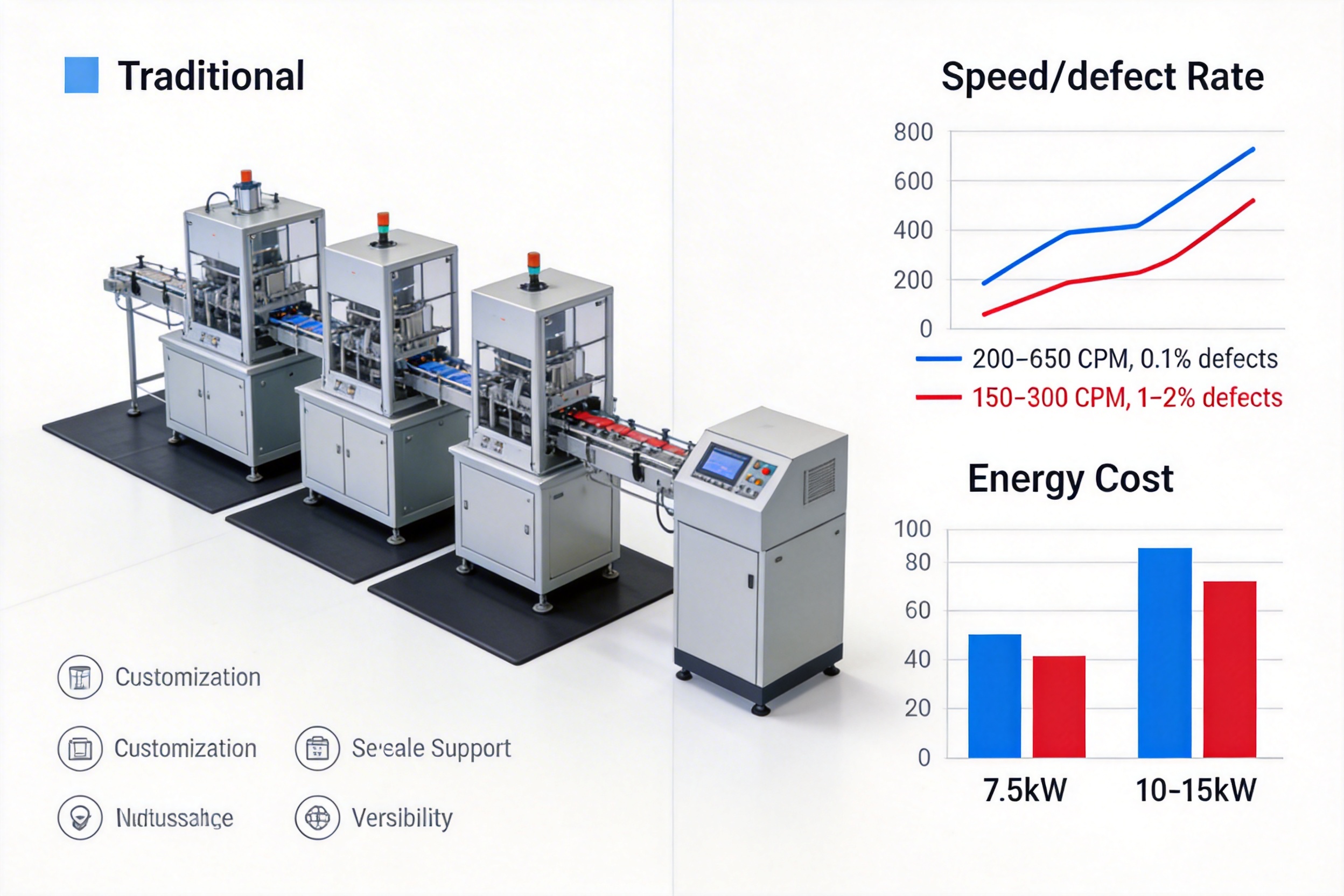
Many competing machines only perform one or two of the three core processes, requiring manufacturers to invest in separate equipment and allocate additional floor space. This machine integrates all three processes into a single line, reducing capital expenditure by up to 40% and floor space requirements by 30%. Additionally, the integrated design eliminates downtime associated with transferring cans between machines, increasing overall production efficiency by 25%.
Speed is a critical factor in can production, especially for large-scale manufacturers. The machine’s 8-head and 10-head models deliver output speeds ranging from 200cpm to 650cpm—far exceeding the industry average of 150–300cpm for comparable integrated machines. What’s more, the precision CNC controls ensure that each can is processed with the same level of accuracy, reducing defect rates to less than 0.1% (compared to the industry average of 1–2%).
Energy costs are a major expense for manufacturing facilities. This machine uses only 7.5kW of total power, regardless of the model—significantly lower than competing machines that often require 10–15kW for similar output. For a manufacturer running two 8-hour shifts per day, this translates to annual energy savings of approximately $12,000 (based on an average industrial electricity rate of $0.15/kWh). This efficiency also aligns with global sustainability goals, reducing the carbon footprint of can production lines.
The machine supports a wide range of can sizes, from small 52mm diameter cans (ideal for single-serve food products) to large 153mm diameter cans (used for bulk food items). It also works seamlessly with both tin and tinplate materials—common in food can production—without requiring major retooling. This versatility allows manufacturers to adapt quickly to changing market demands, such as introducing new product lines or adjusting can sizes for seasonal promotions.
Every can manufacturer has unique needs, whether it’s a specific can size, output speed, or integration with existing production lines. The machine’s manufacturer offers comprehensive OEM/ODM services, allowing customers to customize the machine to their exact specifications. This includes adjusting head counts, modifying can size ranges, and integrating the machine with other equipment (such as seaming machines or labeling lines). This level of customization is rare among competitors, who often offer only off-the-shelf solutions.
Investing in industrial machinery is a long-term commitment, and reliable after-sales support is essential. The manufacturer provides end-to-end support, including: - On-site installation and commissioning by trained technicians; - Comprehensive operator training (both theoretical and practical); - 24/7 technical support via phone and email; - Fast delivery of spare parts (usually within 7–10 days); - Regular maintenance check-ups to ensure optimal performance. This support ensures that manufacturers minimize downtime and maximize the lifespan of their machines.
The necking flanging beading machine’s performance is a direct result of the manufacturer’s decades of experience and commitment to innovation. With over 46 years in the can making machinery industry, the company has refined its processes to deliver high-quality, reliable equipment that meets global standards.
Founded in 1978, the company began as a small food machinery factory and has grown into one of the world’s leading can making machinery manufacturers. Over the years, it has produced more than 10,000 pieces of can and can lid equipment, serving customers in over 50 countries across Europe, Asia, Africa, North America, South America, and Oceania. This extensive experience has allowed the company to identify and address common pain points in can production, leading to continuous improvements in its machinery.
The company’s R&D team consists of over 50 professional engineers and designers, who are dedicated to developing cutting-edge machinery. The design principles are based on those of leading European manufacturers (such as KRUPP, SOUDRONIC, and ALFONS-HAAR) but are adapted to local manufacturing needs and improved through years of practical experience. This combination of global best practices and local expertise ensures that the machines are both high-performance and cost-effective.
Recent innovations include: - AI-powered predictive maintenance systems that alert operators to potential issues before they cause downtime; - Adjustable head counts that allow manufacturers to switch between production speeds quickly; - Eco-friendly lubrication systems that reduce waste and improve worker safety.
The company uses advanced CNC high-precision machining equipment and complete mechanical machining lines to produce its machinery. These tools ensure that every component is manufactured to exact specifications, with tolerances as low as 0.01mm. This precision is critical for the machine’s performance, as even minor deviations can lead to defects or reduced efficiency.
The company’s commitment to quality is reflected in its certifications: it is ISO 9001 (quality management system) and ISO 14001 (environmental management system) certified. These certifications ensure that the machines meet global standards for safety, reliability, and sustainability. Additionally, the company conducts rigorous testing of every machine before it leaves the factory, including: - Performance testing (to verify output speed and defect rates); - Durability testing (to ensure the machine can handle 24/7 operation); - Safety testing (to comply with OSHA and EU safety standards).
While the company is based in China, it has a global presence with local offices and distributors in key markets (such as Germany, Italy, the UK, Australia, and Malaysia). This local support ensures that customers receive timely assistance, regardless of their location. The company also participates in international trade shows (such as the ACHEMA in Germany and the China International Import Expo) to showcase its latest machinery and connect with customers worldwide.
To demonstrate the machine’s impact, let’s look at two case studies from different regions:
A leading German food can manufacturer was facing challenges with its outdated production line, which included three separate machines for necking, flanging, and beading. The line had a high defect rate (2.5%) and required frequent maintenance, leading to 15% downtime per month. The manufacturer decided to replace the line with the 8-head GT3B53-NFB-1 machine.
Results after 6 months: - Defect rate reduced to 0.08%; - Downtime reduced to 2% per month; - Production speed increased from 150cpm to 250cpm; - Annual energy savings of €10,000 (≈$11,000); - Floor space reduced by 35%.
The manufacturer’s production manager stated: “This machine has completely transformed our line. We now produce more cans with fewer defects, and our energy costs are significantly lower. The after-sales support has also been excellent—any issues are resolved within hours.”
A Malaysian beverage can plant needed to increase its production capacity to meet the growing demand for canned fruit juices. The plant was using a 6-head machine with an output of 300cpm, which was insufficient to meet peak demand. The plant invested in the 10-head GT3B53-NFB machine.
Results after 1 year: - Output speed increased to 600cpm (a 100% increase); - Ability to produce 20% more cans during peak seasons; - Defect rate reduced from 1.2% to 0.15%; - Integration with the plant’s existing seaming line was seamless.
The plant’s operations director commented: “The 10-head machine has allowed us to meet our production targets without expanding our facility. The customization options were also key—we were able to adjust the can size range to include our new 73mm diameter cans for single-serve juices.”
Below are answers to common questions about the necking flanging beading can making machine:
A: The machine supports can diameters ranging from 52mm to 153mm, depending on the model. For example, the GT3B42 series handles larger cans (99–153mm), while the GT3B53 series handles smaller to medium cans (52–99mm).
A: Yes, the manufacturer offers OEM/ODM customization services. This includes adjusting the can size range, head count, and output speed to meet your specific needs. Customization typically takes 4–6 weeks.
A: The machine requires regular maintenance to ensure optimal performance: - Daily: Clean the machine and check for loose components; - Weekly: Lubricate moving parts and inspect the CNC controls; - Monthly: Replace worn tools (such as rollers) and conduct a full performance test; - Annual: Overhaul the machine and replace any aging components.
A: Yes, the company provides comprehensive operator training, including both theoretical (machine operation, safety protocols) and practical (hands-on training) sessions. Training can be conducted on-site or at the company’s facility in China.
A: All machines are ISO 9001 and ISO 14001 certified. They also comply with OSHA (US) and CE (EU) safety standards.
A: The machine comes with a 1-year warranty for parts and labor. Extended warranties (up to 3 years) are available for an additional cost.
A: Yes, the machine is designed to work with both tin and tinplate materials without requiring major retooling. The rollers and tools are adjustable to accommodate the thickness of different materials.
A: The standard lead time for off-the-shelf models is 4–6 weeks. For customized models, the lead time is 6–8 weeks.
1. Grand View Research, Inc. (2024). Global Can Making Machinery Market Report 2024–2032. San Francisco, CA: Grand View Research.
2. Smith, J. (2023). Advances in Food Packaging Technology: Trends and Innovations. John Wiley & Sons: Hoboken, NJ.
3. International Organization for Standardization (2022). ISO 9001:2015 Quality Management Systems—Requirements. Geneva, Switzerland: ISO.
4. Zhejiang Golden Eagle Food Machinery Co., Ltd. (2023). Case Study: Efficiency Improvements in German Food Can Production. Zhoushan, China: Zhejiang Golden Eagle Food Machinery Co., Ltd.
5. Malaysian Beverage Association (2024). Annual Report: Beverage Production Trends in Malaysia. Kuala Lumpur, Malaysia: Malaysian Beverage Association.
The necking flanging beading high-performance can making machine is a testament to the evolution of can production technology. Its integrated design, high-speed performance, energy efficiency, and customization options make it a top choice for food and beverage manufacturers worldwide. Backed by over 46 years of manufacturing expertise, ISO certifications, and robust after-sales support, this machine not only meets but exceeds the demands of modern can production lines.
As the global food and beverage industry continues to grow, the need for efficient, reliable, and sustainable packaging solutions will only increase. This machine is well-positioned to lead the way, helping manufacturers reduce costs, increase output, and deliver high-quality canned products to consumers around the world.
Related Products

Founded in 1978, the company is one of the largest can-making machinery well-known companies at home and abroad.
Product Categories
Contact Information
Zhongshatou Shenjiamen Zhoushan Zhejiang China
+86-580-3056646

 English
 中文简体
中文简体
 русский
 عربى
عربى
 Español