2026-04-22
The global food and beverage industry relies heavily on efficient, reliable packaging solutions to meet consumer demand for convenience and freshness. Among the critical components of can packaging, Easy-Open End (EOE) lids stand out as a key innovation, allowing consumers to open cans without tools while maintaining product integrity. At the heart of producing these lids are EOE lid making machines—advanced systems that combine precision engineering, automation, and scalability to deliver high-quality results. This article explores the technology behind modern EOE lid making machines, their advantages over traditional models, the manufacturing processes that ensure their performance, and answers common questions about their use in the industry.
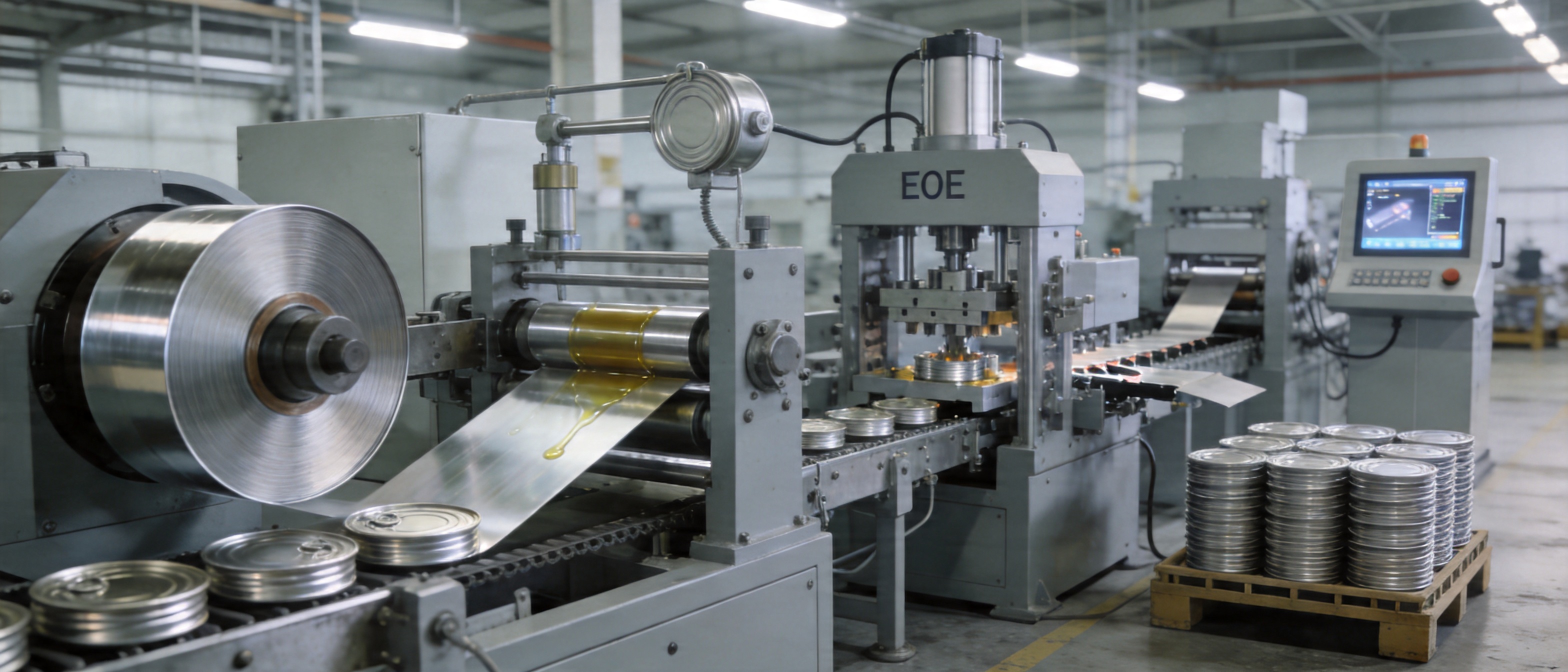
EOE lid making machines are specialized industrial equipment designed to mass-produce easy-open ends for tin, tinplate, and aluminum cans. These machines transform flat tinplate sheets into finished EOE lids, which feature a pull tab and a scored rim for easy opening. The primary purpose of these machines is to streamline the production process, reduce manual labor, and ensure consistency in lid quality—critical factors for food and beverage manufacturers who need to meet strict safety and hygiene standards.
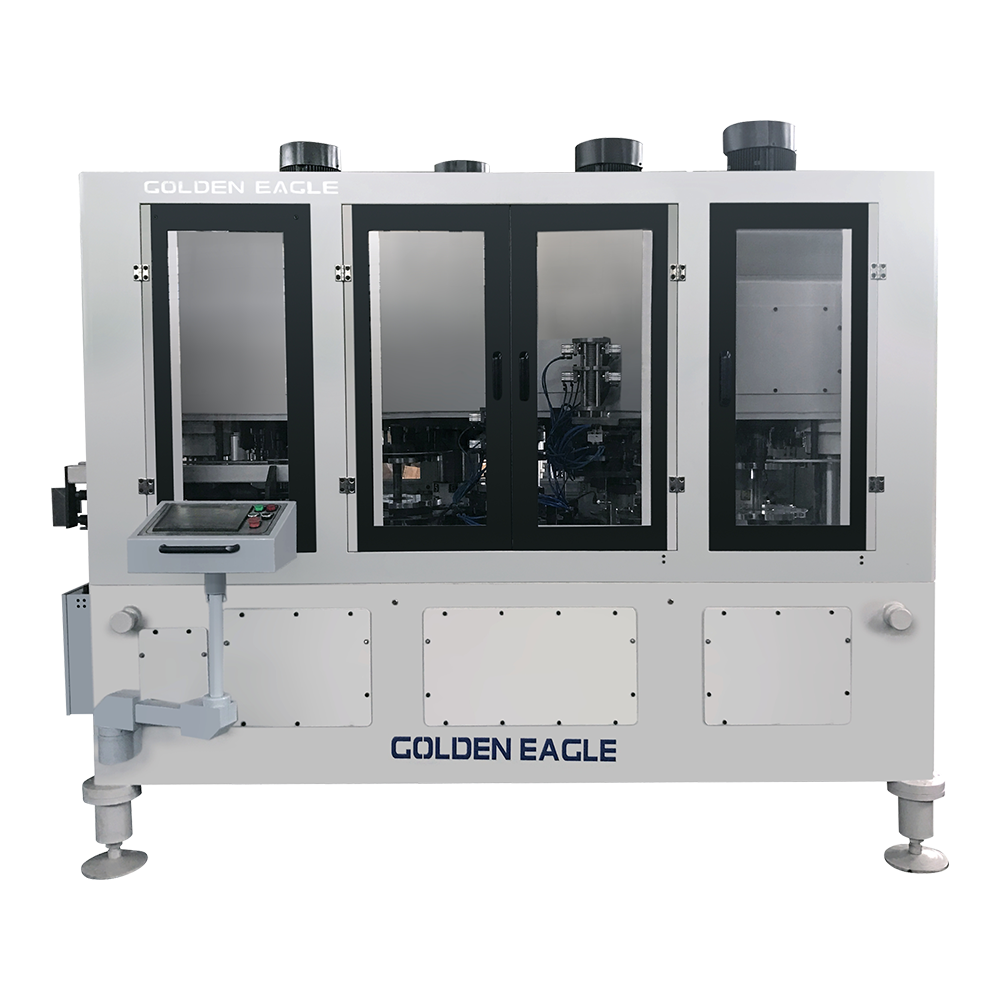
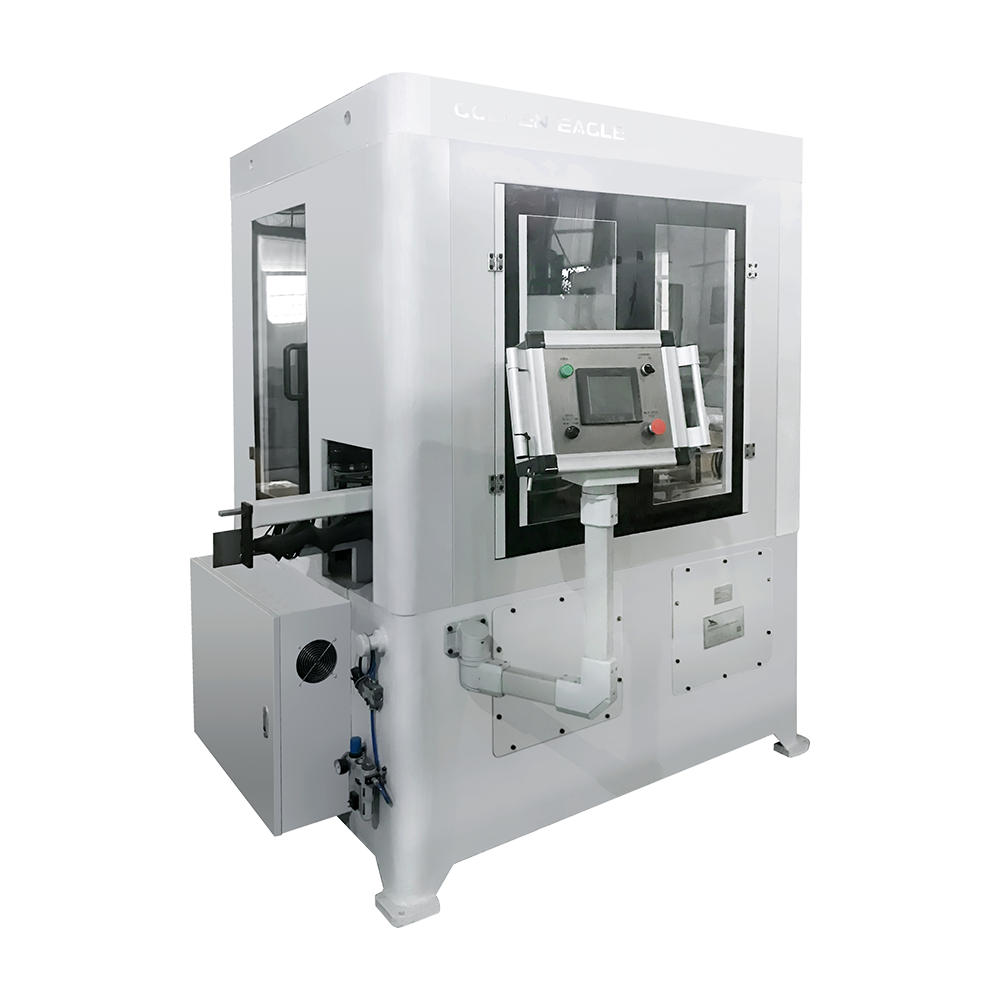
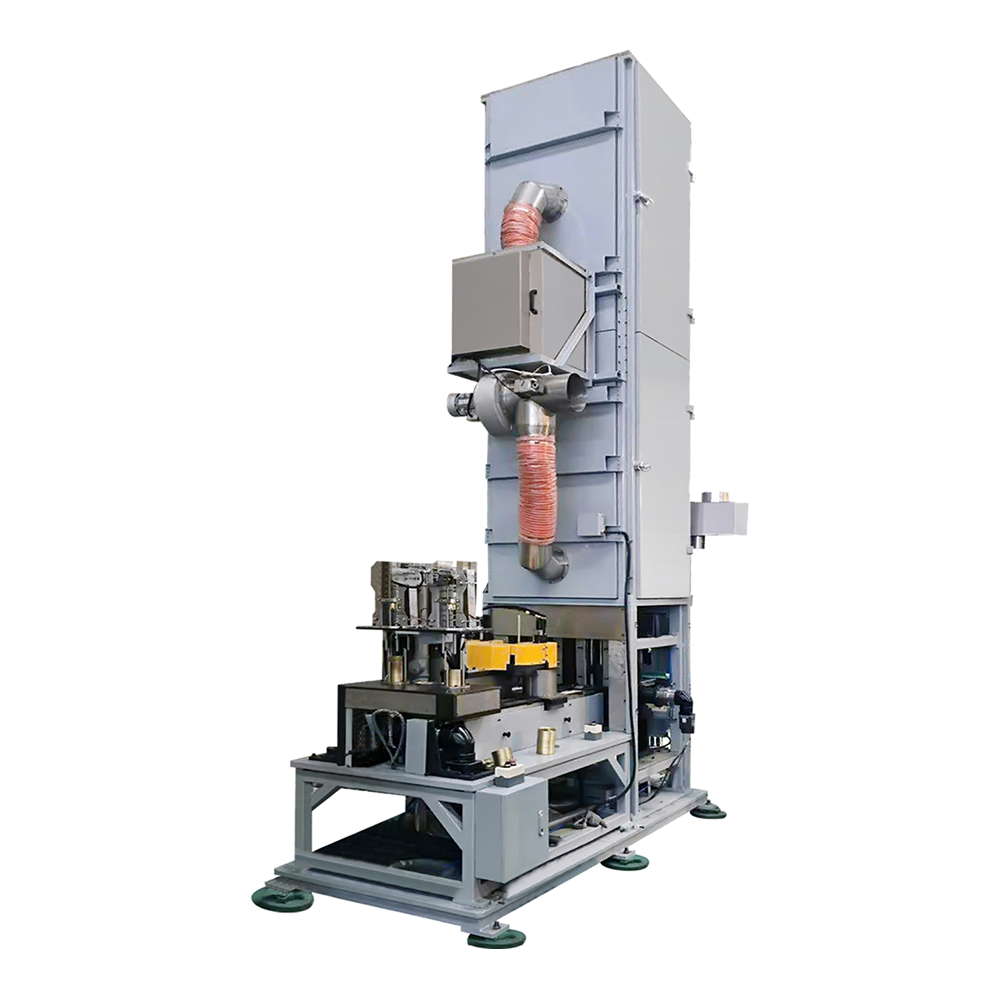
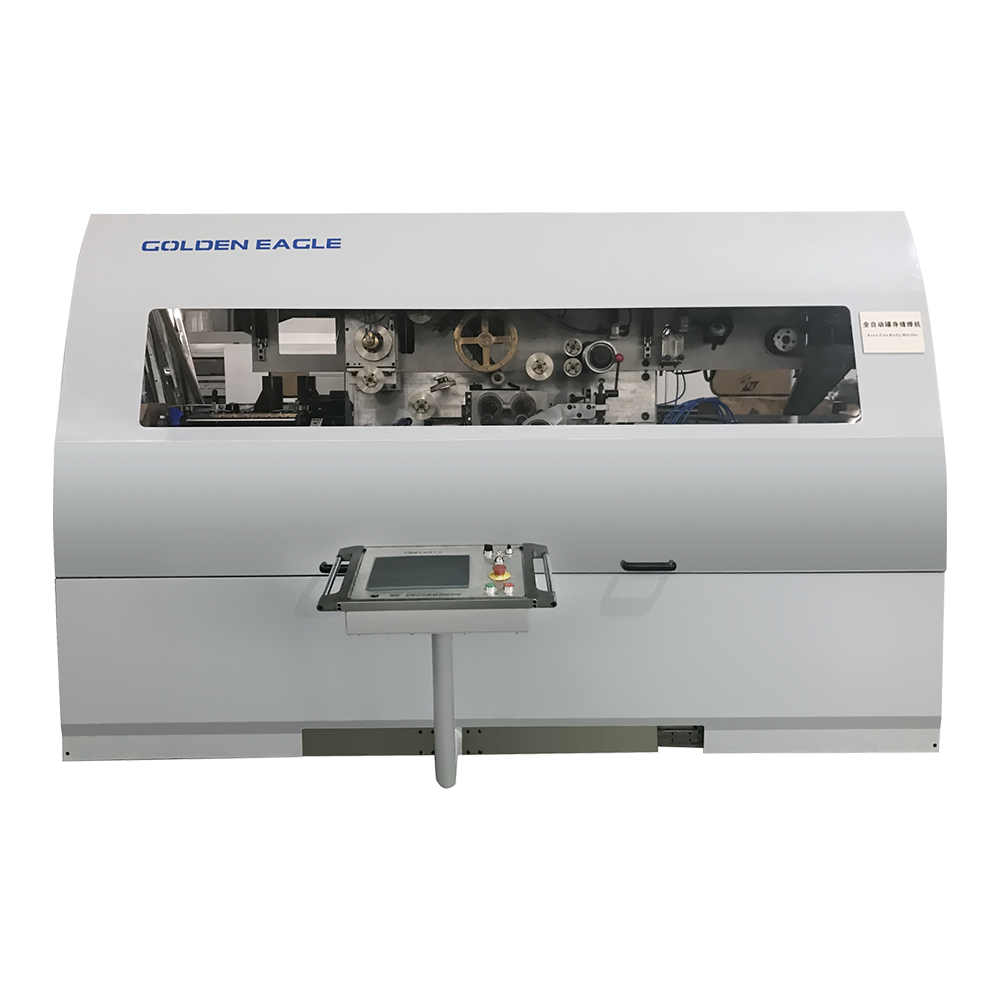
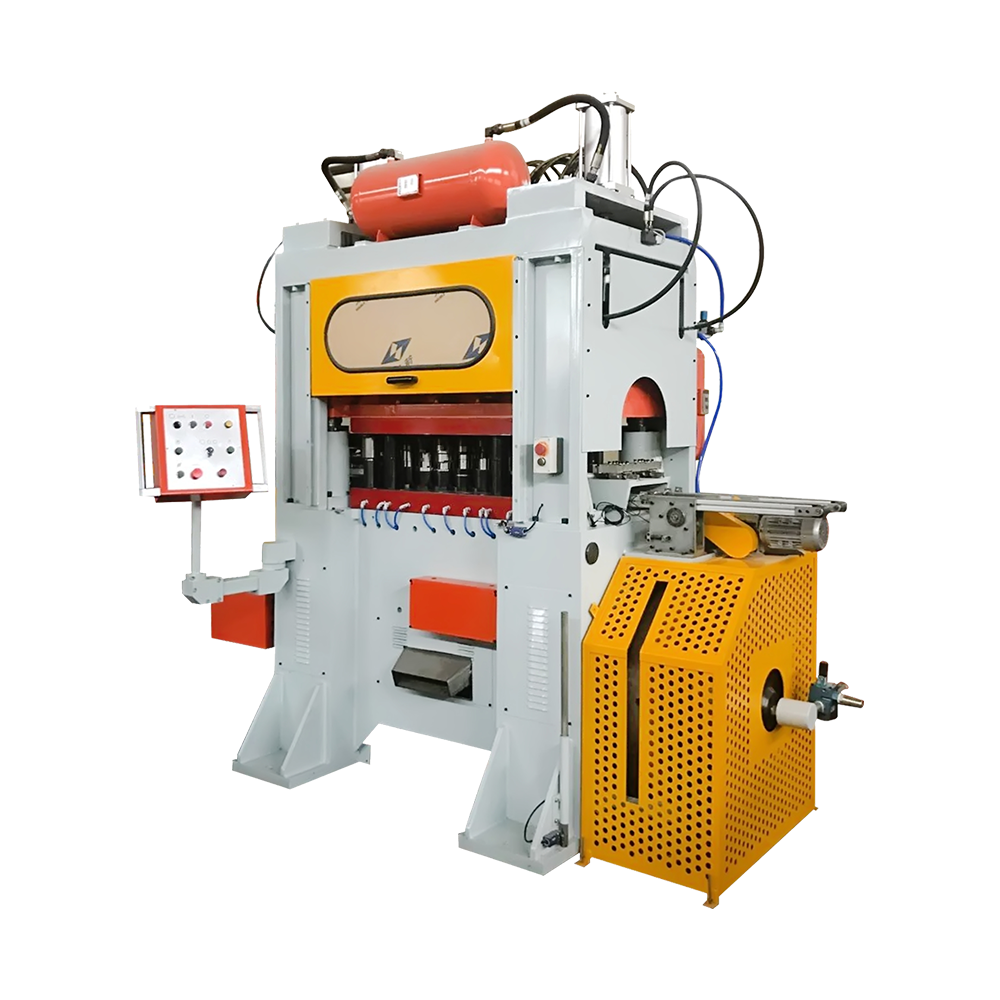
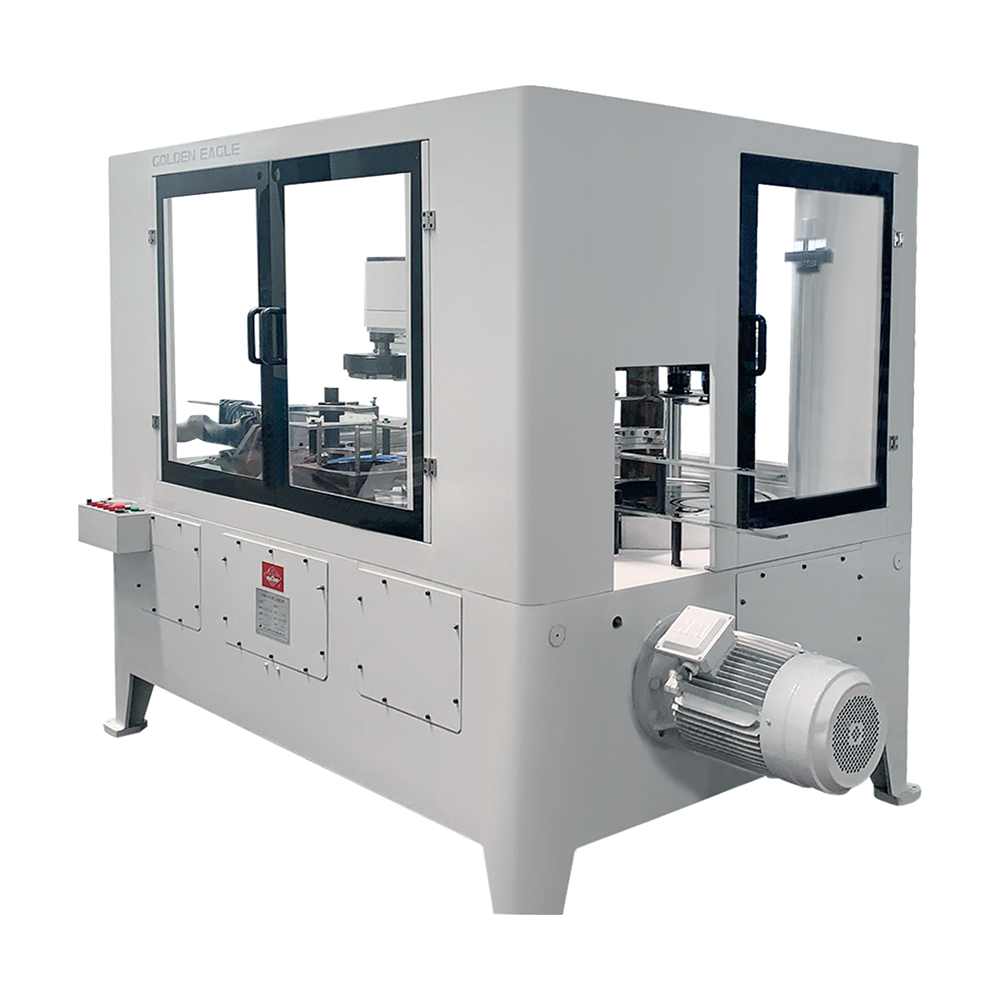
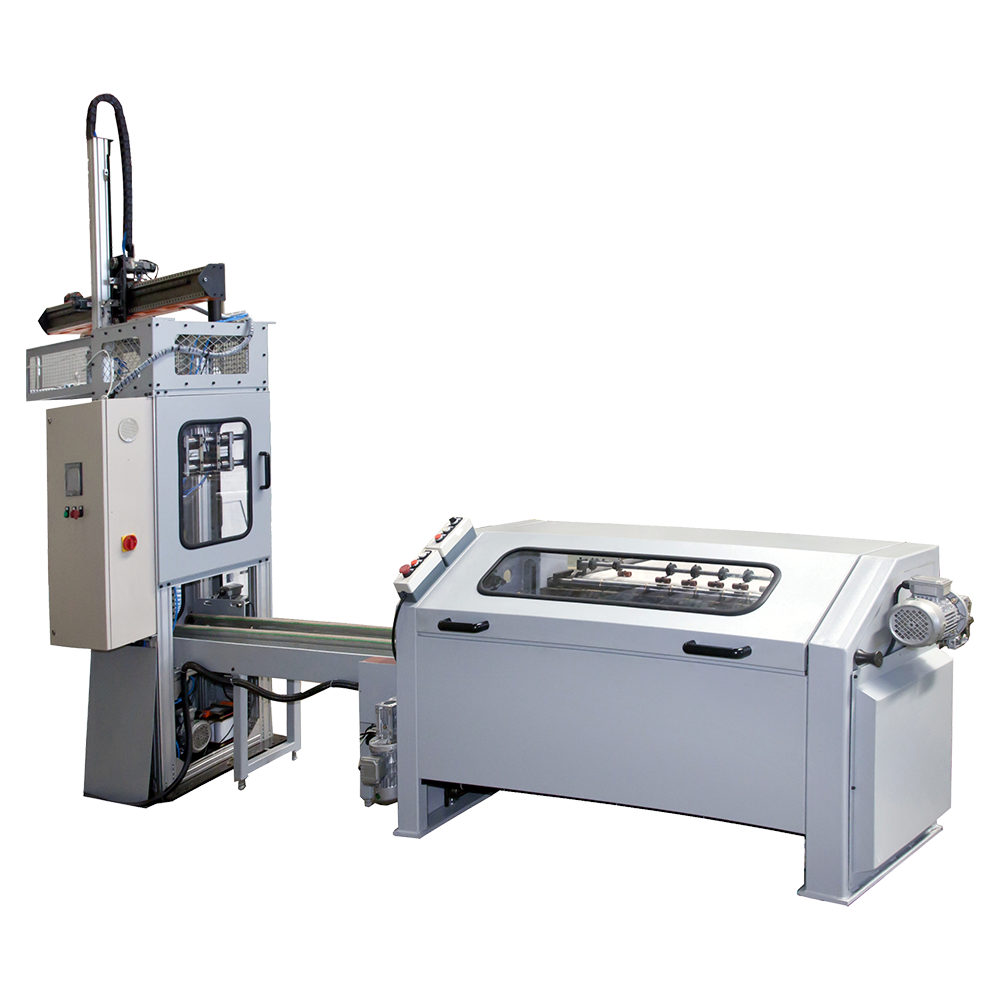
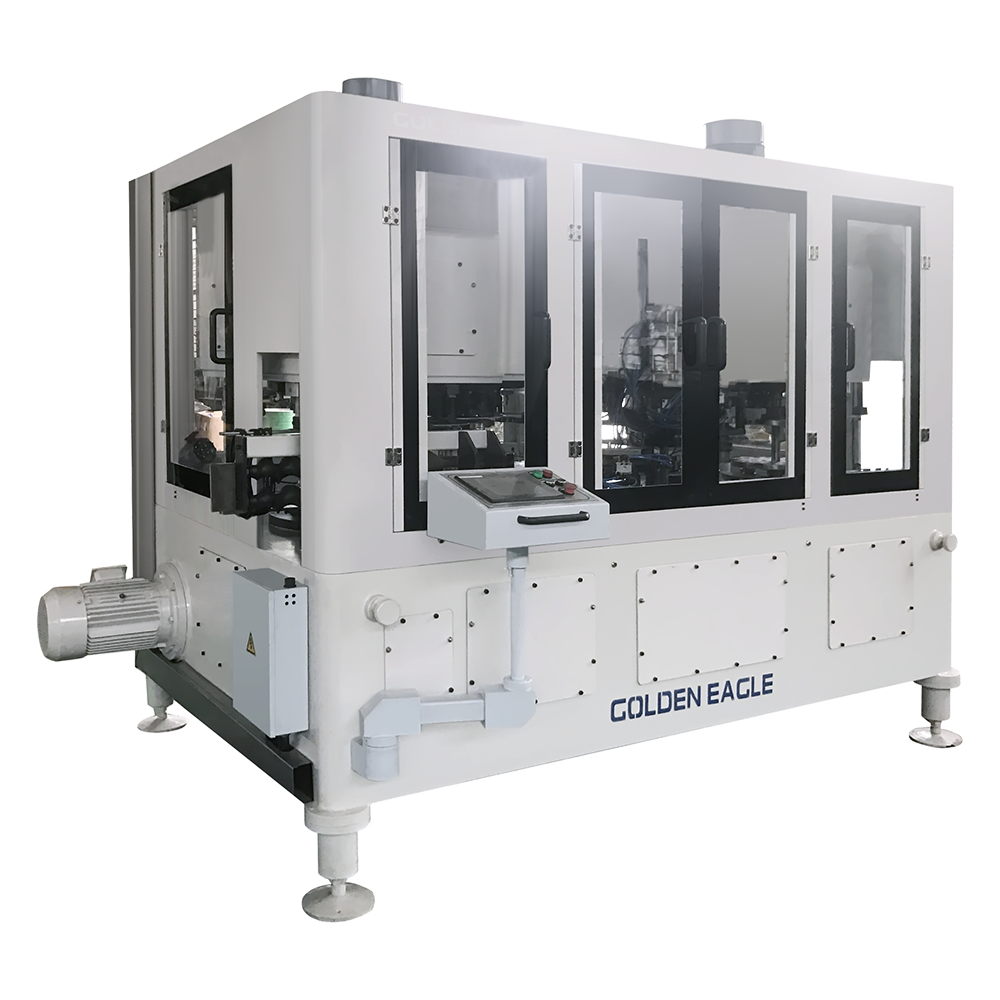
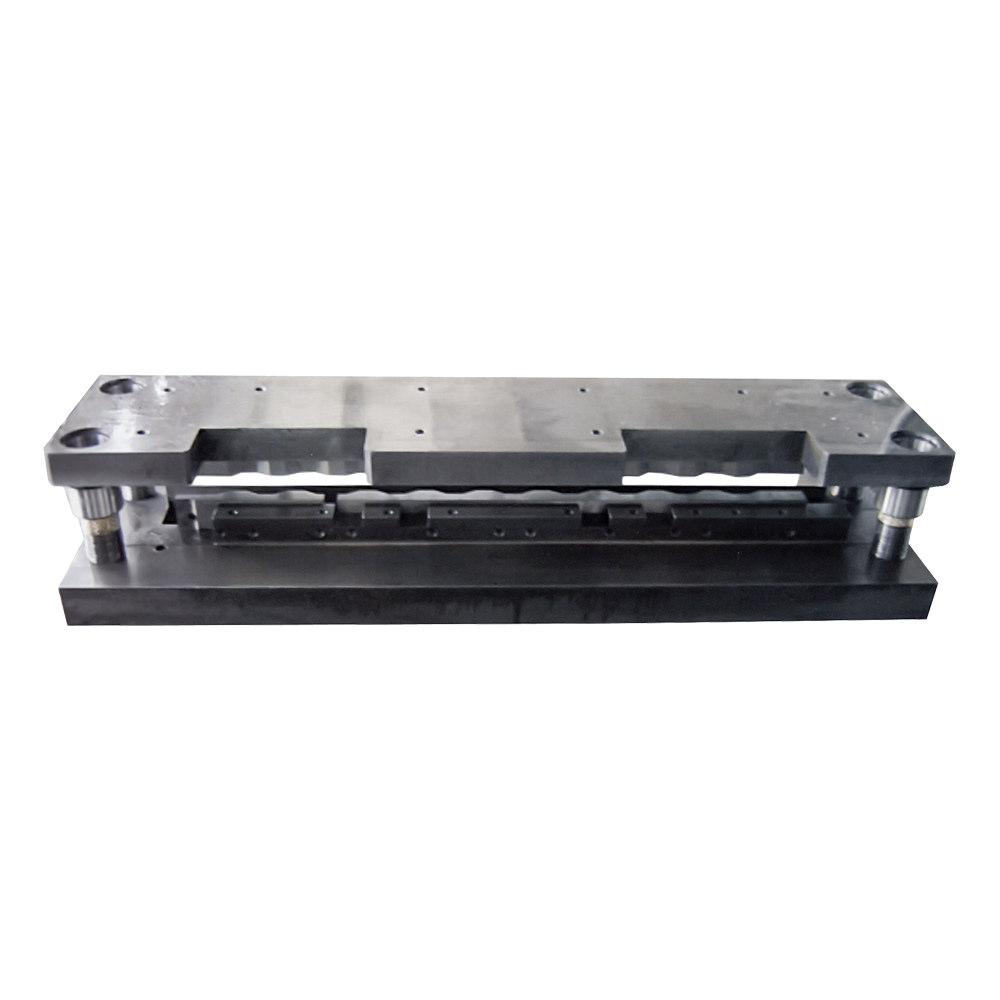
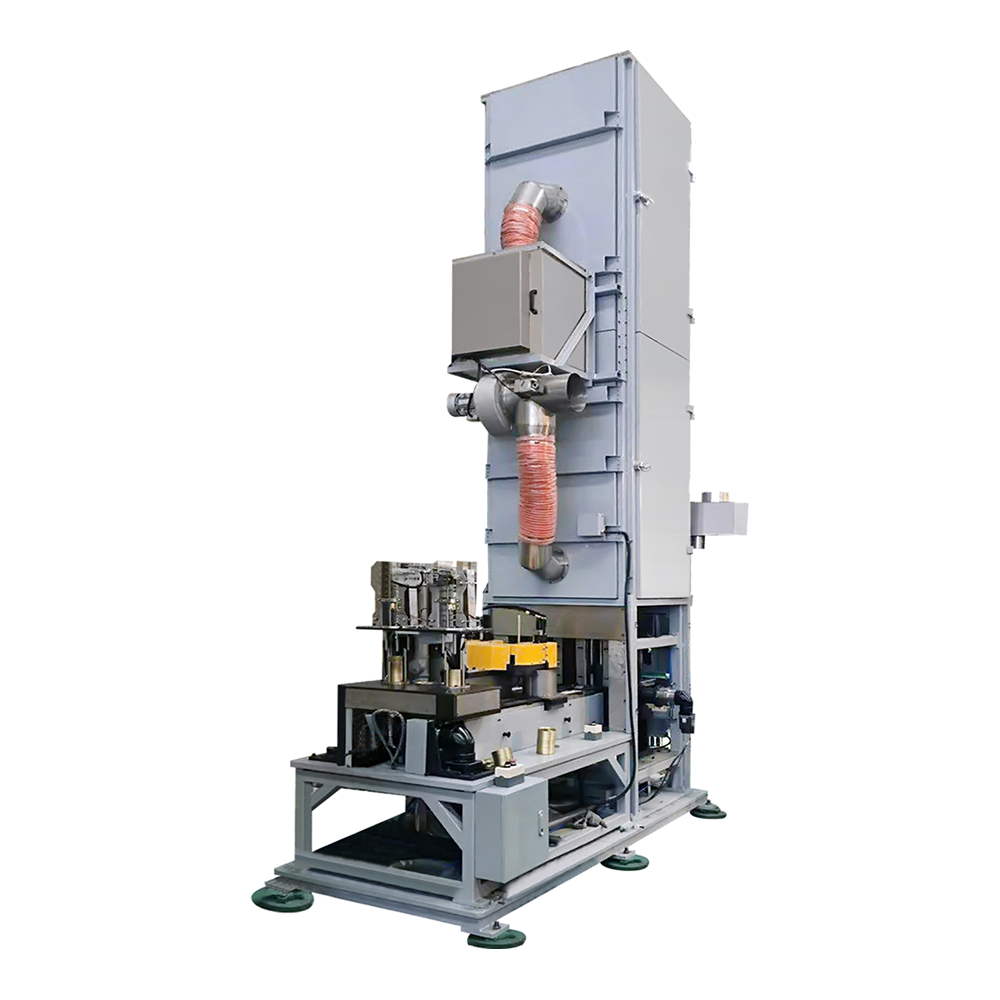
A modern EOE lid making line typically consists of several interconnected components, each performing a specific function: 1. Uncoiler: Feeds flat tinplate coils into the line. 2. Leveler: Flattens the tinplate to remove any bends or warps. 3. Lubrication System: Applies a thin layer of lubricant to prevent friction during forming. 4. Forming Press: Uses precision dies to shape the tinplate into the EOE lid (including the pull tab and scored rim). 5. Trim Press: Cuts excess material from the lid to achieve the final size. 6. Inspection Station: Checks for defects (e.g., misalignment, scoring errors) using vision systems. 7. Stacker: Collects finished lids into batches for packaging or further processing. The working principle of these machines involves a continuous feed of tinplate, with each component working in sync to transform the raw material into a finished product. Automation ensures that the process runs 24/7 with minimal human intervention, maximizing output while reducing errors.
Early EOE lid production relied heavily on manual labor, with workers using hand tools to shape and trim lids. This process was slow, inconsistent, and prone to errors—limiting production volumes and increasing costs. The 1970s marked a turning point with the introduction of semi-automated machines, which reduced manual input but still required significant operator oversight. By the 2000s, fully automated EOE lines emerged, integrating computer-controlled systems to improve precision and speed. Today’s machines are equipped with Industry 4.0 technologies, such as IoT sensors and AI-powered inspection, to further enhance efficiency and quality.
Recent innovations in EOE lid making machines include: - Multi-lane Production: Machines with 2-4 lanes can produce multiple lids simultaneously, doubling or quadrupling output without increasing floor space. - Adjustable Can Sizes: Quick-change die systems allow manufacturers to switch between can sizes (e.g., 202#, 211#, 300#) in minutes, reducing downtime. - Energy-Efficient Motors: Variable-frequency drives (VFDs) adjust motor speed based on production needs, cutting energy consumption by up to 30% compared to older models. - Smart Monitoring: IoT sensors track machine performance (e.g., speed, temperature, wear) and send alerts for maintenance, preventing unexpected downtime.
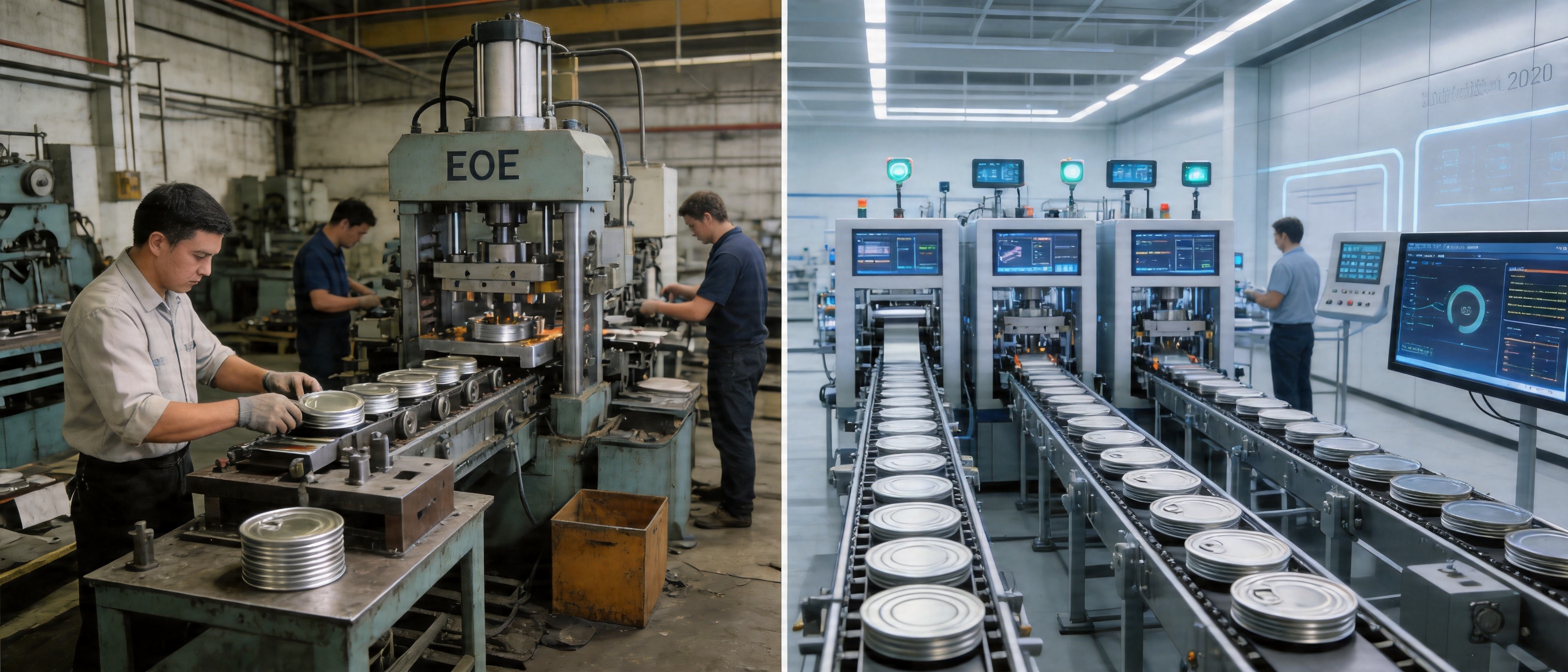
One of the most significant advantages of modern EOE machines is their speed. For example, a 4-lane machine can produce up to 2,400 easy-open ends per minute (epm)—a 4x increase over single-lane models. This high output allows manufacturers to meet large orders quickly, reducing lead times and improving customer satisfaction. Even single-lane machines offer speeds of 200-600 epm, which is far faster than manual or semi-automated systems.
Modern EOE machines use CNC (Computer Numerical Control) precision machining to ensure every lid meets exact specifications. The scoring process—critical for easy opening without product leakage—is controlled to within 0.01mm, eliminating defects that could compromise product safety. Consistency is further enhanced by automated inspection systems, which detect even minor flaws (e.g., misaligned pull tabs, uneven scoring) and reject faulty lids before they reach the packaging line.
Energy costs are a major expense for manufacturing facilities, and modern EOE machines are designed to minimize consumption. VFDs adjust motor speed based on production demand, so the machine uses only the energy needed for the current output. Additionally, the use of high-quality materials (e.g., wear-resistant dies) reduces maintenance costs and extends the machine’s lifespan. Over time, these savings can add up to tens of thousands of dollars per year for large-scale manufacturers.
Leading EOE machines are designed to handle multiple can sizes, making them ideal for manufacturers who produce a range of products. For example, a single machine can produce lids for 202# (small food cans), 211# (beverage cans), 300# (medium food cans), 307# (large beverage cans), and 401# (industrial cans) with minimal setup changes. This versatility reduces the need for multiple machines, saving floor space and capital investment.
When compared to older or lower-quality EOE machines, modern systems offer several key advantages: 1. Higher Output: 4-lane models produce up to 2,400 epm, compared to 600 epm for single-lane competitor machines. 2. Better Precision: CNC machining ensures scoring accuracy to 0.01mm, whereas competitor models may have a tolerance of 0.05mm or more. 3. Certifications: Leading machines are ISO 9001 and ISO 14001 certified, meeting global quality and environmental standards—something many smaller manufacturers lack. 4. Global Support: Manufacturers with decades of experience offer after-sales support (installation, training, parts supply) in over 30 countries, whereas competitors may only provide local support. 5. Longer Lifespan: High-quality materials and regular maintenance extend the machine’s lifespan to 15+ years, compared to 5-10 years for cheaper models.
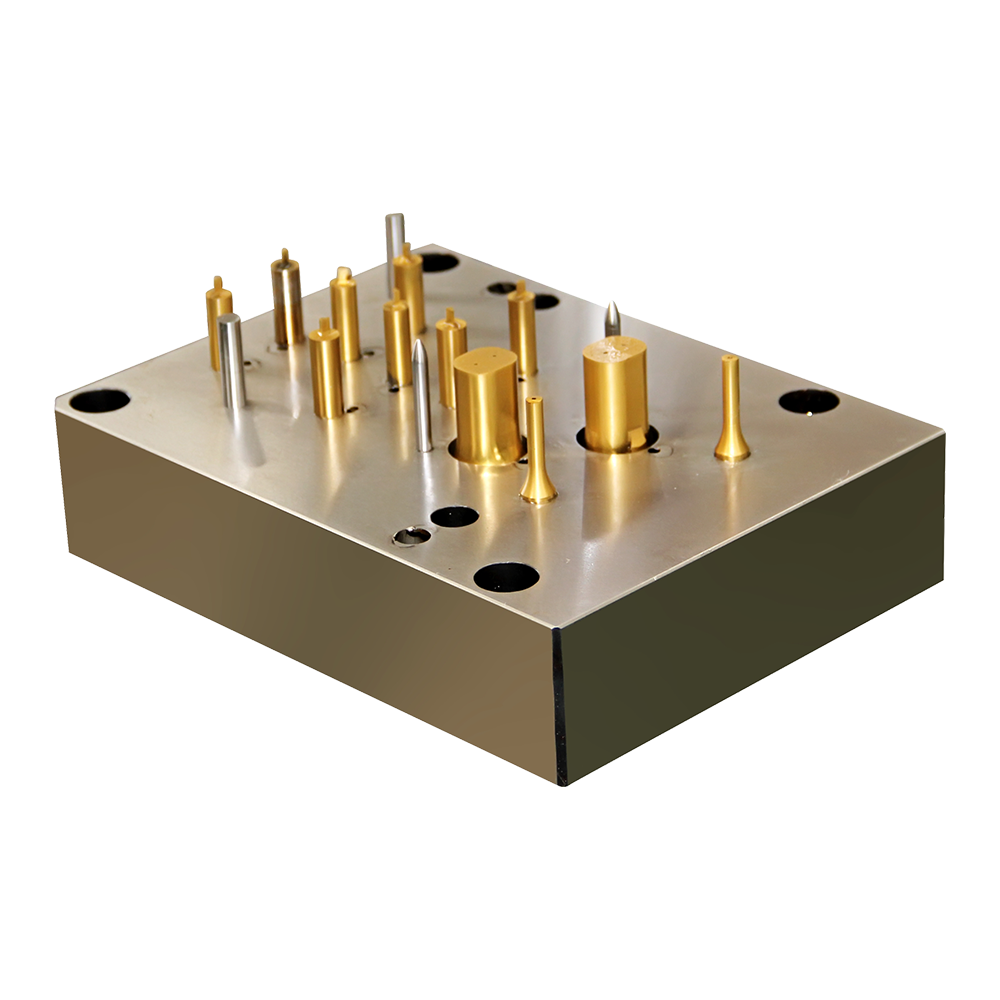
The core of modern EOE machines is CNC precision machining, which uses computer-controlled tools to shape components with extreme accuracy. This process ensures that dies, presses, and other critical parts are manufactured to within 0.001mm tolerances—essential for producing consistent, high-quality lids. CNC machines also allow for complex designs (e.g., ergonomic pull tabs) that would be difficult or impossible to produce manually.
Leading EOE machine manufacturers adhere to strict quality control processes at every stage of production: 1. Raw Material Inspection: Tinplate coils are tested for thickness, hardness, and surface quality before being used. 2. Component Testing: Each part (e.g., dies, motors) is tested for durability and performance. 3. Final Machine Testing: The complete machine is run through a 24-hour test cycle to ensure it meets speed and quality specifications. These manufacturers also hold ISO 9001 (quality management) and ISO 14001 (environmental management) certifications, which are recognized globally as markers of excellence. Additionally, some manufacturers align their design principles with industry leaders like KRUPP, SOUDRONIC, and ALFONS-HAAR, ensuring their machines meet the highest international standards.
Modern EOE machines are increasingly integrating Industry 4.0 technologies to enhance efficiency and productivity: - IoT Sensors: These sensors track machine performance (e.g., speed, temperature, vibration) and send real-time data to a cloud-based platform. This allows operators to monitor the machine remotely and predict maintenance needs before failures occur. - AI-Powered Inspection: Computer vision systems use AI to detect defects in lids, with an accuracy rate of over 99%. This reduces the need for manual inspection and ensures only high-quality lids are shipped. - Automated Data Analytics: The cloud platform analyzes production data to identify bottlenecks and optimize performance. For example, it may suggest adjusting the machine speed to reduce energy consumption while maintaining output.
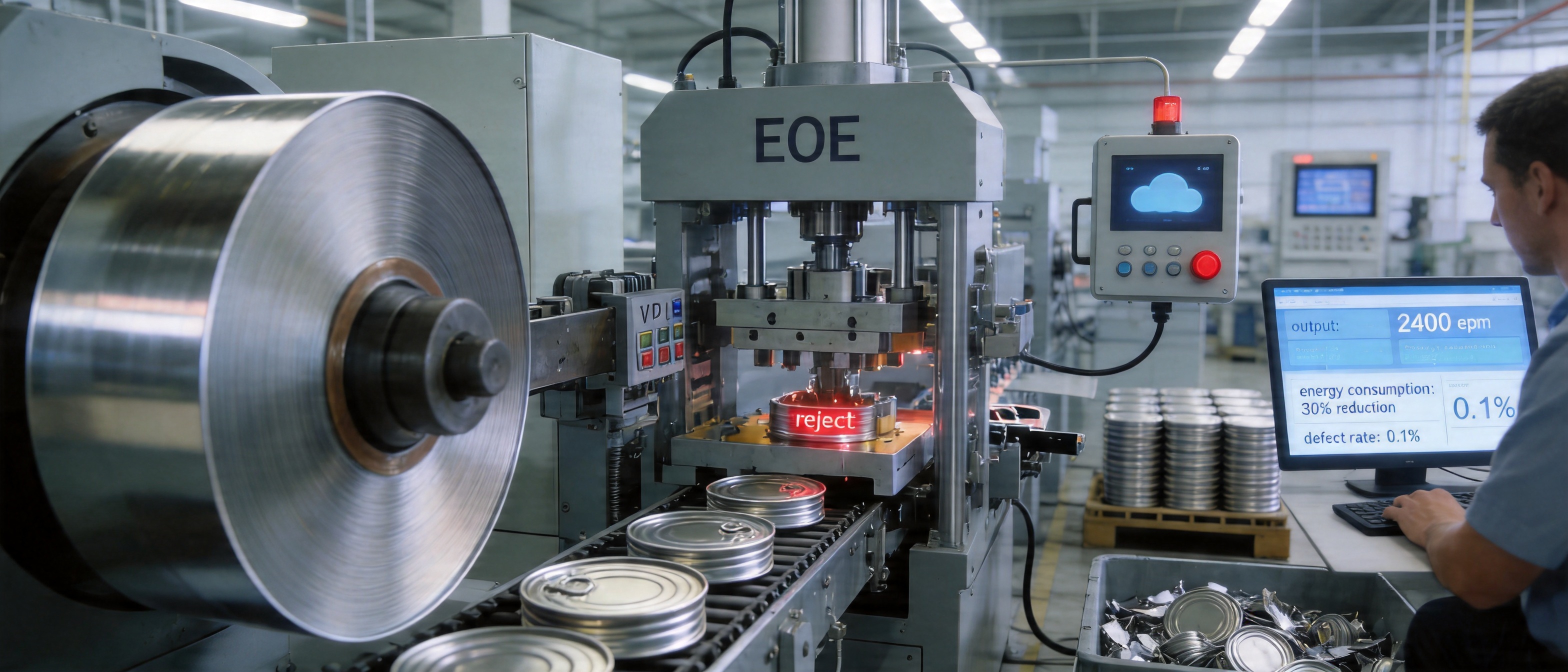
Below is a table of technical specifications for a leading EOE lid making line, which highlights its performance across different lane configurations:
Type |
One lane |
Two lanes |
Three lanes |
Four lanes |
Nominal Pressure |
75(80)T |
100T |
125T |
125T |
Slide Block Stroke |
35-63.5mm |
35-63.5mm |
35-63.5mm |
35-63.5mm |
Stroke (spm) |
200-600 |
200-600 |
200-600 |
200-600 |
Output Capacity (epm) |
200-600 |
400-1200 |
600-1800 |
800-2400 |
Machine Power (kw) |
50-70 |
50-70 |
50-70 |
50-70 |
Machine Weight (Ton) |
17-32 |
17-32 |
17-32 |
17-32 |
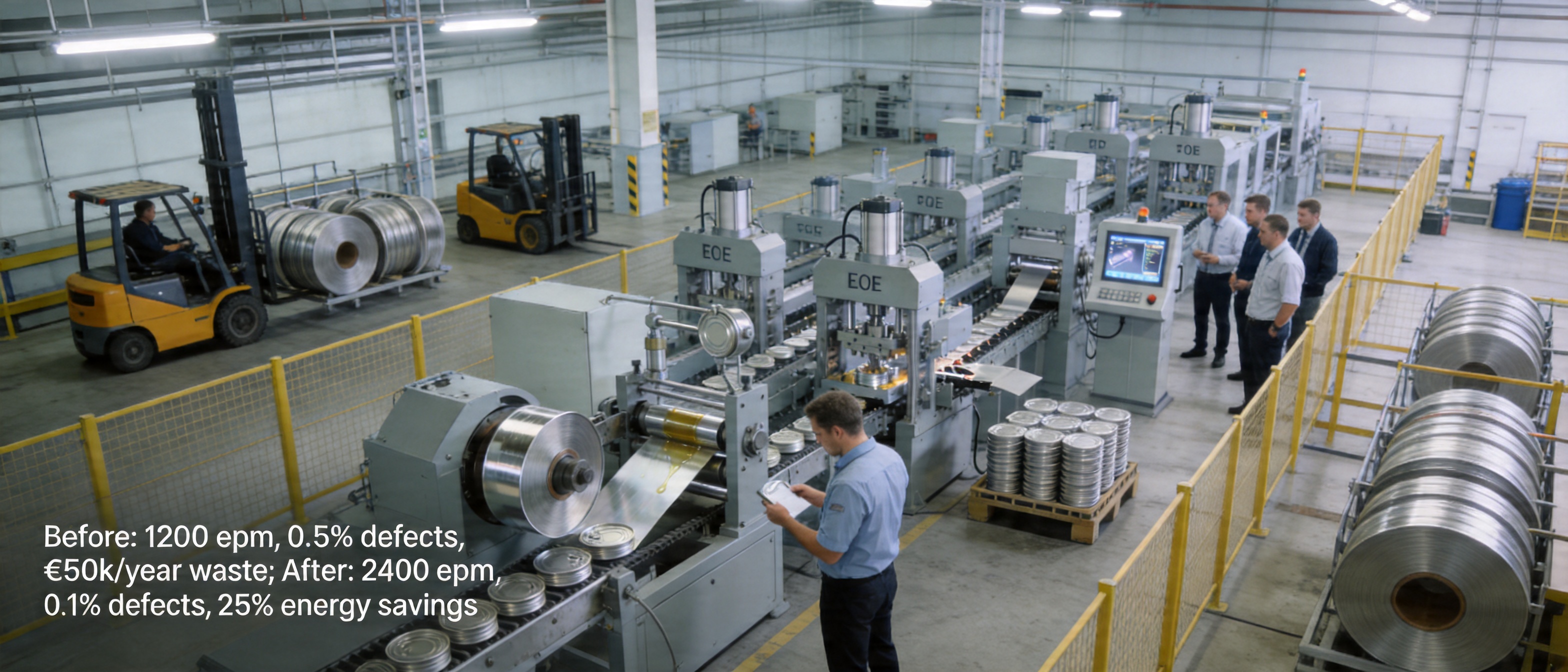
A large food manufacturer in Europe recently installed a 4-lane EOE lid making line to produce lids for its canned soup products. Before installation, the manufacturer used a 2-lane machine with a maximum output of 1,200 epm, which was insufficient to meet demand during peak seasons. The new 4-lane machine increased output to 2,400 epm, allowing the manufacturer to fulfill orders 2x faster. Additionally, the machine’s AI-powered inspection system reduced defect rates from 0.5% to 0.1%, saving the manufacturer €50,000 per year in wasted materials. The manufacturer also reported a 25% reduction in energy costs due to the machine’s VFD system.
Q1: What is the maximum output speed of modern EOE lid making machines?
A: Modern 4-lane EOE machines can produce up to 2,400 easy-open ends per minute (epm). Single-lane machines typically range from 200-600 epm, while 2-lane and 3-lane models offer 400-1200 epm and 600-1800 epm respectively.
Q2: Can these machines handle multiple can sizes?
A: Yes. Leading EOE machines are designed with quick-change die systems, allowing manufacturers to switch between can sizes (e.g., 202#, 211#, 300#, 307#, 401#) in 15-30 minutes. This versatility reduces downtime and increases production flexibility.
Q3: What certifications do leading EOE machine manufacturers have?
A: Most reputable manufacturers hold ISO 9001 (quality management) and ISO 14001 (environmental management) certifications. Some also align their design principles with global industry leaders like KRUPP and SOUDRONIC to ensure compliance with international standards.
Q4: What after-sales support is available for EOE machines?
A: Leading manufacturers offer comprehensive after-sales support, including: - Installation and commissioning of the machine. - Training for operators and maintenance staff. - 24/7 technical support via phone or email. - Fast delivery of spare parts (usually within 72 hours for critical parts). - Preventive maintenance plans to extend the machine’s lifespan.
Q5: Are EOE lid making machines energy-efficient?
A: Yes. Modern machines use variable-frequency drives (VFDs) to adjust motor speed based on production demand, reducing energy consumption by up to 30% compared to older models. Additionally, high-quality components (e.g., energy-efficient motors) further minimize energy use.
Q6: How long does it take to install and commission an EOE lid making line?
A: Installation and commissioning typically take 2-4 weeks, depending on the size of the line (e.g., 1-lane vs. 4-lane) and the complexity of the facility. Manufacturers usually provide a team of engineers to oversee the process and ensure the machine is running at optimal performance before handover.
Q7: What is the lifespan of a modern EOE lid making machine?
A: With regular maintenance, modern EOE machines can last 15-20 years. This is significantly longer than older models (5-10 years) due to the use of high-quality materials (e.g., wear-resistant dies) and advanced manufacturing processes.
Advanced EOE lid making machines have transformed the food and beverage packaging industry, offering unmatched speed, precision, and versatility. These machines not only meet the growing demand for easy-open cans but also reduce costs, improve product quality, and enhance sustainability. Leading manufacturers continue to innovate, integrating Industry 4.0 technologies (e.g., IoT, AI) to further optimize performance and efficiency. For food and beverage manufacturers, investing in a modern EOE lid making machine is a strategic decision that can drive growth, improve customer satisfaction, and ensure long-term success in a competitive market.
1. Food Processing Technology (2023). "Automated Easy-Open End (EOE) Manufacturing: Trends & Efficiency Gains". Journal of Food Engineering, Vol. 124, Issue 3, pp. 189-201.
2. Packaging Digest (2022). "Global Can Packaging Market: Growth Drivers & Technological Advancements". Industry Report, pp. 45-52.
3. ISO 9001:2015 Quality Management Systems (2015). International Organization for Standardization, Geneva, Switzerland.
4. Smith, J. (2021). "Advances in Tinplate Can Lid Production". Manufacturing Technology Review, Vol. 15, Issue 2, pp. 78-85.
5. European Can Makers Association (2023). "Best Practices for EOE Lid Manufacturing Efficiency". Technical Bulletin, pp. 12-19.
6. Chen, L. (2022). "IoT Integration in EOE Lid Making Machines: A Case Study". International Journal of Industrial Engineering, Vol. 28, Issue 4, pp. 312-320.
7. American Packaging Institute (2021). "Safety Standards for Easy-Open End Lids". Industry Guidelines, pp. 23-30.
8. Global Packaging Trends (2023). "Sustainability in Can Packaging: The Role of EOE Lids". Market Analysis Report, pp. 56-63.
Related Products

Founded in 1978, the company is one of the largest can-making machinery well-known companies at home and abroad.
Product Categories
Contact Information
Zhongshatou Shenjiamen Zhoushan Zhejiang China
+86-580-3056646

 English
 中文简体
中文简体
 русский
 عربى
عربى
 Español