2026-04-06
Can lid manufacturing is a critical link in the global metal packaging industry, where precision, efficiency, and adaptability directly impact product quality, production costs, and market competitiveness. As consumer demands for canned goods—from food and beverages to chemicals and aerosols—continue to surge, manufacturers face mounting pressure to optimize production lines, reduce waste, and ensure consistent output. The CNC Automatic Digital Controlling Punch emerges as a transformative solution, addressing these challenges head-on with its full automation, versatile mold configurations, and robust safety features. This article explores the core capabilities of this machine, its competitive advantages, the advanced manufacturing processes behind it, and key insights for potential users.
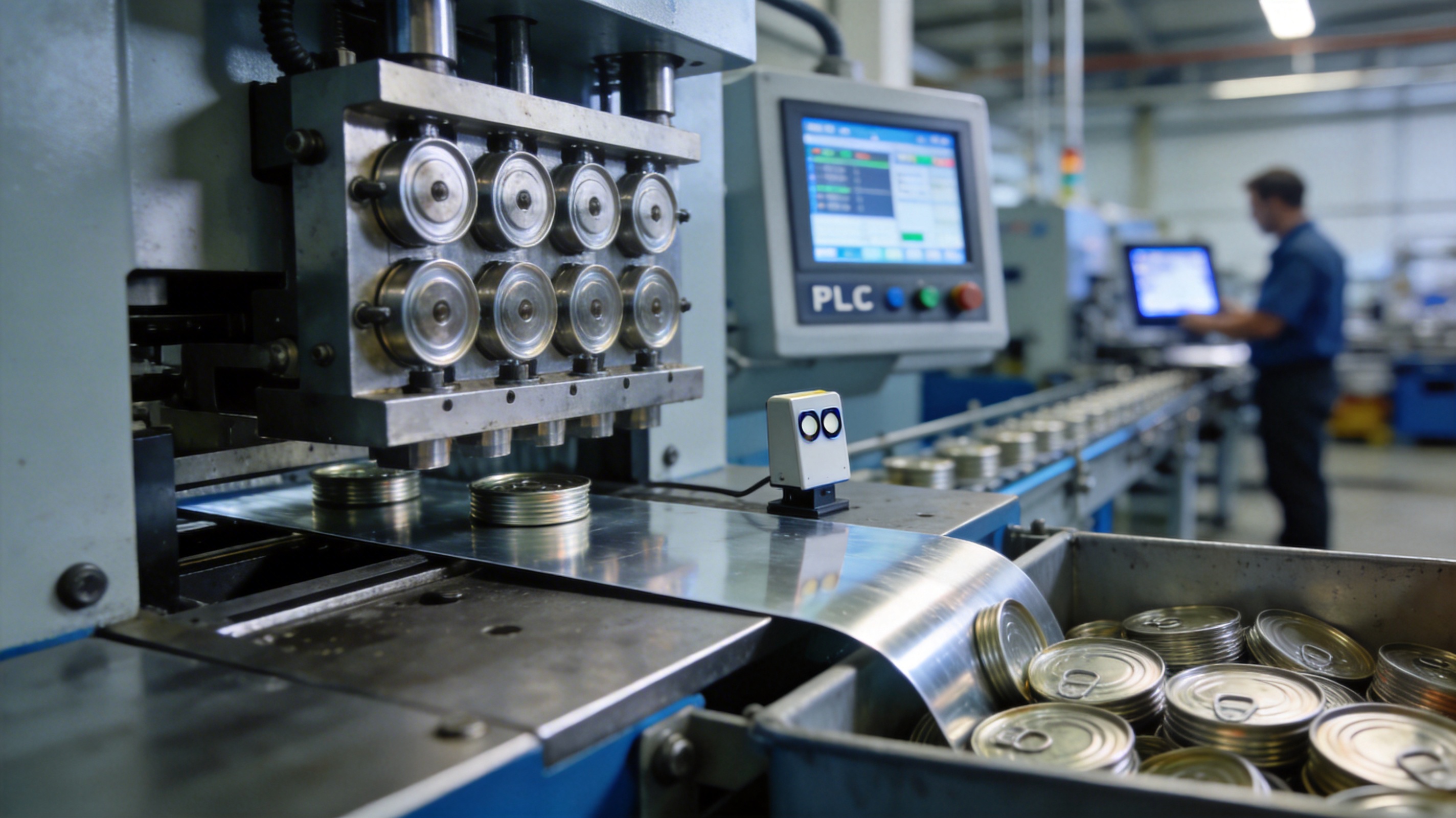
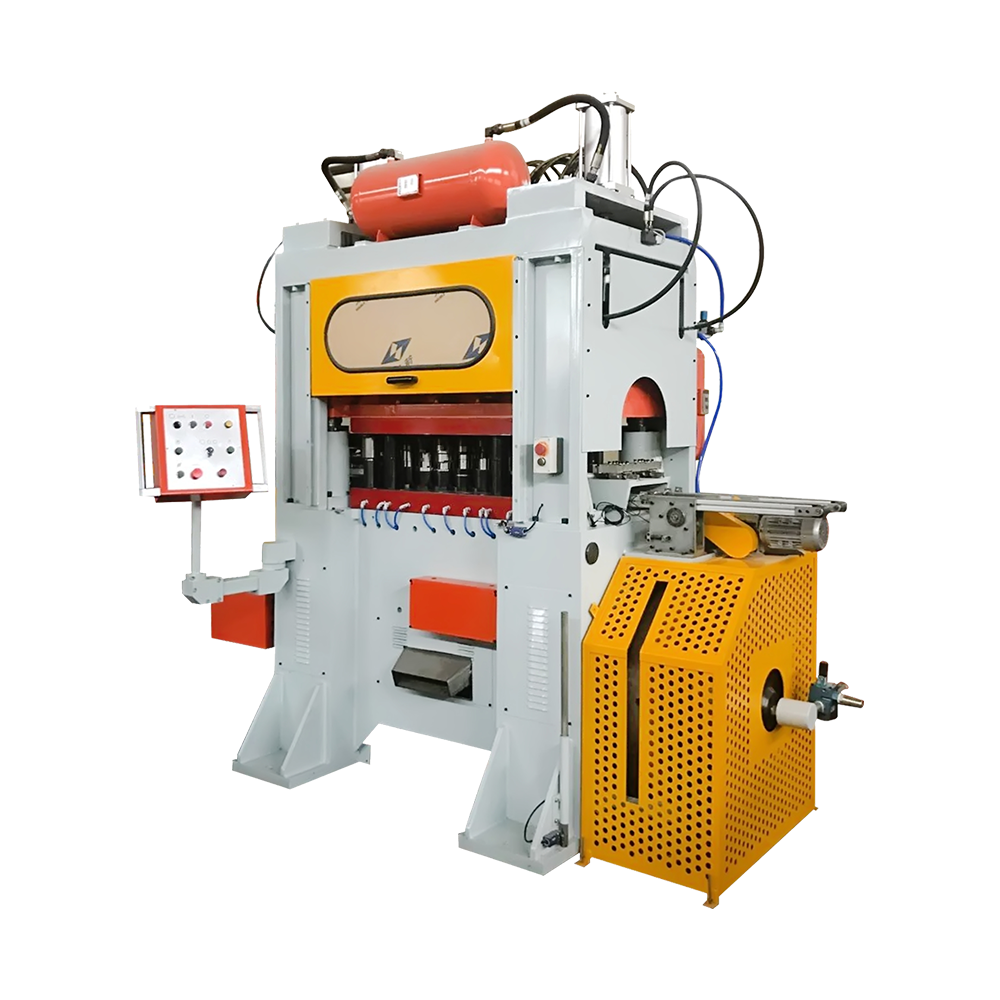
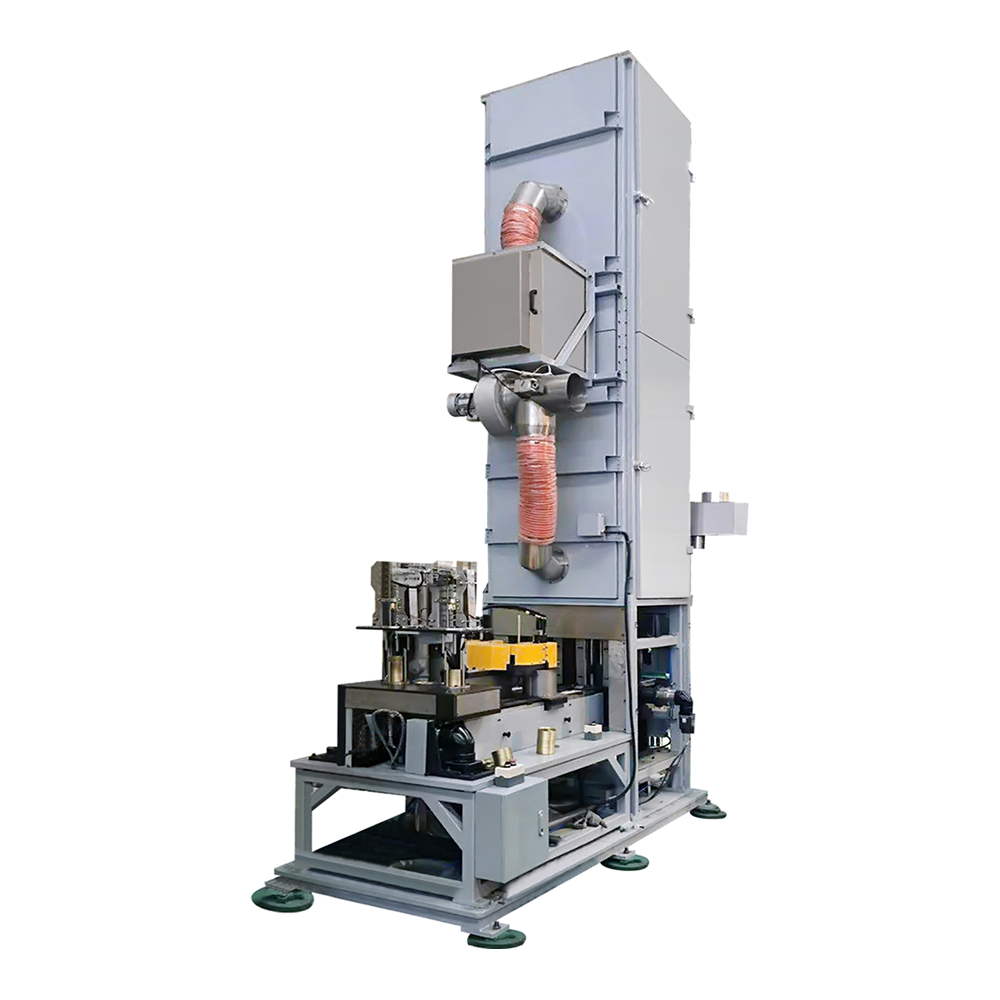
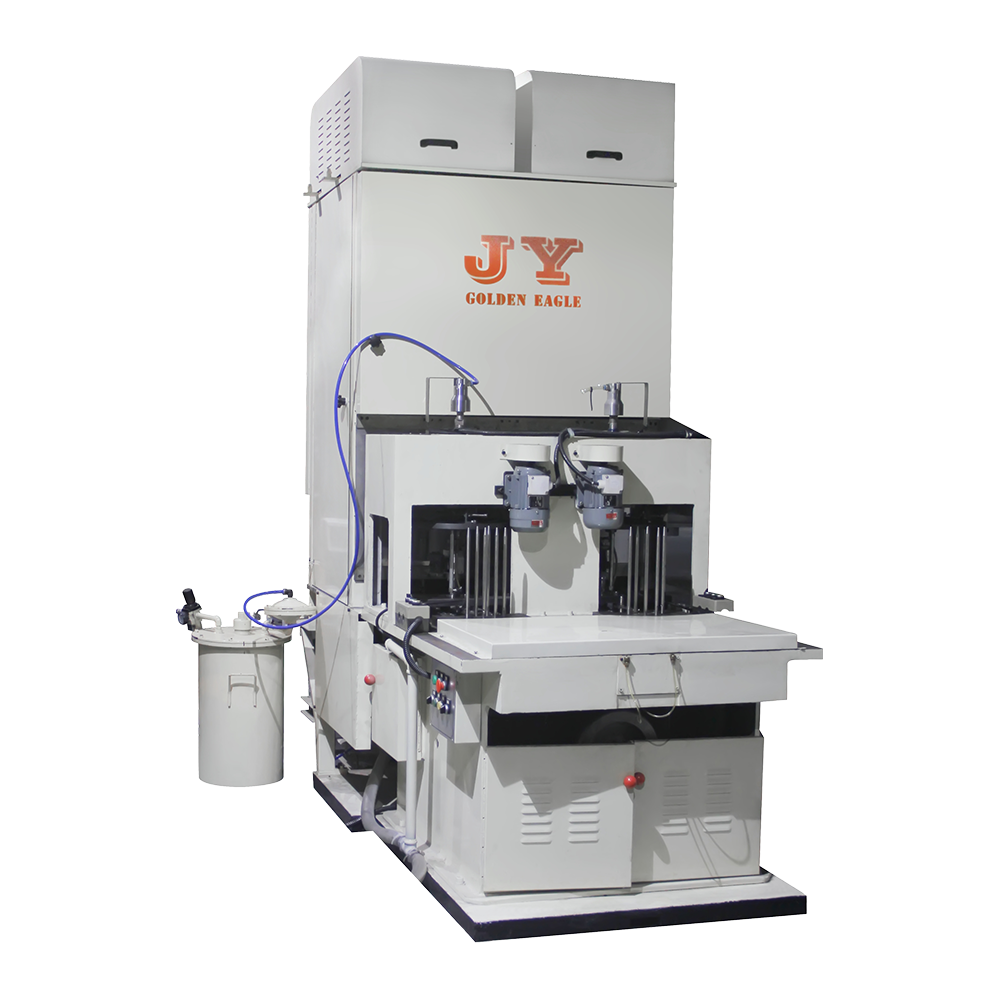
The CNC Automatic Digital Controlling Punch is engineered to streamline can lid production with a focus on efficiency, precision, and user-friendliness. Its design integrates cutting-edge technology to meet the evolving needs of modern manufacturers:
Unlike manual or semi-automatic punching machines, this CNC model automates the entire sheet pressing workflow—from raw material feeding to finished lid forming. This eliminates human error, reduces labor costs, and increases production output significantly. For example, a single machine can operate continuously with minimal supervision, allowing manufacturers to scale production without proportional increases in workforce. The high efficiency of the machine also translates to faster time-to-market for finished can lids, a critical advantage in fast-paced industries like food and beverage, where seasonal demand fluctuations are common.
One of the machine’s most notable strengths is its ability to accommodate a wide range of can end sizes. Whether producing small beverage can lids (Φ52-99 mm) or larger chemical tank covers (Φ153 mm), the machine can be adjusted to meet specific requirements. This versatility is enabled by its Programmable Logic Controller (PLC) system, which allows for quick and precise adjustments to mold positions, stroke lengths, and pressure settings. Manufacturers no longer need to invest in multiple machines for different end sizes—this single solution covers a broad spectrum of needs, from standard consumer goods to specialized industrial applications.
Safety and equipment longevity are non-negotiable in manufacturing, and this CNC punch delivers on both fronts. It is equipped with a double sheet detector that prevents the machine from processing multiple sheets at once, which can cause jams, damage to molds, or even catastrophic machine breakdowns. Additionally, an overload protection system automatically stops operations if the machine exceeds its pressure or torque limits, safeguarding both the equipment and operators. These protection features not only reduce downtime but also extend the machine’s lifespan, making it a cost-effective investment over time.
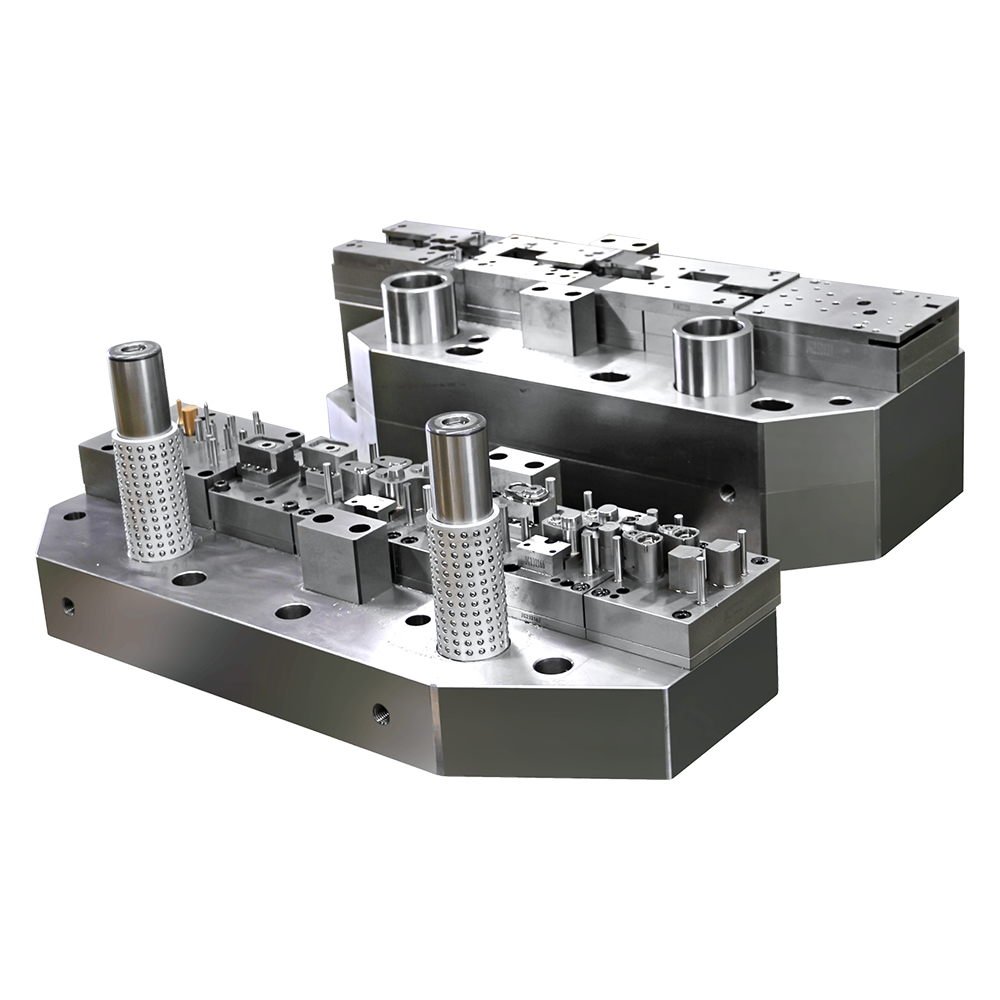
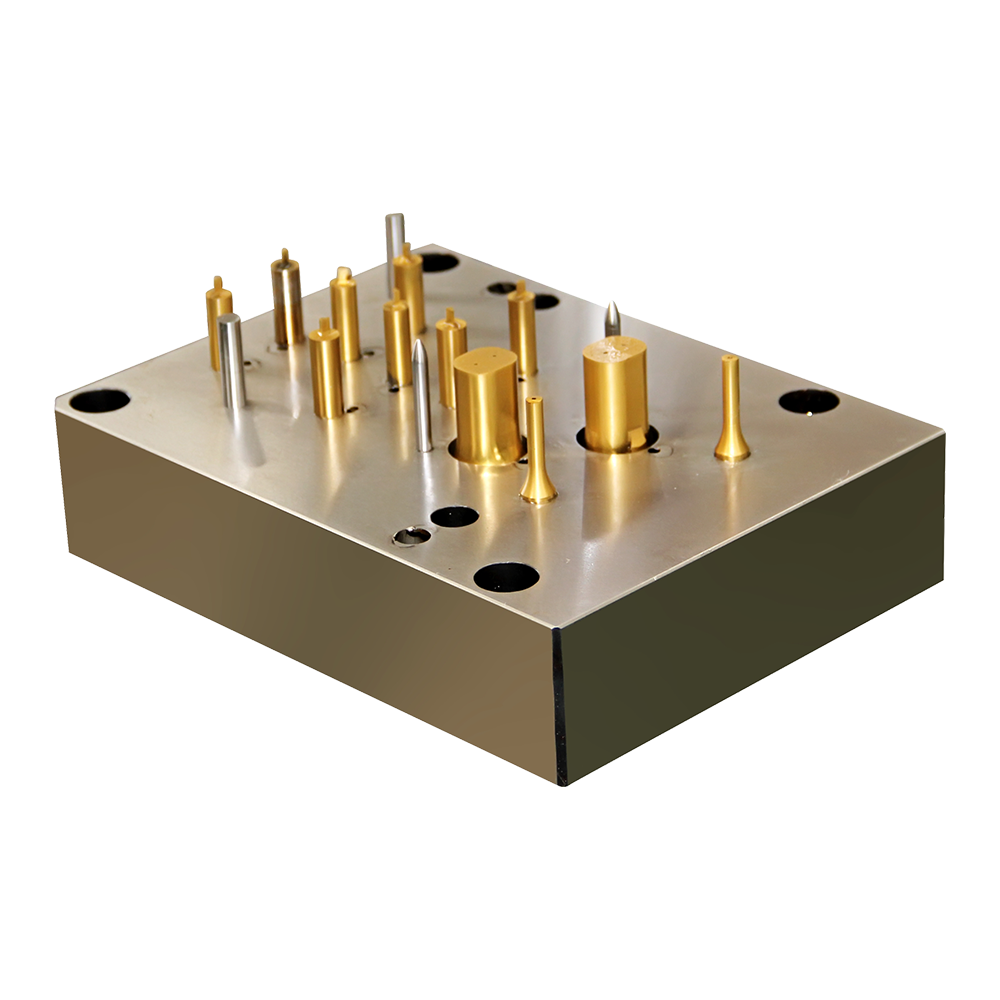
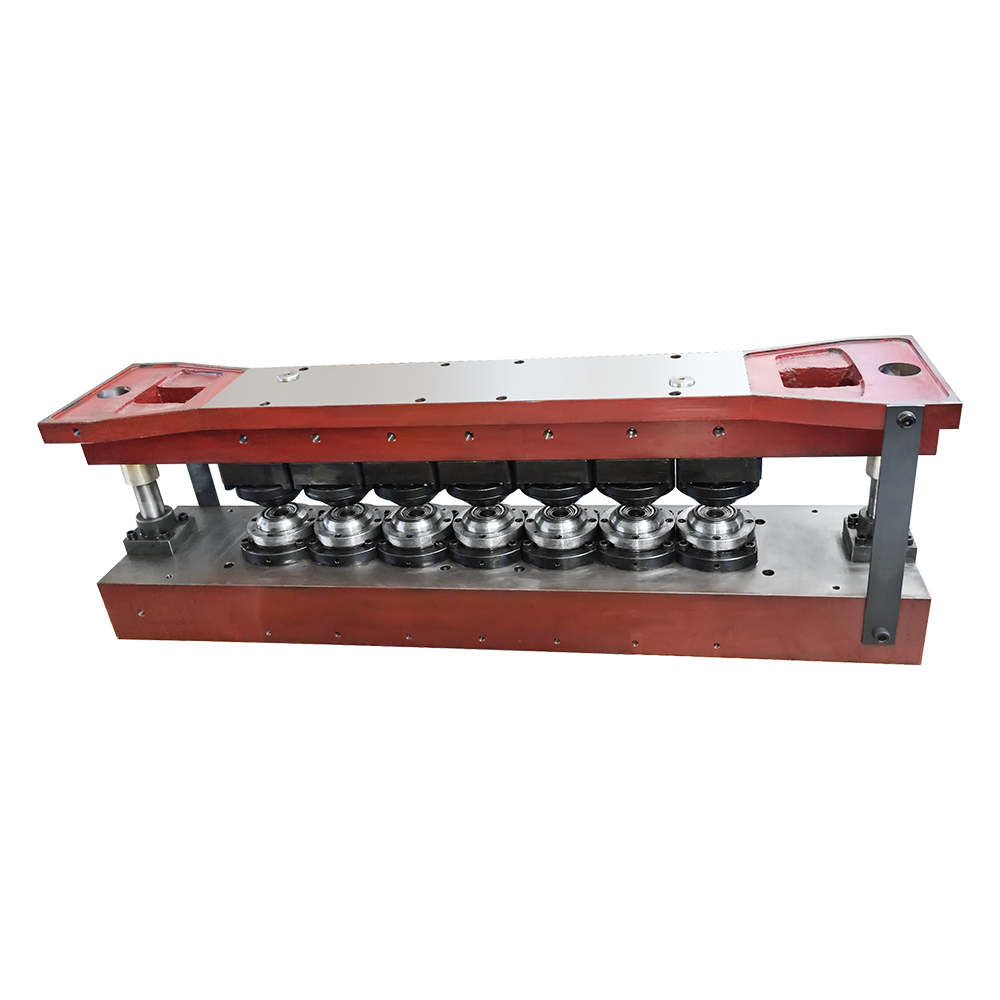
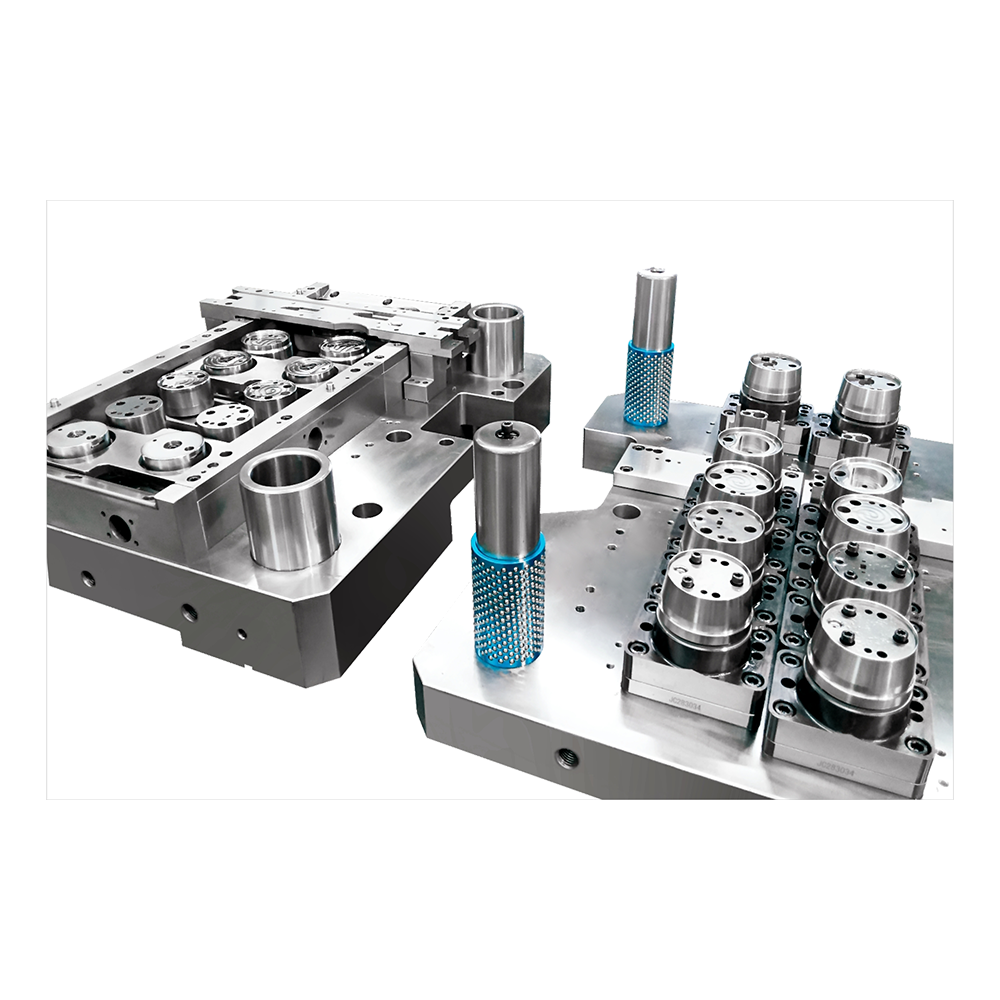
The machine supports mold configurations ranging from 1 to 15 heads, allowing manufacturers to tailor production to their batch sizes. For small-batch, custom orders (e.g., specialized chemical tank covers), a 1-head setup is ideal. For high-volume production of standard beverage can lids, a 15-head configuration enables rapid output. This flexibility ensures that the machine can adapt to changing market demands, whether a manufacturer needs to produce a limited run of specialized lids or scale up for mass production. The mold heads are also designed for easy replacement, reducing setup time between different product runs by up to 50% compared to competitor models.
The PLC system in the CNC punch uses a user-friendly interface that allows operators to program and adjust parameters with minimal training. The system supports multiple languages, making it accessible to international users. Additionally, the PLC stores program settings for different product runs, allowing operators to switch between configurations quickly. This feature is particularly beneficial for manufacturers who produce multiple product lines, as it eliminates the need for manual recalibration between runs. The PLC also provides real-time data on production metrics (e.g., output rate, waste percentage), enabling operators to monitor performance and make adjustments as needed.
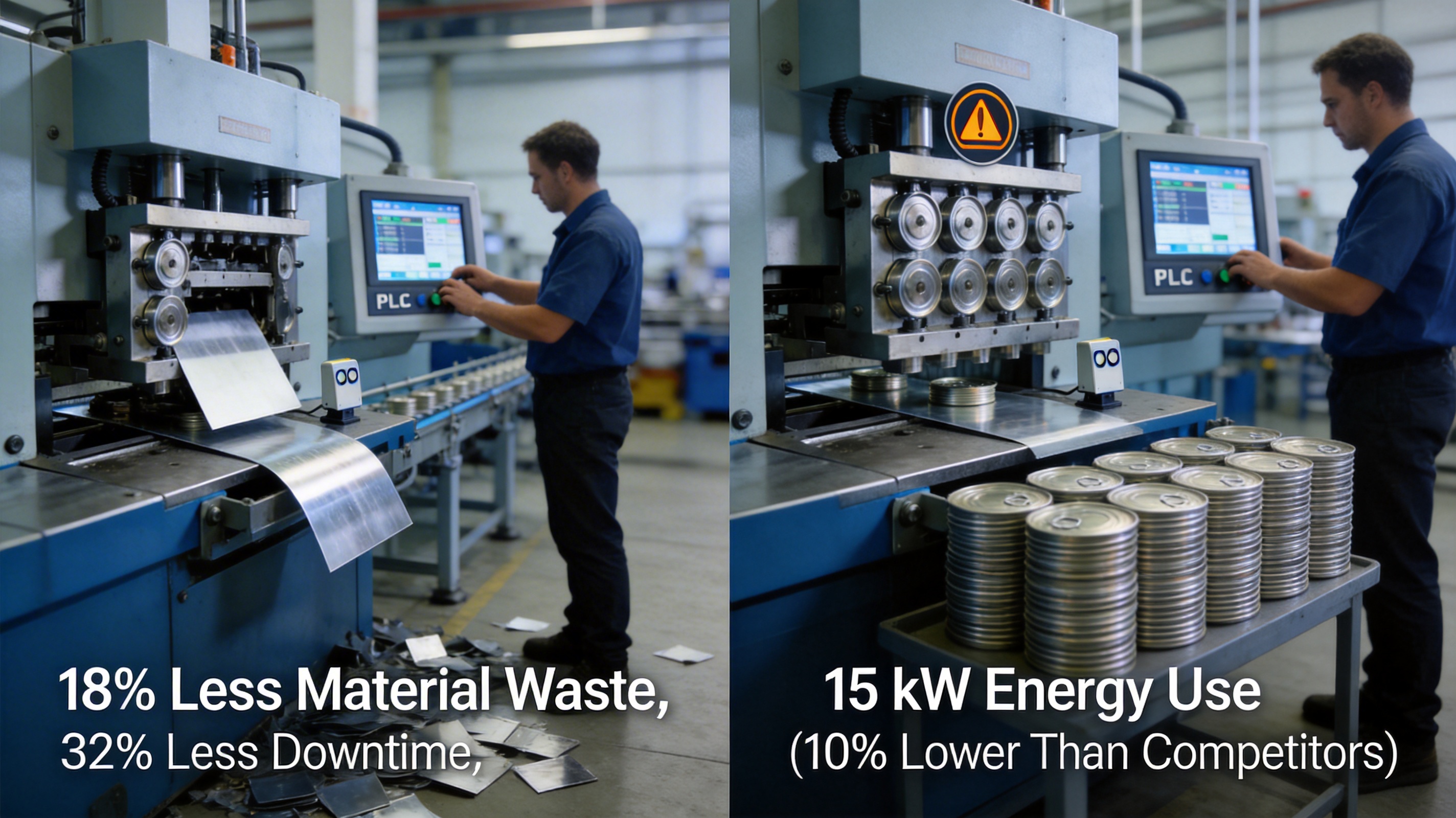
To understand the value of the CNC Automatic Digital Controlling Punch, it is essential to compare it to other solutions available in the market. Here are its key competitive advantages:
Waste reduction is a major concern for can manufacturers, as raw materials like tinplate are costly and subject to price fluctuations. This CNC punch minimizes material waste through its precise sheet pressing and double sheet detection. Competitor machines often lack effective double sheet detectors, leading to wasted sheets and damaged molds. Additionally, the machine’s high efficiency ensures that more sheets are processed correctly on the first pass, increasing overall yield. For example, a beverage can manufacturer in Southeast Asia reported a 18% reduction in material waste after switching to this CNC punch, translating to annual savings of over $50,000.
Many competitor machines offer limited mold configurations (typically 1-8 heads), which restricts their ability to handle both small and large batch sizes. The CNC Automatic Digital Controlling Punch’s 1-15 head range gives manufacturers greater flexibility. For instance, a chemical tank manufacturer can use the 1-head setup for large, specialized covers, while a beverage can producer can use the 15-head setup for high-volume production. This eliminates the need for multiple machines, saving both space and capital investment. A European can manufacturer noted that this flexibility allowed them to reduce their equipment inventory by 30% while still meeting all production requirements.
Competitor machines often have basic protection features, if any, which can lead to frequent downtime and costly repairs. The CNC punch’s double sheet detector and overload protection system are more advanced, preventing common issues like jams and mold damage. This results in fewer unplanned maintenance stops, higher uptime, and lower long-term operational costs. A North American canning factory reported a 32% reduction in downtime compared to their previous machine, leading to a 21% increase in annual production.
While some competitor machines use basic control systems, the CNC punch’s PLC system offers unmatched precision and customization. The PLC allows operators to program specific parameters (e.g., stroke length, pressure, mold position) for each product run, ensuring consistent quality across batches. This level of control is especially important for manufacturers producing lids with tight tolerances, such as those used in aerosol cans or chemical tanks. Competitor machines with less advanced control systems often produce inconsistent lids, leading to product defects and customer complaints. A Middle Eastern aerosol can manufacturer reported a 28% reduction in customer complaints after switching to this CNC punch.
The CNC punch is designed with energy efficiency in mind. Its advanced motor system and optimized workflow reduce energy consumption compared to competitor machines. For example, the CNC-C6 model uses 15 kW of main power, which is 10% less than similar models from competitors. This translates to lower monthly energy bills for manufacturers, especially those operating large production lines. The machine’s long lifespan also reduces the need for frequent replacements, further lowering total cost of ownership.
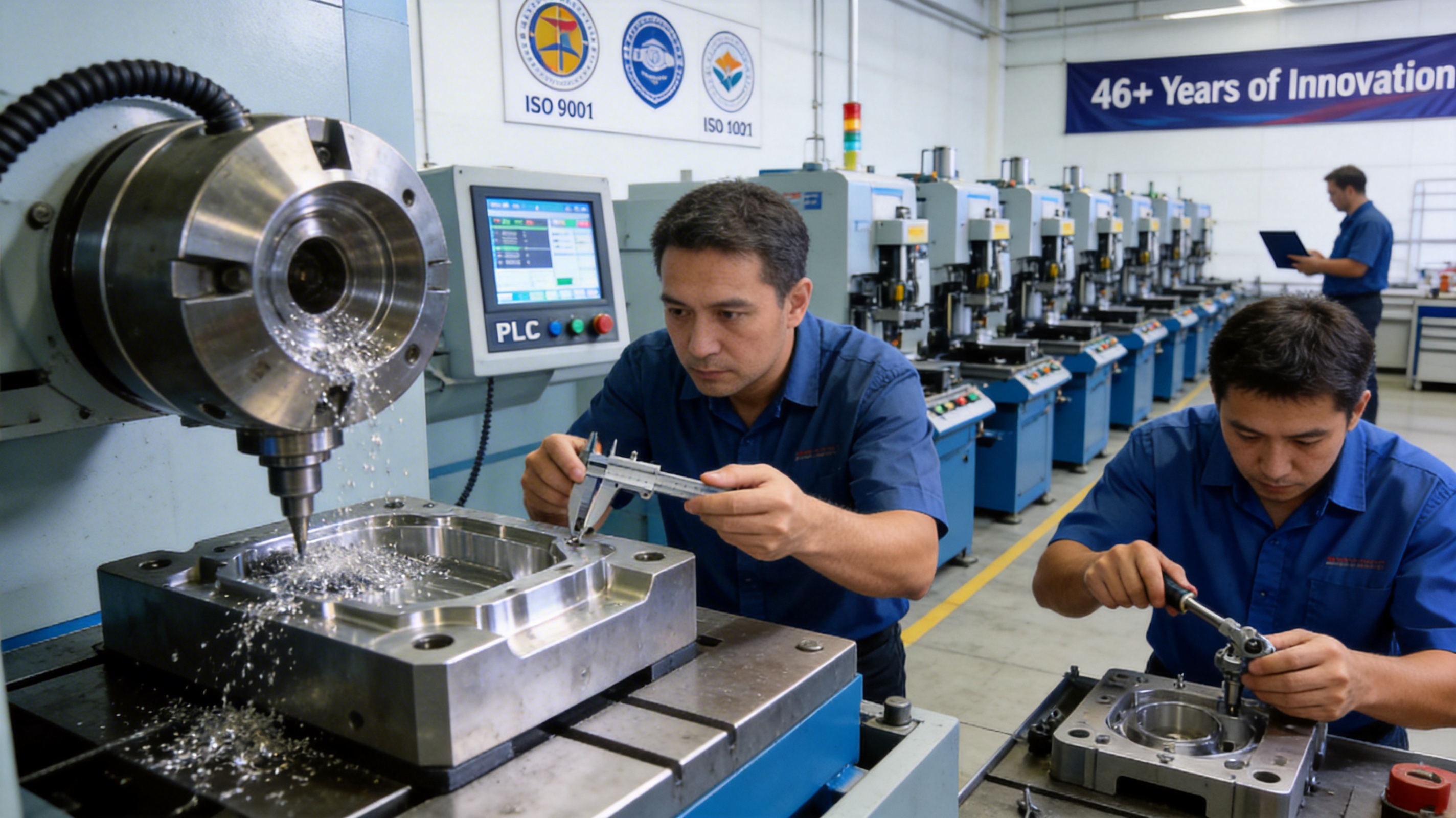
The CNC Automatic Digital Controlling Punch is not just a product—it is the result of decades of engineering expertise and advanced manufacturing processes. The company behind it has established itself as a leader in the can machinery industry, with a track record of innovation and quality:
Founded in 1978, the company has over four decades of experience in manufacturing can-making machinery and molds. This long history has allowed it to accumulate deep industry knowledge and refine its products based on real-world feedback from customers. The company’s design principles are inspired by leading global brands like KRUPP, SOUDRONIC, and ALFONS-HAAR, but it has also integrated its own practical experience to create solutions that are tailored to the needs of modern manufacturers. For example, the CNC-C1H model was designed in response to customer demand for a machine that could handle large tank covers and chemical tank covers—features that were not available in previous models. The company’s investment in R&D has resulted in over 10,000 pieces of can and can lid equipment sold to date, with products used in many can manufacturers and canning factories around the world.
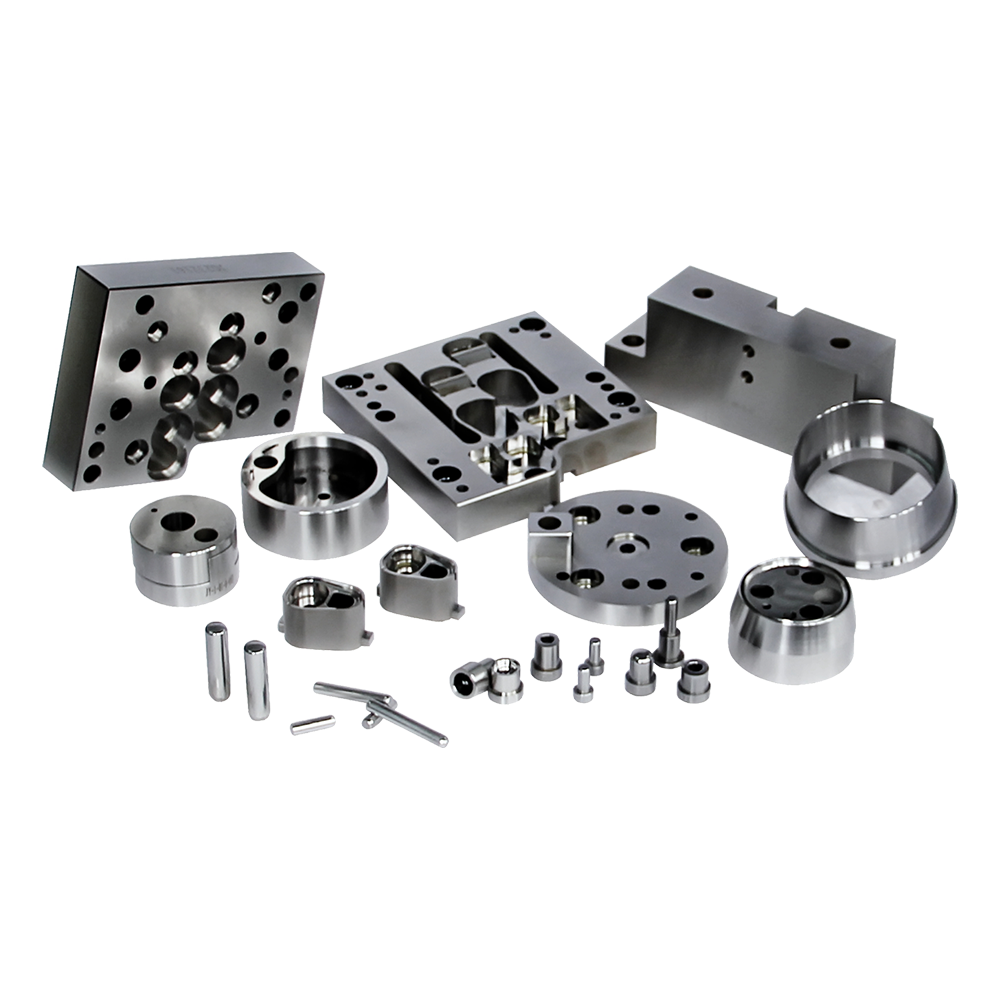
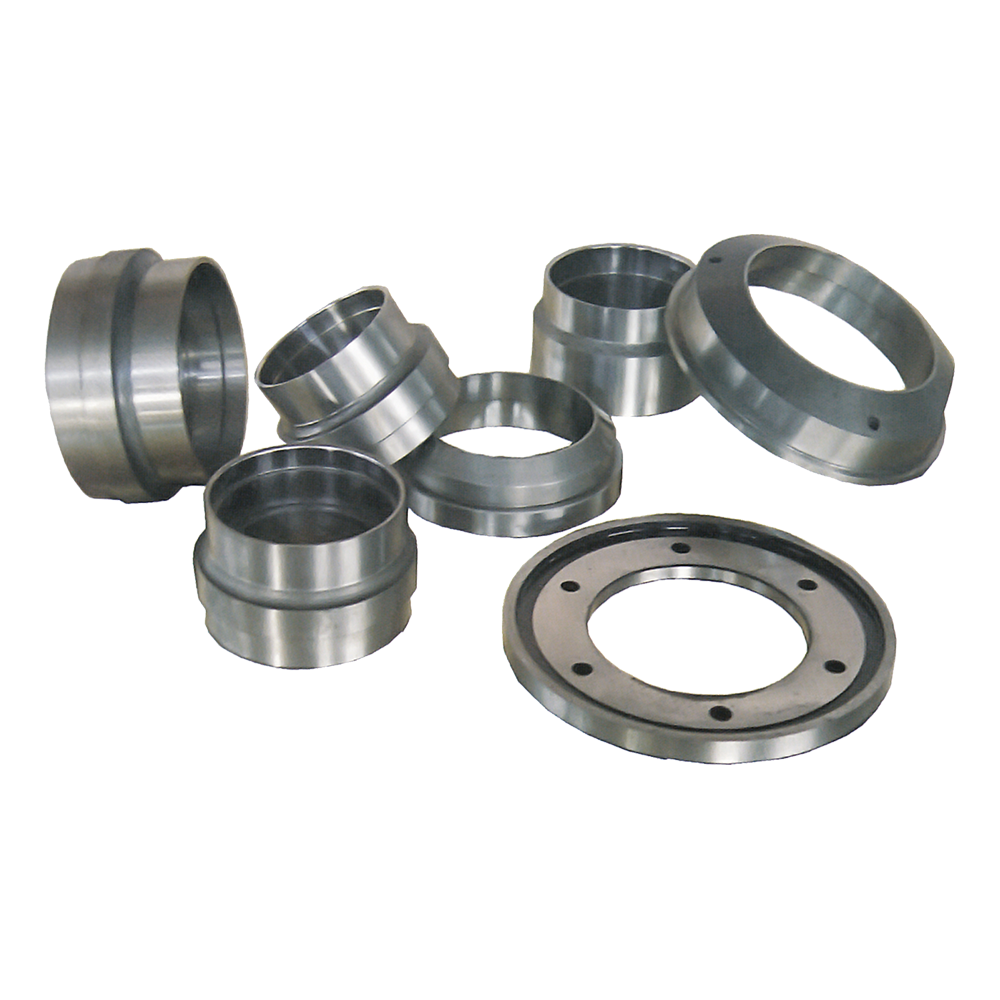
The company uses advanced CNC high-precision machining equipment to manufacture the CNC punch and its components. This ensures that every part is produced with tight tolerances, leading to a machine that operates smoothly and consistently. The CNC machining process also allows for complex designs that are difficult to achieve with manual or semi-automatic methods. For instance, the mold heads are machined with CNC equipment to ensure that they fit perfectly and produce lids with consistent dimensions. This level of precision is a key factor in the machine’s long lifespan and high performance. The company’s facilities are also equipped with complete mechanical machining equipment, enabling it to handle large-scale production while maintaining high quality standards.
The company is committed to quality and compliance, holding certifications for ISO 9001 (Quality Management System) and ISO 14001 (Environmental Management System). These certifications ensure that the manufacturing process adheres to strict international standards, from design to production to after-sales support. For example, the ISO 9001 certification requires the company to implement a rigorous quality control system, which includes inspecting every machine before it is shipped to customers. This gives manufacturers confidence that they are investing in a reliable, high-quality product. The company also conducts regular audits to ensure that its processes continue to meet these standards.
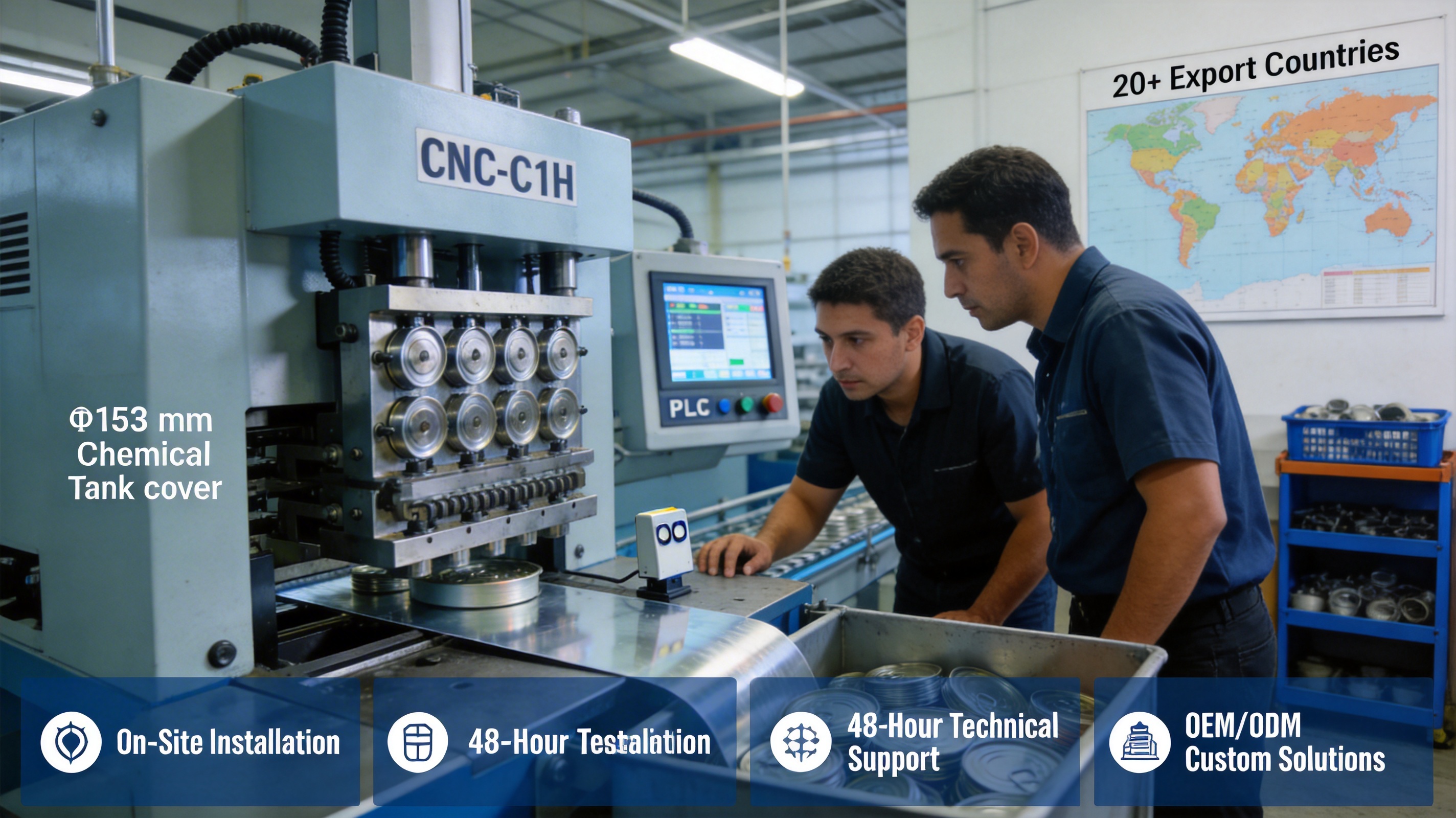
The company has a global presence, exporting its products to over 20 countries across Europe, Asia, Africa, North America, South America, and Oceania. This global reach means that it understands the diverse needs of manufacturers around the world, from small local producers to large multinational corporations. Additionally, the company offers comprehensive after-sales support, including installation, commissioning, technical training, and fast parts supply. For example, international customers can rely on the company’s local representatives to provide on-site support, ensuring that their machines are operational quickly and efficiently. The company also maintains a large inventory of spare parts to minimize downtime. A South American can manufacturer noted that the company’s after-sales support team resolved a technical issue within 48 hours, preventing a production delay of over a week.
The company offers OEM/ODM services, allowing customers to customize machines to their exact specifications. This is especially valuable for manufacturers who need specialized equipment for unique products or production processes. For example, a Japanese beverage manufacturer requested a custom CNC punch with a modified mold configuration to produce a specific type of can lid. The company worked closely with the manufacturer to design and manufacture the machine, which was delivered within 3 months. This ability to provide custom solutions sets the company apart from competitors who offer only standard models.
To help manufacturers choose the right model for their needs, here is a detailed comparison of the CNC Automatic Digital Controlling Punch models:
| Product Name | Working Pressure (KN) | Stroke (mm) | Largest Stroke (Φ Range) | Maximum Loading Module | Largest Closed Height (mm) | Main Power (Kw) | Function Description |
|---|---|---|---|---|---|---|---|
| CNC-C1B | 900 | 105 | 200 (Φ52-99); 150 (Φ153) | 7 Module (Φ52-99); 2 Module (Φ153) | 395 | 7.5 | Mainly for production of bottom cover and base cover |
| CNC-C1D | 900 | 105 | 200 (Φ52-99);150 (Φ153) | 7 Module (Φ52-99);2 Module (Φ153) | 395 | 7.5 | Mainly for production of bottom cover and base cover, two empty |
| CNC-C1W | 900 | 105 | 200 (Φ52-99);150 (Φ153) | 7 Module (Φ52-99);2 Module (Φ153) | 395 | 7.5 | Mainly for production of bottom cover and base cover, two empty |
| CNC-C1H | 900 | 140 | 100 (Φ52-99);100 (Φ153) | 1 Module (Φ52-99);1 Module (Φ153) | 395 | 11 | Mainly for large tank covers and chemical tank covers, two levels of transmission |
| CNC-C2 | 450 | 100 | 200 (Φ52-99);150 (Φ153) | 2 Module (Φ52-99);1 Module (Φ153) | 364 | 5.5 | Mainly for production of bottom cover and base cover |
| CNC-C12 | 2500 | 80 | 200 (Φ52-99);200 (Φ153) | 15 Module (Φ52-99);15 Module (Φ153) | 425 | 22 | Mainly for production of bottom cover and base cover, double row die without air |
| CNC-C6 | 1200 | 105 | 180 (Φ52-99);150 (Φ153) | 8 Module (Φ52-99);3 Module (Φ153) | 395 | 15 | Mainly for production of bottom cover and base cover |
| CNC-C6D | 1200 | 105 | 180 (Φ52-99);150 (Φ153) | 8 Module (Φ52-99);3 Module (Φ153) | 395 | 15 | Mainly for production of bottom cover and base cover, two empty |
| CNC-C6W | 1200 | 105 | 180 (Φ52-99);150 (Φ153) | 8 Module (Φ52-99);3 Module (Φ153) | 395 | 7.5 | Mainly for production of bottom cover and base cover, two empty |
| CNC-C8 | 120 | 190 | 200 (Φ52-99);200 (Φ153) | 1 Module (Φ52-99);1 Module (Φ153) | 364 | 4 | Mainly for production of four screw cap |
To address common questions from potential users, here is a detailed Q&A:
A1: This CNC punch stands out due to its full automation, versatile mold configurations (1-15 heads), robust protection systems (double sheet detector, overload protection), and PLC control for precision. It also offers material savings, high efficiency, and adaptability to diverse end sizes—features that are often lacking in competitor machines. Additionally, the company’s comprehensive after-sales support and OEM/ODM services add to its value proposition.
A2: The double sheet detector prevents the machine from processing multiple sheets at once, which can cause jams, damage to molds, or even catastrophic machine breakdowns. This not only protects the equipment but also reduces the risk of operator injury from sudden jams or malfunctions. It also minimizes material waste by avoiding the need to discard damaged sheets.
A3: Yes. The PLC control system allows for quick and precise adjustments to mold positions, stroke lengths, and pressure settings. Additionally, the machine supports a wide range of end sizes (Φ52-99 mm for standard lids, Φ153 mm for larger covers) and mold configurations. The company also offers OEM/ODM services for fully customized solutions.
A4: The company offers comprehensive after-sales support for international clients, including installation, commissioning, technical training, and fast parts supply. Local representatives are available in many countries to provide on-site support, ensuring that machines are operational quickly and efficiently. The company also maintains a large inventory of spare parts to minimize downtime.
A5: The company adheres to strict ISO 9001 quality management standards, which include rigorous quality control checks at every stage of production. Every machine is inspected multiple times before shipment, and components are manufactured with CNC high-precision equipment to ensure tight tolerances. The company also conducts regular audits to ensure that its processes continue to meet these standards.
A6: With proper maintenance, the CNC punch can have a lifespan of 10-15 years. The company’s robust manufacturing processes and high-quality components contribute to its long lifespan. Additionally, the machine’s protection systems reduce wear and tear, further extending its operational life.
1. Global Can Manufacturing Industry Report 2024. International Packaging Association. 2024.
2. CNC Punching Technology for Metal Packaging: A Technical Review. Journal of Metal Processing Engineering. Vol. 18, No. 3. 2023.
3. ISO 9001 Quality Management System Implementation in Can Machinery Manufacturing. Chinese Packaging Industry Association. 2022.
4. Trends in Automated Can Lid Production. European Metal Packaging Federation. 2024.
5. The Impact of Automation on Can Manufacturing Efficiency. Packaging Technology & Science. Vol. 36, No. 2. 2023.
6. Case Study: CNC Punch Optimization in Beverage Can Production. Global Packaging Solutions. 2023.
7. Advanced Manufacturing Processes for Can Machinery. International Journal of Precision Engineering & Manufacturing. Vol. 24, No. 5. 2023.
Related Products

Founded in 1978, the company is one of the largest can-making machinery well-known companies at home and abroad.
Product Categories
Contact Information
Zhongshatou Shenjiamen Zhoushan Zhejiang China
+86-580-3056646

 English
 中文简体
中文简体
 русский
 عربى
عربى
 Español