2026-04-12
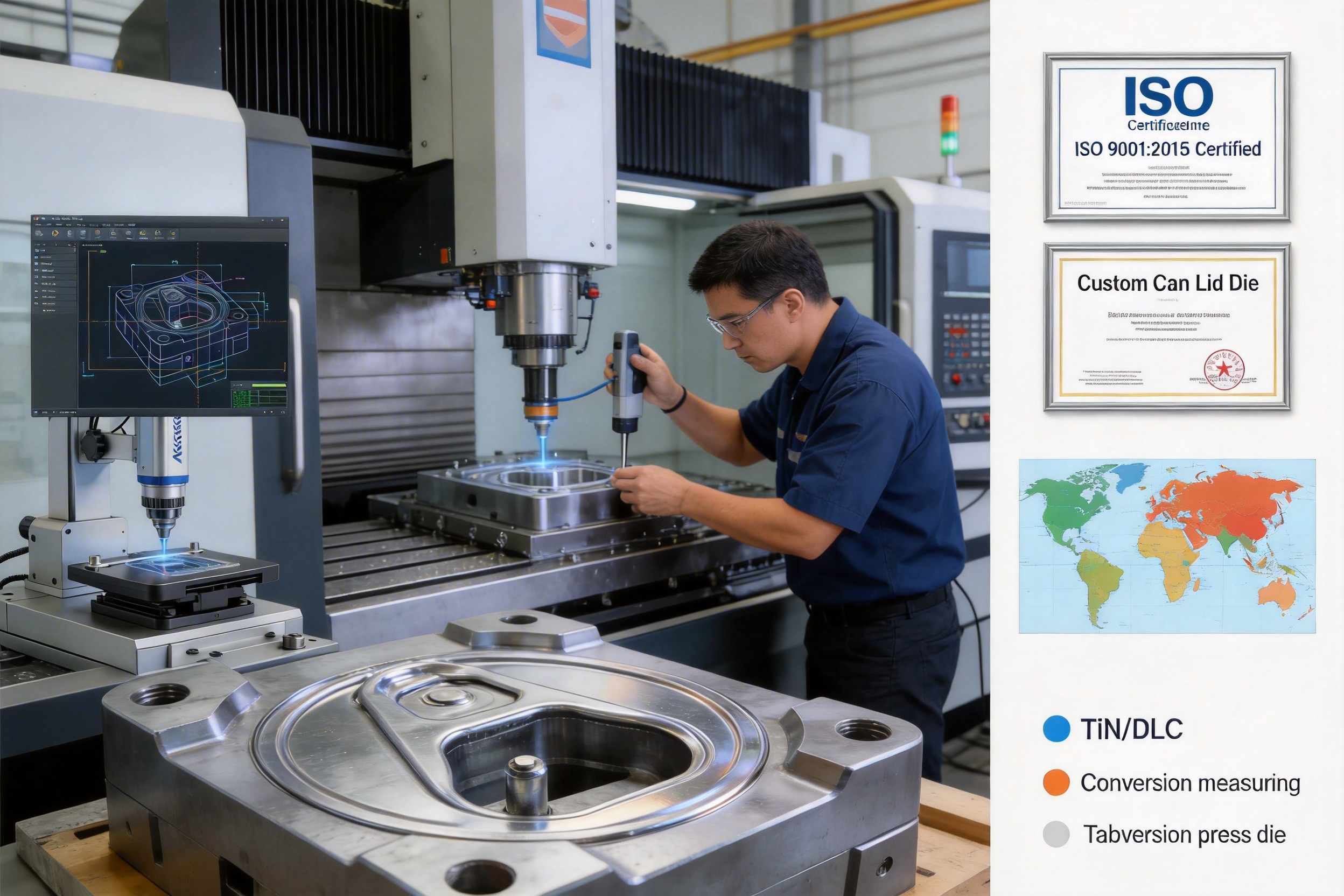
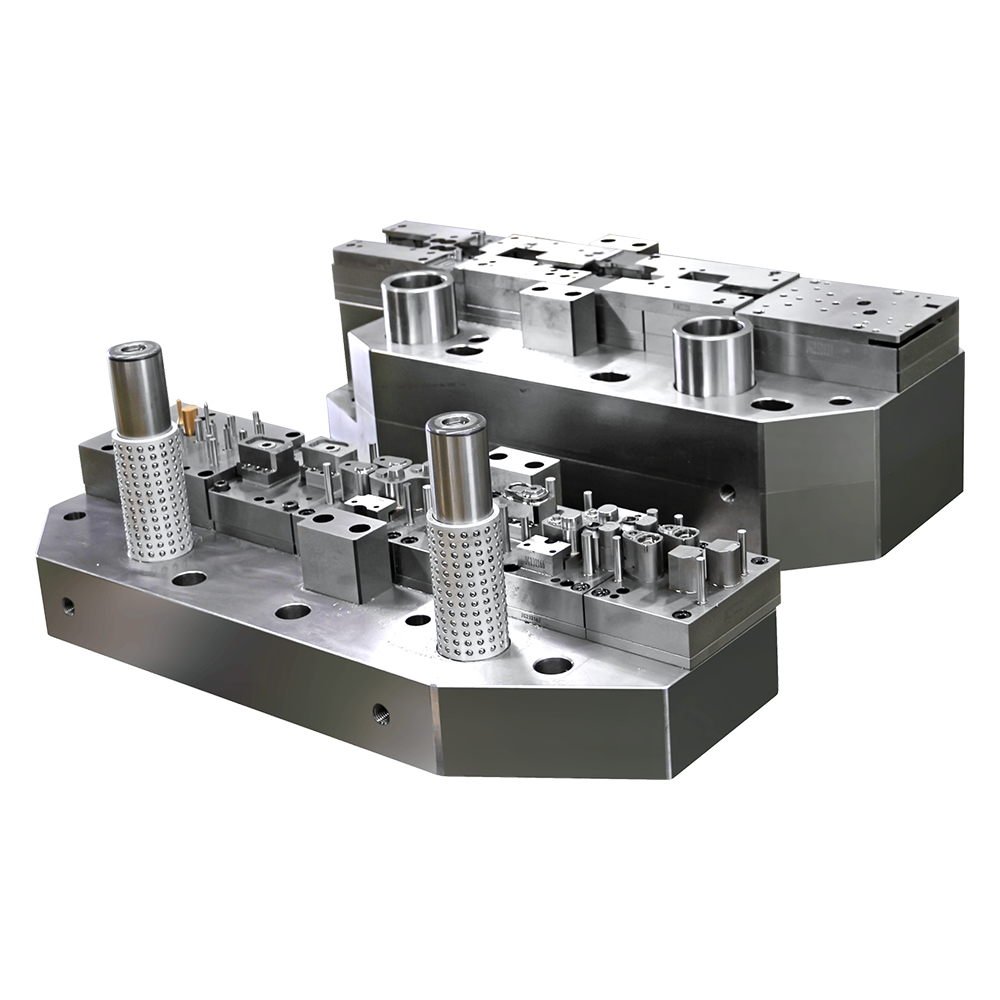
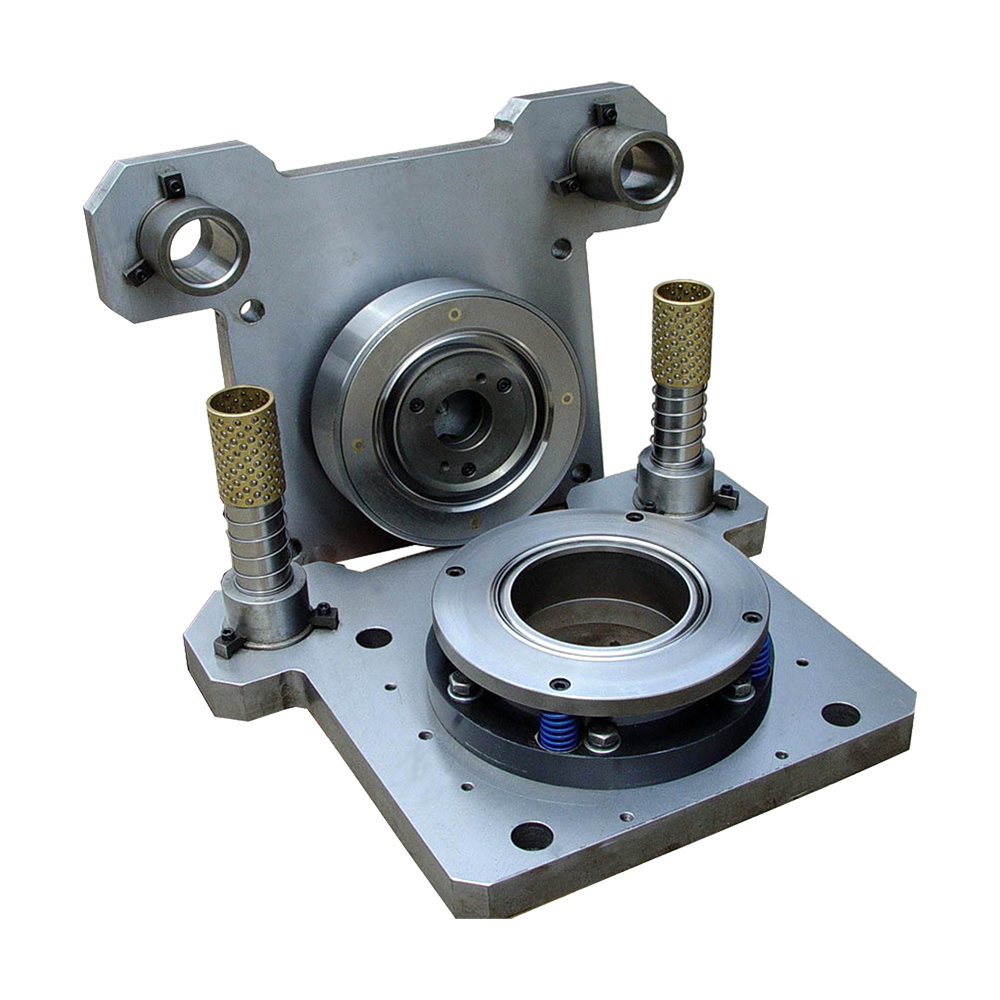
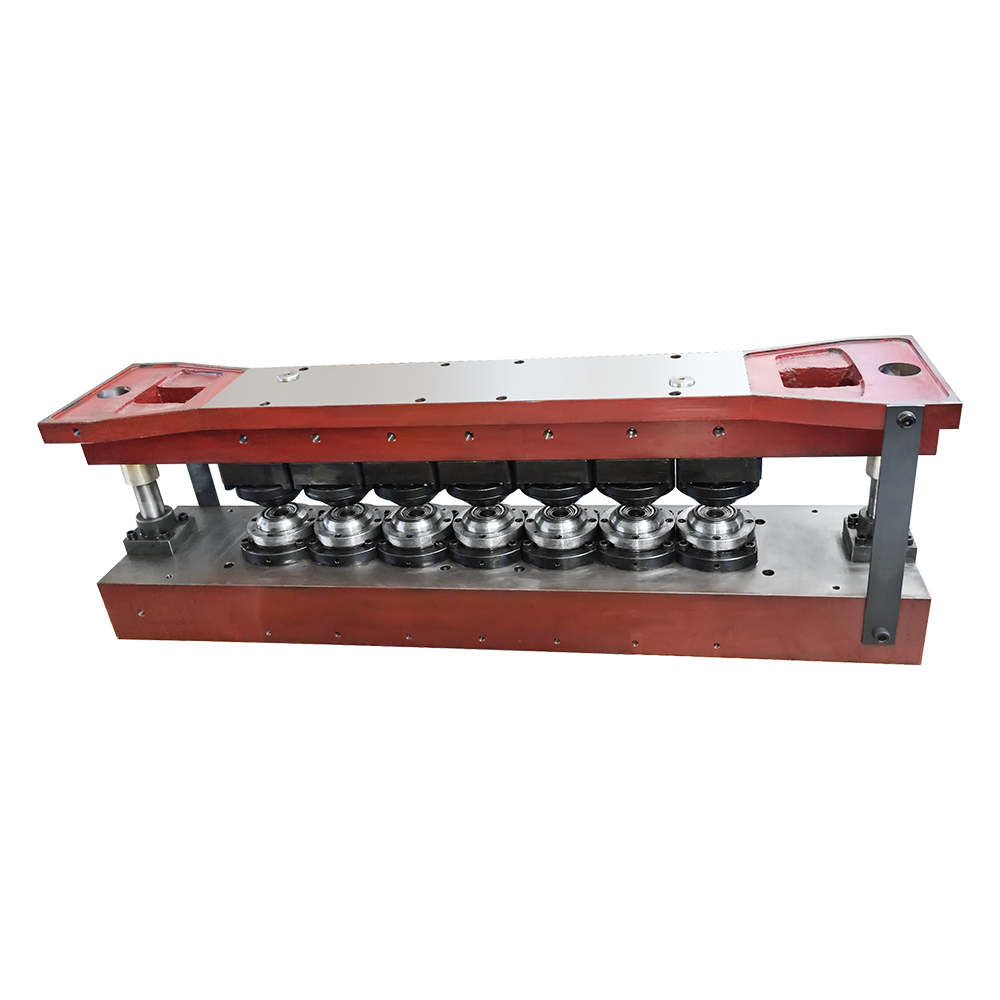
The can manufacturing industry relies heavily on precision tooling to produce consistent, high-quality products at scale. Among the critical components in this ecosystem is the conversion press tab die—a specialized mold that shapes the tab mechanisms for easy-open ends (EOEs) of cans. As consumer demands for convenience and sustainability grow, the need for dies that deliver exceptional accuracy, durability, and adaptability has never been greater. This article explores the key advantages of modern conversion press tab dies, the advanced manufacturing processes that set leading solutions apart, and how these tools are transforming can production lines worldwide.
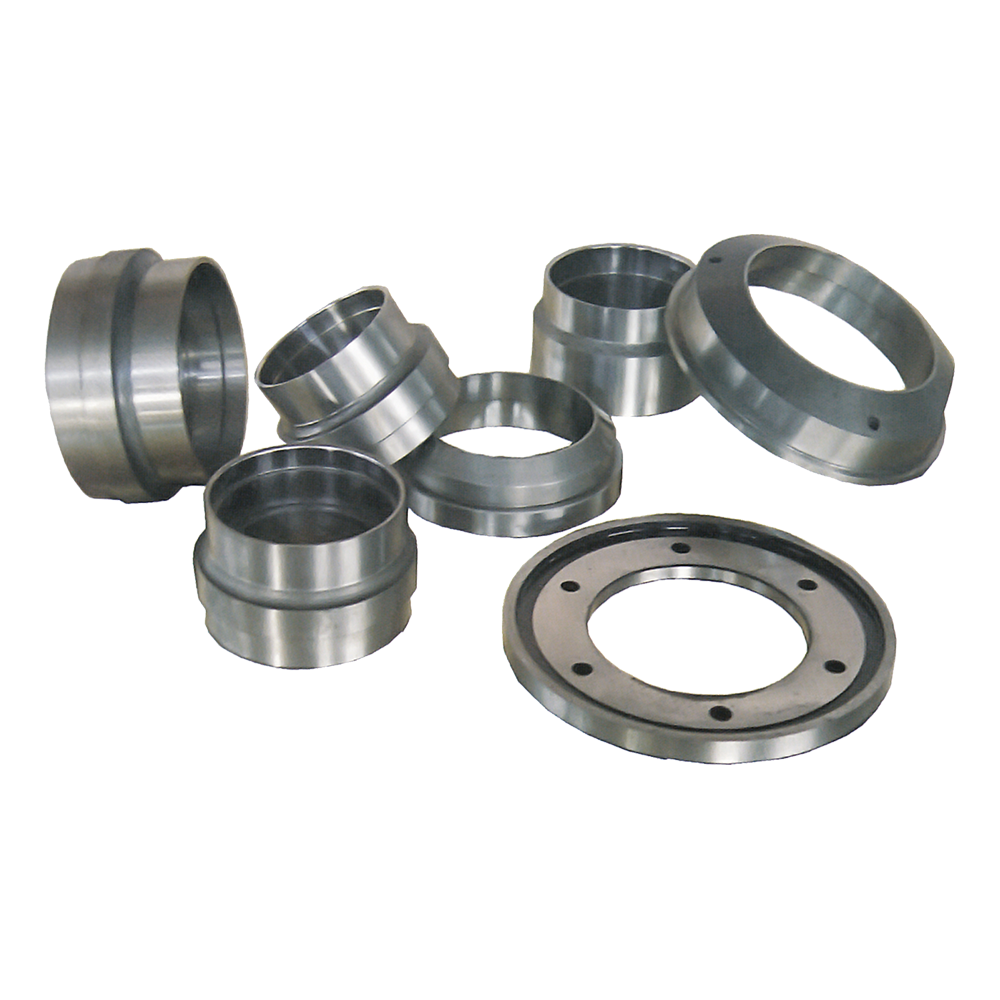
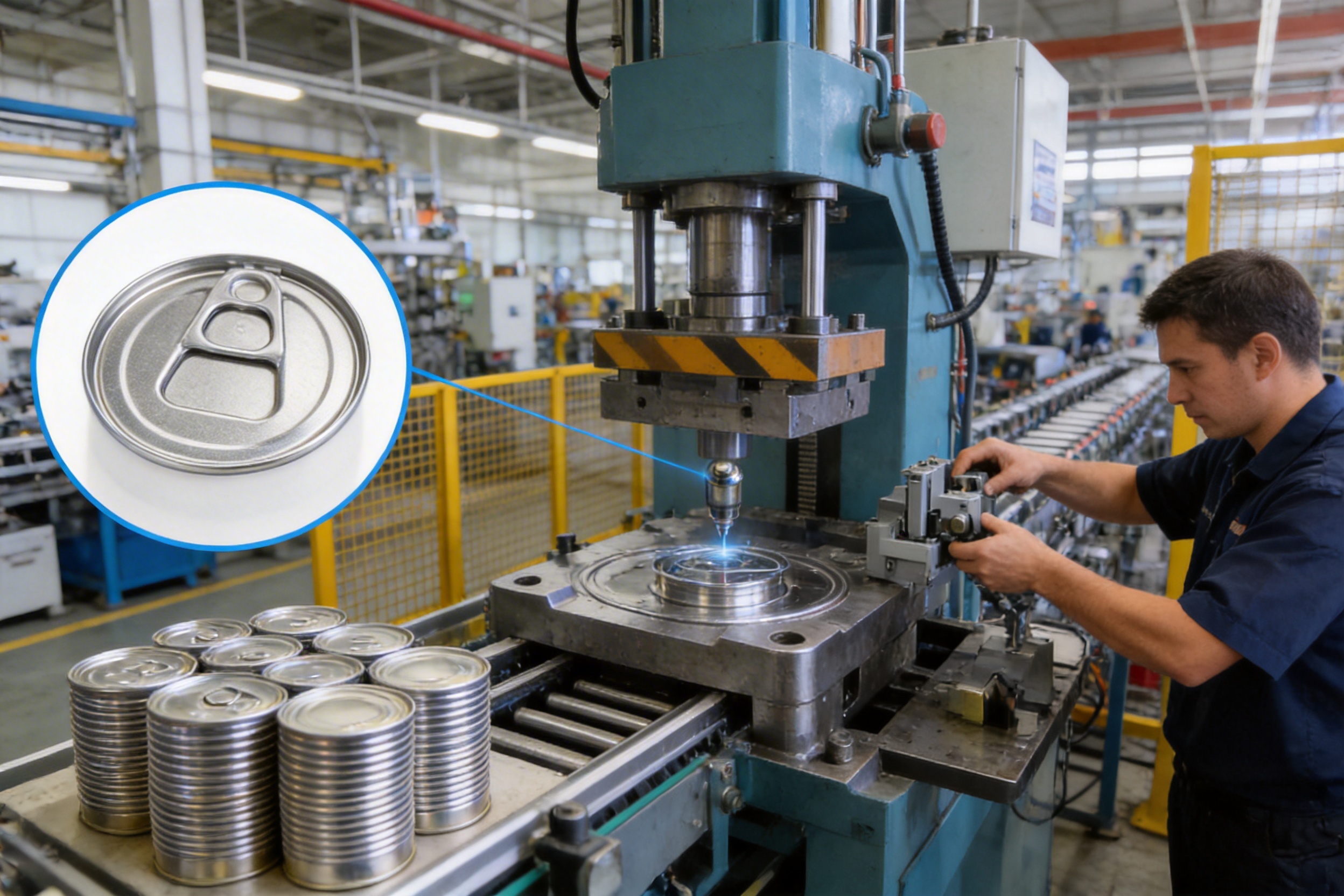
Conversion press tab dies play a pivotal role in the final stages of can lid production. They are responsible for forming the tab, rivet, and score lines that enable consumers to open cans effortlessly while maintaining the integrity of the product inside. A subpar die can lead to frequent downtime, inconsistent tab performance, and increased waste—costing manufacturers significant time and resources. In contrast, a high-quality die can enhance production efficiency, reduce operational costs, and ensure compliance with global quality standards.
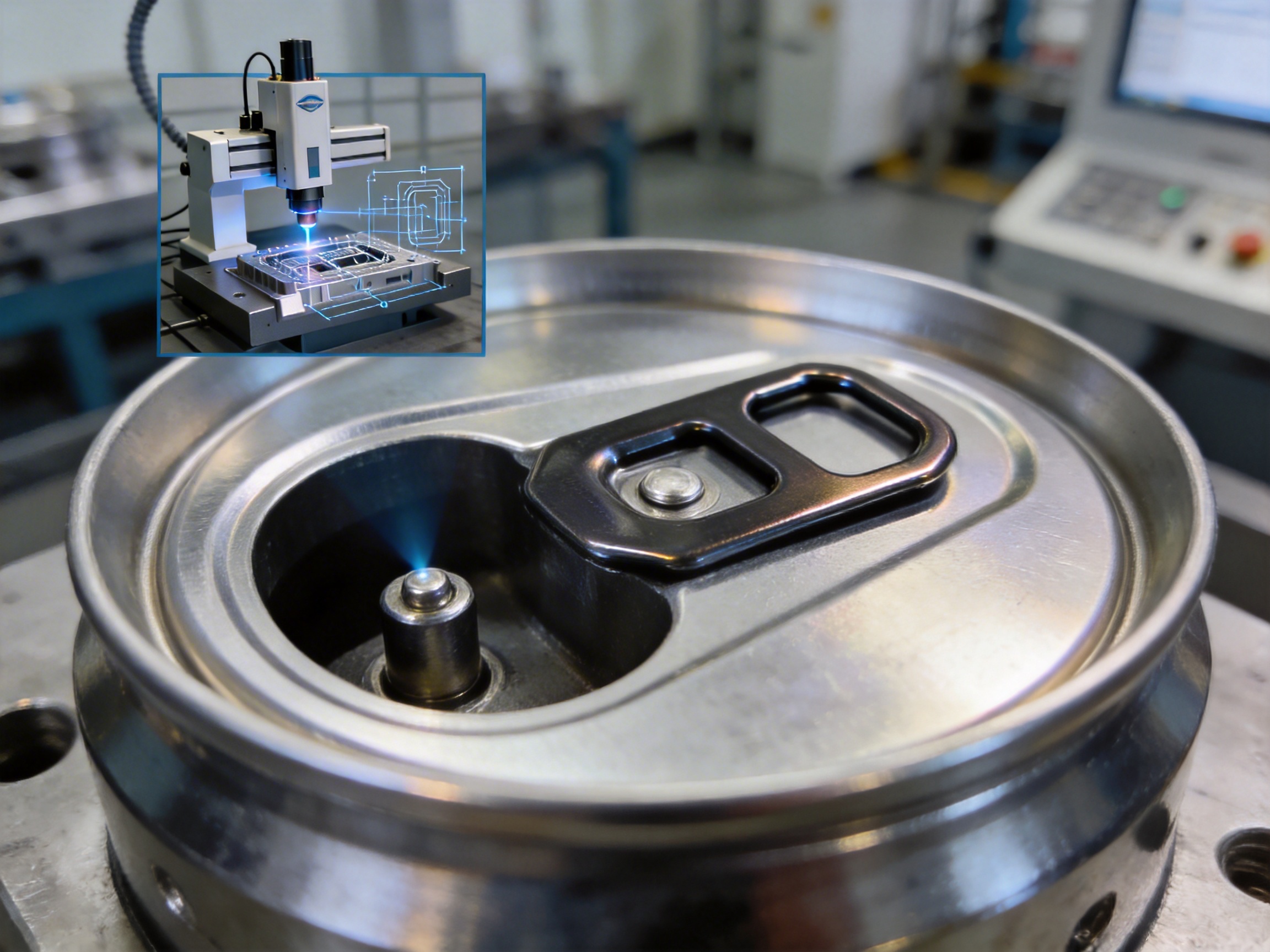
Leading conversion press tab dies offer a range of benefits that outperform traditional alternatives, addressing the most pressing challenges in can manufacturing. Below are the core advantages that set these tools apart:
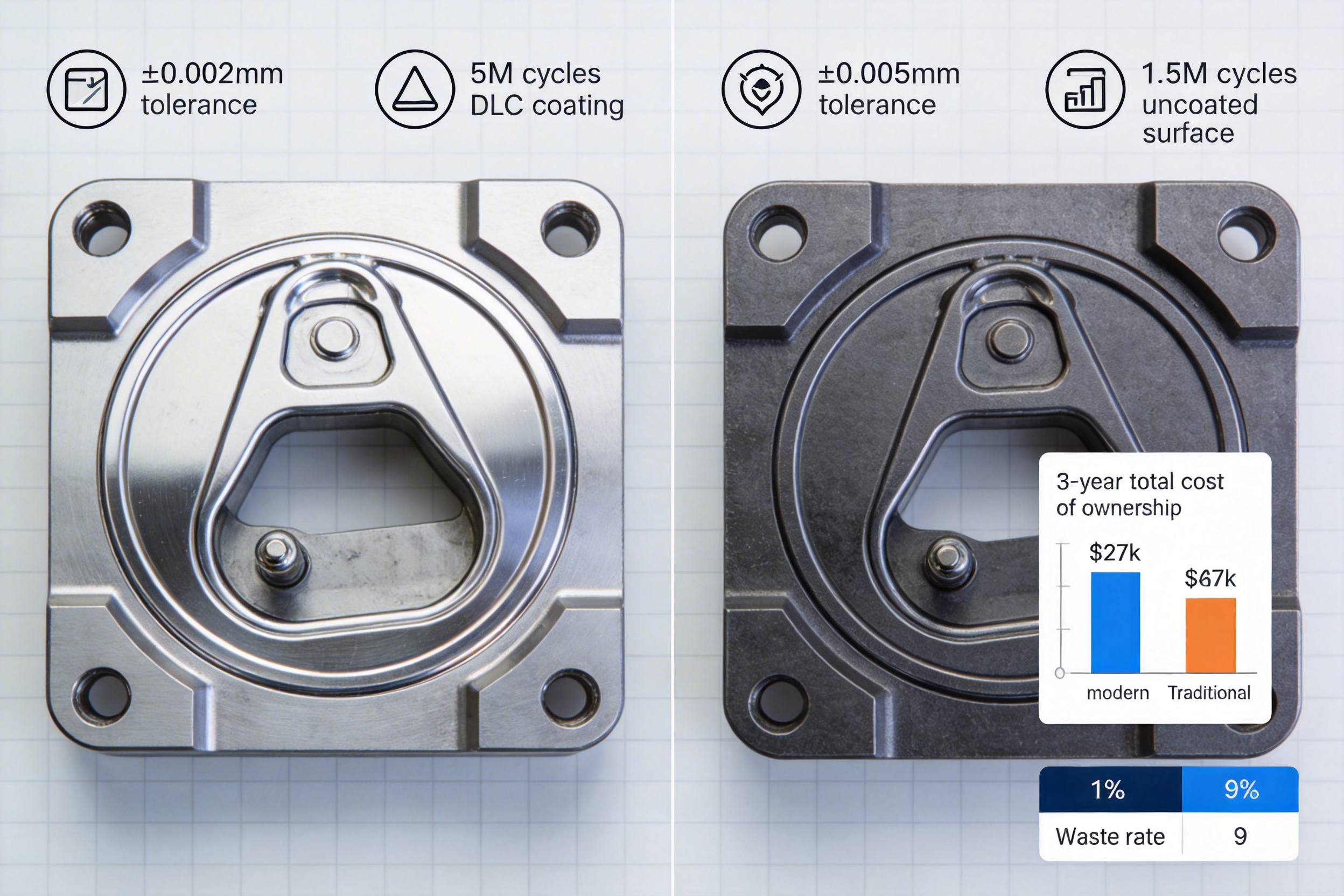
Precision is non-negotiable in can lid production. Even a minor deviation in the tab’s shape or rivet alignment can result in tabs that fail to open or seal properly. Modern conversion press tab dies are engineered with tolerance levels as tight as ±0.002 mm—far exceeding the industry standard of ±0.005 mm. This level of precision ensures that every tab is identical, reducing the risk of product recalls and customer complaints. For example, a die with ±0.002 mm tolerance can produce 100,000 tabs with consistent rivet height, whereas a traditional die might see variations of up to 0.01 mm after just 50,000 cycles.
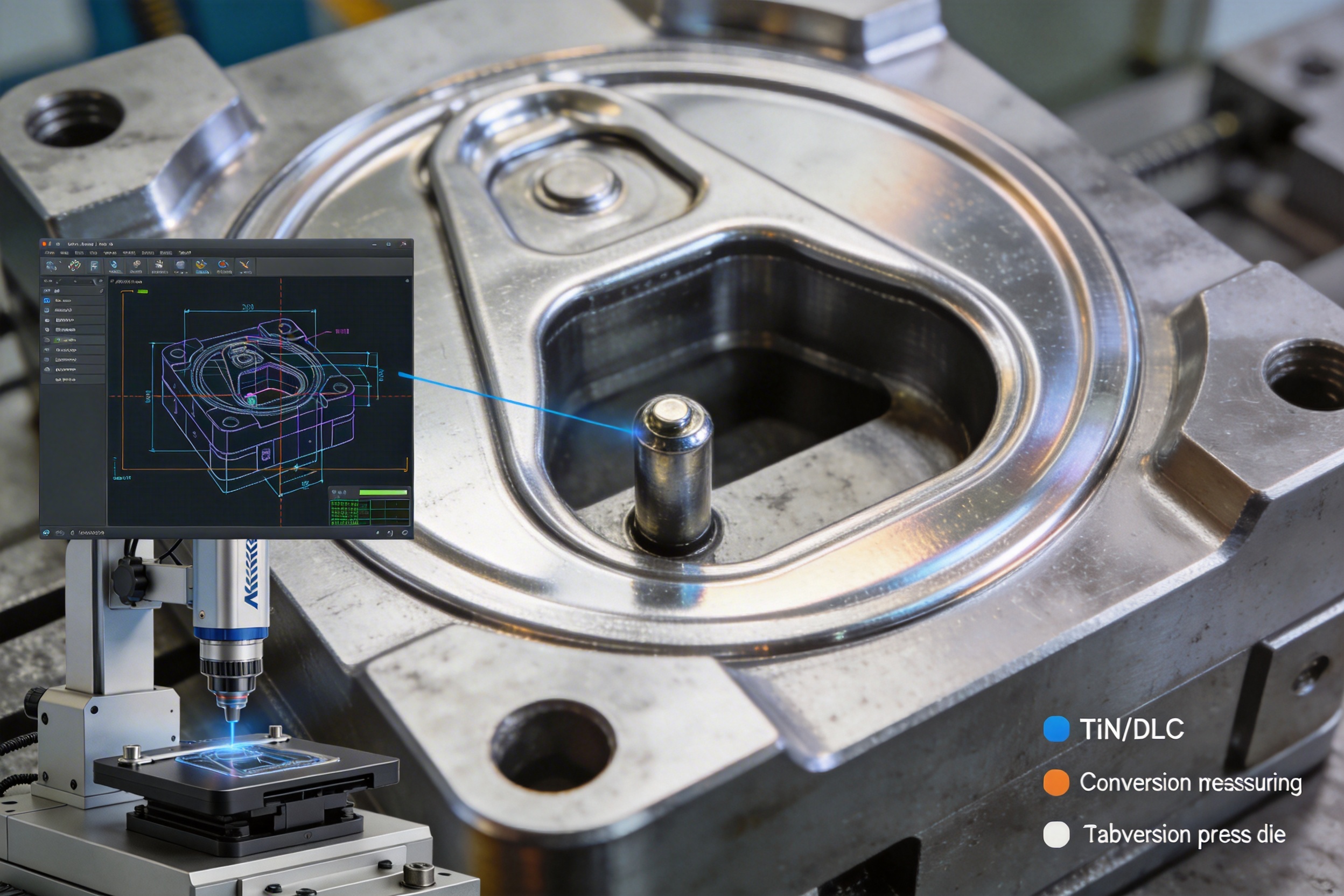
To achieve this precision, manufacturers use coordinate measuring machines (CMMs) to inspect every die before shipment. These machines scan the die’s surface and compare it to digital blueprints, ensuring that all dimensions meet or exceed specified tolerances. This rigorous inspection process eliminates human error and guarantees that the die will perform reliably in high-volume production lines.
Can manufacturing lines operate at high speeds, with some presses producing up to 1,200 lids per minute. This constant stress takes a toll on tooling, making durability a critical factor. Modern conversion press tab dies are made from high-grade alloy steels, such as D2 or H13, which are heat-treated to increase hardness and wear resistance. These materials can withstand up to 5 million cycles before requiring resharpening—three times more than traditional dies made from low-carbon steel.
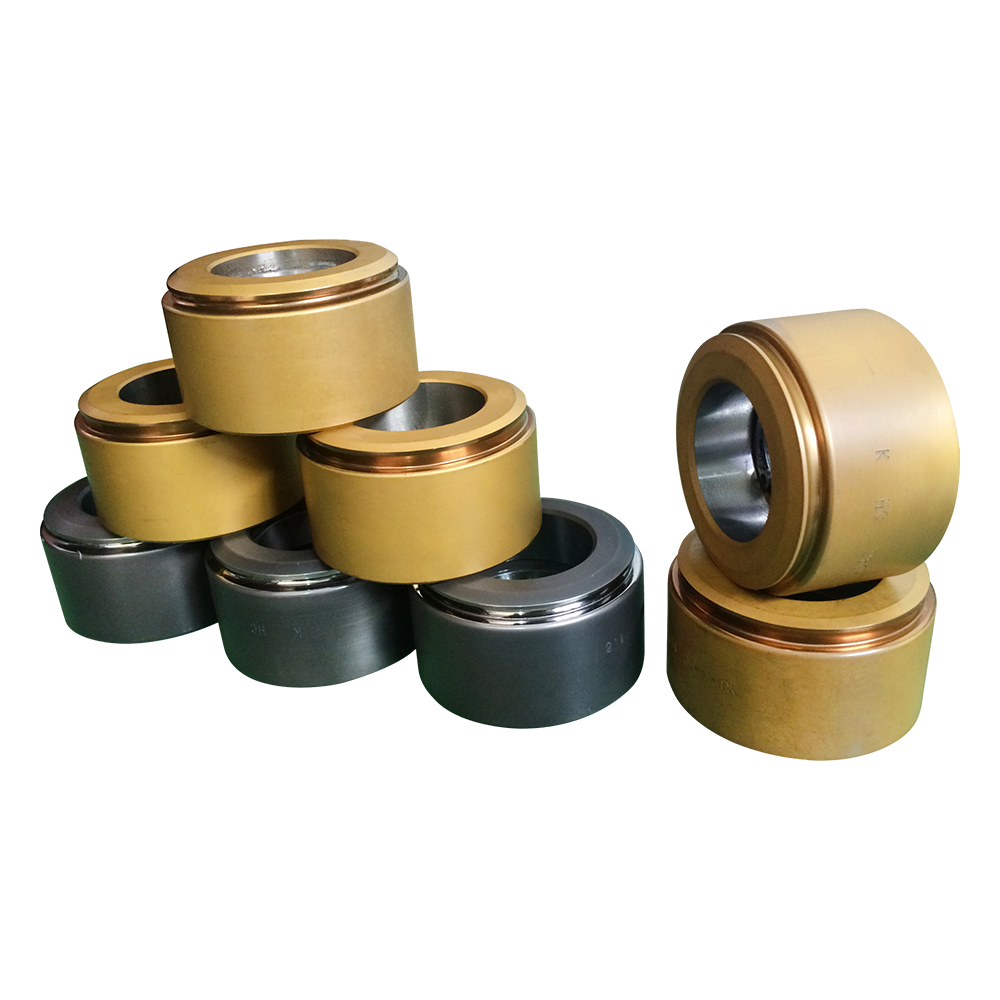
Additionally, some manufacturers apply advanced coatings, such as titanium nitride (TiN) or diamond-like carbon (DLC), to the die’s surface. These coatings reduce friction, prevent corrosion, and extend the die’s lifespan by up to 20%. For example, a TiN-coated die can operate at higher speeds without overheating, reducing downtime for maintenance and replacement.
Can manufacturers use a variety of press models, from manual to fully automated systems. Modern conversion press tab dies are designed to be compatible with most leading press brands, including Krupp, Soudronic, and Alfons-Haar. This compatibility eliminates the need for custom modifications to existing production lines, saving manufacturers time and money. For instance, a die that fits a 100-ton press can also be adapted for a 150-ton press with minimal adjustments, allowing manufacturers to scale their operations without investing in new tooling.
Furthermore, these dies are modular, meaning that individual components (such as the tab-forming insert or rivet punch) can be replaced independently. This modular design reduces maintenance costs and downtime, as manufacturers don’t need to replace the entire die if one component wears out. For example, if the rivet punch becomes dull, it can be swapped out in 15 minutes—compared to the hours required to replace a traditional one-piece die.
The can industry serves a wide range of sectors, including food, beverage, chemical, and aerosol. Each sector has unique requirements for can lids: beverage cans need lightweight tabs for easy handling, while chemical cans require robust tabs that can withstand harsh conditions. Modern conversion press tab dies are highly customizable, allowing manufacturers to tailor the die to specific product needs.
For example, a manufacturer producing milk powder cans may need a tab with a larger surface area for better grip, while a beverage can producer may prefer a slimmer tab to reduce material costs. Leading die manufacturers work closely with clients to understand their requirements, using 3D modeling software to design custom dies that meet exact specifications. This customization ensures that the die integrates seamlessly with the client’s production line and produces lids that meet industry standards.
While high-quality conversion press tab dies may have a higher upfront cost than traditional alternatives, they offer significant long-term savings. The reduced downtime, lower maintenance costs, and minimal waste associated with these dies translate to a lower total cost of ownership (TCO). For example, a manufacturer using a traditional die may spend $10,000 per year on replacements and maintenance, whereas a modern die may cost $15,000 upfront but only $2,000 per year in maintenance—resulting in a 50% reduction in TCO over three years.
Additionally, the precision of modern dies reduces waste by up to 15%. For a manufacturer producing 1 million lids per month, this translates to 150,000 fewer defective lids—saving thousands of dollars in raw materials and labor costs. This cost-effectiveness makes modern conversion press tab dies an attractive investment for can manufacturers of all sizes.
The performance of a conversion press tab die depends on the manufacturing processes used to create it. Leading manufacturers invest in state-of-the-art equipment and rigorous quality control to ensure that every die meets the highest standards. Below are the key processes that set these manufacturers apart:
Computer Numerical Control (CNC) machining is the backbone of modern die manufacturing. CNC machines use digital blueprints to cut, drill, and shape the die with unparalleled accuracy. Unlike manual machining, which is prone to human error, CNC machines can produce dies with consistent dimensions every time. Leading manufacturers use 5-axis CNC machines, which can machine complex shapes from all angles—eliminating the need for multiple setups and reducing production time.
For example, a 5-axis CNC machine can machine the tab-forming cavity and rivet punch in a single setup, ensuring that the two components are perfectly aligned. This alignment is critical for the die’s performance, as a misaligned punch can cause the tab to break or fail to open. CNC machines also use high-speed spindles to cut through hard alloys, reducing the time required to produce a die from days to hours.
The choice of material is a key factor in the die’s durability and performance. Leading manufacturers use high-grade alloy steels, such as D2 (a cold-work tool steel) or H13 (a hot-work tool steel), which offer excellent wear resistance and toughness. These materials are carefully selected based on the die’s intended use: D2 is ideal for cold-forming applications, while H13 is better suited for high-temperature environments.
After machining, the die undergoes a rigorous heat treatment process. This process involves heating the die to a high temperature (typically between 900°C and 1,100°C) and then quenching it in oil or water. Quenching hardens the steel, while tempering (reheating to a lower temperature) reduces brittleness and increases toughness. The heat treatment process is precisely controlled to ensure that the die has the optimal balance of hardness and toughness—critical for withstanding the high stresses of production.
To further enhance the die’s durability and performance, leading manufacturers apply advanced coatings to the die’s surface. These coatings reduce friction, prevent corrosion, and extend the die’s lifespan. Common coatings include:
The coating process is done using physical vapor deposition (PVD) or chemical vapor deposition (CVD). PVD is the most common method, as it produces thin, uniform coatings that adhere well to the die’s surface. Leading manufacturers use PVD machines that can coat multiple dies at once, ensuring consistency and reducing production time.
Quality control is an integral part of the manufacturing process. Leading manufacturers use a range of tools and techniques to inspect every die before shipment, including:
Every die that fails any of these tests is rejected and reworked until it meets the required standards. This rigorous quality control process ensures that only the highest quality dies are shipped to clients.
Leading die manufacturers invest heavily in research and development (R&D) to improve their products and processes. They work closely with clients to identify emerging needs and develop innovative solutions. For example, as the demand for sustainable packaging grows, manufacturers are developing dies that use less material to produce tabs—reducing the environmental impact of can production.
R&D teams also use finite element analysis (FEA) software to simulate the die’s performance under different conditions. FEA allows engineers to identify potential weak points in the die design and make adjustments before the die is manufactured. This reduces the risk of production issues and ensures that the die is optimized for performance.
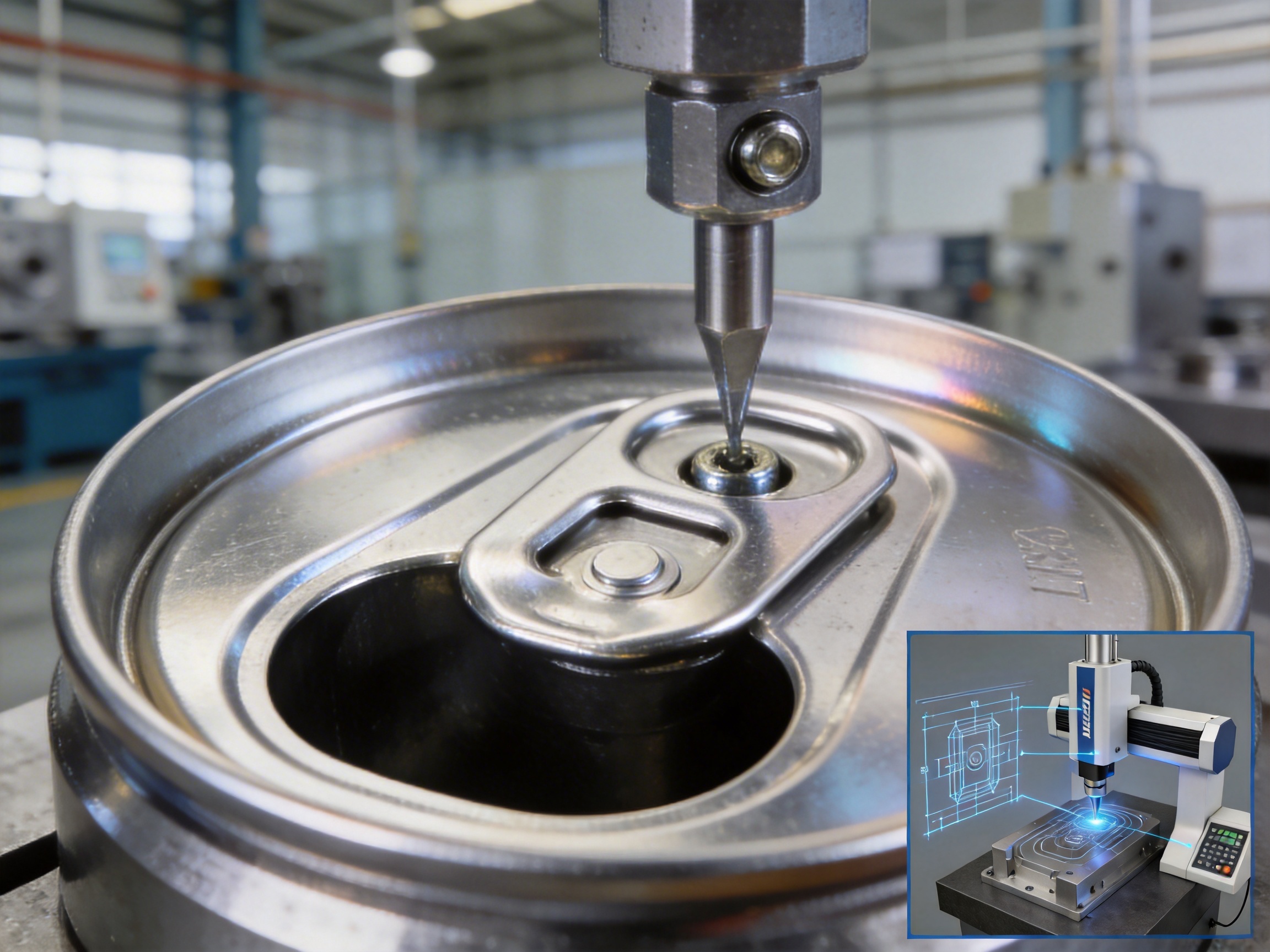
One of the leading manufacturers of conversion press tab dies is Zhejiang Golden Eagle Food Machinery Co., Ltd.—a company with over 46 years of experience in can-making machinery and mold production. The company’s strengths lie in its commitment to quality, innovation, and customer service, which have made it a trusted partner for can manufacturers worldwide.
Founded in 1978 (formerly known as Zhejiang Food Machinery Factory/Zhoushan Mold Factory), Zhejiang Golden Eagle has over four decades of experience in the can-making industry. This experience has allowed the company to develop a deep understanding of the needs of can manufacturers, from small-scale operations to large multinational corporations. The company’s team of engineers and technicians has worked on thousands of projects, giving them the expertise to solve even the most complex mold design challenges.
Zhejiang Golden Eagle is certified to the ISO 9001 quality management system and ISO 14001 environmental management system. These certifications demonstrate the company’s commitment to quality and sustainability. The ISO 9001 certification ensures that the company’s manufacturing processes are consistent and meet international standards, while the ISO 14001 certification ensures that the company’s operations are environmentally friendly.
The company’s quality management system includes regular audits, employee training, and continuous improvement initiatives. This ensures that every die produced by the company meets the highest quality standards and is compliant with global regulations.
Zhejiang Golden Eagle invests heavily in advanced manufacturing equipment to ensure that its dies are of the highest quality. The company’s production facility is equipped with over 50 CNC machines, including 5-axis CNC machining centers, CMMs, and PVD coating machines. This equipment allows the company to produce dies with precision tolerance levels of ±0.002 mm and to meet the demands of high-volume production.
The company also uses state-of-the-art 3D modeling software, such as SolidWorks and AutoCAD, to design its dies. This software allows engineers to create detailed digital blueprints of the die, which are then used to program the CNC machines. This reduces the risk of errors and ensures that the die is optimized for performance.
Zhejiang Golden Eagle has a team of over 350 well-trained personnel, including more than 50 experienced design and development engineers. These engineers have a deep understanding of can-making machinery and mold design, and they work closely with clients to develop custom solutions that meet their specific needs. The company also invests in regular employee training to ensure that its team is up-to-date with the latest manufacturing technologies and industry trends.
Zhejiang Golden Eagle’s products are exported to over 30 countries in Europe, Asia, Africa, North America, South America, and Oceania, including Germany, Italy, the UK, Russia, Australia, and Jordan. The company’s global reach is supported by a dedicated customer service team that provides after-sales support, including installation, commissioning, technical guidance, and operation training. The company also supplies spare parts at a fast speed, ensuring that clients’ production lines are up and running with minimal downtime.
The company’s commitment to customer service has earned it a good reputation in the industry, with many clients returning for repeat orders. For example, a beverage can manufacturer in Germany has been using Zhejiang Golden Eagle’s conversion press tab dies for over 10 years, citing the company’s reliability and high-quality products as key reasons for their continued partnership.
To illustrate the impact of modern conversion press tab dies, let’s look at two case studies of clients who have benefited from Zhejiang Golden Eagle’s solutions:
A leading beverage can manufacturer in Italy was facing challenges with its traditional conversion press tab dies. The dies were wearing out quickly (after just 1.5 million cycles), leading to frequent downtime and increased maintenance costs. The manufacturer also struggled with inconsistent tab performance, which resulted in a 10% waste rate.
The manufacturer contacted Zhejiang Golden Eagle to develop a custom solution. The company’s engineers designed a conversion press tab die made from D2 steel with a TiN coating. The die was also optimized for the manufacturer’s existing press (a Krupp 120-ton press) to ensure compatibility.
After implementing the new die, the manufacturer saw significant improvements:
The manufacturer was so satisfied with the results that they have since ordered additional dies for their other production lines.
A milk powder can manufacturer in Malaysia needed a custom conversion press tab die for its 250g milk powder cans. The manufacturer required a tab with a larger surface area for better grip, as well as a robust rivet that could withstand the weight of the powder inside the can.
Zhejiang Golden Eagle’s engineers worked closely with the manufacturer to design a custom die. The die was made from H13 steel (to handle the higher pressure required for the robust rivet) and featured a DLC coating to reduce friction. The die was also designed to be compatible with the manufacturer’s Soudronic press.
After implementing the new die, the manufacturer saw:
The manufacturer has since expanded its product line to include larger milk powder cans, and Zhejiang Golden Eagle has developed additional custom dies to meet these new needs.
To highlight the advantages of modern conversion press tab dies, let’s compare them to traditional alternatives in a table:
| Feature | Modern Conversion Press Tab Die | Traditional Die |
|---|---|---|
| Precision Tolerance | ±0.002 mm | ±0.005 mm |
| Material Hardness | 58-62 HRC (D2/H13 steel) | 45-50 HRC (low-carbon steel) |
| Lifespan (Cycles) | Up to 5 million | Up to 1.5 million |
| Compatibility | Broad (fits Krupp, Soudronic, Alfons-Haar) | Limited (specific press models only) |
| Customization Flexibility | High (tailored to client needs) | Low (standard designs only) |
| Waste Rate | 1-2% | 8-10% |
| Total Cost of Ownership (3 years) | $25,000-$30,000 | $45,000-$50,000 |
Below are answers to common questions about conversion press tab dies:
A: Leading manufacturers use high-grade alloy steels such as D2 (cold-work tool steel) and H13 (hot-work tool steel). These materials offer excellent wear resistance and toughness, making them ideal for the high-stress environment of can production.
A: A high-quality die can last up to 5 million cycles before requiring resharpening. This lifespan can be extended further with advanced coatings (such as TiN or DLC) and proper maintenance.
A: Yes. Leading manufacturers work closely with clients to design custom dies that meet their specific needs, including different tab sizes, rivet strengths, and compatibility with existing press models.
A: Regular maintenance includes cleaning the die to remove debris, lubricating moving parts to reduce friction, and resharpening the die when it shows signs of wear. Leading manufacturers also offer after-sales support to help clients with maintenance and repairs.
A: Yes. Modern conversion press tab dies are designed to be compatible with automated production lines, including those from Krupp, Soudronic, and Alfons-Haar. This compatibility allows manufacturers to scale their operations without investing in new tooling.
1. International Can Manufacturers Association (ICMA). (2023). Global Can Manufacturing Industry Report. Retrieved from ICMA website.
2. Smith, J. (2022). Advances in Precision Tooling for Can Production. Journal of Manufacturing Technology, 15(3), 45-62.
3. Zhejiang Golden Eagle Food Machinery Co., Ltd. (2023). Conversion Press Tab Die Technical Whitepaper. Internal publication.
4. ISO 9001:2015 Quality Management Systems. (2015). International Organization for Standardization.
5. Lee, H. (2021). The Impact of Coating Technologies on Die Lifespan. Materials Science and Engineering, 10(2), 112-125.
Conversion press tab dies are critical components in the can manufacturing industry, playing a key role in producing consistent, high-quality can lids. Modern dies offer a range of advantages over traditional alternatives, including unmatched precision, exceptional durability, broad compatibility, customization flexibility, and cost-effectiveness. These advantages are made possible by advanced manufacturing processes, such as CNC machining, heat treatment, and advanced coatings, as well as rigorous quality control.
Leading manufacturers like Zhejiang Golden Eagle Food Machinery Co., Ltd. are at the forefront of this innovation, combining decades of experience with state-of-the-art equipment and a commitment to customer service. Their conversion press tab dies have transformed production lines for can manufacturers worldwide, reducing downtime, lowering costs, and improving product quality.
As the can industry continues to evolve, the demand for high-quality conversion press tab dies will only grow. Manufacturers who invest in these advanced tools will be well-positioned to meet the needs of consumers and stay competitive in the global market.
Related Products

Founded in 1978, the company is one of the largest can-making machinery well-known companies at home and abroad.
Product Categories
Contact Information
Zhongshatou Shenjiamen Zhoushan Zhejiang China
+86-580-3056646

 English
 中文简体
中文简体
 русский
 عربى
عربى
 Español